Jason Momoa talks about his latest film “Road to Paloma”

You might know Jason Momoa from his amazing role of Khal Drogo in the first season of “Game of Thrones” and for playing the lead role in the 2011 remake of “Conan the Barbarian”. He is also rumored to be playing Aquaman in DC Comics’ upcoming films like “Batman v Superman: Dawn of Justice” and “Justice League”. Media Mikes had a chance to chat with Jason about his latest film “Road to Paloma” and what we can expect.

Mike Gencarelli: “Road to Paloma” is your first film as director, writer, and producer and you also star in the lead role; how was it wearing all these hats?
Jason Momoa: It was one of my greatest achievements. It was also one of the funniest things that I have done. I work on so many sets where there are just tons of people. We did this film with a very small crew and a bunch of my best friends. We went out bought all the equipment and just did it. I just wanted to show the world my vision. The acting wasn’t really a stretch for me but putting the movie together was the main challenge for me. I loved doing it on this very small level. It was almost like doing theater. We would rehearse and rehearse and once we had the right light, we were ready to go. Stanley Kubrick once said you can spend 10 years writing a script and then you have to shoot it in 10 days. I just wouldn’t want to do that. I would rather take less money and have the freedom.

MG: This is a road movie, so let’s talk about the journey as an actor/filmmaker that you took with this film?
JM: It was crazy. I just want to go back to acting…I will be in my trailer [laughs]. No but, it is like having a child, really. We called it the never ending movie. It has taken up 3 1/2 years from start to finish but most movies do. It was still an amazing experience for me.

MG:I was hoping to see you all set up with full war paint…
JM: You will see it! You see a glimpse in the trailer. We chose not to put it in the film. The scene really grabs you and puts you in the edge of your seat. But the pacing didn’t work well in the film. It will be out on the Blu-ray release though, so at least you can see it.

MG:How was it getting to work with your wife Lisa Bonet?
JM: It was great and also very hard. It is scary because these are characters you are playing and you don’t want to give too much of your personal life but at the same time you want it to be real. She killed it though and I was a wreck [laughs]. She is amazing.

MG:How did you get involved with WWE Studios?
JM: They have a huge fan base and they thought there fan would really dig this. It is a beautiful film and really has something to say. I think that is why Michael Luisi and WWE got behind it because it has a lot of heart. It has a little bit of everything action, love, passion, fighting and I like that a lot.

MG:What else do you have in the cards coming up next?
JM: I am working on the passion project of my life. Right now, it is called “Enemy in the Valley”. It is a true story, based in the 1890’s taking place in Kauai. Back in the day, when someone got leprosy, they would just drop them on an island and leave them. There wasn’t proper law. So this is his story about how he defends himself and his family and became a hero in Hawaii. It is a drama period piece. To me it is like “The Last of the Mohicans” meets “The Proposition”. It is definitely my “Braveheart” for my people. It is a dream role for me and I will be directing also. So I can’t wait to get started.


Related Content

Chazz Palmenteri talks about his one-man play of “A Bronx Tale”

Chazz Palmenteri is known best for his roles in films like “The Usual Suspects”, “A Bronx Tale”, “Bullets Over Broadway”, in which he received an Oscar nomination. Chazz brought his one-man play “A Bronx Tale” back to Broadway in 2007 and since then he has been continuing to tour each year with this show. Media Mikes had a chance to chat with him about the show and what he has planned next.

Mike Gencarelli: “A Bronx Tale” hit Broadway in 2007 and hasn’t stopped since; tell us about your journey you are taking with this one-man show?
Chazz Palmenteri: I originally did this back in 1989 and I brought it back to Broadway in 2007 since there was a whole generation of people that didn’t get to see it. It was just going to be Broadway for six months and that’s it. It was such a huge success, they wanted to do a National Tour and I thought I would finish in Vegas. So I did it again in Las Vegas in 2009 after the tour and then it became show of the year and they just keep calling me back. Now I do the like two or three dates a month traveling it around. I want to keep doing it. I can’t stop because people keep wanting to see it.

MG: The show is a real physical workout; how do you prepare for it each night?
CP: I just stay in really good shape. I work out a lot. I am on the treadmill a lot. I watch my weight. I just take care of myself and that is the only way that you can prepare for this. You really just have to be in really great physical condition.

MG: How long do you see yourself touring with this show?
CP: I still am doing plenty of film and TV but I am going this in between gigs. I love doing it. I don’t know, I will continue to do it until I can’t physically or people don’t want to see it.

MG: Ever considered filming it and releasing it on Blu-ray/DVD?
CP: I have thought about that but I haven’t decided what I wanted to do with the show yet. But we will see.

MG: What else you got in the cards next?
CP: I do have a big film that I wanted to talk about. I will be in London this month shooting, “The Kray Brothers” with Tom Hardy. I am really looking forward to that.

Here are the rest of the upcoming show dates for the tour of “A Bronx Tale”:

July 12th – Atlantic City – The Golden Nugget
Oct 4th – Buffalo NY – Kleinhans Music Hall
Oct 10th & 11th – Huntington LI – The Paramount Theater
Oct 17th – Morristown NJ – Mayo Performing Arts Center

Marvel’s Jacob Johnston talks about his short film “Kadence”

Jacob Johnston has been working at Marvel Studios with their Visual Development team on films like “Thor”, “Thor: The Dark World”, “Captain America: The Winter Soldier”, “Guardians of the Galaxy” and currently on “The Avengers: Age of Ultron”. Aside from working on superhero movies, Jacob is also a writer and director. He is currently trying to get his short films made “Kadence” via Kickstarter. Media Mikes had a chance to chat with Jacob about the short film, what we can expect and how can you help get this film made.

Click here to become a backer for “Kadence” on Kickstarter! At the time of posting, there is only 23 hours left! So don’t miss out!

Mike Gencarelli: Give us some background on how “Kadence”, came to be that you wrote and directed?
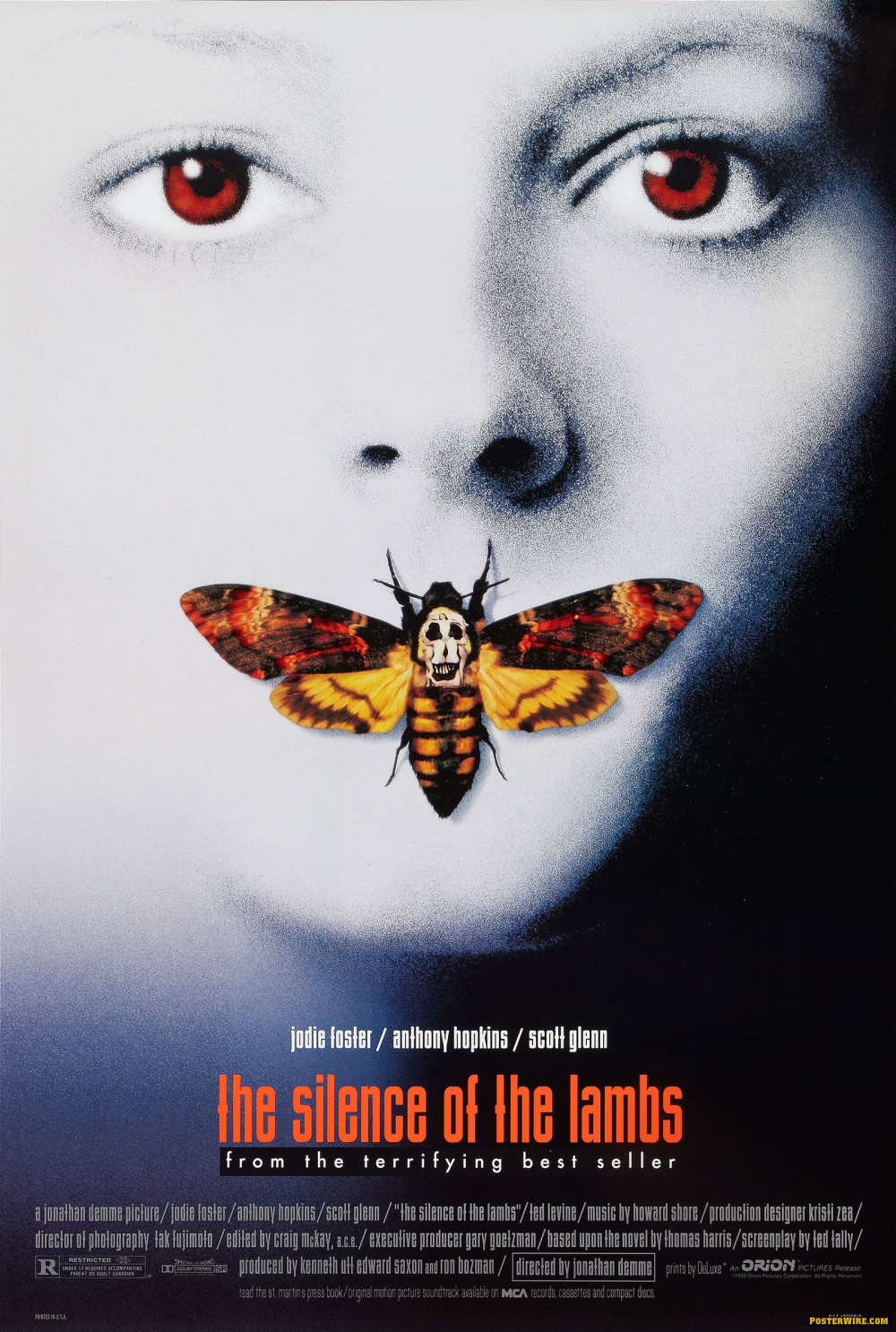
Jacob Johnston: It all started when I was driving to a friend’s birthday party last spring. It was just a visual of a young boy lying helpless in his room with a voodoo doll within arms reach – but it all felt so far away – something we saw by the pinning look in his eye. Following that: Kadence was a project that took me about 3 months to even form into words. For the most part, it started as a series of visuals – highlighting certain story elements – but finding a unique and compelling through line was something I didn’t want to force. As I began writing the script out, it evolved from a more supernatural based story into a more character-driven drama with horror elements. Which, to be honest, was far more interesting to me. I wanted a project that brought back the terrifying elements of visceral human interaction and unraveling – evocative of movies like The Haunting [1963], Silence of the Lambs and Let the Right One In.

MG: Give us the one minute pitch on the story?
JJ: Still reeling from the loss of his mother, a damaging and complex relationship with his father, and a relentless battle with his own inner demons, Kadin’s [17] grip on reality is loosening by the day. Amid this struggle comes an enigmatic and brazen new neighbor, Marissa [19], who, along with the promise of a budding new friendship gives Kadin an ancient voodoo doll. Her reassurance is seductive and the promise of a brighter future leads Kadin to make a sinister choice. [laughs] Was that a minute!?
MG: Well, I am sold man! For sure!

MG: Tell us about your Kickstarter campaign or your goals?
JJ: The Kickstarter campaign was launched for a couple of reasons: to help raise crucial funds for the production budget and for building an audience. We have brought on a lot of industry professionals to help bring this story to life, most of which who are donating their time for little or no pay – however, the cost of permits, locations and equipment adds up incredibly fast. More than raising additional budget money, we launched the campaign to create a community long before the movie was even finished. The horror community is huge and very tied together – we wanted to network with them and get those who we could reach as excited about the project as we were. Kickstarter really granted us the opportunity to do more than raise money, it really is a wonderful platform.

MG: You recruiting any of your co-workers at Marvel to assist with the film?

Production keyframe by Anthony Francisco

JJ: I work with a number of extremely talented artists who were graciously willing to use their nights and weekends to illustrate the crazy visuals in my head so the rest of the world could see. Jackson Sze, Anthony Francisco and Andy Park have been working as professional illustrators in this industry for quite some time and definitely brought both a legitimacy to the project and look to the film that went above and beyond what I ever envisioned in the beginning of the process.

MG: After the film is completed; what are you plans to distribute?
JJ: Ha. Let’s have that conversation after the film is done! Just want to focus my attention on telling the best possible story for now!

MG: “Kadence” is a short film; any chance to develop into feature?
JJ: Another good question and one that many people have asked. It’s hard to say. I think there is definitely a potential for a feature. However, I never wanted to see the project that way – for fear that I may compromise the story I was trying to tell in the short.

Joseph Russo talks about playing Joe Pesci in Clint Eastwood’s “Jersey Boys”

I’m sure it sounded easy for Joseph Russo. Cast in his first major feature film role, the actor portrays a name familiar to movie fans all over the world: Joe Pesci. That’s right, long before he was asking how funny we thought he was (and winning an Oscar to boot), Joe Pesci was a New Jersey boy who dreamed of being a singer (he actually released an album in 1968, “Little Joe Sure Can Sing,” billed as “Joe Ritchie.”

Joey Russo has worked a lot since his debut in 2010, appearing in such television shows as “Bones,” “How I Met Your Mother” and “Parks and Recreation.” He even has a little “Jersey” on his resume’, starring in 2012’s television film “Jersey Shore Shark Attack.” This week he opens in “Jersey Boys,” director Clint Eastwood’s film version of the Tony-award winning Broadway hit. While promoting the film Russo sat down with me and talked about…..

Mike Smith: How did you get involved in “Jersey Boys?”
Joseph Russo: I got a phone call from my manager saying they were looking for an actor to play a young Joe Pesci. I went in and read for the casting director. Then I started to hear that I was on Clint’s short list…then I was on top of his short list….then I was his choice….and I found out a few weeks later that the part was actually mine.

MS: Did you know before you went in to read for the part that Joe Pesci had a musical background?
JR: Once I got the audition I did some research because I had no clue how he was attached to this story. Once I got word that I was seriously being considered for the role I really took the opportunity to piece together a time-line of his life from then until now to really understand how he was a part of that group.

MS: Playing a real-life person, especially someone as well known as Joe Pesci….did you have to reign in your performance at all so that you weren’t doing a caricature? I did notice in one scene you ask “Funny how?” about something and then in another you do a “ok, ok, ok” riff.
JR: I’m so glad you picked up on that. My main thing was that I didn’t want to make him a caricature. That was my goal when I went in to audition. Should I change my voice or not? I didn’t see the Broadway musical because I wanted to create something that was totally my own. I wanted to make him a real guy and at the same time earn the right to play a character like Joe Pesci. What I wanted to do was sprinkle a little Pesci-isms in each of my scenes. Show a little “Casino.” Show a little “Goodfellas.” Show a little Leo Getz (the “Lethal Weapon” series). I wanted to find a way to portray Joe Pesci from age 16 to 26. Because really, the first time the public saw him in “Raging Bull” he was close to 40. So I came up with the idea that everything Joe Pesci has done as an actor in his later life was drawn from something that was inside him when he was younger. Maybe at one time he did say “ok, ok, ok.” Maybe he did ask “I’m funny how.” I wanted to pay homage to a real guy. That was my main focus…paying homage.

MS: Once you got the role were you able to seek Joe Pesci out and maybe get some insight into his life and experiences back then?
JR: Once I got the role I immediately tried to get in touch with him. Unfortunately I wasn’t able to. My next avenue was to call up Tommy Devito. (NOTE: Devito was one of the founding members of the Four Seasons and, according to “Jersey Boys,” now works for Joe Pesci. Ironically, Tommy Devito is also the name of the character that Pesci plays in “Goodfellas”). I talked to Tommy and he gave me a lot of insight into how Joe was back then. He was a clown, always joking around and making everybody laugh. I also worked hand in hand with my acting coach and mentor, Jocelyn Jones, and she really, really helped walk my way through finding out who this guy was in this time period….what was going on in society during this time period…and coming up with my own guy based on that. It was really great. Jocelyn was phenomenal in helping to walk me through that.

MS: Did Clint give you a lot of lee-way with your performance?
JR: Yes, that was the great thing about it. I really didn’t know what to expect. I felt that I had won the right to do this role. I had done all of the prep work. The hours and hours of research, prep work and rehearsal. I knew I had won this right but then again, when I showed up on set, I was a little nervous because I didn’t know if he would let me play it as I wanted to play it. And he did. More so, really. He really let me take the role and make it my own. Even the day when I said “Funny, how?” I just threw that in there. We were rehearsing the scene and I thought how great it would be if Clint started laughing because we came up with that. We were shooting the master shot for the scene and I said “Funny how?” and the script supervisor said “I don’t see where that is in the script.” The camera operator told him “you’re not gonna find it in the script.” We all look at Clint and he smiles and says, “that’s genius!” He let us know we could run with our performances. If he felt something wasn’t right he would tell us. It was a great collaboration on set. It was nice to have that freedom.

Lou Volpe talks about working with Clint Eastwood on “Jersey Boys”

Photo Credit: Marnie Volpe

Born in Italy, Lou Volpe moved to America with his family when he was still a young boy. He made his feature film debut in 1987 and has worked frequently in both film and television since then. An accomplished filmmaker in his own right, Volpe has written and directed two feature films: “Divorced White Male” and “Every Secret Thing.” This week he will be seen as Anthony Castelluccio, the father of singer Frankie Valli, in Clint Eastwood’s film version of the Tony-award winning Broadway hit “Jersey Boys.” While promoting the film Mr. Volpe took the time to talk with me about his role in the film, his work and sharing a joke with his director.

Mike Smith: How did you come to be cast in “Jersey Boys.”
Lou Volpe: I auditioned (laughs). Me and several other guys. A few weeks later my agent called me and told me I had the part.

MS: Wow! That’s an easy story!
LV: (laughs) It’s not usually like that. But when I go to audition I try to do the best that I can do and this time I did all right.

MS: Were you able to speak at all with Frankie Valli about his father? Maybe try to pick up some little quirks or qualities of his?
LV: No. Unfortunately Frankie wasn’t on set during the time I did my scenes. I did do my own research…I looked into some of Frankie’s biographies and found out the kind of man his father was…what he did for a living (he was a barber)…that kind of stuff.

MS: You’re also a filmmaker. How does Clint run his set in comparison to yourself or other directors you’ve worked for?
LV: Clint was great. He’s really a very nice guy and really easy to work with….work for. He pretty much lets you do your own thing. He may give you a few suggestions but mostly he lets you do your own thing. He’s very easy to work with. Most of the time he doesn’t even call “action.” He just says, “OK, go ahead.” We had fun. When I was on the set, because he knew I spoke Italian and he had, of course, done many films with Sergio Leone’, instead of calling “action” he would call “Actione’” in Italian. Of course then he’d crack up…then I’d crack up. He’s really a nice, funny guy.

MS: As I mentioned earlier, you’re also a filmmaker…you’ve written and directed a couple of feature films yourself. Do you have anything coming up?
LV: I’ve just written a pilot that is getting some interest. And I’ve just auditioned for a film…it’s the lead role…that I hope will come through

Kelly Kilgore talks about her new film “Blood Widow”

A throwback to ‘80s slasher films like Friday the 13th, Blood Widow tells of a couple, Hugh and Laurie, who after buying a nice house in the country throw a party for their friends. During the wild night a few friends decide to explore the abandoned and decaying boarding school next door, only to wake an emotionally broken killer: The Blood Widow. We speak to one of the film’s stars, Kelly Kilgore.

We asked for you, of the cast, because you have such an interesting, albeit brief, arc in the film. How fun was it playing this role?
I had a blast with Harmony! Playing a supporting character actually allows you a lot of freedom to have fun and make interesting choices, and Jeremy was extremely receptive to his actors’ ideas. Having an innocent character like Harmony in a slasher film is rare, and I loved the way it worked out. After shooting was over, the Arcani guys presented me with Mister Buddha (Harmony’s teddy bear) as a keepsake; he may or may not be sitting on a bookshelf in my living room right now.

I see you do a lot of theatre, and other more – for lack of a better word – ‘thespy’ work. Was doing Blood Widow a chance to let your hair done and do something totally unexpected?
It was. Although Blood Widow is a very scary film, Harmony herself is light and funny. That sort of subtle comedy was a new challenge for me, and I enjoyed it immensely. It was also my first feature, and I learned a lot about how a film set works. It’s quite different than theatre. I made a lot of friends within the cast and crew; Emily and I hang out all the time, I see Jose a lot, and I randomly ran into Derek and Phil the other night at a bar.

What do you find more rewarding – stage work or film work? I imagine they’re both totally different types of experiences.
Theatre and film are hugely different, and I love them both. In my life, at least, they compliment one another, each strengthening skills that improve my work in the other medium. Theatre, especially classical theatre, gives you a solid grounding in technique. Doing the same show night after night really strengthens core acting skills and the ability to perform under all conditions. Film, on the other hand, keeps you honest–you can’t cheat in a closeup! I’m extremely lucky to be doing both.

Are there moments, when working on a horror film like this, that you’ve got to try and prevent yourself from bursting into laughter or accidentally smiling. The ridiculousness of the genre would take great discipline I imagine?
Working on any project, there are moments of hilarity that you have to breathe through and try not to laugh. But that’s what makes it fun! If everyone was actually terrified the whole time, no one would want to make horror films. Harmony was especially funny because she’s extremely spacey. I recall shooting one scene with Jose where I examined his camera … I did my level best to make him laugh, and we both cracked up after “cut” was called every time.

As terrifying as she is, the Blood Widow character is also somewhat of a sad character. What do you think?
I totally agree, and I think that is one thing that Ian and Chad did brilliantly with the script, making Blood Widow stand out in the genre. Even though you don’t want to be anywhere near the Blood Widow, you can understand how she came to be the way she is. You even feel a little sorry for her. I like to think that she and Harmony could have been friends.

For those that enjoy your work in the film, where else can they see you?
If you fancy a trip to Massachusetts, I’ll be playing Lady Percy and Doll Tearsheet in Henry IV, Parts I & II at Shakespeare & Company in August. I’ve also got a couple of other film projects airing this summer: The Aegeans comes out June 16 (of Ulysses fame), and the pilot for Spaceship Florida should be online sometime in mid-July. Links to everything at actor.kellykilgore.com.

Blood Widow hits DVD June 3rd

John Schneider talks about his new horror/comedy “Smothered”

What is the first thing you think of when you hear the name John Schneider? People my age usually say “The Dukes of Hazzard.” Others remark on his country music career. Still others remember his as Pa Kent on “Smallville.” Well, as of today, you can add successful writer/director to your list.

Born in New York state 54 years ago, Schneider rocketed to stardom when he co-starred opposite Tom Wopat as Bo Duke on television’s “Dukes of Hazzard.” His star burned brighter with the release of his first album, “It’s Now or Never.” The title track hit #4 on the country charts and became the first of his ten Top-10 hits, including four that hit #1. But even fans of his music, as I was, were amazed when he took to the Broadway stage as Baron Felix Von Galgern in the Tony award winning musical “Grand Hotel.” I’ve been very fortunate to have seen many great performers in great shows, from Jerry Orbach in “42nd Street” to Michael Crawford in “The Phantom of the Opera” and I would put Schneider’s performance in “Grand Hotel” in my top 5 of greatest stage performances. Schneider’s old “Hazzards” partner, Tom Wopat, has also found success in musical theatre. May I be the first to suggest here a revival of “Guys and Dolls” starring the both of them!

Schneider’s latest project puts him behind the scenes. As writer/director of the new horror/comedy “Smothered” he puts another successful feather in his cap. Schneider took time out from promoting his latest film to not only answer some questions but to help me win a three decade old bet!

Mike Smith: What was your inspiration in creating the story?
John Schneider: Years ago a friend of mine said that he was sick and tired of all the movies where the big titted co-eds got killed by the sickos in the masks. He thought someone should make one where the guys ins the masks got killed by the big titted co-ed. I thought that was a cute idea but couldn’t see what device could possibly cause a group of “sickos in masks” to go on a camping trip together. That all changed in Dusseldorf when I realized I could get a Winnebago full of icons to go just about anywhere with me for a grand apiece because the show was not making them any money.

MS: You’ve pulled double duty on feature films before (“Collier and Company”) but this is your first foray into horror. What was it about that genre’ that intrigued you?
JS: I like movies that make me feel. By feel I mean scare me, make me jump, cry, shiver and anticipate stuff coming down the pike both good and bad. Horror movies are the best at manipulating these emotions because of the personal nature of what’s happening to the people and where it’s happening. Everyone has been in a dark basement… attic or..in a campground before… right?

MS: What is YOUR favorite horror film?
JS: There was a film in the early 70’s with Don Stroud called “The House By The Lake.” I haven’t seen it since I was a kid but remember it scaring the shit out of me. It made me feel very uncomfortable. I’d love to see it again but can’t find it on a list anywhere.

MS: You work consistently in both film and television. Do you have a preference?
JS: I prefer film because there is more time to get it done right. In film you shoot a script. In television you shoot a schedule.

MS: This year marks the 35th Anniversary of “The Dukes of Hazzard.” Are there any “reunion” plans in the works…not necessarily a television show but a convention appearance or two?
JS: Cathy Bach had a wonderful party at her house that many cast and crew attended. It was private and a blast. I think that was the best way to celebrate. When we do “events” non of the cast ever gets to hang out. After 35 years I believe it’s our turn.

MS: What else do you have coming up soon?
JS: We start shooting the 2nd film at the studio here soon. It’s called “Anderson Bench” and it is a very twisted love story.

MS: Finally, you can win me five dollars (or lose it) from a bet I made about 30 years ago. Can you put to rest the rumor that you have a brief role in the 1979 film “Hardcore,” starring George C. Scott. I say that, even though the young man resembles you, that it isn’t. Have you had this question before?
JS: Never. And nope… wasn’t me. William Katt maybe? Go collect your $5. (NOTE: The Internet Movie Data Base says the actor’s name is Will Walker, who appeared in a few things in the late 70s, with his work in “Hardcore” being his last performance. Time for me to get my money!)

Kevin Kliesch talks about composing the score for Disney Junior’s “Sofia the First”

Kevin Kliesch is a composer that recently earned his first Emmy nomination for his work on the hit Disney Junior series “Sofia The First”. He has worked as a composer and orchestrator on over 100 feature films spanning the past seventeen years, including “Frozen”, “The Hangover” and “Tangled”. He also received his first Annie Award nomination for his work on the “Thundercats” series in 2012. Media Mikes had a chance to chat with Kevin about his work both composing and orchestrating.

Mike Gencarelli: Tell us how you got started composing for the Disney Junior series “Sofia the First”?
Kevin Kliesch: I had worked as an orchestrator on “Tangled” in 2010 and became friends with the film’s editor. After hearing my mockups and orchestrations from Alan Menken’s score, he happened to recommend me to the head of music at the Disney Channel since they were looking for a composer to score their new series “Sofia the First.” I met with the Sofia team and they liked my background, so I got the job.

MG: Congrats on your first Emmy nomination for your work on the show; what do you enjoy most about composing for this show?
KK: Thanks! The best thing about writing for Sofia is that I get to write the traditional Disney-style music that we all grew up with. The producers wanted to stay away from typical cartoon music and instead draw on the lush sound of past Disney films, which I am honored to have been a part of, having worked as an orchestrator on “Enchanted,” “The Muppets” and “Tangled.”

MG: How is it going from a show like “Sofia the First” to working with DC Comics’ animated movies like “Superman: Unbound” and “Justice League: War”?
KK: The two are musically about as far apart as you can get! I really enjoy scoring the DC films because it gives me a chance to write in a completely different genre than the Disney style. I’ve always been a fan of action scores, so it’s great to be able to call up a different palette of sounds and get my superhero vibe going.

MG: “Frozen” and Tangled” are two of my favorite newer Disney films; tell us about your involvement with these films?
KK: I was the orchestrator on both of those films. On “Tangled,” I worked with the legendary Alan Menken on bringing his score to life. He would send me complete piano sketches and I would have to take those and make complete orchestra scores from those sketches. I also had to do computer mockups of all of the music so the directors and producers could hear what the score was going to sound like before we went to record it with a live orchestra. On “Frozen,” I didn’t have to do any of the mockups since the composer Christophe Beck did his own mockups, but I did wind up orchestrating about two thirds of the score from his sketches.

MG: Switching roles from orchestrator to composer; what do you enjoy most and why?
KK: As an orchestrator, I get to work on someone else’s vision of how the score should support the film’s narrative. As a composer, I get to create that vision myself – which is eminently enjoyable. Being able to translate emotion into music is both very challenging and rewarding.

MG: How does it differ doing a score for a film than it does for a television series?
KK: There’s not much difference in terms of how I approach the story. Both genres require that the music support the drama and the characters; I always strive to give emotional weight to what’s happening on screen. There’s also not much difference in the time I have to do each project. While a DC film might have 70 minutes of music, I’m usually given a few weeks to complete it. On my television series, I usually wind up writing 20 minutes per episode, and I get anywhere from 7-14 days to do that. Both genres require that I write about 3 minutes a day to reach my deadline.

MG: I have a two year old daughter, who loves “Sofia the First”; with you also having a young daughter, does it only making working on a show like this 100% better?
KK: Absolutely! My 6-year-old comes into my studio every day and asks me what episode I’m working on. Sometimes I’ll play the whole episode for her, which she loves because she gets to watch it before anyone else! I also really enjoy watching the episodes with her when they air on tv.

MG: Being a fan of the series; I have to ask was it a daunting task to redo the theme song for the reboot series of “Thundercats”?
KK: It was daunting only for the fact that the producers wanted to compress the 2-minute original theme song down into 10 seconds, so I had to figure out how not to make the die-hard fans angry!

MG: What else do you have in the cards for the rest of 2014 and onwards?
KK: “Sofia the First” has been renewed for a third season, so that will keep me busy well into 2015. I’ve also been approached to orchestrate a new ABC/Disney television series called “Galavant” which will have original songs written by Alan Menken and an original score by Christopher Lennertz. So I’m super-excited to be working with the Disney team again!

Jason Baldwin talks about being one of the The West Memphis Three and film “The Devil’s Knot”

At the age of sixteen Charles Jason Baldwin was arrested, put on trial, and convicted for the killing of three eight-year-old boys in West Memphis, Arkansas. The killings were viewed as ritualistic and Satanic. The only evidence against Jason Baldwin was his long hair, black heavy-metal t-shirts, and his friendship with Damien Echols. In 1994, he pled innocent, yet was convicted and sentenced to life in prison. In August of 2011, after eighteen years and seventy-eight days of incarceration, in what is known as the Alford Plea, Jason pled guilty to the crime: and was released from prison. Jason Baldwin is one of The West Memphis Three.

B.C. Allen: It’s been two-and-a-half years since you were released from prison; do you feel fully acclimated to current-day society at this point?
Jason Baldwin: I don’t know if anyone ever gets fully acclimated to current-day society or not. With that being said, I am putting my life together, with a wonderful woman of my dreams. I recently married the love of my life, Holly. We’re building a life together. We have two kittens and a bunny, who act as our babies. I mean, life… life is wonderful. Everywhere we go people are just so gracious and caring, and warm and helpful. It’s been a wonderful experience.

BCA: When were you two married?
JB: We were married in December. I proposed to her in Toronto at AIDWYC, which is the Association in Defence of the Wrongly Convicted. AIDWYC is an organization Rubin “Hurricane” Carter – who just passed – started twenty years ago. Anyway, I had been carrying this ring in my backpack for maybe eight or nine months… like I’m carrying a baby. [laughs] I wanted to get her dad’s permission before I asked her. Long story short, she said “Yes”, and we are having an amazing life now.

BCA: In an alternate world, had you not entered the Alford Plea, where do you think you’d be with the case at this point?
JB: Well, you hope the courts would do what they are supposed to do… and follow the evidence and follow the procedures as they’re set down. The procedures are in place to free innocent people. The evidence was there to free us, but… since I’ve been free I’ve had some college and I had a logic professor who’s also a computer programmer, and he told me “Law is like computer programming. Law is for people and society like computer programming is for computers. But where the difference is, is that the computer has to follow that programming, and it’s going to do whatever the programming says. Whereas people are different; they don’t always do as the law has prescribed. Even though I had every hope and the law was supposed to be on my side to help me be free… I don’t know if they’d have succeeded in murdering Damien or not. And even then, the State didn’t give us the opportunity to save our names, like they should have, and thrown the case out, and opened it up. No matter how long it takes to find whoever really committed the crime. It was a hard position… a horrible position… to be put in, but ultimately, I couldn’t make the decision for Damien. He’s facing death for something he didn’t do. I couldn’t make the decision to stay for him. No one knows what it would be. But the good thing is now there’s still hope, because they didn’t execute Damien. He’s free now, Jessie’s free, I’m free. Even though we still have this Alford Plea hanging over us, there’s still hope. Even though the State officially says the case isn’t open, there’s no statute of limitations on murder. So when we do find who committed this crime – and we will – it’s a matter of time, because we’re not giving up. I believe, I hope, they’ll overturn everything now. I believe they will. And in the meantime I’ll just live my life like I have always lived it. Just do the best I can, and enjoy it. And try and carry myself with a little bit of grace and dignity, and treat everybody the same, and just love this short, precious time we all have here.

BCA: Obviously, to Arkansas the case is closed, officially. But I presume there is still an investigation going on?
JB: My attorney is still working diligently. Doing everything he can as an attorney with private investigators and stuff like that. But he’s not a State’s attorney, he doesn’t have subpoena power and things like that; so there are things he can’t do. We’re doing what we can. The State can do more and they should do more. I like to think that everybody would respect people, or a position, who would admit a mistake and try to correct that mistake and move forward, rather than just to say that there has been no mistake, and just try and hide. The big thing to do is admit that a mistake was made in convicting Damien, Jessie, and myself; and go ahead and move forward and try to find who really did this. That’s the only way that society or any of us are going to be able to heal completely.

BCA: There is almost a weird irony to me, that during your 1994 trial you only spoke three words, you said, “Because I’m innocent.” And now twenty years later you seem to be one of the most vocal of the three of you. Can you say anything about that?
JB: I could have been vocal then too, but everyone, you know… you’re in court and the Judge tells you that you can’t say anything, you can’t have an emotional outburst. No matter what you hear. No matter what type of lies are being said, or you won’t even be able to be permitted to be there at your own trial. So you sit there and you hear all these things, and you try to put the bravest face on that you can, and you hear all of these horrible things. Then you tell your attorneys and everyone who would listen where you were, the people you came into contact with, in full faith. In full faith, that your mom, my uncle, my brothers, my next door neighbor Ms. Littleton, my high school art teacher, the lady who ran the county jail; all these people who could testify for me are going to be given that opportunity, as well as myself. And then, to do everything I am told to do, and come to the trial’s conclusion and never be given those opportunities and to only be able to say, “Because I’m innocent,” it was hard. Never had a chance. Never had a chance. But no one was able to see that aspect.

BCA: I went back and read “Devil’s Knot” again recently – after having viewed the film – and I always catch something new when I read it. I noticed this time through that Dan Stidham, Jessie Misskelley Jr.’s lawyer, was only twenty seven when he took on this case. I mean, that’s what, ten years younger than you are now. Could you imagine taking that on at such a young age; or even now, knowing what you know about the law?
JB: I couldn’t.
BCA: Do you feel that your defense attorney Paul Ford did a decent job, when looking back on it all these years later?
JB: There are so many factors that played against him. I wish he would have let me testify; I wish he would have let all of my alibi witnesses testify, but even if I would have, or everybody would have, we wouldn’t have been able to combat the jury foreman who was convinced he was going to convince the rest of the jurors that we were guilty no matter what was offered, or not offered, in court. So we were up against things like that. Literally, we never had a chance. Never had a chance. From the minute the fingers were pointed at us, we never stood a chance. And that’s the saddest part of it. And that’s because, I think, it was an honest mistake that they lost the evidence from Bojangles, that was collected that night. From that point on we lost evidence… I don’t know that it would have led anywhere, but to me, a guy coming out of the very bayou that the boys would be found in the next day… Come out of there during the time that they are missing… that’s very suspicious. If that person didn’t have anything to do with it, they possibly were a witness. That evidence was very crucial and important, and it’s lost.

BCA: You believe that it was an honest mistake? That wasn’t something deceptive on Bryn Ridge’s or someone else’s part?
JB: Yea.
BCA: That’s your personal belief?
JB: Yea. I always try and give people what was supposed to have been given to me at my trial, and that’s the benefit of a doubt. I just think it was an honest mistake.

BCA: From your interviews, and the hours of footage in the documentaries, you get the gist that you are a relatively positive person – which I have always admired about you – and you’ve always had a positive outlook on everything. That’s interesting to know that you think it was a legitimate mistake.
JB: Thank you.
BCA: With this narrative version of “Devil’s Knot”, this dramatized version of the story, what do you think it will bring to light that Berlinger & Sinofsky “Paradise Lost” Trilogy of films, or Amy Berg’s “West of Memphis” didn’t show? What do you think the appeal is going to be?
JB: I think we’re making a mistake if we try to pit them against each other, or compare them, in that sense. What we should do is look at it like this; there are a lot more people out there who watch movies and don’t view documentaries or read true-crime novels. So this is going to reach a broad base, and hopefully the people who hear of the case for the first time through the film will go back and watch the documentaries, as well, “Paradise Lost” one through three, and “West of Memphis”; read Mara’s book, “Devil’s Knot”, and Damien’s memoirs, do everything. Ultimately, it’s saying this, it’s saying, to whoever did this, if they’re still alive out there – wherever they are hiding – if they’re out there, they’re paying attention. It’s saying to them that even though the State of Arkansas says the case is closed, it says to them, we are not giving up. There is no statute of limitation on murder: the people are not giving up. We all know that Damien, Jessie and I are innocent, we all know someone did this, and we are all looking. No matter how long it’s going to take. And ultimately, the best part… for Pam Hicks, it shows her that no one is giving up; her son is not going to be forgotten. I know the hardest part for her was that Alford Plea, because the State was kind of saying to her, $60 million for wrongful imprisonment money is more important than your son; more important than knowing what happened to your son. And that’s wrong. For us, making this film was sort of a way to give that hope back to her. I witnessed that on set. Meeting all the actors and everybody that worked on set. Everyone I came across there would say that when you get a script and you get a job, you do your best at it, because that’s just what you do. But they said there was something different about this script and this story, because everybody just cared about it; and cared about the people they were representing and the people touched by the case. And to see Reese Witherspoon, who everybody loves, aside from the serious nature of this case; but to see her take Pam in her arms, and hug her and tell her everything is going to be all right. To see that love, all that healing love, that right there made the film being made worth it, just that alone.

BCA: After your release it seemed like you moved immediately to the Pacific Northwest, what is it about that area that attracted you?
JB: I had no idea where I was going when I first got out. When you grow up listening to rock n’ roll, and one of the last cassette tapes you had – before you got locked up – was Pearl Jam’s Ten… He (Eddie Vedder) looks a lot different than he did as a sixteen year old, I mean as you know, we’re both the same age. But when you’re looking at this rock star – who’s not only a rock star, but has given so much of himself when he didn’t have to, and cared about you enough to put his name out there to get you some justice and get you free, and he’s like “Hey, we’re hopping on a plane and going to my house”, you don’t say, “Oh, well I have other plans.” You get on the plane and go to Washington and try to figure things out. I didn’t know where I was going to go, or what I was going to do; because I wasn’t expecting the Alford Plea, I wasn’t expecting to get out right then. I’m looking forward to the December hearing and how long the trial is going to take; I’m just trying to face that, and then I can figure out what I am going to do when I get out. Then all of a sudden I’m out, and at a rock star’s house. In hindsight, Holly and I talked about this a lot… right then I probably could have been flown to the Sahara desert, and after what I had experienced I would have been jumping up and down “Oh, sand! Let’s stay here, I love it!” But it was very fortuitous that we landed in Seattle, because now two-and-a-half, almost going on three years now, after freedom, I’ve had a chance to travel the country, and see a couple of places in the world. And I’ve been amazed, I love every place. But honestly now, after experiencing many places, Holly and I agree, we both choose Seattle. So it’s really awesome that Seattle was the first place we went.

BCA: Do you still have family in Arkansas? Have you traveled back there since your release?
JB: Yea. Holly and I have been back several times. Her dad lives in Arkansas, and my dad lives in Arkansas; we see both of them. My mom goes back and forth between Missouri and Mississippi, and her family lives in Mississippi; so we’ve been to see them as well. She (Holly) grew up in Little Rock, went to high school there, and college; so she’s got a million-and-one friends, so every time we go back it’s always amazing. I meet people who have supported the cause… it’s just always good.

BCA: This past fall you did a Kickstarter campaign – which I gladly pledged to – how is the book coming?
JB: Thank you.
BCA: Is there a release date for that?
JB: I am hoping to have it wrapped up by the end of the year. I’ve got quite a bit written and got a lot more to write. I’m working on a chapter right now, I’m calling it “Jessie’s Girl”.
BCA: Nice.
JB: You know, like the song… [sings] “Jesse’s Girl.” Anyway, working on that chapter right now. I don’t have any chapters finished, because I’m kind of writing them all simultaneously, and just going back and forth. I’m really in the writing phase, just getting it out of me.

BCA: Just getting out the main gist?
JB: Yea, yea. Just putting it all down; then I’ll go back and get an editor and put it together in a book format, ya know, so we can get it to you, since you funded the Kickstarter. Thank you so much for the Kickstarter, because that’s what is paying the bills right now, so I can write it. I’ve never written a book before, it’s hard work. I usually get up around four in the morning, after I feed the cats and everything, then I usually get started on it around six, and work on it throughout the day.

BCA: Is the founding of Proclaim Justice going to be a part of the book?
JB: Definitely yea. I haven’t written any of that yet, I’m still experiencing it, and I’m not limiting it.

BCA: What can you tell me about Proclaim Justice?
JB: My friend John Hardin out of Texas, and I, we started this foundation called Proclaim Justice, and we’re trying to get it off the ground to help innocent people who fall through the cracks for institutions like The Innocence Project, who don’t take their case because they specialize in DNA cases. It’s for innocent people who don’t have DNA in their case; we’re trying to bring those people hope.

The author of “Devil’s Knot”, Mara Leveritt, and Jason Baldwin, worked together on a book entitled “Dark Spell: Surviving the Sentence”, which is set to be released in June. “Dark Spell” is the second part in Leveritt’s “Justice Knot” Trilogy; with a third book, “Justice Knot”, currently in the works.

“DEVIL’S KNOT” will be released on DVD and Blu-ray on June 10, 2014.
John Ottman Talks about editing and scoring “X-Men: Days of Future Past”

John Ottman is known best for his roles of editor and also composer on numerous films including “The Usual Suspects”, “X2”, “Jack and the Giant Slayer, “Superman Returns” and most recently “X-Men: Days of Future Past”. Media Mikes had a chance to chat with John again about working with Bryan Singer and returning to the “X-Men” franchise.

Mike Gencarelli: Having score “X2” and now “X-Men: Days of Future Past”; tell us about returning to the franchise and about your approach to this score?
John Ottman: “X2” was one of my first big movies that I got to tackle. I always look back at those times very fondly because that exhibits an exciting time in my life. It was also a film that went very smoothly for all of us involved. I looked forward to going back into the series, especially since musically I had themes that I always wanted to go back to but wasn’t able to because we didn’t stick around for the third film. In the score for “X2”, I wrote a lot of motifs that I had planned to put somewhere in the next movie. So it always irked me that I wasn’t able to complete what I started. So this film came me an opportunity to pick up where I left off with “X2”. Naturally, it is a different kind of story, a little more modern, and also eleven years later. So I was just really excited that I got to preserve my themes.

MG: Since the film takes place in the past and the future; what was it like combining those two different sounds into one cohesive score?
JO: That is the trick actually to make it all cohesive. But because there is such a vast difference between the past and the future, it wasn’t that difficult to work with because the score was actually set the difference between the two time periods. In the 70’s, I got to infuse some analog synthesizer sound, some electric piano and guitar and so forth. So, that was actually really fun for me to do.

MG: What was your biggest challenge on “”X-Men: Days of Future Past”?
JO: Time travel [laughs]. I have said this in a few interviews. When I look back at this movie, I think about a Whac-A-Mole game. With time travel, you Whac-A-Mole to solve one problem and then create another. We just kept whacking and whacking until the smallest mole comes up that we could live with. Since you can never solve every issue. Really my job was to build consensus and really fight for things I thought we needed to do in the movie. That is how I look back on my experience on the movie basically. There was a lot of passion pleases to do certain things [laughs]. It was a very complicated film. The main challenge was the keep the story clear given all the convolution of the various situations.

MG: This is your seventh film working with Bryan Singer; what keeps you guys coming back together?
JO: I guess good stories and scripts. He keeps telling me to edit his films otherwise he won’t let me score them [laughs]. It is the blackmail that keeps us together.

MG: Speaking of the editing, as with “X2” and many other films, you took on the role of editor as well as composer; tell us about this other aspect of working on the film?
JO: The short story is that when we did out first feature film way back, “Public Access”, which won the Sundance Film Festival. I came on as the editor on the film and also ended up writing the score as well. So when we put “The Usual Suspects” deal together, I said “I just want to write the score” and Bryan said “Hell no, you are going to edit the film as well”. He saw the symbiosis that occurs when you do both jobs. Basically the same story just continues through today. He prefers that I leave my scoring career and go into what I call “editing jail” for two years. Both tasks are telling the story and if they are both being done by the same person it can bring better clarity into the storytelling.

MG: What is your next project and what can we expect next?
JO: Life [laughs]. A life. I purposely did not line anything up after this. I didn’t want to jump right into another project. After “Jack and the Giant Slayer” and then “X-Men: Days of Future Past”, it was three solid years and I need to take a break. I am sure I will get itchy and start looking in a few months but then again maybe not [laughs].


Related Content

Danielle Harris talks about her new film “Camp Dread”

She was little Jamie Lloyd in “Halloween IV: The Return of Michael Myers”; the angst-ridden Annie Bracket in Rob Zombie’s “Halloween”; and the blood-covered, butt-kicking Marybeth Dunston in “Hatchet II”. For over twenty-five years Danielle Harris has been a key figure – and fan favorite – of the horror genre. I recently talked with her about the newly released “Camp Dread” and the future of horror films.

B.C. Allen: How did you become a part of “Camp Dread”?
Danielle Harris: I’m very close friends with Felissa (Rose). Felissa called and said she is doing this movie and Eric Roberts was attached, and that my scenes would be with him, and then I was like “Oh my, god! Okay, great.”

BCA: So you and Felissa knew each other already, presumably from horror conventions?
DH: Yeah, there’s not a lot of like, you know, chicks, I would say – believe it or not – at these conventions that I would go to the bar and hang out and have a glass of wine with. We both have younger husbands in common, so we’ve definitely chatted about that. She’s a bit of a cougar like myself. She was all encouraging when I met my husband; so yeah, we’ve become good friends over the years. The industry, the genre, the community itself is so small that there’s a lot of B.S. that goes around about people pretending to make movies or wanting to make movies, and you don’t really know what’s real and what’s not real. And because of the tight-knit community, when your friend calls you and says “We’re doing this movie”, then you know that it’s the real deal. It’s always good to get one of those calls.

BCA: How was it working with Eric Roberts?
DH: You know, I didn’t get to work with him too much. As you saw, I only had a couple of scenes in the movie. But I have been a fan of his work for a long time. It was awesome.

BCA: In 2012 you directed your first feature-length film, “Among Friends.” Is directing and producing something you would prefer to do instead of acting? Or would you want to do all three at the same time?
DH: I don’t love producing – I just like having control over the final cut of the movie, essentially. You lose a little bit of power when you’re not a producer. But I would not put myself in a lead role in a movie that I directed; maybe a supporting role. That seems like a lot of hats, when you’re already wearing like fifty hats as a director. I do really enjoy directing. It’s nice to be able to hold onto a project for more than a couple of weeks.

BCA: You’re sort of a key figure in three film franchises: the original “Halloween” series, the Rob Zombie versions of “Halloween”, and the “Hatchet” series. Do you feel a sense of brand loyalty? For instance, if you were offered a role in a “Friday the 13th” reboot, or another “Nightmare on Elm Street” film would you do it? Or would you turn it down so you don’t upset your fans?
DH: It’s difficult, because it always depends on the director. If Joe Dante was doing “Gremlins” again and suddenly they wanted me to play the lead, I would do it in a heartbeat. It just depends on what it is. It gets tricky, you know, to do a reboot of “Nightmare”; I think people would get tired of seeing me in that stuff. It’s kind of good to come in on the second one like I did with “Hatchet” and like I did with “See No Evil 2”.

BCA: Has “See No Evil 2” finished production?
DH: Yea, we’re done. And we’re looking at an October release.

BCA: The majority of your fans were born in the eighties. Many more were born in the nineties. And most of them view you as the one-and-only “Scream Queen.” Would you agree with that perception?
DH: I think it’s actually the older fans that think of me like that, because you guys kind of grew up with me. There are so many actresses that are doing these movies, so I think that I may be their scream queen. They like to watch me kick ass; which is great. It works for me. I think I’ve been accessible and I think that’s been a really big part of it. I’ve been really active in the community, been really personable with the fans, and done a lot of conventions, and gotten to know people on different levels. I think that’s what made them like me more. Not to say that what I do on film is better than anybody else. I just maybe connected with them on a different level.

BCA: Can you think of any actress coming up now, who may be the next “Scream Queen”?
DH: There are very few actresses who do a lot of movies in the genre. Very few, like me, who do a lot of the same kinds of movies. With “See No Evil 2”, Katie Isabelle, I think is wonderful. She was amazing in “American Mary”. She is someone that I enjoyed getting a chance to work with. Because it was cool to watch her do her thing. Usually in these movies I am the only girl most of the time. When I am going through all the stuff I am going through, there are not a lot of girls around. It’s just usually me and some big monster. It was cool to watch her prepare for shooting in the same way that I do; making yourself hyperventilate, and running around in circles, forcing yourself to gag and be hysteric and screaming in the corner. All those things that I know I do, that I’ve never seen anyone else do before. And I got the chance to see her do it, which is kind of cool.

BCA: We see a lot of young actress do a film in this genre, early on, just to get work, but as you said very few stay within it? Why do you think that is?
DH: If you find your niche you want to stay with it. But I think a lot of representation wants to get you out of it. Once you are in it, you have to like it. If fans like you, you aren’t going anywhere.

BCA: Speaking of fans, there are several different social network accounts that are Danielle Harris related. For example there’s an Instagram account called @DanielleHarris_ScreamQueen, which is always posting pictures of you and promoting your films. What do you think of their efforts?
DH: I am amazed. The stuff that they put together is fantastic. I had to turn the alerts off on my phone because I was getting annoyed with seeing myself so much. It was all day long. Even I don’t love myself this much! It’s unbelievable that people take the time to do this stuff. I am flattered and I am fascinated by it at the same time. Logan, who works for me now, I met Logan because he started DanielleHarris.org, and he came to me at a convention a couple of years ago and said “My name is Logan, I put together this fan site for you.” I told him that I loved it… I had actually been on there a couple of times and told him he did a really good job. He asked if he could come out to L.A. to interview me and I said sure. He came to L.A. and he kept helping me do things when I did “Among Friends” and I would go to him and say “Hey, promote this.” or “Hey, I’ll give you first dibs on these pictures that nobody else has.” We sort of developed a relationship because of the effort I saw he put into caring about me and my career. I loved that. And now he is literally in my house every single day at nine o’clock in the morning. He works with my husband every day. I even asked him “Did you ever imagine after meeting me at wherever we met, Monstermania or – I don’t even know where the heck we were – that five years later you would literally be seeing me come upstairs in my pajamas and having coffee with me while I’m complaining about something?” And he said, “No, I didn’t.”

BCA: What is coming up for you in the future?
DH: I just optioned a script recently and I brought in a producing partner, and I’ve been producing this next one I’m doing, and assembling the team myself, which is a benefit of being the producer. And directing it as well.

BCA: Have you ever thought about writing or creating your own horror franchise?
DH: Not really franchise stuff, but I definitely have a bunch of ideas. I’m not looking to create the next killer. I think every new filmmaker wants to have the next Freddy, or the next Michael, or the next Jason and I think that that can get a bit old. I think it’s about trying to find ways to keep hip within the genre, because we don’t want to see the same stuff. I think I found that with the movie that I optioned, I didn’t write it, I just optioned it from a writer. We’re just in the middle of going through a little bit of changes and hopefully I’ll be up and running by fall.

“Camp Dread” is available on DVD now.


Related Content

Dan Fogler talks about his new film “Don Peyote”

Dan Fogler is a man of many trade. The guy is an actor, director, artist and even won the 2005 Tony Award for Best Featured Actor in a Musical for “The 25th Annual Putnam County Spelling Bee”. He has been in films like “Balls of Fury”, “Faboys” and also voiced the character Zeng in “Kung Fu Panda”. Dan’s latest film is quite personal to him and helped him achieve a personal journey. It is called “Don Peyote” and he not only starred in it but also wrote, produced and directed it. If you get the name it is definitely quite the trip but really gives Dan a chance to show off his very impressive acting chops. Media Mikes had a chance to chat about the film and the long road to hitting theaters on May 16th.

Mike Gencarelli: What the hell were you on when you came up with this crazy film, “Don Peyote”?
Dan Fogler: I am saying there is probably a strong foundation of THC in there. Then you have to add in on other aspects of hallucinogens along the way in a very Alice in Wonderland-esque fashion [laughs]. I have heard from some people that while watching the movie they get a buzz off it since it is such a trip. The film is sort of like my homage to “The Wizard of Oz”, where it goes black and white to color. Our character goes from a everyday Joe to a complete nut case and he sees this lush and colorful world.

MG: Tell us about the road to getting this film released on VOD now and in theaters on May 16th
DF: I started this film back in 2011 and I just wanted to make a movie about the energy that I was feeling at the time. A lot of people were going through it wondering what would happen at the end of 2012 with the Mayan Calendar. I was also about to get married and was stressing out a little about what the future would bring. So I wanted to document that and I decided to create this character Warren Allman, who was essentially like the “every man”. In the film he finds his purpose, which is to find what is coming at the end of 2012. He goes to the several steps of fearing it, then trying to prepare for it and just embracing it. I have always been fascinated about the guy standing on the side of the street with “The end is near” sign. How the hell did he get like that? [laughs]. Did it just appear like that? Or just drop out of a space ship? [laughs]. So Warren goes under this entire transformation throughout the film.

MG: Tell us about all the hats you wore for this film including directing, writing, producing and acting?
DF: Yeah, well a lot of it came out of necessity. I wanted to together a nice juicy role that I could get into it. A lot of it was just something that I was going through that I really wanted to document. I wanted to go through a journey and answer some questions about myself and I did that through this movie.

MG: How did you end up co-directing with Michael Canzoniero?
DF: I love him. He is a buddy of mine. The movie was just made with friends and with asking a lot of favors. We didn’t have a lot of money. When I made my first movie “Hysterical Psycho”, I thought that it was like going to camp. It was such a great experience of casting my friends and working with them. So I just did the same thing but on a slightly larger scale with “Don Peyote”.

MG: This role is quite dramatic as well as funny, tell us about ow you approached that aspect?
DF: I wanted to show off other sides of my acting. That was probably the catalyst for starting this film. I have also always been interest in that prophet journey and what would it be like to be a modern prophet. Plus at time, the energy globally was so phonetic. It seemed like the dial was turned up and I wanted to capture that in the movie. You have stuff like Occupy Wall Street happening and there were riots happening everywhere. It felt like people were just waiting for something to happen. I feel that post-2012, we are starting to get more of a positive vibe coming in here and that really was the message of the movie. Everything comes in waves. Things can be rough and hard but then around the corner you find happiness.

Jeremy Lamberton and Todd Lincoln talk about their new documetary “Biker Fox”

I’ve spent a few weekend evenings in Tulsa, Oklahoma and the one thing that always catches my attention is the muscle-car atmosphere that takes over the city when the sun goes down. No matter where you drive, you can find parking lots full of car enthusiasts and their rides. Horror producer (and Tulsa native) Todd Lincoln and first time director Jeremy Lamberton have teamed up for the documentary “Biker Fox.”

The film tells the story of Frank P. DeLarzelere III, known to the good people of Tulsa as Biker Fox, a misunderstood motivational bicyclist, nature conservationist and muscle car guru. In helping spread the word about their new film, the two took time to answer some questions.

Mike Smith: How did you learn about Biker Fox?
Jeremy Lamberton: My first Biker Fox sighting was at a traffic light. He was on his bike, shaking his ass while staring at people in their cars. I pulled into a Taco Bueno parking lot next to an old bowling alley and he rode up next to my car and asked me if I was married. I told him I was (I wasn’t married at the time) and invited him to perform at Tulsa Overground. That night he told me about all the video he shot of wild life around his house and that I had to see it. Later that week he gave me an entire box of hi-8 and miniDV tapes. I watched everything. There were hundreds of hours of wild turkeys, coyotes, opossums, weed eaters, rabbits, lawn mowers, blue birds, bats and him hand feeding 50 raccoons. There were also tapes of him lecturing directly into the camera about the benefits of fitness and a healthy diet. Biker Fox and I started shooting together the next week.

MS: What made you decide to make a film about him?
JL: The footage he had already shot on his own was magical. He’s such a charismatic guy and it translated so well on video. But I didn’t think about it being a documentary until he started getting arrested. When trouble started swirling it grounded him and he became more genuine to his true character while shooting. And I thought it was funny that Biker Fox was continuing to preach his gospel of good health and happiness while at the same time his life was spinning out of control. He’s an indomitable being.

MS: Did you always intend to do the film as a documentary or did you consider doing a scripted feature film?
JL: “Biker Fox” was always meant to be a documentary. Or some kind of cross-genre film. Most of what happens in the movie you can’t make up. I don’t think his character would have the same impact if scripted. The spontaneity and what happened naturally is what made film special.

MS: Do you think that fans of your horror films will enjoy this film?
Todd Lincoln: Yes. Horror fans will definitely enjoy “Biker Fox.” Anyone who loves the unusual, the macabre, the dark arts and naturally occurring curiosities and oddities…. will appreciate the world of Biker Fox. While this is not at all a horror film in the traditional sense… it certainly could be seen as scarier than most. You will see blood. You will see violence. You will see killer raccoons.

MS: Jeremy, you’ve finally gone behind the camera. Was the experience what you expected?
JL: I’ve been making films for years but this was my toughest challenge. BIker Fox is a raw dog. I wanted the film to tap into Biker Fox’s psyche. Shooting with Biker Fox is like shooting a nature film. You can’t control it. You just hope to be rolling when something memorable happens. And Biker Fox has a tendency to perform in front of a camera. And he’s severely ADHD, so he’s constantly moving. He can’t sit still. The most effective way to show his true character – the character behind the character – was to make the film non-traditionally. So we set up cameras on tripods all over his house and in his shop and encouraged him to videotape himself. I would go to his house multiple times a week and pick up sometimes as many as 40 tapes at a time. He was shooting like crazy. Like video diarrhea.

MS: I’ve been to Tulsa and have observed their “muscle car culture” up close. What is your take on it?
JL: It’s crazy. The real collectors takes it very seriously. A lot of them too seriously. I’ve been to a few swap meets with Biker Fox. One time while looking at a guy’s 1967 GTO I put my hand on the car to look inside and he snapped his fingers and told me to never touch his car again. It doesn’t seem worth it. They spend all their time stressing over door dings and scratches. Seems like wasted energy.

MS: What do you have coming up?
JL: I’m working on a narrative script and producing a documentary called “Dreamland.” Also, Tulsa Overground make its return this August after a 7 year hiatus.


Related Content

Matthew Modine reflects on his role in “Memphis Belle”

Memphis Belle is being released for the first-time ever on Blu-ray from Warner Bros. Home Entertainment on May 6th, 2014. Matthew Modine, who plays Captain Dennis Dearborn in this nail-biting adventure that spectacularly recreates the spectacular mission filmed for a 1944 documentary. Matthew took out some time to look back at the making of the film nearly 25 years after its theatrical debut.

There’s an entire genre of World War II movies. What makes these films so universally appealing to global audiences?
MODINE: That’s a great question. Perhaps it’s because WWII was the first war that was so well documented. Portable sound and film equipment allowed reporters and documentarians to easily carry cameras into the battlefields. I’m sure it was also the enormous scope of the war. We look back now upon the bravery of the men and women who selflessly fought to save the lives and freedoms of others. War films, in general, provide great material for writers and directors to quarry through. There are so many examples of intense emotional journeys, the fight for survival, the human bonds that are formed in extreme circumstances. These elements make for great dramatic storytelling.

Copyright@ Warner Brothers Entertainment Inc.

As we commemorate the 75th anniversary of the start of World War II and the 70th anniversary of D-Day, what parallels can be drawn between the servicemen and women of yesterday and those defending their country today?
MODINE: The terrible cost of war. Sadly, there is evil in humankind. Ironic that “kind” is even a part of the word. We must, much more often than we do, look upon the young men and woman that go to battle and commend them for their service, their courage, and commitment. As we commemorate these anniversaries, it’s so important for each of us to acknowledge the sacrifice of our sons and daughters that are, all too often, called to duty.

How did you prepare for the role of Captain Dennis Dearborn in Memphis Belle?
MODINE: Before we began filming, the director, Michael Caton-Jones arranged for the actors to go to a “boot camp” in Southern England. The entire crew of actors were put through 10 days of rigorous training. The goal was to get the actors to learn to work together in a similar fashion that a B-17 crew that had been through 24 combat missions. Of course it is impossible to even approximate the actual horrors the Memphis Belle crew would have been witness to. But the British SAS team that put the actors through obstacle courses and physical training did a great job making the actors a cohesive team. It was tough at the time. But from the rearview mirror of time, it was fantastic!

When we finished our training, we traveled from Southern England to an airbase where we would film the exterior shots for the film. It was in Lincolnshire that we all had the amazing opportunity to meet the real men we were going to portray. Everyone had so many questions for the real servicemen. We wanted to hear from them about the challenges they faced. We all wanted to be as honest and as “real” as possible. To honor them. Hoping to convey the emotions they faced. Meeting Robert Morgan, the pilot of the Memphis Belle, and the role I was portraying, was a highlight of the entire process.

Perhaps the most emotional aspect of filming for me was having the opportunity to tell my Uncle Wylder that I was going to be in a film about him. Wylder was a Captain in the 8th Army Air Force and piloted a B-17. Now I would be doing the same in a film. I had so many questions for him and he shared stories the way men from that generation did. Very sparingly. Humbly. No bravado. I believe my Uncle and the others that have lived through the wars don’t speak colorfully about their experiences because they deeply understand the tremendous human cost of war.

Looking back, nearly 25 years since Memphis Belle debuted on the big screen, has the role of Captain Dennis Dearborn shaped your filmography?
MODINE: Yes. Of course. That sense of responsibility to people that fought, and to so many that died, stays with me. The terrible cost of war, not just the human cost, the loss of life, but what it does to the human soul. There are only a few surviving veterans of the Second World War right now. Special people of great character. I feel so fortunate when I meet with one of them, and incredibly honored when they recognize me from Memphis Belle and they say I “did good!”


Related Content

Director Brin Hill Talks About Joss Whedon’s “In Your Eyes”

In Your Eyes held it premiere at this year’s Tribeca Film Fest and fortunately for viewers became immediately available to stream thereafter. This intimate romantic comedy was directed by Brin Hill working from a script from none other than The Avengers’ Joss Whedon. Hill attended the festival in New York and sat down with me to discuss this unique, genre-blending story.

The film stars Zoe Kazan and Michael Stahl David as two complete strangers, Rebecca and Dylan, who find themselves beginning to literally see out each other’s eyes. The unexplained connection—they can hear eachother as well— bonds the pair who use it to help each other navigate trying times in their respective lives. Casting the lead couple, Hill said, came about from discussions with producers and Whedon.         

“Joss really loved [Kazan] in this movie that he called ‘Spoledy Girl’ [2009’s The Exploding Girl] and he thought that she was a really inspired choice and Kai [Cole, co-founder of Bellwether Pictures ] loved her in that movie and Michael loved her in that movie and I loved her in all her movies. And you know she’s different, she’s not what you would normally think in the genre of like a love story, so that was really inspiring. And what I like about her was she’s quirky, you know, she brings a lot of range to her stuff so that was exciting.” As for Michael Stahl-David, Hill said “he just came in auditioned and I was like this is the guy…[he] was just charismatic and he just got it. He was just great in the read.”

The mysterious connection between Rebecca and Dylan manifests itself in the film as superimposed imagery in their shared vision, a decision Hill called intentionally “low-fi” adding “I wanted them to feel like an old bolex camera like when I read it I was like ‘Oh you shoot it once and then you roll the camera through and then you shoot it again’ and I wanted these two images on top of eachother. That was how I saw it…I tried to embrace it like something that was really happening to them.”

The result of the distant connection in the film is that Kazan and Stahl-David don’t actually share much screentime together. However to keep their relationship feeling natural, Hill had both the actors on set. “They both had to be there run-of-show so when we shot Zoe’s side in New Hampshire, [Michael] was there…They didn’t want to look at each other necessarily but he would be there. I mean like literally. Like I would have him under the desk. And so the idea was to build that chemistry and build that emotion between them and I think it worked.”

Although there’s a sci-fi conceit at the center of the film, Hill and Whedon didn’t trouble themselves too much with the exposition as to why or how the Rebecca-Dylan connection is established.  “They almost manifested it for themselves when they needed it” Hill said of the conclusion of the story. “I said to Joss, you know, to me what’s most important is that these people need this connection…they need this connection in this moment in their lives and that’s why it’s happening. And it doesn’t need explanation beyond that. It’s just like these people, when they need it, it shows up in their life and they need to find each other. And if they can find each other, they can break free. And it goes under that whole thing of sort of what Joss is dealing with in this movie —and all his movies sort of—is loner heroes that have to figure out a way to band together to overcome adversity. And eventually hopefully find their fate or their destiny…You can’t go it alone.” When asked if Hill would ever seek this particular brand of connection with another person given the choice, he wasn’t sure “I never asked that. You know, it’s a mixed bag I bet.”

Speaking of Whedon’s other work, while filming Avengers he went and made the lovely lower budget Shakespeare adaptation Much Ado About Nothing. I asked Hill if doing that and then scripting In Your Eyes was for Whedon to avoid being pidgeonholed as the big sci-fi director.

“I think so.  I think there’s a little bit of, I mean the notion with [Bellwether] I think, to some degree, was just trying to do stuff differently and kind of trying to put stuff out there that was just different. And in a weird way experimental. I mean I know it’s not an ‘Experimental Film’ but it’s like we’re trying an experiment…Even in how they’re distributing it.”

Of the distribution, which was announced by Whedon during TribecaHill was glad, saying  “It’s exciting to me. I like the idea of trying to get it out there to as many people as possible. I mean I’ve made stuff that’s been seen by a lot of people and I’ve made stuff that nobody’s seen yet and stuff that got released widely that not that many people saw. So for me, like casting the widest net with indie film is really exciting. We all independently have had different experiences with different sort of release strategies. Obviously this is sort of an extension of what they did with Dr. Horrible and you know, Much Ado had its own version. I think it services the film really well because I feel like it’s a fun sort of infectious movie. And I feel like people being able to consume it however they want to consume it is really kind of interesting to me.”

In Your Eyes, as noted above, is now available to stream online.

Copyright: MediaMikes.com © 2014 · Powered by: nGeneYes, Inc. · Login

All logos and images used on this website are registered trademarks of their respective companies. All Rights Reserved. Some of the content presented on our sites has been provided by contributors, other unofficial websites or online news sources, and is the sole responsibility of the source from which it was obtained. MediaMikes.com is not liable for inaccuracies, errors, or omissions found herein. For removal of copyrighted images, trademarks, or other issues, Contact Us.