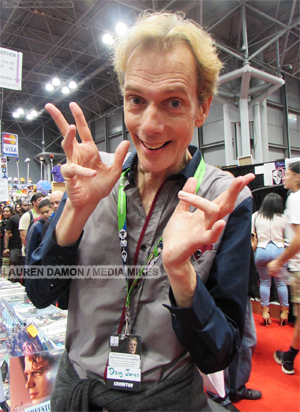
NYCC: Doug Jones on Crimson Peak and Hocus Pocus

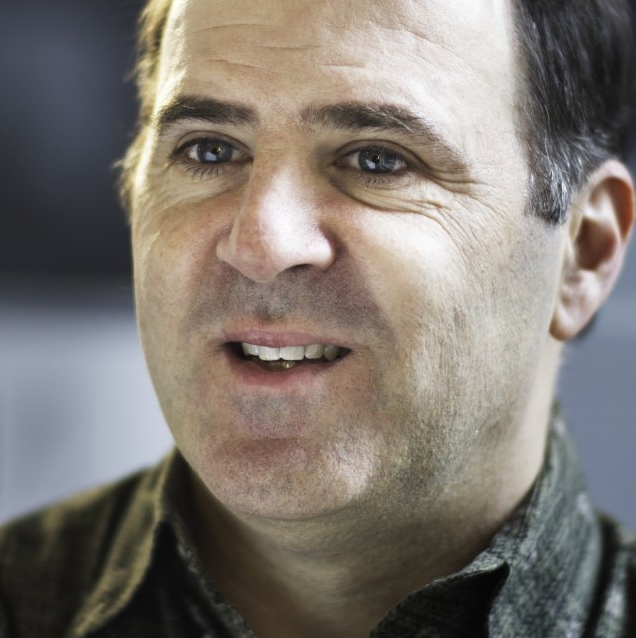
Doug Jones is one of the busiest performers in Hollywood, but he’s often hard to spot under creature makeup. In the Hellboy series he played Abe Sapien, while in Pan’s Labyrinth he played the alluring Faun and completely terrifying Pale Man (You remember the one…big bloody hands, eyeballs in the middle of them? Yeah. He’s actually a super nice guy!) Both these projects saw Jones collaborating with director Guillermo Del Toro, a successful pairing that will be returning to movie screens this Friday in the gothic horror romance, Crimson Peak. Jones will once again be deep under cover as two of Peak‘s resident haunts. The film is holding its NYC premiere today and I caught up with Doug this past weekend at New York Comic Con to discuss his ongoing collaboration with Del Toro and, seeing as it’s the Halloween season, the enduring appeal of the Disney classic Hocus Pocus in which Jones was the benevolent zombie, Billy Butcherson.

Lauren Damon: How many films have you done with Guillermo Del Toro?

Doug Jones: This is my fifth feature film with Guillermo Del Toro, Crimson Peak is, but I also am a recurring ancient vampire on his TV show, “The Strain”. Then there’s more in the works for other projects coming down next year too.

LD: What was your first project together?

DJ: Mimic. I worked a couple days doing reshoots as their long john bug creatures that took over the New York subway system. You know, as they do! [laughs] A big cockroach will do that. And then that was five years before–that was 1997–and then in 2002ish is when I got a call about Hellboy one. And that’s when our relationship was really cinched in. From working on that. And then he came back around to get me for Pan’s Labyrinth and then after that Hellboy 2, and then after that we had plans for me to be in The Hobbit when he was directing that but then he had to pull out. So I was gone too. Had plans for me in…that HP Lovecraft story, At The Mountain’s of Madness, then that ended up not happening either. So we had a couple near-misses, and then Crimson Peak came along and he threw me in there as couple of his ghost ladies. I’ll be the first ghost–I’m the mother ghost and the bathtub ghost. It’ll all make sense if you’ve seen it.

LD: Now when you see the part are called “Mother ghost” and “Bathtub ghost”, are you just like “What??”

DJ: It’ll make sense, I promise! [laughs] 

LD: Do either of these ghost have particular quirks that you can talk about?

DJ: Well first of all playing ladies was interesting. And the other lady ghosts are played by Javier Botet–another tall skinny guy from Spain. He was the mother–or Mama ghost– in Mama. And so between he and I, Guillermo likes tall skinny guys playing women, apparently! So we’re gonna do that.

LD: Now are these characters actually on set or added in post-production?

DJ: No I was on set, filmed it on set. They probably had CG people –like the visual effects people were on set to supervise a couple of moments because, as you saw in the trailers, the ghosts are kind of see-throughish. So we’re kind of like made out of vapor yet we were filmed practically on set.

LD: Speaking of tall skinny guys in the film, how was working with Tom Hiddleston?

DJ: Taller than I expected! Yeah when I met him, I was like “Oh my gosh!” But oh yeah, delightful. Now we only brushed by each other briefly in one scene, had a near-miss. But Mia Wasikowska was my main focus. Both my characters interacted with her almost exclusively. But someone asked me recently–because Tom Hiddleston has quite a following as you know…so you might appreciate this question–Someone asked me recently in an interview ‘What does Tom Hiddleston smell like?’ Isn’t that precious? And you wanna know! Cause when I met him, I hugged him hello, he’s a very sweet guy, he’s very very accommodating and very sweet. Now mind you, when I met him I was dressed and made up in a five hour makeup job as the Bathtub ghost, my face is covered with latex foam rubber so unfortunately he smelled like latex foam rubber…because everybody did that day to me.

LD: Now, have you seen the completed film?

DJ: I have not yet. I am gonna see it when you do. I was going to be coming back here to New York for the premiere [today] but…I’m filming Quiji part 2 out in LA so I have to be back for filming. So I’m like, ‘ahh! curses!’ Yeah.

LD: Now moving on, last month I was in Walt Disney World where their Halloween party is Hocus Pocus themed…

DJ: Isn’t that wonderful? I know, I saw a clip of that! Yes!

LD: Why do you think that film has caught on and has such life now?

DJ: I don’t know the whys, I’m just very happy that it does. That it has any life. I think…it’s family-friendly, that always sells, it’s Disney, that always sells, it’s Bette Midler, she always sells, right? And it’s—the witches are not glorified, it’s a good winning over evil story told with lots of humor, lots of visuals and it’s timeless. The styling of the film even, it still holds up today…so it can go on and on. I think it’s only grown in popularity over the years instead of fading like most movies do. So I’m very tickled pink about the home video market. I’m tickled pink about the ABC Family Channel running it multiple times every October and its become like the Wizard of Oz. It’s a sit down event film that the family gathers for so now our original fans are all grown up and have kids of their own. so the audience is only getting broader and broader every year. So I’m very happy. I did not expect that.

Crimson Peak opens this Friday, October 16thYou can read my review here.
Thanks to Doug for taking the time at NYCC to speak with me! 

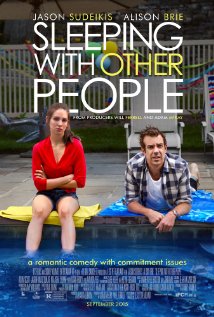
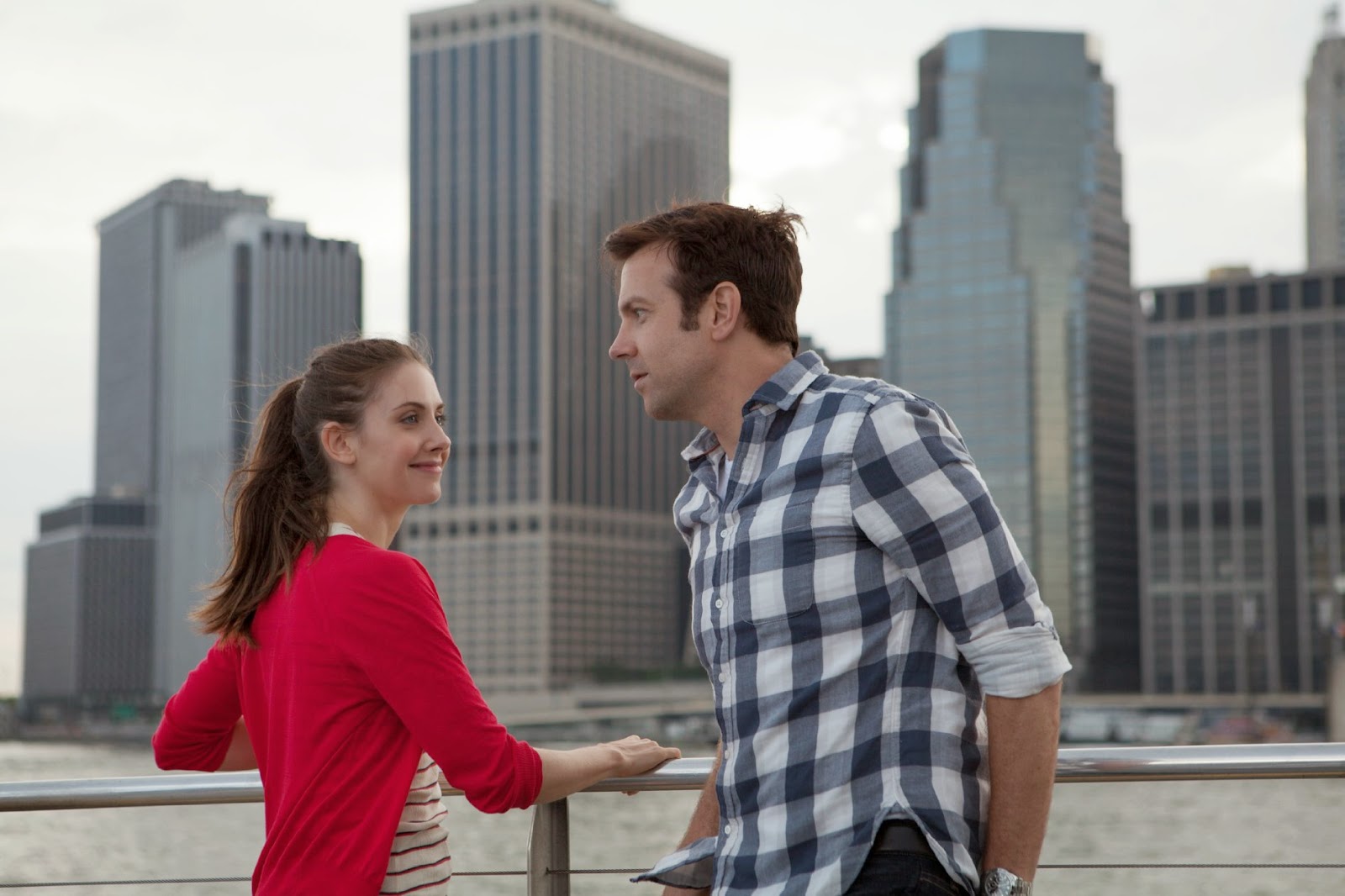
Writer/Director Leslye Headland talks about her latest film “Sleeping With Other People”

Writer/director Leslye Headland is best known for her work on the television series “Terriers” and her directorial debut, the film “Bachelorette.” She also adapted this past spring’s film, “About Last Night” from the original Tim Kazurinsky and Denise DeClue script. Her latest film, “Sleeping with Other People,” has earned nothing but great reviews since it played at the Sundance and Tribeca Film Festival. With the film getting ready to open nationally, Ms. Headland took the time to speak with me about it and what she has planned for the future.

Mike Smith: Where did you come up with the story for “Sleeping with Other People?” Is it based on somebody you knew?
Leslye Headland: Usually when I write I’m writing about a combination of things that are going on in my life. Usually it starts with a question I ask myself. My first film, “Bachelorette,” asked if women are still trying to get married. Is that still a goal we worry about? And is it a worthy goal? Is that something that we actually want or is it just something we’ve been pursuing for so long and so often that we’ve been told it’s something we deserve. But to take it to the ridiculous. On this film the question I was asking myself was, “Is it really possible to fall in love? To REALLY fall in love?” The way we long for. John Cassavetes said that we need love like we need food, water and air. We just don’t know how to get it. That’s really where it sprang from. Can we make a romance that’s very real and funny and touching and scary and stupid? All of the things that romantic relationships are.

MS: For lack of a better word, I found the film to be very “adult,” in the vein of “Bridesmaids” and “Trainwreck.” Yet, like those two films, though it’s “adult” it’s also very realistic. Is that something you strove to show? The “honesty” in how some relationships are?
LH: I guess so. What I really wanted to do was make sex less of a reward or a bodily function. It’s usually shown as one or the other. I wanted to portray sex accurately. It’s very weird. There’s always something going on between you and the person you’re having sex with. I wanted sex to actually be another character in the movie, not just a thing they were doing. I wanted to showcase the sex almost as set pieces. We choreographed and story-boarded those scenes almost as if they were dance numbers. There was a lot of thought put into how to represent sex within the movie. I think that was really the goal.

MS: You’ve put together a great cast. I’m just outside Kansas City and we see Jason Sudeikis’ mom at screenings often. I was really impressed with Adam Scott. This is really a change-of-pace role for him. Did you have him in mind when you were writing? Do you write your characters with certain actors in mind?
LH: I don’t write the part FOR the actors, but I do have ideas on who and how I’d like the role played. I wrote the part of Jake for Jason. I do write them with the hope that a specific actor will do them. I ask them if they would be interested. I mentioned the film to Jason before I started writing and he said that it sounded interesting. We hung out some and talked about romance. We talked about our own personal feelings. He’s obviously found love. He fell in love with Olivia and they have a child now. (NOTE: Jason Sudeikis and Olivia Wilde are the proud parents of a little boy named Otis). I’ve settled down now with my partner. So we pretty much just sat down and talked about our dating years. Getting back to your first question, it never even occurred to me to cast Adam Scott. I mean I love him and he’s one of my favorite actors but it just never occurred to me. I mean, the character is just so evil, and Adam is just so nice. But I also think it takes an actor that good to BE that bad. He and Allie (Alison Brie) had worked together on something and he saw the script. He asked me if I had cast the role and I told him I hadn’t. “Would you like to play it? I’d love you to play it.” He said he really wanted to play a bad guy. And that’s why we had him grow the mustache. We really wanted him to be unrecognizable.

MS: The film has already won raves and awards, including from both the Sundance and Tribeca Film Festivals. Does that help you in preparing for your next film?
LH: Oh yeah! It’s funny, I’m just finishing up my next script now and we’re going to be going out with it soon. I hope it does. My next script is in a totally different genre’. It’s a thriller. I appreciate the accolades but I wonder if it will make the next film hard to sell just because it’s NOT a comedy (laughs). It will be interesting to see what happens. I hope it goes smoothly. I’ll keep you updated!


Related Content

Keith Miller talks about new film “Five Star”

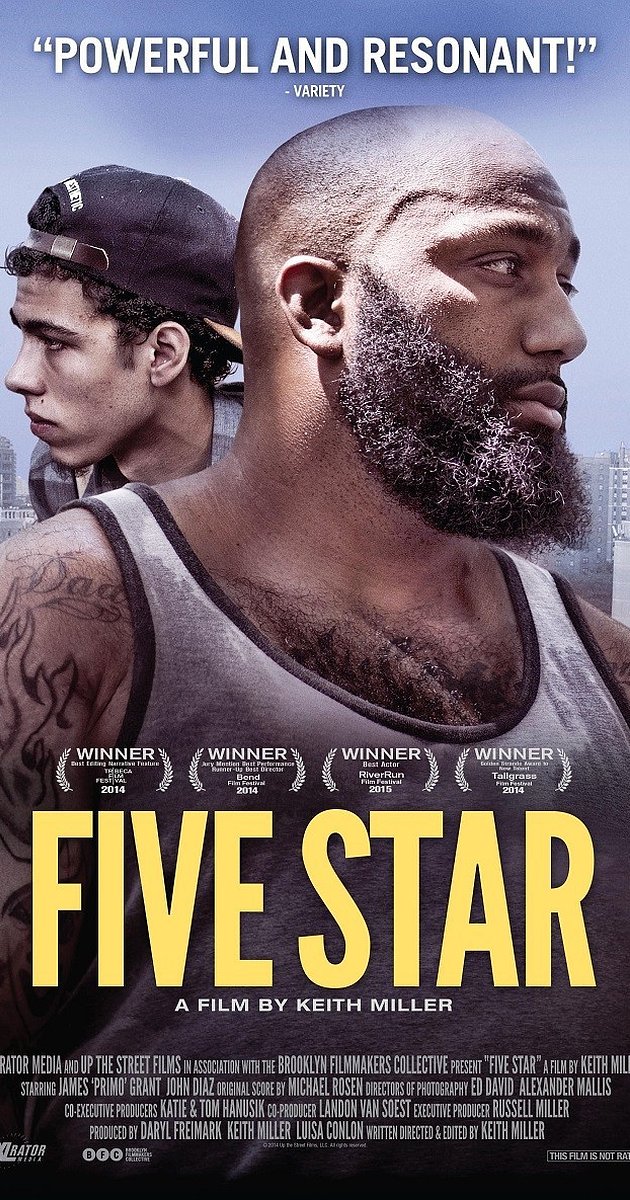
After almost a decade as a short-film maker, director Keith Miller hit pay dirt in 2012 when his first feature film, “Welcome to Pine Hill,” was either chosen, or nominated, as Best Narrative Feature at film festivals from Atlanta to Tribeca. With that history behind him, fans were ready for his next film, the gang drama “Five Star,” which again earned Miller acclaim both behind the camera and for his editing. Not to be outdone, he also wrote the screenplay!

Currently playing in New York City, the film opens today (July 31st) in Los Angeles and will be available on VOD and iTunes beginning August 4th. While promoting the upcoming release, Mr. Miller took time out to talk about “Five Star.”

Mike Smith: How did you conceive the story of “Five Star?”
Keith Miller: I wanted to tell a story about manhood, and what it means to be a man. I met Primo (Primo Grant, the star of “Five Star,” is a former member of the Bloods street gang) and we did a one-hour, on-camera conversation. We hung out a bunch of times and got close so I decided to tell a story and use a lot of the details from his stories. So that was the origination of setting the story in that locale and with those specific figures.

MS: A majority of the cast, Primo among them, are not professional actors. Was that something you looked for when casting…trying to gain more realism?
KM: Yes, definitely. There are a couple people in the film who are actors but the goal of the movie, and an important part of the decisions I make to heighten the realism, is my shooting style. The lighting…the choice of locations…and definitely casting. I want it to feel like the audience is actually visiting the places I’ve imagined and are being introduced to them and the people there.

MS: Because of Primo’s past was there ever a time he felt he needed to correct something in the script…maybe disagree with a line or a situation?
KM: Rarely. There was one point where we talked about him getting mad and mentioning his work with his family around and he said he wouldn’t do that. He wouldn’t talk about work at all in front of his kids. There were also small things in other scenes that, to him, didn’t feel right, but it was really no different than working with any other actor.

MS: You mentioned trying to achieve realism. The film almost has a documentary feel to it. Was that an intentional decision on your part?
KM: Yes. The inspiration for the movie is a lot of what I would consider “realist” movies from the past five years or so and also a lot of observational documentaries. Movies that really made you feel like you were experiencing something from the inside. I wanted the camera and the look of the movie to feel as non-judgmental and intimate as possible. I thought that if it were locked down on sticks…on a tripod…it might be more cinematically recognizable but also that it would feel more staged. And I didn’t want that. Also, two of the four camera operators I used shoot mostly documentaries and I really wanted to work with them.

MS: What else do you have coming up?
KM: I’m working on a comic web-series that was written by a friend of mine, Chris Poindexter. And I’m working on the script of my next feature, which is still in the early stages. I’ve got a long way to go!


Related Content

Ryan Reynolds talks about his latest film “Self/Less”

3

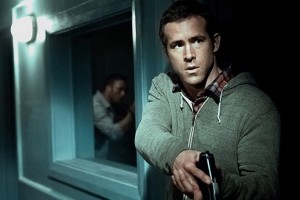
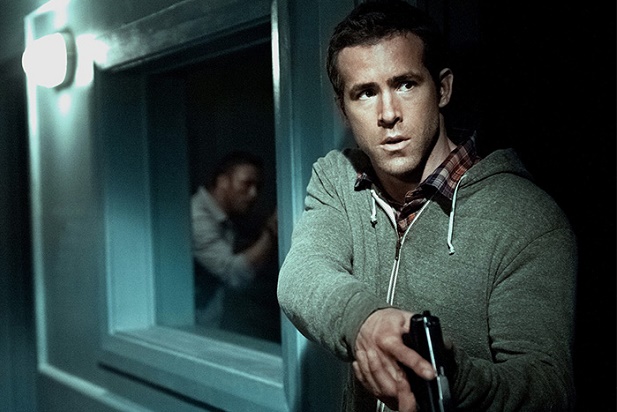
3Ryan Reynolds stars this week in Gramercy Pictures’ new sci-fi thriller Self/Less from director Tarsem Singh (The Cell). Self/Less revolves around a dying billionaire named Damian who’s initially played by Sir Ben Kingsley before he undergoes a groundbreaking procedure to place his mind inside a younger, healthier body. Ryan Reynolds’s body to be precise. Secretive underground sci-fi operations generally not being on the up and up, Damian finds himself fighting to find out the origins of this new body while on the run from people behind the shady organization. Assuring us that he was himself and not Sir Ben, the future Deadpool star sat down in New York to discuss the film as well as some other acting aspirations (hint: let’s let the man be evil for a change!)

What attracted you to this film?
Ryan Reynolds:
As I’ve gotten older–and I guess I can say that now–I kind of, it’s about working with people you want to work with. And Ben Kingsley had signed on before I was involved. And Tarsem, I remember being so taken with Tarsem’s The Cell. A film which I thought was incredible and of course, Sir Ben and basically everything he’s ever done so…I was just kind of excited to get in the sandbox with those guys.

How familiar are you with the actual research that people are doing regarding this concept?
Reynolds:
A little bit, I read some stuff on it–there’s actually some compelling science that would suggest that this is something that we could actually achieve…I find it disturbing, actually. I find the whole concept of it disturbing to so abuse this first life and privilege that we have that we would be as arrogant to ask for a second one. It raises all kinds of questions. For some people it raises a theological argument, for some people it’s just a moral issue, for some people it just sounds awesome. So you know, it just depends. I remember when we were scouting for locations for the movie, we met a couple of billionaires here in New York because we were interested in borrowing their penthouse for Ben Kingsley’s character you know, because he’s a billionaire. And every one of them said “is that possible?” [laughs] You know and you just think ‘wow, you really, you would do that, wouldn’t you?’

Did you meet with Ben Kingsley, since you’re playing the young version of the same character even though you don’t share scenes together?
Reynolds:
Yeah I met him. Yeah. I actually spent a lot of time with him. It wasn’t so much that we were shooting together, we had one scene together, but he was around quite a bit. And you know, I would just hang out with him, we had lunch a couple of times. He’s amazing. He’s just an amazing person. I really think he’s kind of like a skin covered nuclear reactor. I mean I’ve never seen a guy with that kind of intensity. He’s got something blowing through him that’s otherworldly.

Lauren Damon: How was it playing against Matthew Goode who’s really playing one of those Archetypal British Villains?
Reynolds:
Well, he British. It helps. [laughter] But yeah the Brits are to me, you know, they embody great dry comedy. But certainly there’s a perception that villainous behavior goes in tandem with being British…Yeah, he brought a great screen villain into the mix for us…He is really remarkable. It’s also great because he’s kind of a leading man type of guy and you know, that’s important. I always think–my dream role is to play a villain. I still, to this day, I haven’t had the chance to play like a proper you know, on screen villain. The Voices [2014] I play sort of a nefarious bad guy, but he doesn’t believe he’s a bad guy so I can’t wait to do that some day. Because that’s just, I love villains because villains never ever ever ever feel like villains to me. I would love to do a villain role because I would play every line like he’s the hero. Because in real life that’s what villains are. Villains are just people with opposing convictions, not necessarily people that wake up in the morning and go ‘I need to kill someone.’

Why do you think you’ve not been asked to play a villain?
Reynolds:
I don’t know. That’s a good question. I don’t know. I also just think that Hollywood tends to cast villains–they tend to cast people that seem like villains…And I don’t know why they do that. I think like–I would prefer that they take somebody who doesn’t necessarily strike you as a villain and make them the greatest onscreen villain to ever happen. So I don’t know. I would love that opportunity though. I mean I look for them, I always look for them. But typically it’s in the writing–you read them and you’re like ‘oh well he’s written like a villain’ that’s why I don’t want to do it…You know, he’s talking like a ‘bad guy.’ I don’t think villains are like that. I think that villains talk like they’re the hero. You know, if you look back throughout history and you think of some of the greatest, you know, most awful human beings and the people that truly did the most damage, they believed in what they were doing. And that’s why they did the most damage. So like that to me is interesting.

LD: Shooting this and then also being Deadpool, a basically unkillable character, did you find yourself giving more thought to the concept of immortality, whether you saw it as a good or bad thing?
Ryan Reynolds:
I don’t know who would want to–to live forever, I feel like that’d just be a sentence. It would be kind of awful. I would not want to, I wouldn’t want to do that. But yeah, as a theme, it’s kind of been around lately for me…I think for a lot of people that’s wish fulfillment and in this film, I think Self/less they kind of tackle it in an interesting way. There’s a real moral argument there. There’s something, it’s a lot to with a class system. There’s a guy who uses his influence, power and money to acquire something that no other human being could really acquire. And to use it in such a way that is not necessarily altruistic but kind of disgusting, that’s the moral journey that he’s on and I think that that is what also derails him. And I found that to be kind of interesting.

LD: Are you going with Deadpool to Comic Con? And do you think you would brave the show floor whether in disguise or not?
Reynolds:
Oh yeah, we will have a presence at Comic Con for sure. Yeah, I’d love to go on the floor…

LD: Deadpool’s really covered, you could do it.
Reynolds:
Yeah I could! But if I wear the actual Deadpool suit from ten miles away, you’ll know it’s me. Because it’s the actual Deadpool suit, which I think is a feat of engineering. No cosplay looks that good. So I don’t know, maybe I’ll go in a Hulk mask or something.

Self/Less opens Friday July 10th
Deadpool is scheduled for release February 16th 2016

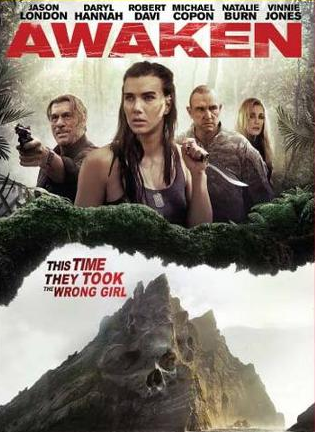
David Keith talks about his latest film “Awaken”

There are some actors who, when you first see them, they stick with you. The first time I saw David Keith on screen was when he played the young Army PFC that spends some time with Bette Midler in “The Rose.” Next for me was his role as Robert Redford’s fellow prisoner (and eventual right hand man) in “Brubaker.” But it was his role as Naval Pilot Candidate Sid Worley in “An Officer and a Gentleman” that made not only earned him two Golden Globe nominations but stardom.

Since then he has had high profile roles in both film (“Firestarter,” “Heartbreak Hotel,” “Major League II”) and television (“Flesh and Blood,” “High Incident,” “The Class”). I had the great opportunity to meet Mr. Keith in 1993 on the set of “Major League II” in Baltimore and a nicer, more down to earth person I’ve never met. Especially at 11:00 at night on a cold October evening at Camden Yards.

This week, Mr. Keith’s film, “Awaken, co-starring Daryl Hannah and Jason London, arrives on DVD. Mr. Keith recently spoke with me, with that soft Tennessee twang, about his latest role, his work preferences and feeling much better, thank you.

Mike Smith: Give us a brief introduction to “Walsh,” your character in “Awaken”
David Keith: He is a black market organ harvesting surgeon on an island where some bad people are kidnapping people, making them live in the jungle so they can clean out their systems and then harvest their organs for wealthy people who have loved ones who need an organ transplant but don’t want to wait in line for them.

MS: What, if anything, attracted you to the project?
DK: The producer and co-writer (Natalie Burns) is a friend of mine. She asked if I would come do a role for her. I said “yes” before I read the script.

MS: You seem to work equally between film and television. Do you have a preference?
DK: If I could be stuck in one job for the next ten years it would be in a situation-comedy. That is the best medium because it combines the best of theater and the best of film. When you do a play on Broadway you have to sign a two-year contract, but you get sick of it after about three months when you’re doing eight shows a week. When you do a movie, you never shoot anything in order. There’s no audience. There’s no real feeling of the project as one piece like there is in theater. In a sit-com it’s like doing a different play every week. You’re the same character but you’ve got new lines – new scenes – new things to do each week. And the hours are tremendous work – about four to six hours a day – five days a week, instead of fifteen hours a day, six days a week on a film. So sit-coms are my favorite medium. And “The Class” is my favorite sit-com that I’ve ever been on.

MS: You’ve directed in the past. Any intention of getting back behind the camera again?
DK: Yes, but only under my terms. Those were not great directing experiences – I didn’t have the control I needed. I did the best I could with what I had to work with. I have a script I hope to make. I had the money all in place years ago but then the guy who had signed the contract reneged on the contract. That script is still sitting in my drawer waiting for someone to come along and say, “let’s make this movie.” (laughs)

MS: What do you have coming up next?
DK: I don’t actually know what my next job is going to be. I had some medical issues – nothing serious, nothing to worry about – that kept me out of work for the last year. I haven’t worked in a year for the first time in my career.

MS: Everything is good now?
DK: Everything is good, yes. I’m healthy and ready to go. Now it’s up to my agents. I don’t live in L.A., I live in Tennessee. I don’t go to auditions. Somebody has to remember me and want me. (laughs)

Terry Dale Parks talks about roles in “Terminator Genisys” and “Maze Runner: The Scorch”

Terry Dale Parks has appeared in numerous television series and films. Some of his work includes appearances on “Homeland” and “Prison Break” to “Thor” and “Olympus Has Fallen”. Terry recently just finished work on “Terminator Genisys” and “Maze Runner: The Scorch”. Media Mikes had the chance to speak with Terry recently about his work on the two films as well as some of his other upcoming work.

Adam Lawton: What can you tell us about your work on “Terminator Genisys”?
Terry Dale Parks: That started off kind of funny. I had started out thinking I was going to New Orleans to work as that’s where a lot of the film was shot however at the last minute I ended up going to San Francisco. I do some stunts in the film as well as playing a character. The role I play is actually that of a guy who is in charge of one of the cybernetic research facilities. This was such a great film to work on. The thing Director Alan Taylor wanted to do was to make this film feel like the original James Cameron “Terminator” films. The film is sort of picking up where the originals left off. Having Arnold back in the film and getting to work around him was really a treat for me.

AL: What was your take on the “Terminator” series prior to working on it and how do you feel it fits in with the previous films?
TDP: I grew up with “Terminator” and the first 3 movies are really what I consider to be it for me in the series. Growing up in the 80’s and with that classic “I’ll Be Back” phrase that’s really where I see this new film fitting in. It really goes back to the originals. There’s a lot of heart in this film and it’s not just constant CGI effects. That’s the thing I loved about the original films was that all the characters had these dynamic relationships. Genisys has some great surprises and I think people are really going to like the film.

AL: You also are going to be appearing in “Maze Runner: The Scorch”. What can you tell us about that project?
TDP: I had never really heard about the first film. I ended up going to see the film one day not knowing what to expect and ultimately I found the film to be really interesting. What I loved about it is was how the relationship between the kids in the film developed. As the film went on it felt like they were this little family. So literally the next day after seeing the first film I got a call from my agent asking if I would be interested in reading for the film. I actually read for several different roles when I went in. I ended up landing a role where I am in charge of a facility where the kids are taken. I can’t really say much more than that. “The Scorch” literally picks up where the first film ended and it’s almost like watching your favorite Sci-Fi series and this is the next episode. What I found with working on this project is that the kids in the film have such a great relationship off screen that it seems to carry over to on screen. They are all great kids and it was a real pleasure working with everyone.

AL: You have a pretty extensive television resume as well. Do you find it difficult to transition between television and film roles?
TDP: There are long hours and hard work that go into both.  Sometimes when you are working on a television show you might be working on 4 different scripts which are being shot on a couple different sets all in one day. With a film you’re working on one thing so you are only focusing on certain scenes each day. With the television stuff I have to spend a little bit more time making sure I have everything set and am on the right page so to speak for each shot as like I said before a lot of times were working on multiple episodes at one time.

AL: Since were on the topic of television can you tell us about working on “Astronaut Wives Club”?
TDP: That was such a great and fun cast to be around. The show is going to be a 10 part mini-series on ABC. I think people are going to find this show very appealing as I think it has something that appeals to all demographics. For the guys the astronaut angle I think will be very interesting. At times the show also has a “Desperate Housewives” feel to it as it showcases a lot of the drama that these guys went through. When the ten episodes are up I wouldn’t be surprised if they don’t order more. It’s based off of a series of books so there are more options if they choose to continue on with it.

AL: Are there any other projects you have in the works that you would like to mention?
TDP: I did a project with Kyra Sedgwick titled “Big Sky”. That’s should be an interesting film that I think people will like. It’s definitely a thriller and also stars Bella Thorne and Frank Grillo. I am very excited for that to come out.

Dean Cain talks about new film “Vendetta” and “Supergirl” TV series

I first noticed Dean Cain when he appeared in a short arc as Brenda’s boyfriend, Rick, on “Beverly Hills 90210.” Yes, I admit I used to watch that show. The next year, 1993, everyone noticed Cain when he starred opposite Terry Hatcher in the popular series “Lois and Clark: The New Adventures of Superman.”

Cain is a product of Hollywood. His mother, Sharon Thomas Cain, is an actress and his adoptive father is director Christopher Cain (“Young Guns,” “Pure Country”). An outstanding college running back, Cain was signed by the Buffalo Bills but injured his knee in training camp.

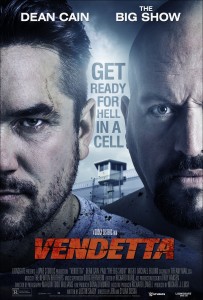
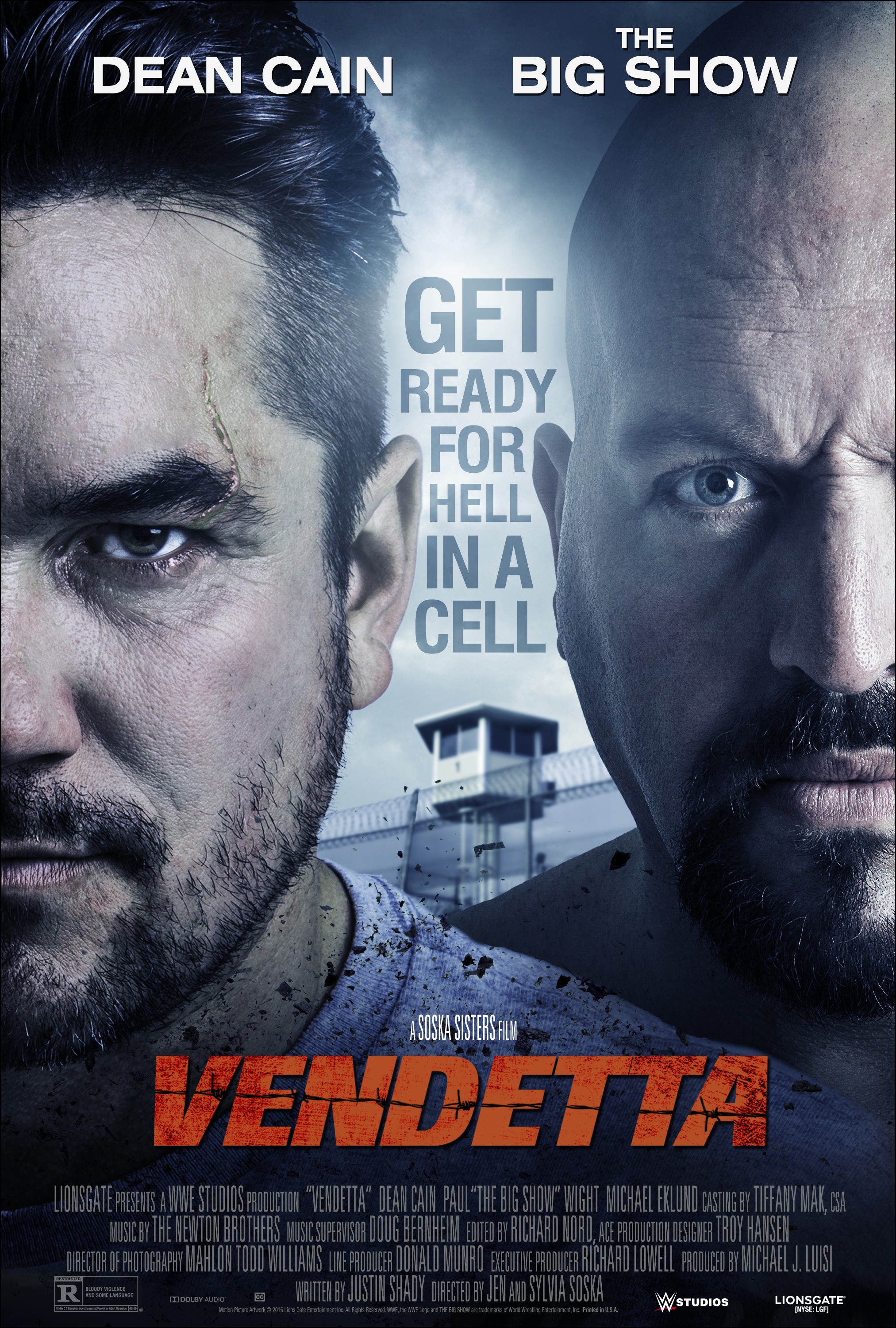
After “Lois and Clark” left the air he continued growing as in actor with roles on such shows as “The Division” and “Las Vegas” and in films like “Rat Race” and last year’s “God’s Not Dead.” This week, June 12, you can see him as a police detective who gets himself sent to prison in order to get revenge on the convict that murdered his wife in the new film from WWE Studios, “Vendetta,” directed by the Soska Sisters. And fans can see him throughout the television season in no less than three series, including the upcoming “Supergirl.” While shooting a new project in New York, Mr. Cain took time out to talk about his new film, his belief that “Supergirl” will fly and why you’ll never find him at a karaoke bar.

Mike Smith: What attracted you to the film “Vendetta”?
Dean Cain: The idea of someone just hell-bent on revenge in a really brutal movie to me is a no brainer! This character goes from good to bad and is hell-bent on revenge. And the other thing that really attracted me was that Jen and Sylvia Soska were directing it. They came highly recommended and they proved why they came highly recommended. It was so great to work with them. I hope they hire me again.

MS: It’s really a very change-of-pace role for you. Is that another reason you found it attractive?
DC: Actors always like to play different things. If the last film is a comedy you go do something that’s heavy duty with action. To me, the change-of-pace to play this character was great. I had been playing a character on the television show “Hit the Floor” for the past three years who’s a basketball coach and somewhat a womanizer. He’s a completely different kind of guy. So it was fun to put on the brass knuckles and get down to the nitty gritty without a doubt.

MS: Is there a role out there that you’d really like to play but no one has ever offered? Is there a musical out there with your name on it?
DC: (laughing) If I’m in a musical, that could mean the end of my career. I just cannot sing. I don’t have it. And I’m not being humble, I’m being very truthful. That is not a good look for me. If anyone even liked me remotely they wouldn’t after they heard me sing. I’ve done a Western I really enjoyed…I’ve played a lot of police officers and soldiers. I’ll play anything that tickles my fancy. I certainly don’t want to be married to just one type of character. I have two series on the air now that I play very different characters. And I host a new show called “The Masters of Illusion” on the CW that starts in a couple of weeks. On “Hit the Floor,” as I said, I play a basketball coach who’s a womanizer and in “Supergirl” I play Supergirl’s foster father, who’s a scientist. So I’m getting to try my hand at a little bit of everything.

MS: You recently wrote and directed a short film called “The Red Pill.” Do you plan on concentrating your career more on being behind the camera?
DC: I like working both in front of and behind the camera. That was a project that we put together for a competition, so we had very specific things we had to do and conform to. They asked me if I was interested in joining in and I readily agreed. That was fun. I’m finishing writing a script right now…a family project that will be fun to watch. I’d be very happy to co-direct. That would be fun. The thing about filmmaking is that you never have to choose one over the other. But directing is hard work. Acting is pretty much easier. You play your character and you can leave. You’re done. You get to move onto something else. But if you’re the director, you’re the last one out. You get to think about the project all day, all night, all the time. You have to put the thing together. There’s so much work. I’ve watched my father do it. I enjoy it but right now I don’t have the time to focus.

MS: Since you mentioned “Supergirl,” is Fred Danvers, Supergirl’s adoptive father, going to be a recurring role?
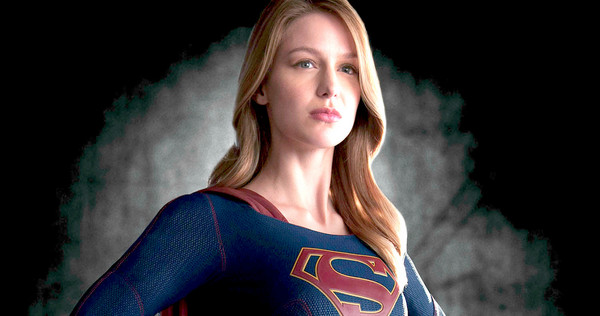
DC: Absolutely. Absolutely. I’ll be in the show as much as the producers want me. That will be a blast. I think the show is going to be a super hit. I think it’s going to be fantastic. Melissa Benoist is amazing. And if America isn’t already in love with her they soon will be. She really does a great job in the role and she’s perfectly suited for it. I think it’s going to be a smash hit. It’s very female-empowering. And it’s also fun. It’s funny and enjoyable in the same way that “Lois and Clark” had nice humor and some romance, this has all that. The same vibe. I think it’s going to catch on and do very, very well.

MS: How have the visual effects changed in the two decades since “Lois and Clark?”
DC: Man…the visual effects now are on a whole different scale. It’s amazing. It’s amazing what they can do on a television budget, because it looks like it was done for a giant feature film. The amount of effects just in the pilot episode are ridiculous. They are now able to do things so much quicker and better than we did without a doubt. It’s night and day…night and day differences. She looks cooler when she flies. Everything is cooler and better.

MS: You mentioned the film that you’re writing. Do you have any other projects planned?
DC: Oh, always (laughs). I can never just do one or two things. I’ve got the three series we talked about. And I’m just finishing shooting something here in New York that I can’t talk about yet. I’ve got a few other things but nothing I can talk about yet. You’ve got it all covered for the time being.

Michael Madsen talks about “The Hateful Eight” and the possibility of a “Vega Brothers” movie

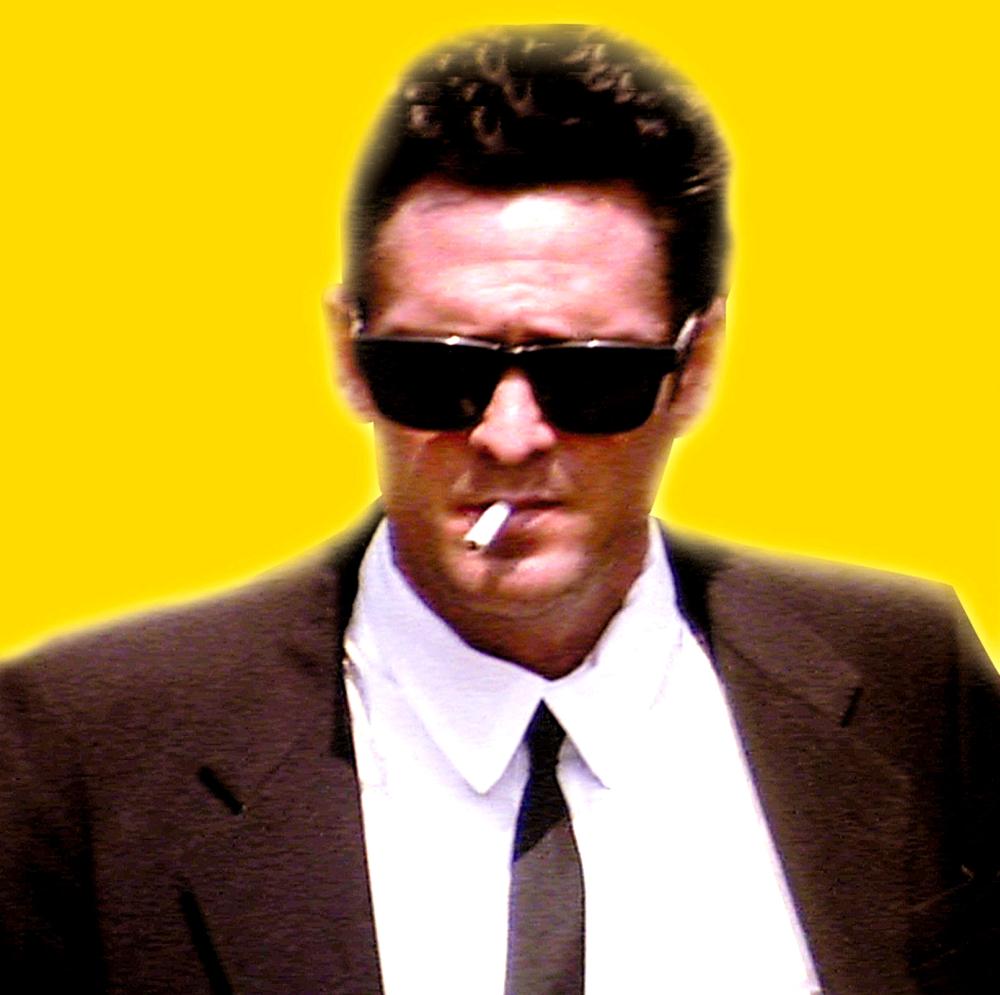
Michael Madsen is the rare actor who can give the “bad guy” enough of a heart that moviegoers often root for him instead of the hero. In films like “Reservoir Dogs,” “The Getaway” and “Kill Bill, Volumes 1 and 2,” Madsen is the bad ass that the audience loves. Not that he’s always bad. He’s shown a softer side in many films, among them “Free Willy” and “Wyatt Earp.”

I spoke with Mr. Madsen about, among other things, his seemingly busy schedule, his dislike of the Internet Movie Database, the upcoming Quentin Tarantino film “The Hateful Eight” and whether or not a “Vega Brothers” film is still a possibility.

Mike Smith: I see you’re slated to play Vegas gambling mogul Ted Binion in an upcoming film. How did that come about?
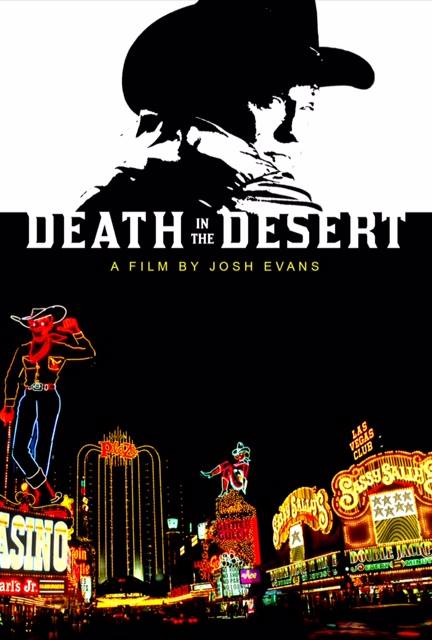
Michael Madsen: The film is going to be produced by Robert Evans and directed by his son, Josh. Ted was part of the family that owned the Binion Casinos. He wound up getting hooked on drugs and ended up with a dancer and….well, they went a little crazy. He would go out and bury silver in the desert. The film is based on the book “Death in the Desert” and we shot it earlier this year in Las Vegas.

MS: You always seem to play the tough guy. Even in an early film, like “The Natural.” Your character, Bump, was a hard ass. Do you ever just want to do an out and out comedy?
MM: I’ve done a little bit. I did “My Bosses Daugher” with Ashton Kutcher…that was pretty funny. And I did a picture called “Lumberjack Man,” which hasn’t come out yet, where I play a kind of bumbling, Peter Sellers-type detective. I think it’s pretty damn funny. My comic genius hasn’t revealed itself yet (laughs).

MS: If you look at the Internet Movie Database it looks like you’re constantly working. When do you find the time to take a breath?
MM: If you look at the IMDB you would think that I was some sort of robotic machine. But the reality is that the IMDB is very, very unreliable. I would go so far as to say that they are irresponsible. There are a lot of things on there that are supposedly in pre-production and aren’t. A lot of things that are supposedly going to be released. They also mention films in which I only appear for ten minutes. I mean, in reality, no human being can make fifteen motion pictures in one year. So a lot of those are, I would say, questionable. I mean, the films that we’re talking about right now are the films I’ve legitimately done and are going to come out.

MS: I understand your frustration with IMDB. I have a few credits on there and one of them is that I hosted my own Canadian talk show back in the 1980s. I keep telling them it’s not me but they won’t listen.
MM: I’ve contacted them many times. I’ve said, “guys, it’s ME. It’s Michael. I’m telling you right now that that movie never happened, that movie was never finished, this is never going to come out…whatever the situation. And they tell me “well, it’s a public page.” And I don’t understand that. It’s kind of bewhildering…kind of irresponsible. It’s sad, you know, that they would put out information like that if it’s not true.

MS: Well, I think if they’re given the correct information they’re not only doing a disservice to their readers but to the people they’re talking about.
MM: Yeah. Then when I talk to someone like you asking me about the (25) pictures I’m in (laughs)…I have to defend myself and say no. I’d hate to think that some people were thinking about making an interesting film and they were thinking of Michael Madsen so they go to the IMDB and go “Holy Shit!” They’re not going to call me. It’s almost interfering with my work, them putting all of this stuff in there.

MS: You’ve voiced a few video games. Is there a difference in the acting process you use as opposed to films?
MM: Well, first off you don’t have to shave and you can show up in your pajamas. I would imagine Martin Sheen probably has a recording studio in his house. If I was him I sure would. Video games and voiceovers aren’t easy. You do have to be at the top of your game. You have to record each line several times. It does take four or five recording sessions, each of them lasting five or six hours, but in the end, some of the games are pretty interesting. People like them. I enjoy them. I really do.

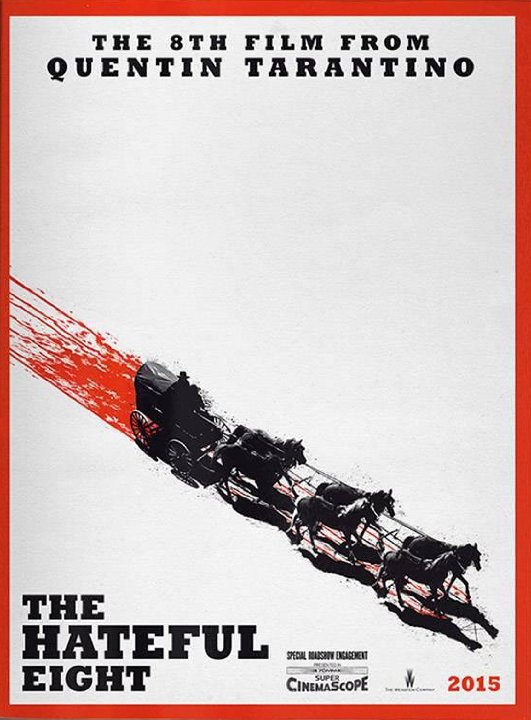
MS: What can you tell us about “The Hateful Eight?”
MM: I’m a cowboy…a cow puncher. It’s a western that takes place on a mountain in the snow just after the Civil War.

MS: Since we’re speaking about Quentin, has he ever discussed with you the possibility of a Vega Brothers movie?
MM: We’ve talked about it many times. I think that over time the story would have had to change. I recently met John. Believe it or not, I had never met him. I met him at the Cannes Film Festival last year. I was there with Quentin and they did a screening of “Pulp Fiction” on the Majestic Beach, outdoors. It was pretty exciting…a great evening. And I met John. And I tell you, when the two of us were standing there next to Quentin…I think in that moment it might have become more of a reality. I think the Vega Brothers might be more of a reality. But that would be a question for the man. That would be a question for Quentin.

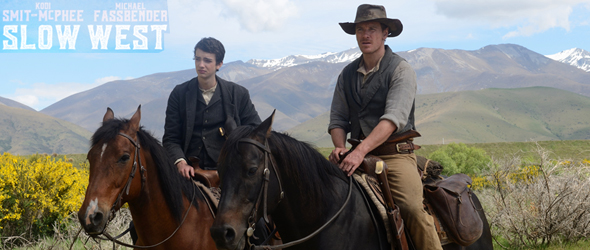
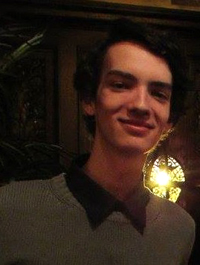
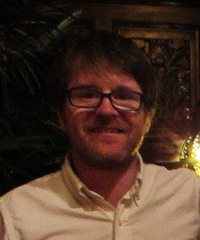
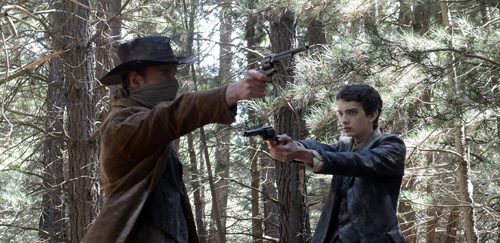
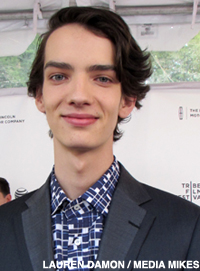
Kodi Smit-McPhee and John Maclean Have An In-depth Talk About ‘Slow West’

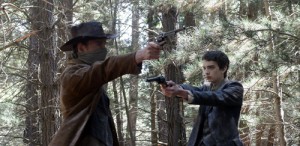
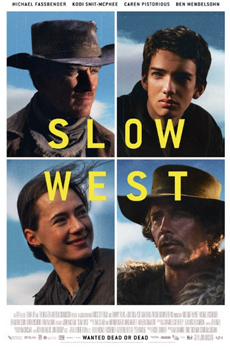
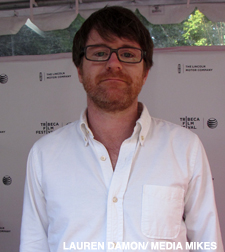
Last month John Maclean’s Slow West had its New York debut at the Tribeca Film Festival. The film has since been available from DirecTV but the visually striking drama (read our 4-star review here) can be enjoyed on the big screen in its theatrical release as of May 15th. I sat down with director Maclean and star Kodi Smit-Mcphee (Dawn of the Planet of the Apes, next year’s X-Men Apocalypse) one rainy afternoon during the fest at New York’s Bowery Hotel to discuss more in depth the creation of the Michael Fassbender western.

Lauren Damon: John you actually got a degree in art and painting, did that inform your visual development of the film?
John Maclean: I think practically 100% of it in a way. Because it’s all connected and when I was making–when I was at art school I was doing a lot of collage which is pretty close to montage. And when you do look at really early early cinema, they’re so closed linked, you know. There’s cinema and films, paintings, then you have surrealists making films and Dali making films.
Kodi Smit McPhee: I love his films, so cool.
John: Yeah and Buñuel, do you know Buñuel’s stuff?
Kodi: No
John: Luis Buñuel
Kodi: No, I’ve been looking for more surrealism…
John: Oh he’s the ultimate. I’ll give you some names.
Kodi: Please. I didn’t even know you’re a painter. That’s amazing.
John: I studied six years at art school, painting.
Kodi: Really? I’m getting right back into it now. Oh my god, I love it. I’m thinking of maybe doing surrealism in graphic design, I like that.
John: Yeah, I mean especially surrealism.

Lauren: Yeah, that’s definitely evident in having, you have scenes horses attached by a clothes line to dry their clothes in the wind, or Kodi’s character alone in the desert landscape–did you sketch anything out?
John: Oh, I sketched every single shot, yeah. So it took me about four weeks to storyboard it but yeah, heavily storyboarded.

Lauren: Kodi, just prior to this you were in Jake Paltrow’s Young One’s where your character sketched a lot too…
Kodi: Actually ironically in a lot of movies, I just realized…
John: Weren’t you drawing in Planet of the Apes?
Kodi: Yeah. Planet of the Apes, [All the Wilderness], The Road…
Lauren: Is that something you do on your own anyway?
Kodi: I did when I was younger and I only realize now that like my ego–
John: Did you actually draw in Planet of the Apes or did some production designer give you half a drawing to fill in? [laughs]
Kodi: [laughs] No, they gave me half of like an amazing masterpiece to help, and I’m like ‘Alright, so I’m just going to do my seven-year old rest of it.’ But yeah, I loved drawing when I was little and painting but then I just stopped because I thought that I was just doing the same as other people but I’m not, at all, you know?
Lauren: No, it’s always going to be different.
Kodi: You end up owning it once you master the craft. And then once you master the craft, which only your passion can get you through, you can then talk however you want in the arts.

Lauren: Going back to that image of the horses, how was it working with all the livestock in the film?
John: [Laughs] That was actually–that was a scene where the people on the film, I can’t remember what they’re called, are they called bond people? …The people on the film that sort of question stuff that maybe can’t be done were very concerned about that scene [Laughs] But that was one of the easiest.
Kodi: The clothes line, yep.
John: That was actually pretty straight forward.
Kodi: Yeah
John: I think some of the harder scenes were just like eight horses in a row, standing still. So yeah, there was no problems with the horses but there was problems with some of the riders. [laughs]
Kodi: It’s pretty interesting and funny when you’re trying to do just like a dramatic, still moment and the horse is like just moving around–
John: Or a silent moment and just [horse noises]

Lauren: Did you have previous experience acting on horseback?
Kodi: Luckily, I did. I did Romeo and Juliet in Italy a little before this and I was trained by a jockey so I was pretty set for it–
Lauren: So you’re ready to go fast if you wanted?
Kodi: Yeah I love horses and you can actually build a really unique relationship with a horse if you’re not scared of it. So yeah…I think my horse’s name was Zeke, it was beautiful.

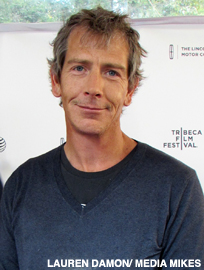
Lauren: I noticed when I interviewed Ben Mendelsohn regarding Silas leaving his gang that he seemed bit defensive of Payne, was this the remnants of anyone on set staying in character?
Kodi: We only had Ben for a tiny amount of time.
John: Yeah Ben was only around for three or four days of the whole shoot.
Kodi: If anything, he was just so cooperative just to try and get it done right.
John: I mean Ben had a really tough scene on the first day which was around the camp fire which, when I wrote the script I hadn’t realized that it was dialogue, silence, dialogue, silence, and there was nothing for him to be able to remember…Usually someone says something, you know someone else says something and it triggers you to remember your lines for the reaction. But there was no…Silas was just like [there].
Kodi: Yeah.
John: So it was basically like a massive monologue, so it was really really tough for him. And then after that was…all that in the field so that was much more fun.

Lauren: So he wasn’t ‘Payne’ on set?
John: No, because I never felt that it was that kind of film or it sort of merited that. Because it was, you know even between takes, it felt like the kind of film where the performances were supposed be kind of quite natural and very just action based so you know it very much just yeah…So it kind of felt like that wasn’t really needed. I think when you’re going into filming hand held digital for hours, someone being slowly destroyed in their mind and all that, you need to go in and out. I think the only time, I think Caren [Pistorious as Jay’s love interest, Rose], when she was at the ending–that I wouldn’t want to spoil–it was quite emotional for her, that scene.
Kodi: Yeah I was saying when it comes to the scenes within the story, you want to stay there. But when it’s obviously just like things like communication, I mean if anything it’s great to leap back into being cool with each other and communicating and kind of talking out the scene before you get back into it.

Lauren: When you read the script, did Jay’s love for Rose bring you back to any crush you’d had in your life?
Kodi: Actually I hadn’t had a lot…I mean now I have a beautiful girlfriend, but that’s only because I do relate to Jay in the way that I only want true love and I kind of see through the veil of all the bullshit in the world. And I was just kind of waiting for that, waiting for the right time and respected that. Yeah but nothing at the point of when I read the script, did it remind me of anything. But I love love. So yeah.

Lauren: Do you think growing up while making films kind of sheltered you from some of that sort of ‘bullshit’?
Kodi: Yes. Yes, absolutely. I mean it could have gone two ways and it could have actually thrown me into the bullshit if anything. It’s my journey, I believe, not just a coincidence that I was taken around the world and shown different cultures and yeah, just shown the state of the world. And it really planted a seed for an inquisitive mind.

Lauren: And you’re from Australia, but are you based in Hollywood now?
Kodi: I’m based in yeah, Studio City, kind still away from the bullshit [laughs]. It kind feels like a suburb type area so I feel pretty comfortable there. I’m there because of work, but I never work there. It doesn’t work out like that [laughs]. It’s cool.

Lauren: Was it nice for this film shooting in New Zealand, kind of closer to Australia?
Kodi: Yes, it was so beautiful and I was so stoked to be going back to New Zealand. I went there for two weeks when I was younger with my dad and I was, even really young, I knew I loved it so much. Everyone says that it’s one of the places in the world that mother nature’s still extremely present and that’s so true when you’re there. It’s just like another world, so beautiful.

Lauren: Were you familiar with Ben or his work as another Australian actor?
Kodi: Oh! Ironically, my father is an actor–he’s the one that got me into it when I was eight–and I lived in a place called Adelaide for, well before I was born, Ben Mendelsohn and my father actually did their first movie together.Well, my dad’s first movie. So it was just kind of weird to connect the dots like that. Makes a cycle.

Lauren: Did you dad visit this set?
Kodi: Yeah! He came to set and they saw each other and yeah, it was just cool to be in the middle of that, for sure. I felt a great connection and I told him, you know, I told him yesterday that even though we’re all the same sorts on the inside, he’s a huge inspiration to me, yeah, he’s a really cool person.

Lauren: Do you have any siblings?
Kodi: I have a sister who’s also an actress but configures more of her energy towards she wants to be a pop star…
John: How old is she?
Kodi: She’s twenty two and it’s been her dream since a child, so she’s really just embraced it. I completely respect her for that. And then I have a nine year old brother who is in Australia right now with my mum. And yeah, he’s a really cool kid [laughs].

Lauren: John, this being your first feature film, were there any assumptions you’d had that flew out the window as you moved from shorts to this?
John: I think just the mountain that I was about to climb. And I think if I’d almost known it, that I would have questioned doing it. You know, but you sort of break it down. So you don’t look too far ahead, you just look towards the week. So you’ve got the pre-production, and then you deal with that and then you’ve got the first day of shooting and you deal with that. Then you get into the rhythm of shooting and you deal with that. And then you finish and then you start editing, and then you do the music and the grading…So just the whole thing just is such–I’m kind of glad I did it when I’m a little bit older and a little bit more kind of…You know I speak to film students that want to make feature films and they’re like twenty and stuff…
Kodi: So eager.
John: Eager, yeah.
Kodi: I feel like I’m just waiting and there’s nothing I want to jump into yet.
John: Yeah, I think you need to…you need to just make short films, you need to read, you need to write, to learn and live. I mean some people–obviously you’ve got your Scorsese’s doing it when they’re six and stuff but I mean, for me it was just much more ‘Ok, this is the right time’ and it felt very comfortable and easy.

Lauren: Do you have a favorite part in all this process?
John: Shooting’s the best bit for me. Unfortunately shooting’s the shortest bit as well. You’re only really doing seven weeks of the shoot and the before bit is years and the after bit’s years. But really the buzz of being on set and the collaboration of being on set and the kind of routine of it, I just absolutely love.

Lauren: In an attempt to be a Michael Fassbender completionist, I couldn’t seem to find [their short film] Pitch Black Heist though.
John: No, I know. We’re going to try and get it out. It’s on the internet in Britain but it’s blocked in America, I know.
Kodi: Why’s that?
John: Because Film4 have got a licensing thing about it..It might come on DVD.
[writer’s note: Thank you, YouTube]

Lauren: Kodi, have you got ambitions to branch out in writing or directing?
Kodi: I definitely have ambitions but I think with wisdom comes the best recipe. So I’m literally just being the sponge that I already automatically am with this–not, immature mind–but this mind that’s still learning. And I just take advantage of it and yeah, taking it all as it comes. I know one day over there [pointing to John’s seat] I’ll have the great tools to express that.

Lauren: What do you think you picked up the most in working on Slow West?
Kodi: I–man, the most important thing for me in art is just like, I don’t know that new…like when someone does that thing that you love, that you want to do, it’s so inspiring. Because when it’s done right and it’s enjoyable and I don’t know. It really is what it is to anyone I guess. I can’t put words on it, I really can’t.

Lauren: Actually going back to John saying you had ‘The Mountain’ of your film earlier, I have to point out that you had The Hound from Game of Thrones in there, how long was Rory McCann shooting with you and how did he come to join your cast?
Kodi: He’s awesome.
John: He was absolutely amazing.
Kodi: He has the nicest heart in the biggest cage.
John: Yeah. And a great talent. He was in a bit of Scotland. We shot for a week in Scotland and he was there and then he came down to New Zealand and we had him for maybe one or two weeks in New Zealand, but it was great to have him around. He, I think Michael Fassbender suggested him because I was trying to figure out someone for the dad…
Kodi: Originally it was Rory for Jay.
John: [Laughs] Oh yeah Rory for Jay. Originally it was Michael for Jay [laughs]…Yeah, Michael suggested him and it was like [snaps fingers] wow.

Lauren: Had Michael worked with him before?
John: No, I think Michael had seen him in something that wasn’t Game of Thrones.
Lauren: Hot Fuzz? With his one line in that movie?
John: [Laughs] Yeah, again and again. But yeah, I loved working with him.

Lauren: And then how did you cast Caren?
John: Caren just it was tapes that were sent to me. She hadn’t done much, if any features. Her profile was pretty low and they were sending me a lot more experienced names and stuff and she was just–her tape was just better than anyone else’s.

Lauren: Kodi, did you speak much with her regarding your characters’ relationship in the movies?
Kodi: Beforehand? Yeah, I think it kind of stops at a point when you understand what’s happening. And that is just the whole heart in the wrong place idea. Which happens a lot in the world. But in this instance, it’s quite the colossal event. Because he has the ability to follow that vulnerable passion. So yeah, I think that kind of unfolds itself and then you get to put the ingredients in after you understand it.

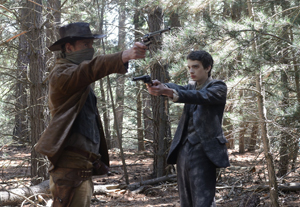
Lauren: Without going to much into spoilers, but this is a western so it of course it has a shootout in there, how was it filming that? And had you experience with weapons?
John: That was the funnest bit of the whole shoot for me. Because you really–It was towards the end of the shoot and we’re kind of running out of time so we’re ramping up the shot lists and it was really quite exciting actually. We got the guy that was doing all the firearms stuff, he basically was Peter Jackson’s guy for, since the beginning. So he’d done all the Meet the Feebles and all that kind of stuff so he was really amazing. He was really amazing with shooting stuff and he turned up with this huge high-powered air thing for a lot of the exploding everything. So everything was just shot. So we just shot the hell out of the place.

Lauren: Did you get in much gunplay?
Kodi: There was a little bit and I obviously had to be like safely trained how to use it correctly and stuff like that. But I didn’t really use it much in the movie and we wanted it to–when I did use it–look like I had never used it. So I kind of used that! [laughs]

Lauren: Coming up you’ve got playing Nightcrawler in X-Men [Apocalypse], are you entering into any sort of stunts training for that?
Kodi: I think, I mean I’m probably not allowed to say this, but I read the script and I don’t think there’s much physicality for my character as of now. Probably due to his laziness in teleportation [laughs] Which I love! So I’m not going to complain about that.
John: You’re working on your tail though? [laughs]
Kodi: I’m working on my tail stunts, trying to flick it into people’s eyes.
John: Trying to grow it as well…
Kodi: [Laughs] Yeah trying to grow it out right now. It’s like [‘this big’ hand demo]
Lauren: There should be a protein shake for that.
Kodi: Tail Protein Shake! That’s great.

Lauren: Do you have a favorite super hero of your own?
Kodi: The coolest thing is that I really never was into superheroes or comics or anything and I didn’t think as an actor of my physicality would have a chance to play one. But then after I just kind of started researching life and stuff like that, you see weird coincidences in life that you soon realize aren’t coincidences and this character is—his real super power I believe is he’s a great person. Or whatever he is, mutant. And he’s in love with faith and god and he expresses love to his other superheroes who are going through hard times and essentially I think his—Fassbender says in interviews that that’s what’s so intriguing about X-men or even Star Wars. Its idea, it’s got this mask on it but what’s under it is relative emotions so yeah I really can’t wait to get into that. It’s so , again.
Lauren: Yeah, like Kurt, Jay in Slow West does have that spiritual angle to him
Kodi: Yep and intellectual and has the seed to want to know about the universe and that is also a seed in and of itself that ends up just making you go back to yourself.

Lauren: Talking of the ideas in larger films, Slow West has a lot of small, very intense intimate scenes, for instance Silas just trying to calm down a woman holding a gun, what’s the inspiration for these?
John: I think it’s just there’s things like that and the washing line scene, when you’re thinking up what’s happening next, it kind of one thing leads to another and it seems like the only practical solution. So the only practical solution for Silas in that situation is to try and get Jay to calm down by saying breathe. And the only way for him to say that to Jay and bring him out is to pretend he’s saying it to the girl…
Kodi: I don’t mean to go so deep but when you have a mind like mine, and you’re reading a script and you see how cause and effect and laws literally work—Like, if you’re at one with truth, then everything just falls into natural light. You don’t have to pull anything from anywhere, it just naturally happens.
John: It’s a lot of practicality, like if you’re clothes are wet and you have to ride somewhere, then you make a washing line, you know? So you kind of—hopefully it was just all coming out of…pI think that’s how, it’s like not having to think of anything too surreal or witty, but just think more practical things and then you will happen to be, by nature, witty or surreal.

Lauren: I can’t help but notice that when it comes to Jay, he seems like an intelligent character and for him to trust Silas’s intentions when he offers help seems just sort of willfully naive.
Kodi: Yeah, I mean I think maybe not even because…it’s like a theory I have that you can rev your engine so much in first gear, but it’s not going to get to the second gear until it’s the right time…So I think that’s where he’s at. And that’s where nature works. It’s like no matter what, you can know as much as you want but if you’re acting from where you are, it’s only going to have equal effect. So yeah, I think it doesn’t matter how really smart he was, he’s always going to be immature in some way.
John: Yeah I mean I just thought that Jay was the kind of person that sussed Silas out from the first moment he saw someone that was lost and lonely. And he had such a perceptive view on when certain characteristics of people, or certain—but because of that detail, and because of that perception missed the huge big picture that [Silas is] a bounty hunter [laughs]. So you know, it’s like…he nailed Silas immediately with the lonely thing but missed out on the whole ‘I’m leading him to the bounty’.

Lauren: And finally, what’re you working on next?
John: Seeds of ideas that will start developing in the next few months into something. So yeah, I’ve a bit sort of enjoying the traveling and space before starting to write again.

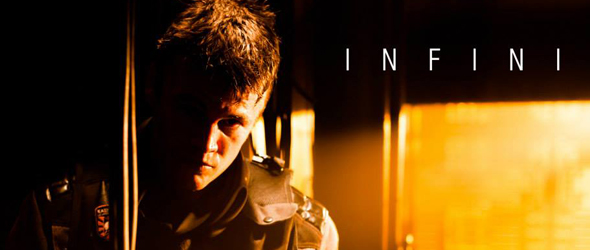
Luke Hemsworth talks about “Infini” and new HBO series “Westworld”

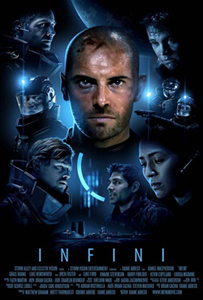
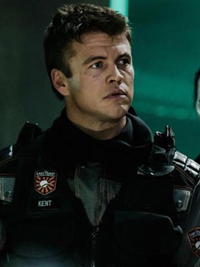
Shane Abbess’s new scifi thriller Infini finds a rescue team on a mission to save the lone survivor of a biological outbreak on an abandoned off-world mining facility. The teleporting team all have to deal with the ominous confines of the station and each other once the contagion breaks loose. Luke Hemsworth stars as part of the team, technician Charlie Kent.

I spoke to Luke last month regarding his previous film Kill Me Three times and was pleased to get on the phone with him once again. The cheerful Australian actor was excited to be working on a sci-fi film that harkened back to an Alien-type vibe even while contending with acting in an extremely hot spacesuit.
Lauren Damon: Were you familiar with Shane Abbess or his work prior to this film?
Luke Hemsworth: I didn’t know Shane personally, I definitely knew Gabriel, his first film, and I thought that was a wonderful wonderful Australian film..One of the best things of come out in a long time. So it was a no brainer for me in terms of jumping on board. I would have paid to get on board really [laughs].

Damon: What appealed to you most about the story?
Hemsworth: You know, it’s different. It’s familiar and different, you know it sets up a convention and just when you think it’s going one direction, it punches in the other direction. And you know I think this is a world that I always really loved. Always loved you know, that era of ’79 to the mid-eighties—Alien, The Thing and just some of the films that I grew up on. So to get a chance to get into that world and feel close to those giants, it was something that was always really appealing.

Damon: Growing up what were your favorite sci-fi films?
Hemsworth: Oh Aliens. Alien one and two were always some of my favorite films. Predator and yeah, I’m a sci fi fan, you know Star Wars and all those. I’m in there, I love that stuff. I grew up reading fantasy books. Fantasy and sci fi sort of go a little bit hand in hand and you know…yeah I love it.

Damon: How much of that space station set was practical and how much was added later?
Hemsworth: It was all physical except for the exterior shots was all post, but everything was shot inside that studio. It was a physical studio. There’s very little green screen at all. I think there’s, I don’t know, a few shots when you see outside that are actually green screens. It was all very tactile, very—It was a wonderful set that was this beautiful, modular set, like a giant sort of Duplo set which they would take apart and then put back together in a very very short amount of time. And you know, you’d be looking at the ceiling which was just the floor a few moments ago…It was interesting, it was a bit of a mind trip…But yeah, I mean it was great.

Damon: Was it more challenging than usual to be working in primarily a space suit?
Hemsworth: Yes! Yeah absolutely! [Laughs] Uh, I don’t think I’ve ever sweated so much in all my life!  You know, the poor wardrobe people that had to wash that suit at the end of every day, [laughs] I don’t wish that upon anyone. It was so hot in that studio. I mean it must have been, I don’ t know 110 degrees in there and then we’d chuck space suits and gloves on, helmets and neck warmers…Yeah, it was tough. It was definitely tough.

Damon: Did you do you own fighting? You have quite a big fight within those space station tunnels.
Hemsworth: That’s me, yeah yeah. I never had a stunt double. No, that’s us going at it. I mean, he is great—Bren [Foster], who got to beat the absolute living daylights out of me was you know, he’s a wonderful martial artist and there wasn’t any point where I felt I was in danger. It’s very controlled…It’s good. It’s great to do that stuff, I love doing the stunts. I’m always pretty physical so get me in there!

Damon: A lot of the fighting is spurred on in the story because of a rage-inducing contagion, did you guys have a lot of discussion about that sort of virus aspect of the sci fi you were dealing with?
Hemsworth: Yeah, there was always a lot of discussion beforehand and before the shoot. And then you know, I think each person kind of found a way in to that rage or whatever it was in a different way. So you’re going to get a little of a different interpretation every time. Which I found very interesting, you know? Because there’s no monsters, it’s not like we’re all zombies stumbling around. There’s a level of coherence to everyone which is kind of different to a lot of other things. Which is very fun, very fun to play with. You know being on the edge, running that knife edge of insanity and control. But yeah, you get there and you try a few things—I mean we’d go this way and we’d go that way and it was an intense few days in the tunnels. Those tunnels were a bit of a blur for me now…we were definitely up the river so to speak!

Damon: Before things go wrong, your character is a bit of a techie type. When you’re in a sci-fi project do you find yourself researching the science behind it either for the role or just out of personal interest?
Hemsworth: Absolutely, yeah. We all did. We all went very deep into our character. We did a lot of preparation beforehand. We did a couple of things. One day we had to do a presentation to the group and each one of us had to teach the other people one of their skills. Something about their skills. You know, Bren did a knife fight, there was a bit of a CPR course, a bio-med course and mine was obviously a technical aspect. Technical and weapons, that was my little thing so…I actually gave everyone a beautiful knife which was engraved with everyone’s name, each person’s name.

Damon: When it comes to movies, teleportation and space accidents just freak me out. I have to ask, if someone said you could teleport somewhere, would you do it?
Hemsworth: Yes! I can’t stand going on planes, get me there instantly any day! [Laughs]
Damon: But the risks…
Hemsworth: Yeah, c’mon, I mean what’s the worst that could happen?
Damon: Uh, your arm could just wind up in the wrong spot on the other side!
Hemsworth: [Laughs] That’s alright, just send me back and do it again, yeah?
Damon: Alright.

Damon: Last time we spoke, they’d just announced your casting in HBO’s Westworld, have you begun work on that yet?
Hemsworth: Still haven’t started yet. Soon, soon, this is all I’m hearing is ‘soon’. So it’s coming.

Damon: Were you familiar with the Yul Brynner film before you were cast?
Hemsworth: Westworld? No I hadn’t seen it, I actually still haven’t seen the original. I think the style’s going to be very different so …but I will watch it. It’s on the list—on the list to watch.

Damon: What do you think about the concept of that Westworld advanced theme park will appeal to the modern audience?
Hemsworth: Oh I think it’s a lot bigger than that. I think there’s a lot of questions about life and what is life and artificial intelligence, you know. There’s robots becoming self-aware amongst a whole range of moral ambiguities, things that appeal to the darker side of human nature. I think it’s going to be great.

Damon: Have you got anything else in the works, or just waiting to start up there?
Hemsworth: That’s it, just waiting, yeah. Can’t really do anything at the moment. Hopefully I’ll get the time to go back and do Shane’s next film which he’s about to start. I think they’re in pre-production now, so if there’s any time that I have to do that then I’ll be on board 100%.

Damon: Will that be another sci-fi film?
Hemsworth: It’s another sci fi. It’s actually called Sci Fi: Volume One. [Laughs] It’s awesome, it’s unreal, I can’t wait.

Damon: Are you able to share anything about it?
Hemsworth: I can say nothing! [laughs]
Damon: Okay, that’s fair! I think that’s a good place to end! That’s all I have on scifi today…
Hemsworth: Awesome.
Damon: Thanks for talking with me again.
Hemsworth: Alright, thank you

Infini is available now on all VOD platforms.

Olivia Wilde and Reed Morano discuss the film “Meadowland”

In Reed Morano’s new drama Meadowland, Olivia Wilde stars as school teacher Sarah, the mother of Jesse (Morano’s son, Casey Walker). While on a family trip with Jesse and her husband Phil (played by Luke Wilson), Sarah loses Jesse from a bathroom at a rest stop. Morano and Wilde sat down at this year’s Tribeca Film Festival to discuss the making of the film.

Because the film is largely about Sarah’s journey in coming to terms with her lost son, it begins with the harrowing realization that Jesse is gone.

Lauren Damon: Could you guys talk about filming the opening sequence, both technically and emotionally of the child initially going missing?
Reed Morano: I mean, I think I just wanted to not follow the typical conventions of ‘okay, something bad’s about to happen, this is a thriller’ like I didn’t really want to do any indication of it. And that’s sort of like why you don’t–we don’t really even see Jesse before he goes into the bathroom. And I thought okay…We also didn’t really have very much time.
Olivia Wilde: Yeah.
Reed: I was surprised there. So I was like okay, we’re gonna film, let’s just do it. Let’s just have [the actors] do the whole action and we’re gonna kind of–I’m just gonna follow [them] with the camera. Since we were handheld, it was just very easy to just kind of like go with these guys, move off of them. We kind of had a general–we kind of planned out in general where [they] were gonna go look and then I just kind of went with [Olivia] and then focused on you know, Sarah for a while. And then I focused a little bit on Phil.
Olivia: It was very true to life to, we wanted to show that tragic realism of when something bad happens and if you play it back in your mind, you think ‘What would I have done differently?’ And that guilt that both parents may have felt. That they didn’t spend enough time focusing on him right before he went. You know, they’re in the front seat, Sarah’s working on something, Phil’s driving. And there is Jesse in the back kind of entertaining himself. And that’s why, you know, it’s a scene about real life, real parenting, [a] real family moment where everyone is not necessarily completely 100% focused on each other. And then they go into the rest stop and as we said, you don’t even see [Jesse] because that’s how it would be played back in their minds. Like for me watching it, that’s how Sarah’s remembering her last moments with him…She remembers the cookie, she remembers his little voice, she remembers small moments of looking at Phil. And then once they get to the rest stop, it’s kind of blotchy. She doesn’t really remember. She remembers he’s not there and then he’s gone. And when she goes back in her mind, she thinks ‘Who was there? When’s the last time I touched him?’ You know, all of that that we would all do trying to relive it and think what could I have done differently? So I loved how Reed made that choice just to do this as it would be true to life. Just another day, another moment.
Reed: Yeah because if you lose something, you don’t know ahead of time that’s going to happen…There was this thing at one time where people thought I was going to do this poignant moment in the first scene in the car and I was like no, it should be like real life. Like completely real. We don’t want to indicate–it’s not perfect. It’s just like a regular family hanging out, driving. Some people told us ‘Oh some of this stuff’s a little mundane’ and it’s like but that’s a family driving on a road trip. And then him going into the bathroom–I debated should I show a shot of the bathroom at first? To show, to reveal that the door wasn’t open initially. And then it’s like you’re putting too much pressure, you’re putting too much emphasis on him going into the bathroom. It’s like you’re already–people going into the movie, kind of already know what’s going to happen, but that would really indicate it.


LD: What was the thought process behind casting Reed’s actual son as Jesse?
Reed: Well, I mean there are practical reasons and there are emotional reasons to cast him. And I felt like when I was trying to cast–
Olivia: He was the best one!
Reed: He was the best one. I auditioned a lot of kids and I finally–and I was trying to avoid it–I think we talked about it and it’s like it’s so perfect, not only does Casey look like he could be Luke and Olivia’s son, he is also, he’s not an actor. He’s like really subtle…Like I know him, he’s sort of been my muse for a long time and I take a lot of photos of him. But just knew that he, he’s just wise beyond his years. And I just thought he’s going to be a natural in front of the camera. But besides that, originally I was scared of the idea because I was like, that’s so fucked up for me to do that. Am I putting this idea out to the universe and then my own son’s going to go missing? God forbid. And then I thought, no maybe it’s the other way around. Like I’m doing this so that it won’t happen to me. And I also thought it’s such a huge thing to ask of these actors, in particular Olivia, who has just had a son. And I know from experience that right after you have a baby, it’s the most emotional time period. It’s such a weird time for women. That’s why postpartum happens and all these other things. And I just thought I’m asking so much of her and I want to be like in it with her as much as possible and it was sort of like my way…And also, I wanted to make sure I got it right. You know, I feel like I wanted to know–and I don’t know, maybe it would have been better if it wasn’t a kid I was connected to because then I could find a way to make it emotional without having extra baggage attached–but I just, I wanted to really feel what they were feeling. And I felt like that was like the closest way I could do it.
Olivia: I think also in terms of performance, something I loved so much about the opening scene is how natural that moment is. And it’s hard to get a child actor to relax to that point. So I thought we were really lucky to have Casey, who’s not only I think a good actor, but he was so relaxed that we got these real moments that kids don’t typically do when they’re performing.
Reed: And to be noted, pretty much all the dialogue in that scene in the car is ad-libbed by the actors. It’s not–we ended up not really using anything from the script. I think the only thing we used was when he says ‘I’m thirsty’ and Luke says ‘Milk or juice?’ But then Luke added in ‘Or beer?’ and then Casey was like ‘Beer.’ [Laughs] I mean that’s what I mean. He was like SO on it. And then that whole story that Casey tells about ‘I was running…’ that was just me saying ‘Why don’t you tell us some stories about why you like going to see Uncle Tim’ and he’s like ‘Well last time I saw Uncle Tim in Ithaca, we were running around in a field of grass…’ And he just like made that up. The weird part is that later on in the movie, Luke tells a story about seeing Jesse running around in a field of grass behind his house. But that was actually in the script. But Casey had never read the script. So it was this weird like thing that happened. And I had to put it in and my editor was like ‘No no no, it’s too much of a coincidence’ But I’m like when people see the first scene, they don’t know what happens later so it’s fine.

The other child actor in the film is Ty Simpkins as Adam, an autistic student with whom Sarah emotionally connects at her school.

LD: What was the thinking behind having the character of Adam be autistic? And what was it about Adam that would have drawn Sarah in more than her other students?
Olivia: Well he’s an outsider and she relates to that. He has trouble connecting and communicating and she relates to that and so I think that was the reason for it. And I think Reed made the really wise choice, along with Ty, to create Adam to be subtlety different and so that Sarah would be the one to recognize what makes him special. But yeah, that everyone else had just kind of abandoned him and that she in no way sees herself as his proxy mother or him her proxy son, but I think she connects more to him. That he’s her and he’s probably the only one that she wants to be around because he’s not asking her to act normal. And she’s not asking him to act normal.

Lake Bell chats about “Man Up” along with director Ben Palmer and writer Tess Morris at Tribeca Film Festival

Man Up, the hilarious new comedy from director Ben Palmer and writer Tess Morris, made its NY debut at this year’s Tribeca Film Festival with the creators and star Lake Bell in a cheerful mood on the red carpet. They along with producers Nira Park and Rachel Prior spoke with me about working on the film.

The film focuses on the awkward Nancy (Bell) accidentally swiping some else’s blind date, Jack (Simon Pegg) and the wild night they have out in London. True to the spirit of Man Up’s main character Nancy, writer Tess Morris was unabashedly honest about how she felt about the premiere, laughing and saying, “First time I’m going to see it with a paying audience–so I’m really excited and also I feel sick!”

Lauren Damon: How did you come up with some of the phrases and strategies that Nancy throws out in this film? The tactical puke? The blowjob paradox?
Tess Morris: Because they’re all actual things in my life! Actually, The Blowjob Paradox is my friend Austin. I have to credit him. That was his theory that I stole. Never be friends with a writer because they’ll just use everything of yours. Tactical puke? Because I’m the least sporty person in the world. So the idea of me actually having to do a tactical puke is sort of like half the joke. But yeah, I just base a lot of stuff on–I have a notebook with me everywhere I go and I just nick everyone else’s…

LD: Like Nancy carrying a notebook.
Morris: Oh yeah! Yeah, she’s very much myself.

LD: Did you write Jack with Simon Pegg in mind?
Morris: No I didn’t, I actually wrote it on spec, but he came on board it quite early and just changed the whole process for me. Because obviously once he was playing Jack, I could just have even more fun with him. And he brought so much to it, obviously. As did Lake. So yeah, that was a very exciting moment when he agreed to do it.
LD: I appreciated how none of your other female characters are mean, how the other date isn’t grotesque or competitive.
Morris: Oh yeah, like she gets her–I just sort felt like it was really important that she didn’t come across as like some young shallow kind of gal. Like she’s really excited for them because she’s a good soul. And I don’t like mean movies, you know? What’s the point?

LD: Can you name some of your favorite romantic comedies?
Morris: Oh yeah! I love Moonstruck. I think it’s underrated a lot. And I obviously love When Harry Met Sally and I also, most recently, Silver Linings Playbook and Crazy, Stupid, Love and Enough Said actually. I really liked Enough Said a lot. I think there’s been a slight resurgance recently.


Producers Nira Park and Rachel Prior had worked with star Simon Pegg throughout his entire “Cornetto Trilogy” with Edgar Wright and even earliar than that on UK sitcom “Spaced.”

LD: Can you speak about your relationship with Simon Pegg since you’ve worked with him dating back to spaced?
Nira Park: Eighteen years, seventeen years…we met on Spaced actually so I’d done something small with Channel 4 with Edgar before Spaced, then Spaced was starting up and Channel 4 actually asked me if I’d just do a couple of days a week initially to just kind of help them get it together. And I remember being really nervous when I met Simon and Jessica [Hynes] and I’m a bit older than them and they said they were terrified of me for the whole of the first series but I was actually quite scared of them! And–cause he’s just so bright and so brilliant and so funny–so yeah, I did a couple of days a week at first and then we all got on so well that kind of within a few weeks they were like ‘will you produce it??’ So okay.


LD:How did you get connected to this particular script?
Park: Well this script came about, we were just saying, because Rachel [Prior]–well we were all completely obsessed with Bridesmaids because we premiered Paul at SXSW and Bridesmaids was the surprise screening at midnight after Paul’s screening and it wasn’t finished at that point and actually [producer] James [Biddle] and Rachel weren’t there but I came back to London and was like ‘Oh my god, I’ve seen this film! It’s amazing! I wanna make this film!’ and we were just like ‘Why are there no more female writers in the UK who are writing this kind of thing??’ And then literally a couple of weeks later, this script, no one in the UK really writes on spec in the same way–it’s not the same as in the States–and this script just arrived through the letter box written by Tess and she’d kind of written it for Big Talk in the hope that we’d like it. Because she liked the films, the other films. And it was like everything we’d been hoping for! So at that point, we picked it up and we developed it for like a year and a half, we attached Simon kind of six months into the development.


LD:When did Lake come in?
Rachel Prior: When Lake came in it was just as we got to the point where we had a script that we were happy with and we were about to sort of start putting together and actually with BBC films and StudioCanal to actually start going into production. And we saw a couple of trailers for In A World and it was like there’s this–we had knew Lake from “Children’s Hospital” but there was something in In a World where we were like ‘Oh my god, she could play Nancy’ It’s obvious she was great at accents. And then we read an interview with her where she had said she studied drama in the UK for four years so we were like ‘Can she do a British accent?’ And she can.
Park: A brilliant one.
Rachel: Some Brits when we tested the film had no idea that she was American!


Lake Bell’s previous film, In a World featured her playing none other than a dialect coach with a great ear for accents.

LD:Was it gratifying going from In A World where the subject matter was doing dialects to this full feature where you’re using your British accent?
Lake Bell: It definitely was. You know accents and dialects are very much an obsession of mine. That is very authentic to In a World. So this was definitely on my actor bucket list of things to do was to play a fully realized British character, so yes. It absolutely satiated a desire to play a British character.


LD: How familiar were you with Simon Pegg before you paired up here?
Bell: You know I had known Simon’s work and certainly upon first meeting him I noticed we had a good sort of comedic chemistry and you know was excited to kind of go down this journey with him because I thought ‘Yeah, this if is gonna work.’ Especially with Tess Morris’s words which are so brilliantly…I really do attribute the brilliant repartee to her script.


Finally, director Ben Palmer comes from having done the feature film of UK TV teen comedy Inbetweeners.

LD: Your previous feature was The Inbetweeners, with just this manic teenage male energy, how was it switching to having a strong female lead?
Ben Palmer: It’s how I respond to a script, to be honest. And so the Inbetweeners was a really big part of my life and when I got sent Man Up, I almost felt they probably had sent it to the wrong person. Because I never thought that I’d be doing a British romantic comedy. But there was something–within the first couple of pages of reading Tess’s script, there’s something in that dialogue that stuck with me. And in a way, it has sort of that sharpness and that speed and the naturalism, I suppose. Those characters are so well drawn that I was a sucker for it, basically. And there’s and edge and there’s a truthfulness and it’s anarchic in its own way. There’s swears, there’s all that sort of stuff that excites me, I suppose. Although it is a romantic comedy, there is a crossover to the Inbetweeners. And it’s nice just to keep shaking it up and do a different thing.

LD: The film takes place over the course of one night, but has so many locations, what was that shoot like?
Palmer
: I loved that hook, that it happened over sort of 24 hours, in one night really. So within that…the challenge is to try and liven it up and move it around and the fluidity and the speed that they’re hammering through this city. It’s trying to find locations, not the easy locations to shoot in, but to go well ‘this is where this would happen.’ And so with that, when you’re doing a low budget film, there’s problems there. Because you can’t close down whole blocks, so you’ve gotta sort of work around general public in a way. But that’s how you achieve something that feels real and honest.

LD: Bowling features heavily in Nancy and Jack’s date, was there a best bowler on the set?
Ben: (Laughs) Simon. Simon’s a pretty good bowler. I’d say he’d edged it.

Man Up opens in UK cinemas on May 29th, while Saban Entertainment has recently acquired US distribution rights. You can read my review from Tribeca here.

Director John Maclean and Stars Kodi Smit-McPhee and Ben Mendelsohn talk about “Slow West”

Slow West held its New York premiere on April 19th at the SVA Theater during the 14th annual Tribeca Film Festival. Writer and director John Maclean joined stars Kodi Smit-McPhee and Ben Mendelsohn in speaking with me about the Michael-Fassbender-lead western on the red carpet.

Ben Mendelsohn is a renowned Australian actor who in Slow West takes on the larger-than-life role of Payne. Payne, in his oversized furry coat, is the leader of a vicious gang that Fassbender’s character Silas used to run with, and like his character, Mendelsohn seemed a bit bitter at the abandonedment of his gang-mate…

Lauren Damon: Can you discuss the relationship of Silas and Payne
Ben Mendelsohn: Okay, so Silas and Payne rode together back in the day and Silas essentially decided he was gonna go his own way–you know, he’d had enough, like ‘Yeah yeah, I’ve got what I wanted, I’m off doing my own thing’ Which, when you think about it is sort of a really punk move, you know? Because essentially Payne you know, gave this guy A LOT. Now, I’m not saying Silas isn’t a talented man, he is. But basically, he packed up and he got his tail between his legs and off he ran. And you know, time’s come now where our paths  have crossed again and [Silas]’s got this fine little bounty he’s traveling around with and really I just wanna know what’s up with that? Are we gonna share this spoil? Or are you gonna TRY and take it all for yourself? Or are you gonna try and be “a good boy”? So that’s a lot of what that’s about.


LD: And how did you all develop the look of Payne?
Ben: Oh the coat is genius. The very talented wardrobe lady [Kirsty Cameron] had it made and showed me all the pictures of trappers and what not from that period with these massive coats on. So once you put that coat on and that hat and you’ve got the tattoos, the rest of it’s a cake walk.


LD: How was it to shoot in NZ and with that wardrobe?
Ben: It was…yeah, it’s really crazy open wide spaces. It’s very desolate, it’s harsh. It’s a harsh sort of enviroment but very beautiful too. New Zealand’s a great place to shoot, it’s really got an extraordinary array of you know, locations and looks and feels…it’s all there. It’s a beautiful place to shoot.


LD: What attracted you to the film? I mean for a western it had a sense of humor about it too that I didn’t expect at all.
Ben: Yeah, I wasn’t sure how that would go. Michael Fassbender had started with John Maclean and they’d done a couple of short films and essentially the fact that you know that Michael Fassbender had sort of backed this to the degree he did was a very good sign. I’d seen his short films that John Maclean had done and they had something. You know, you could feel there was something there, western, it felt pretty cool. It felt like a good bit of fun with a decent chance of it working.


Director John Maclean had previously worked with Michael Fassbender on the short film Pitch Black Heist, which was shown at the 2012 Tribeca Film Fest.
LD: Can you talk about how you initially came to work with Michael Fassbender, what drew you to him or him to your work?
John Maclean: I think it was around the time that he was shooting with Tarantino [on Inglourious Basterds], I knew his agent. And his agent had given Michael some of my early short films I was making on my own. Michael saw something in them, came to me and said you know, if you want to do something, I’ll give up a day. So we started working together there.


LD: And when you approached this script, there’s a lot of dark humor in it—did you primarily come at it as a comedy or a western first?
John: I think, like my favorite films—I mean you look at a film like Fargo and it’s not a comedy, it’s not a thriller—I think some of the films I’m interested in, I think you just have to try and be truthful. And like life, comedy comes in to sad moments and sadness comes in to comedy moments.


LD: And it’s unconventional that your young romantic lead, his love interest doesn’t actually like him like that back!
John: I think “spoilers” here!

LD: I know, I’m sorry, my review says he’s been friend zoned
John: I just I mean, maybe that was from personal experience (laughs) when I was younger. But that’s what happens with young boys, I think. I guess it was for personal experience actually but um, I think he was never right for her. I think she was always more practical and he always too much of a dreamer. So from the beginning, I guess it’s doomed.


LD: How do you describe the back story between Payne and Silas?
John: Yeah, I think that’s the hard thing with wanting to make a shorter film—you can’t branch out into too many of the backstories but…I just imagined that the wild west, there wasn’t that many people at that time. So people sort of crossed paths much more often than you’d expect. I imagine they travelled together and [Silas] was part of Payne’s gang and then didn’t like the senselessness of some of the violence and left and went to go alone and Payne’s trying to draw him back into it.


Kodi Smit-McPhee was recently cast as Nightcrawler in next year’s X-men: Apocalypse, seeing as his previous film co-starred Nicholas Hoult (“Beast”) and this one he shared the screen with Fassbender (“Magneto”) I had to ask about joining them as mutants.

Lauren Damon: Have you contacted your past coworkers here for advice on joining the X-Men?
Kodi Smit McPhee: I haven’t contacted them yet. So we got Nicholas Hoult, Ty Sheridan and Michael Fassbender whom I know well. And I really can’t wait to get on set and work with them. And I haven’t said a word to them.


LD: What’re you most looking forward to about playing Nightcrawler?
Kodi: I really love the warmth that comes with the passion behind his character. And the novelty within just the tradition of him. I don’t necessarily have a desire to bring new things to it, but just show the world that they love.


LD: And are you familiar with Alan Cumming’s take on it from X2?
Kodi: Yes, absolutely. Usually, I mean if I don’t need to–like for Let Me In, I didn’t look at Let the Right One In–but for something like this, I thought it  was right to just find all the roots, you know, see how Nightcrawler evolved into who he is now.


LD: If you could choose your own X-power what would it be?
Kodi: I would love to physically, and within my own body, be able to travel back and forth and time. See how the history and the future plays out.


LD: Back onto Slow West, I was rewatching The Road recently and I saw your character there sort of as the young optimist to an older guide, like Jay in this film, did you feel that connection there?
Kodi: Absolutely and maybe in fact this whole story itself and the concept of a western story, it was very much like that. Like desolate and moving towards something hopeful. So yeah I really loved that idea and that was never intentional, but I guess it’s something that I’m just great at expressing and hopefully with Nightcrawler, I can move onto other things.

Next week: A more in-depth discussion with John and Kodi, meanwhile, you can check out my review of Slow West here.

2015 Tribeca Film Festival Red Carpet Interviews

The 14th annual Tribeca Film Fest was held from April 15th to 26th in lower Manhattan. Media Mikes had the opportunity to speak to many of the creative minds behind the films making their premieres over the course of the Fest. You can read my coverage by clicking on any of the posters below and check back to see more additions:

About the Tribeca Film Festival:

The Tribeca Film Festival helps filmmakers reach the broadest possible audience, enabling the international film community and general public to experience the power of cinema and promote New York City as a major filmmaking center. It is well known for being a diverse international film festival that supports emerging and established directors.

Founded by Robert De Niro, Jane Rosenthal, and Craig Hatkoff in 2001, following the attacks on the World Trade Center, to spur the economic and cultural revitalization of the lower Manhattan district through an annual celebration of film, music, and culture, the Festival brings the industry and community together around storytelling.

The Tribeca Film Festival has screened more than 1,600 films from more than 80 countries since its first edition in 2002. Since inception, it has attracted an international audience of more than 4.9 million attendees, and has generated an estimated $900 million in economic activity for New York City.


Related Content

Terry Gilliam discusses Monty Python at Tribeca Film Festival

Iconic British comedy group Monty Python reunited at New York’s Beacon Theater on April 24th to celebrate the 40th Anniversary of their film Monty Python and the Holy Grail. The showing was part of a celebration of all things Python, including screenings of Life of Brian, The Meaning of Life and the new documentary The Meaning of Live at this year’s Tribeca Film Festival. Beacon Theater attendees were treated to a showing of the classic comedy and a post show discussion between group members Terry Jones, Terry Gilliam, Michael Palin, John Cleese and Eric Idle with moderator John Oliver. Along with the Pythons themselves, other famous audience members that came out for the group included original Broadway Spamalot cast member Hank Azaria, comedian Rachel Harris and A Fish Called Wanda co-star Kevin Kline.

On the carpet outside the theater, I got the chance to speak with the always-animated director, Terry Gilliam who braved the crowded carpet to share his tongue in cheek thoughts on his co-conspirators, New York audiences and comedy at large.

Terry Gilliam: Hello this is a nice quiet part of the carpet.
Lauren Damon: How are you doing?
Gilliam: I’m doing fine, it’s nice down here. They’re all [the assorted Pythons] just making fools of themselves. It’s awful when you’re past seventy and they’re just desperate for any attention!
LD: How does it feel to be here with the film in this festival?
Gilliam: Well. It feels like I’m here for the festival. That’s what it feels like, nothing more, nothing less!
LD: When you were making the film back then–
Gilliam: Yeah we knew we were gonna be here. We knew we were gonna be here 40 years on. Every day we were shooting we said ‘I CAN’T WAIT! Forty years from now, we’ll be at the Tribeca Film Festival! C’mon boys, action! Cut! Action! Cut!’ We’re ready to go. And here we are. We were right.

LD: Having debuted Spamalot here [Eric Idle’s smash 2005 Broadway musical based on the film]–
Gilliam: Spamalot? Horrible! It was a terrible thing! Eric did that, he ripped us off. He ripped us off and he’s made a fortune on our hard work. Yeah.
LD: But it capitalized on a whole New York audience that you’re back with tonight.
Gilliam: I love taking advantage of New York audiences. They’re fantastic. They’re too rich. They’re too smart. They MUST be taken advantage of!

LD: How did working in Monty Python help you with your directing career?
Gilliam: Well it taught me never to work with the other Pythons. That was the most important thing to my career. Because they’d been obviously holding me back for all those years Python was alive. And luckily once I got away from them, my career shot. Pew!

LD: Do you think comics are too nervous about offending people these days?
Gilliam: Offense is a very important part of life. And people who are afraid to offend obviously aren’t saying what they really think. I think people have got to learn to develop thicker skin and start learning to laugh again. That’s what’s so funny. People are frightened of saying what they think anymore and offense is crucial. People gotta just learn to live with it–“Sticks and stones may break my bones but words will never hurt me…It a dangerous business, comedy. Just because there’s lunatics out there, you shouldn’t change the way you think about life. I mean the fact that there are more religious lunatics out there than there were when we did “Life of Brian” is not my fault! [laughs]
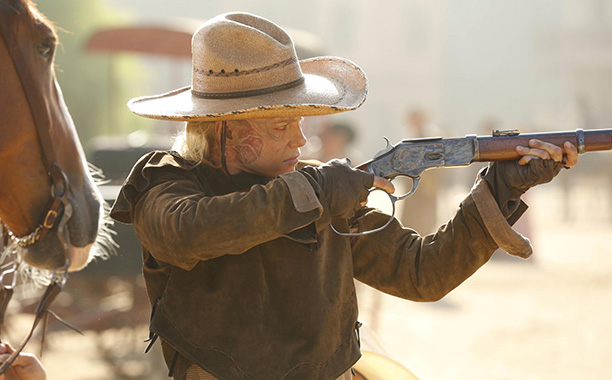
LD: If you had to cast a “Holy Grail” or “Life of Brian” with today’s comedy stars, who would you choose?
Gilliam: Oh, I don’t even know what’s going in the world anymore. I’m in my own little world, I’m a hermit now. I live at the bottom of the garden and I’ve got a nice little place. I only am allowed out every ten years like this! [laughs]

Copyright: MediaMikes.com © 2015 · Powered by: nGeneYes, Inc. · Login

All logos and images used on this website are registered trademarks of their respective companies. All Rights Reserved. Some of the content presented on our sites has been provided by contributors, other unofficial websites or online news sources, and is the sole responsibility of the source from which it was obtained. MediaMikes.com is not liable for inaccuracies, errors, or omissions found herein. For removal of copyrighted images, trademarks, or other issues, Contact Us.