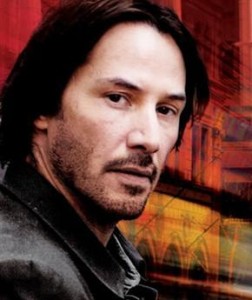
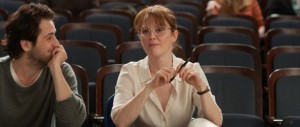
Sarah Wright talks about her role in “21 and Over”

Kentucky born, actress Sarah Wright got her first taste of the spotlight traveling the country and Europe with the singing group The Kentucky Ambassadors of Music. After high school a career in modeling beckoned and she soon found herself in Chicago. Her work attracted the attention of Hollywood and soon she was appearing on television programs like “The Loop,” “Quintuplets” and “Seventh Heaven.” Film’s followed and she showcased her talents with roles in “The House Bunny,” “Celeste and Jesse Forever” and this past springs comedy “21 and Over.” She’s also had a recurring role on the popular comedy series “Parks and Recreation.”

While preparing for the release of “21 and Over” to home video DVD and Blu-ray, Ms. Wright sat down with Media Mikes to talk about the film, her own 21st birthday and her future on “Parks and Recreation.”

Mike Smith: For those readers that haven’t yet seen the film, give us an introduction to “21 and Over” and your character, Nicole.
Sarah Wright: “21 and Over” is the story of three friends. Two of them show up to take the third out to celebrate his 21st birthday. The third friend is scheduled for an important job interview the next morning so they agree to get him back home in plenty of time to rest. Of course they don’t and craziness ensues! My character is the love interest of the character played by Skylar Astin.

MS: Was making the film as much fun as the finished product?
SW: It was awesome! The guys had a blast because they were basically partying the entire time. I had fun being the only girl. It was like hanging out with three brothers. We hung out all night long every night we were shooting. It was great. It was fun and easy because the directors were fantastic and they had written a great script. It was a great script but they still allowed us to do some improv. It’s always great to be able to play around and do that.

MS: Can you recall the craziest thing you did when you turned 21?
SW: (laughs loudly) Actually my 21st birthday was not that crazy. I started younger. I was modeling and living in Japan when I was 16. I was living in Greece at 19. I had some really crazy party nights after concerts and at after-party places. I remember winding up somewhere in Japan and having to make my way back to my apartment at four o’clock in the morning. I think on my 21st birthday I kind of mellowed out.

MS: Are you going to be back on “Parks and Rec” next season?
SW: They’ve talked to me about it so there’s a possibility. It’s funny, when I started I figured that after my story with Rob Lowe was done I’d never be back on the show but they keep finding ways to bring me back. It’s a lot of fun. I love doing that show.

MS: What are you working on next?
SW: I just finished a film with Elizabeth Banks, James Marsden and Gillian Jacobs called “Walk of Shame.” It’s scheduled to come out next March.


Related Content

Kane Hodder talks about playing Victor Crowley in “Hatchet III”

King of the Kill, Kane Hodder is back as the homicidal yet lovable Victor Crowley in the third installment of Adam Green’s hit horror trilogy “Hatchet”. Media Mikes had the chance recently to talk with Kane about his work on the series, how he evolves his characters when playing them more than once and his thoughts on the writing of Adam Green.

Adam Lawton: Having played both Jason Voorhees and Victor Crowley multiple times what type of approach do you take to help evolve the character?
Kane Hodder: With Jason I always wanted to keep the character looking consistent. The four movies I played that role in all had drastically different settings. I was in the woods, in the city, and even in space. No matter where that character was I wanted it to look familiar to the people. I wanted the way I moved and responded to be the same no matter where or what he was doing. With the Victor character I purposely started him in the first film as being very twitchy and nervous looking. Throughout the three films I purposely toned it down. In my mind Victor was getting a little more used to the killing. I’m not sure if the audiences picked up on this but for me I wanted make it look as he was getting used to what he was doing.

AL: When you’re playing these characters that don’t speak and you’re covered under heavy makeup or a mask how do you convey an emotional performance when your true features can’t be seen?
KH: That’s the whole secret to performing in this type of makeup. The prosthetics are obviously extensive so what you would normally do with your facial expressions don’t generally work. You have to change how you perform as if you don’t there is the chance that you will too much like a mannequin. I think the secret to my success has been that with the characters I have played I was able to make them look more lifelike with the ways that I use the makeup and more importantly with the way I move. I think it’s pretty hard to look intimidating when your facial expressions are covered by a mask and you can’t use your voice. You have try and be scary with movement which can be tricky. I guess somehow I have been able to make it work to where I look natural. It’s certainly a whole different way of acting.

AL: Victor’s makeup in this film appears to be a bit more intense than in the previous films. What was that process like for you?
KH: I loved the fact that Adam and BJ gave me a lot of close ups. Particularly towards the end in my scenes with Danielle. I was able to show more than just Victor’s murderous rage. We were able to bring across a deeper thought process for Victor this time. This was a big departure from how we have seen Victor in the past. I was really happy that we had those moments and that BJ and Adam allowed those moments to happen.

AL: Being no stranger to “kill scenes” were you able to give your own input on those for this film?
KH: Yes. When Adam writes things he is always open to my suggestions but the thing with him is that I have never performed written material from someone that is so creative with the violence and graphic. I often do have to add anything which very rarely happens. I have played a lot of different characters like this and I have to take the basic kill as written and add quite a bit to it in order to make it something that I would want to see. I always had to do the with the Jason thing but with Adam he writes in such a way that I perform it exactly how it’s written and that’s perfect for me. If I do end up adding something it’s generally nothing major. Adam is really fucked up in the head. (Laughs)

AL: When you were first approached to play the role of Victor and his father did you know that it would turn in to playing him in 3 films?
KH: Yes I did. From the beginning Adam told me that he wanted to tell the story of Victor over the course of three films. It wasn’t one of those situations where he made the first film; it became successful so let’s make another. He purposely held back story material in the first and second films so that he could tell the story over three films. I guess it could be seen as a little cocky on his part to assume he would do more than one film and it was definitely a risk but he always had that plan of doing three. That’s why each film picks up directly where the previous one ends. It’s all one long story. With “Hatchet III” a lot of things come together.

AL: Do you have any other projects you’re currently working that you can tell us about?
KH: I have a film called “Sickle” coming out with Tiffany Shepis. I play an unfriendly police officer in that one. I am heading back to Louisiana to shoot a film that was written and being directed by John Schneider who most people remember from “The Dukes of Hazzard”. I play a version of myself alongside people like Bill Moseley, Donald Shanks and Roddy Piper. That’s going to be a lot of fun. Bill Moseley and I also have a film coming out called “Old 37” where we play brother. I am very fortunate to have so much going on and I owe a lot of that to the fans. I’m not trying to kiss ass or anything but it is absolutely true. I thank them very much.

World Champion Magician, Lance Burton talks about his work on “Oz The Great and Powerful”

Lance Burton is one of the greatest stage Magicians of the past century. He has starred in numerous TV specials including “Lance Burton Magic Magician: The Legend Begins”, which aired in 1996 on NBC. His show “Lance Burton Master Magician” opened at the brand new Monte Carlo Hotel in the Lance Burton Theatre also in ’96. He has also performed over 15,000 shows throughout his 30-year career in Las Vegas. Today Lance Burton is happily retired and is currently working on a number of documentary and narrative film projects. Lance was also Magic Advisor on Disney’s “Oz The Great and Powerful” and taught magic to James Franco on the film. Media Mikes had a chance to chat with Lance about his role on the film.

Mike Gencarelli: Tell us how did you get involved with the production “Oz the Great and Powerful”?
Lance Burton: I got a call from Grant Curtis, one of the producers on “Oz”, a few years ago and he explained that they were doing. He told me about this character, which was a stage magician and they were looking for someone to help with the magic. So I asked for the script to see what they were talking about. I read it and I just fell in love with the project. I thought it was just fantastic. I flew out to Michigan where they had the operation setup and I met with Grant and Sam Raimi. Sam explain his concept of the film to me and introduced me to all the people involved with the film. From there we just went to work.

MG: How was it working with James Franco and teaching him some tricks?
LB: I met with James for a day or so and worked with him on a couple of slide of hand tricks, a couple of months out and I gave him some homework to do. Then we all moved out to Michigan. The good thing was that we had about two weeks before filming started to practice every day. So we had a regular rehearsal schedule to work on the magic that was going to be throughout the film. So since we had a couple of weeks before filming started, that became very valuable time. James didn’t have any prior education with magic but he is a fantastic actor and that is about 90% of the battle. Robert-Houdin, the father of modern magic, has said that his classic definition of a magician is “an actor playing the part of a magician”. Sam wanted the magic to be authentic and he wanted James to play the role as a magician. Sam wanted to me to work with him on the way that he carries himself, as well as the magic. The flare of a magician, both on-stage and off-stage. So I worked with him on little flourishes that he can incorporate into different scenes. When I was on-set, I was able to chime in and throw out ideas during shoot, which was great.

MG: For you being the one always having performed the magic; how was it being on the other side of it?
LB: It is a completely different type of satisfaction. When you go out and do a show, whether it is live or a TV show, you do a good job and you feel good. In this case, I wasn’t the one performing it. But again when I saw the finished product, I felt very proud. I felt lucky to be able to contribute to this sure-to-be instant classic, “Oz The Great and Powerful”. It is almost like a pride that a parent feels about a child.

MG: How long would you say you worked on the film?
LB: We had a fun time. It was two weeks in preparation and then I was on the set for about a month during filming. I was there for the scenes in Kansas and then a little bit of when they get to Oz.

MG: What was your most memorable experience from your work on the film?
LB: I will tell you one thing to look for in the film, which was one of my most proudest moments. I had been teaching James how to twirl a cane between his fingers like a baton. I was thinking that this would be something usable that we can work into the film. The first time that he goes into Emerald City, goes into the throne room and sits on the throne, he picks up this scepter. In the script, it says Evanora is sitting there and is enraged. I thought “Ah, what if he twirled that scepter between his fingers?” I thought it would be very disrespectful and could help help get her enraged. So I went to the prop department to see the scepter. I asked them if there was anyway to make it a little longer and they said “Sure”. I talked it over with James and Sam and everyone seemed to like the idea. I wasn’t on the set when they filmed that scene but when I saw the film in theaters. I was very excited to see that twirl in the film.

MG: After this experience, do you see yourself taking on this role again?
LB: It was a very satisfying experience and it was very interesting work. “Oz” was such a huge hit. My prediction is that there is going to be a whole franchise.  So who knows what the future holds.


Related Content

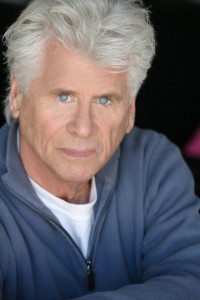
Barry Bostwick talks about new film “Finding Joy”

Barry Bostwick is one of those actors that you know you’ve seen but sometimes can’t name. Let me help you out. The California-born Bostwick was bitten by the acting bug early, often putting on shows in his backyard with his brother. After high school he moved to New York to continue his education and started getting small stage roles. His career was made when, in 1972, he originated the role of Danny Zuko in the Broadway musical “Grease,” earning his first Tony Award nomination. Another nomination came with his work in “They Know What They Wanted.” The third time was the charm when, in 1977, he won the Tony Award as Best Actor in a Musical for “The Robber Bridegroom.” In 1975 he starred as Brad Majors in the still-cult classic “Rocky Horror Picture Show.” Television fans may remember him as the Mayor on “Spin City” or as the title character in two “George Washington” mini-series.

Bostwick is now appearing in the new film “Finding Joy, ” which opens this Friday, June 7. While promoting the film he took time out to speak with Media Mikes about the weather (we spoke after a much publicized week of tornado-like weather), spray tans and why, forty years later, “Grease” is still the word.

Mike Smith: Hello from Kansas City.
Barry Bostwick: You’re still there? You haven’t blown away yet? (laughs)
MS: So far.
BB: I don’t know how you do it. You guys are braver then me. (laughs)

MS: Can you give us a little insight into Alan, your character in “Finding Joy?”
BB: Was that his name? (laughs) I never remember the names of my characters. He’s a very interesting guy. He’s very agoraphobic…he hasn’t left the house in years. And I found that to be a link to his whole personality and character. He would import any excitement in his life through his girlfriend. It was an interesting journey for this guy to unbind himself from his reasoning about why he couldn’t leave the house as well as unbind himself from the reasons he Is so angry and resentful towards his son. It all comes together in the end and he’s able to solve all of these issues. (SPOILER ALERT)…..And then of course he dies! That’s movie-making (laughs)

MS: What attracted you to the role?
BB: There were some real challenges for the character, and for me there were many opportunities to try to be funny…try to be quirky…try to be different. The hardest part was keeping my tan. He has this hideous orange tan which is a side effect of the erectile dysfunction drug he’s taking. Every two days I had to stand naked in front of some young girl in my hotel room as she sprayed me down. It was very uncomfortable. Mostly because I was standing naked in front of a young girl in my hotel room! (laughs) It was a very weird situation. It took forever for that spray tan stain to get out of my hair. When I look at photographs from the film I think to myself, “God, I look like George Hamilton.” The white hair and the dark tan go very well together. The quirkiness was also what I found interesting. In mainstream show business I have a tendency to be cast in more conventional roles for my age. So myself, and many other actors that I’m a contemporary with, get very attracted to these projects because we get to do things we may not be able to do anywhere else. I also get to work with a lot of exciting, young talent. Whether they’re behind the camera or acting…it’s people who are experiencing their creative chops for the first time. Sharing the excitement of them getting their first movie made. There’s an enthusiasm that’s catching and you like to be a part of those people that are just starting out and still have that energy.

MS: When you’re on the set with someone who’s just starting out do you ever think back to when you were just starting out?
BB: Oh, yeah. I try to tell them how damn lucky they are to have a job in show business and to not complain about the hours and the food. (laughs) I know I wouldn’t want to start out in show business these days. I have an 18-year old son (Brian) who wants to be an actor. One week he thinks he’s just going to hit the pavement and become a big star and then the next he’s thinking he’ll never make it. He knows that there are 10,000 young guys in Hollywood who are starting out on the same level. It’s a tough, tough, tough, tough time. These days you not only have to be a good actor. You have to be a computer genius and a networking maven.

MS: Here’s a name I’m sure you’ll remember: Danny Zuko. You originated the role of Danny in “Grease,” earning a Tony Award nomination for your work. Why do you think the show is still so popular after four decades?
BB: I think it’s because of the archetypical characters that everybody grew up with. Everybody had a gang of some sort, whether it was just friends in the neighborhood or a real gang. And I think that the issues that they face in the show…personal issues of identity…are universal. Every actress at that age likes to play the “bad girl” and every actor likes to play the “bad boy,” and “Grease” is full of these phony “bad boy/bad girl” characters that, underneath it all, are really quite innocent and genuine. Just like kids in high school it’s all about façade and image. And the music is fun. Plus I think kids like to say “f***” on stage! (laughs)

MS: What do you have coming up?
BB: I have a web series debuting June 3 called “Research” which is being platformed out in 10-12 minute episodes. I have a movie coming up on the SyFy Channel called “Blowing Vegas Off the Map” and I just finished a film called “Slay-Bells” where I play a biker-Santa. I’ve also got a role in an episode of Showtime’s “Masters of Sex,” a series about Masters and Johnson, which should air in the fall. I’ve got a lot of family stuff…my son graduates high school this week and I’m knocking on every piece of wood I see!

Lainie Kazan talks about her new film “Finding Joy”

I have no idea what they were serving in the lunch room of Erasmus Hall High School in Brooklyn during the 1950s but whatever it was it had an extra helping of talent. Songwriter Jeff Barry is a graduate of the school, as is actor Bernie Kopell. Barbra Streisand is a member of the class of 1959 while Neil Diamond attended for a couple of years before graduating elsewhere. Had he stayed he would have been a member of the class of 1956. That class also boasts the great Lainie Kazan.

A life member of The Actor’s Studio, she debuted on Broadway in 1961’s “The Happiest Girl In the World.” In 1964 she not only appeared as Vera in the classic musical “Funny Girl” but served as Barbra Streisands understudy. After 18 months of not missing a performance Streisand developed a throat problem and Kazan went on. Almost five decades later she’s still going strong. Best known for her Golden Globe nominated performance in “My Favorite Year” and as Nia Vardalos’ mother in “My Big Fat Greek Wedding,” Kazan has also been seen on such popular television programs as “Desperate Housewives” and “Modern Family. She also reprised her role as Belle Steinberg Carroca in the Broadway musical version of “My Favorite Year,” earning a Tony Award nomination for her work.

While promoting her new film, “Finding Joy,” which opens on Friday, June 7, Ms. Kazan chatted with Media Mikes about her career. Feel free to call her Professor Kazan.

Mike Smith: What can you tell us about Gloria, your character in “Finding Joy?”
Lainie Kazan: Gloria is an ex-stripper. It’s a very quirky film…very out of the box. I play Barry Bostwick’s wife. I’m very inappropriate. I learned that I was based on a real person. I finally got to meet her while we were shooting the film. She’s VERY inappropriate. She’s larger than life. She and her husband just love each other to death. They’re very affectionate. I just fashioned my character accordingly. She’s blonde and buxom….very Jayne Mansfield-y.

MS: Was there anything particular that attracted you to the project?
LK: I liked the script. It’s a very interesting little script. I loved the director (Carlo De Rosa). He’s Italian and he brought along his lighting designer and cinematographer. There was a little Italian contingency! I really enjoyed them…their point of view on the film. And I think Barry Bostwick is fantastic. I enjoyed working with him. And the young people in the film…Josh Cooke and Liane Balaban…I thought they were wonderful. Plus I love Fort Lauderdale, where we filmed. The entire experience was delightful.

MS: Barry Bostwick pretty much said the same thing…it was great to work in Florida and even greater to work with the young talent.
LK: They were wonderful.

MS: You are one of the primary reasons that “My Favorite Year” is probably my favorite comedy.
LK: Thank you.

MS: When I knew we were going to talk I posted the news on Facebook and I can’t tell you how many “My Favorite Year” lines were posted on my page.
LK: That film was one of the most joyous experiences of my life. I had just come from doing “One From the Heart” with Francis Ford Coppola, which was probably one of the hardest but most educational experiences of my acting career. Then I went into this little comedy and…Oh My God, what a joy! I learned that you don’t have to work so hard…it doesn’t have to be painful to have a success. I just loved working with Richard Benjamin (the director of “My Favorite Year”). What a great guy he is…what an eye he had for comedy.

MS: Ten years later you earned a Tony Award nomination when you played Belle Steinberg in the stage musical version of “My Favorite Year.” Was it odd to revisit the role?
LK: It was strange. It was very hard to translate the story from film to stage. Theater is a different medium and it requires a different kind of acting, which I’d never done. I’d gone from a theater project into film but never from film into theater. It was a challenge.

MS: Do you have a preference? Would you rather do a film or television show or do eight shows a week?
LK: I love to sing. I do a lot of concerts. That’s my favorite thing to do. I love theater. I love that you get on stage at the beginning and you end at the end. And that you’ve had a full, rich experience getting there. But I also love the intimacy of film. The camera can get into your soul.

MS: Are you working on anything now?
LK: I have another film coming out on June 18th called “Divorce Invitation.” I’m also going to be singing in Las Vegas at the Smith Center and at Feinstein’s in San Francisco. I’m singing a little here and a little there. I’m also now teaching. I’m a professor at U.C.L.A. I teach acting for the singer. They call me the Professor who’s preserving the Great American Songbook!

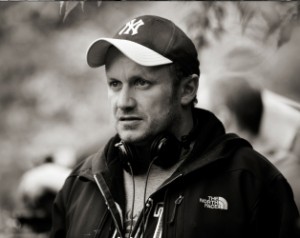
Robert Trachtenberg talks about working on American Masters’ “Mel Brooks: Make A Noise”

Robert Trachtenberg is the Writer, director, producer and editor on the latest American Masters special “Mel Brooks: Make A Noise”. Robert has made several films for “American Masters” including specials on Cary Grant, Gene Kelly & George Cukor. He is a bestselling author (“When I Knew”) and award-winning photographer. Media Mikes had a chance to chat with Robert about his work with Mel Brooks and his love for photography.

Mike Gencarelli: How did you end up working on “Mel Brooks: Make A Noise” for American Masters?
Robert Trachtenberg: Susan Lacy, who is executive producer of the series, had secured Mel. She thought my sense of humor would pair up nicely with his, so she called and asked ifI’d like to direct the film.

MG: What is it like working with a legend like Mel Brooks?
RT: The old saying, “comedy is serious business” is true: he’s very professional, actually very “Old Hollywood” in the way he runs things. We’d meet once a month, film for as long as he could stand, and then do it again the following month.

MG: How much footage was shot to make up this 1 1/2 hour special?
RT: We shot about thirty hours of interviews just with Mel alone over a four month period.

What is your favorite Mel Brooks film?
RT: Probably YOUNG FRANKENSTEIN – I think it’s the most fully realized of all his films.

MG: How long did it take to get that excellent shot of Carl Reiner & Mel Brooks?
RT: They gave me ten minutes! Guys who cut their teeth in live television have zero patience for an entire shoot – they expect everything to happen fast.

MG: How does this compare from your American Masters specials for Gene Kelly and Cary Grant?
RT: This time my subject was alive so that made a big difference. It’s impossible to compare in that Mel required a completely different approach – I knew if I asked the questions correctly, I wouldn’t need to rely on critics and academics in the interviews, for example. I really wanted Mel to tell his own story, firsthand. If I did my job right, he would be honest and candid about what worked and what didn’t in his career.

MG: I am a big fan of your photography; what does it take to get the perfect shot?
RT: I think the ability to work on your feet – you go in with one idea, and then it can quickly morph into something completely different due to a variety of factors. And you have to be malleable to that.

MG: I have to ask what was it like photographing Larry Hagman?
RT: Perfect example – for some reason I thought he’d be serious, and he couldn’t have been more of a lovable goofball.

MG: Do you have plans to write and direct more in the future?
RT: Definitely. I love that Director’s Guild health insurance!


Related Content

Jim Cliffe talks about his first feature “Donovan’s Echo”

Writer/director Jim Cliffe is an award winning artist, writer and filmmaker with a diverse background in illustration and animation, producing work for such companies as Kellogs, Fox and Anagram Pictures. His short film “Tomorrow’s Memoir,” released in 2004, received the Best Comics-Oriented Film Award at the 2005 San Diego Comic-Con, while also being well reviewed in Film Threat, DC Comics, Moviehole.net and more. His first feature-film screenplay, “Donovan’s Echo,” which he co-wrote with his wife Melodie Krieger, was recognized by the Academy of Motion Picture Arts and Sciences’ Nicholl Screenwriting Competition as well as by the Page International Screenwriting Awards. “Donovan’s Echo,” starring Danny Glover and Bruce Greenwood, is now available on DVD as well as Video on Demand. To celebrate the release of the film Cliffe answered some questions for Media Mikes:

Mike Smith: Tell us a little bit about your film, “Donovan’s Echo”.
Jim Cliffe: ‘Donovan’s Echo’ is about a man (Danny Glover) with a tragic past, who returns home for the first time in years. He believes that history is repeating itself and that a little girl (played by Natasha Calis from “The Possession”) may be in danger. Bruce Greenwood plays Donovan’s old friend who questions his sanity. There’s mystery, drama, twists and suspense, but it’s also a movie about loss, regret and redemption. There’s a lot of heart to it.

MS:You have a very comics-accented background. Did you ever consider an animated project for your first feature film?
JC: Not really. I’ve made a living as a professional illustrator, and have done animated work, but it never occurred to me with this project. I think it would have been quite an undertaking as a first-time filmmaker.

MS: How did a first time feature writer/director attract such talent as Danny Glover and Bruce Greenwood?
JC: Miraculously. After our script (co-written with my wife, Melodie Krieger) had done well in some Hollywood screenwriting competitions, we gained a bit of interest, but it was challenging finding producers willing to take a chance on a first-time director, even though I had an award-winning short film (‘Tomorrow’s Memoir’), and a broad career as an artist. Trent Carlson was a producer I’d worked with before as an artist in Vancouver, and I brought the script to him to see if he may be interested. He responded to it, and we spent some time in development before bringing it to a casting agent in LA. She put some names together for possible Donovan’s, and Danny was one of them. He seemed really perfect for the role, but I thought it would be a long shot as we were such a small movie (around $3M). Two weeks later, Danny got back to us and said he wanted to do it. It was amazing. Apparently he felt he had a lot in common with the character. Like Donovan, Danny has a background in mathematics and is also dyslexic. From there, we brought it to Bruce who also wanted to get involved. He liked the story, and thought it’d be interesting to work with Danny. He also has a home in Vancouver, BC, where we were shooting. It was pretty incredible to have two guys like that on your first movie.

MS: You’ve been quoted as saying that Steven Spielberg is a huge influence of yours. Do you have a favorite film of his and if so why is it?
JC: I may not have been as keen to try and pursue this as a career if it weren’t for the films of Spielberg. Having a favourite would be hard to narrow down. It’s always an event when there’s a new one, and each one had an impact on me at specific periods in my life. I saw E.T. at just the right age and continue to think about life in the universe.

MS: What are you currently working on?
JC: Interesting segue – we just finished a new script with an extra-terrestrial theme. It’s inspired by the events of Roswell; a UFO crash that may or may not have happened, Project Blue Book stuff, etc. At its core, it’s a father and son story, their fractured relationship and the search for truth. There’s some twisty elements along the way and cool paradoxes. It’ll be fun, smart, eerie and occasionally funny.


Related Content

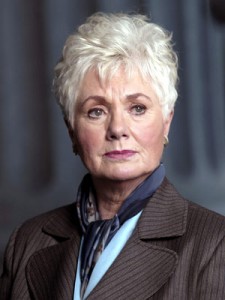
Shirley Jones reflects on her career, musicials and plans for upcoming memoirs

Depending on your age you’ll have different memories of Shirley Jones. For my parents era they will be of her roles in some of the most popular movie musicals of all time, including “Oklahoma,” “Carousel” and “The Music Man.” If you’re my age you remember her best as Shirley Partridge, working mom and vocalist on the popular television series “The Partridge Family.” Young people today remember her as the randy Grace in the comedy “Grandma’s Boy.” No matter your memory, it’s safe to say that Shirley Jones has had one of the most incredible careers in the history of entertainment.

Born outside Pittsburgh, a lucky bus ride put Ms. Jones on the path to stardom. Intending to become a veterinarian, she instead walked into an audition for the musical team of Richard Rodgers and Oscar Hammerstein II. So impressed was the casting director that he called both gentlemen at their homes and had them come listen to her sing. Two weeks later she was on Broadway and the rest is history. Twice married (to the late Jack Cassidy, father of her sons Shaun, Patrick and Ryan) and currently celebrating almost 36 years with comedian Marty Ingels, Shirley Jones has certainly lived an incredible life.

Media Mikes spoke to Ms. Jones recently in conjunction with two upcoming events. The first is a benefit screening of the film “Carousel” in Omaha on May 24th. The second is the upcoming release of her autobiography to be published next month by Gallery Books.

Mike Smith: How does a young girl from Pennsylvania end up becoming an Academy Award winning actress?
Shirley Jones: (laughs) It’s a stroke of luck. I was very fortunate at my first audition in New York. I was actually on my way to college to become a veterinarian. I wasn’t going to be in show business I was going to be a vet. I had graduated from a small town high school. I went to an audition for Rodgers and Hammerstein’s casting director and he called both Rodgers and Hammerstein to hear me. I sang for them and two weeks later I was in my first Broadway show. That’s how fast it happened. I spent three months in the Broadway production of “South Pacific.” Then they flew me to California to screen test for the role of Laurey in “Oklahoma,” and that’s how that happened. And it all happened in less than a year.

MS: And they say show business isn’t easy!
SJ: (laughs) I know. But you know something, I’m not sure that could happen today. It was just the time…where I was…it was one of those things that happen rarely. I was the only person put under personal contract to Rodgers and Hammerstein. I was never under contract to a studio.

MS: What was that experience like…to have your career guided by two genuine legends?
SJ: incredible. It truly was incredible. It was so great for me. I did three shows while under contract with them. By the time I got into movies the studio system was over so in a way it was the best thing that ever happened to me. Because then I went on to do everything, from television to films and everything else. And Rodgers and Hammerstein were so wonderful to be with and work with. They produced the movie version of “Oklahoma,” not the studio. We did some shooting at MGM but the majority of it was shot at Nogales, Arizona. They were on the set every day for seven months.

MS: You’ve appeared in some classic movie musicals. “Oklahoma.” “The Music Man.” “Carousel.” Do you have a favorite among them?
SJ: My favorite score is “Carousel.” Without a doubt, of all the things I’ve done, that’s my favorite. I think it’s some of the most beautiful music ever written. In fact, Richard Rodgers always claimed it was his finest work. When I perform in concert I always open with “If I Loved You” and I close with “You’ll Never Walk Alone.” To me it’s the most beautiful music. The movie is wonderful, though I thought it could have been a little bit better. We had a very old director (Henry King, director of films like “Twelve O’Clock High” and “Love Is a Many-Splendored Thing”) but a great cast. Frank Sinatra was scheduled to play Billy Bigelow. We had done all of the rehearsals…even all of the pre-recordings, which is what we did back then. We had spent three months in pre-production. We were going to shoot the film in two separate processes – regular Cinemascope and Cinemascope 55 – and when Frank got to the set in Maine he asked why there were two cameras. Henry told him we would be shooting each scene twice. Frank told him, “I signed to do one movie, not two,” got in his car and drove back to the airport. So I got Gordon MacRae on the phone, who was in Lake Tahoe doing a nightclub act with his wife, and I said, “how would you like to play Billy Bigelow in “Carousel,” and he said “give me three days I have to lose ten pounds!”

MS: What a great call. I’m a big Sinatra fan but I can’t see anyone but Gordon MacRae in that part.
SJ: Me too. And that voice. Nobody sang like Gordon. He had the best voice of all time.

MS: You won an Oscar for your role in the film “Elmer Gantry,” a role many of your musical fans may not have expected to see you in. How did that part come along?
SJ: It was an incredible role. Burt Lancaster fought for me to play that part. By the time I’d finished doing musical motion pictures – “Music Man” hadn’t come out yet – Hollywood had stopped making musicals pretty much because the European market wasn’t very receptive to them. My career was pretty much over. When you were a singer at that time they didn’t consider you an “actress” so to speak. I went and did some television, which was looked at as a big step down for movie actors. They were doing some wonderful dramatic shows like “Playhouse 90” and “The Philco Playhouse.” But I had some wonderful roles. I had a great part opposite Red Skelton in a “Playhouse 90” show called “The Big Slide” and Burt Lancaster happened to have seen me in that part, playing an alcoholic “Sunshine” girl in the Mack Sennet era. And he loved my performance. And after he saw me he fought for me to play the role of Lulu Bains in “Gantry.” He called me while I was in San Francisco doing a nightclub act with my husband Jack Cassidy. I pick up the phone and I hear, “Hello, Shirley, this is Burt Lancaster.” I said, “sure it is” and I hung up! (laughs) Thank heaven he called back and said, “No, this IS Burt Lancaster.” He told me to go get the Sinclair Lewis novel “Elmer Gantry” and look at the role of Lulu Bains. On your day off he asked me to fly to Los Angeles and meet with the films writer/director, Richard Brooks. Of course I did as he asked. I flew in and met with Richard Brooks, who originally did not want me for the part. He had somebody else in mind. He was the writer/director but Burt was the co-producer and he was very definite about having me play Lulu, which was so great. I got the part. Richard Brooks would always shoot his films in sequence so I wasn’t due on set until the middle of the film. But Burt would have me come on set every day to watch the other actors and to watch how Richard Brooks directed. On my first day of shooting I had to do the hardest scene in the film – standing in the house of prostitution and telling the other girls how I had met Elmer Gantry – and I didn’t have one bit of direction from Brooks. He sat in his chair smoking his pipe like I wasn’t even there. I went home that night in tears thinking he was going to fire me. I didn’t have to work the next day and they screened the rushes of what had been shot the day before. Brooks called me afterwards and said, “Shirley, I owe you an apology. Not only are you going to be great in the film but I predict you’re going to win an Academy Award.” And that’s how that happened. Burt was the one that got me the part and it changed the course of my whole career. My career would have been literally over had that not happened. But I went on to do 20 more feature films after that.

MS: And now, of course, it’s time for the obligatory “Partridge Family” question.
SJ: (laughing) Of course.
MS: What do you think it is about the show, and the music, that it is still popular some four decades after it first premiered?
SJ: Well, it was really a new definition of a television series. I was the first working mother on television. I was actually offered “The Brady Bunch” first and I said “no” because I didn’t want to go into a television series and play a regular mom taking the roast out of the oven. But when I was offered “The Partridge Family” I thought it was very unique. The fact that the whole family was working together musically but you still had stories about the kids and the mama…I loved the idea. And the fact that David, my stepson, was going to play my son was just great. It also gave me an opportunity to stay at home and raise my kids, which was something I couldn’t do making films because I was constantly away on locations everywhere. When they were younger I could take them with me but now they were school age, which was another reason I wanted to do a series. And the agents and managers at that time were all telling me, “Don’t do a television series, Shirley, because if it is successful you’ll BE that character for the rest of your life.” They were pretty right about that but it was still great for me to do.

MS: They don’t make as many film musicals today as in the past, but some of the them are pretty well done. “Les Miz” comes to mind as a recent achievement. What is your opinion on the movie musicals of today?
SJ: I thought “Les Miz” was wonderful, but I’d also seen the Broadway show and thought it was divine. Everybody in the film was wonderful. Hugh Jackman is one of my favorite performers. When I was visiting Australia he and I did bits from “Oklahoma” together on stage. (NOTE: Jackman starred as Curley in an Australian production of “Oklahoma” in the late 90’s) He was just great. But they don’t do that many musicals anymore, as you know. But the ones they do do I think have been successful.

MS: You’re publishing your memoirs next month. What was it like to sit down and review your career?
SJ: It wasn’t easy (laughs). In fact I thought “do I really want to do this?” But it came out very quickly and easy. All of the things that have happened I was fortunately able to recall for the most part. And all of the people that I worked with…I worked with some of the greatest movie stars of all time. I’ve had two incredible husbands. Both crazy, but wonderful. I’ve got three incredible sons and an incredible stepson. I’ve got twelve grandchildren now. And I was an only child which makes it even more interesting.

Brian Tee talks about his roles in “Mortal Kombat: Legacy 2” and “The Wolverine”

Brian Tee worked on projects like “The Fast and the Furious: Tokyo Drift” and TV like “Grimm” and has a busy year a head of him. He is playing the role of Liu Kang “Mortal Kombat: Legacy 2” and Noburo Mori in “The Wolverine”. Media Mikes had a chance to chat with Brian about his roles and what we can expect.

Mike Gencarelli: Tell us about how you ended up taking on the role of Liu Kang “Mortal Kombat: Legacy 2”?
Brian Tee: I heard about “Mortal Kombat: Legacy 2,” while I was shooting “The Wolverine” in Australia. I knew of the Series through one of my best bro’s Ian Anthony Dale. He plays Scorpion in the “Mortal Kombat: Rebirth” Trailer and in Season 1 & 2… he’s a brilliant actor and crushes it as the Scorpion. He’s perfect for the role. So I called him and asked about his experience on the shoot and working with Kevin Tancharoen. He had such high praise and I was already a huge fan of Kev’s work, so I had to be a part of it. BUT, I have to admit, at first I was like “hell no, I won’t play Liu Kang!” to be honest, as a kid popping quarters in the MK video game, I hated playing Liu. He just seemed to me to be a caricature of the stereotypical kung-fu guy. So when the role was brought up, I was the first person to think I wasn’t right for the role… I love playing characters with depth and complexities that at first glance, Liu never had… UNTIL, I read the script and talked to Kevin about it. The script blew me away and completely transformed Liu into something I’d love to sink my teeth into. And as we spoke, Kevin and I were on the same page, with what we wanted and didn’t want Kang to be. So with Kev’s genius vision we created this now anti-Hero character and took Liu to a completely new image and darker place, with the grounded visceral justice that this version of Liu Kang deserves.

MG: How did you prepare to play such an epic and important character?
BT:  Pleasantly surprised, this character really pushed me as an actor in so many ways, both emotionally and physically. Because you’re right, Liu Kang is an already iconic figure, so it’s harder for fans to relate to him. And that was my focus… I worked on connecting to the being, not the figure. I really wanted to delve deep within the soul of the man, not the image of character… Not to get too “actor-e,” I wanted to bring a grounded reality and create the person, not the persona… so that fan’s can connect to him as I did. Physically, I knew there were huge shoes to fill playing this epic character. I know I had to step up my game in order to successfully pull off what I wanted to withLiu, in the series. I was pretty adamant that I wanted to try to do the majority of the stunts the character demanded… but that respect is earned, not given. So I knew I had to prove myself. You don’t just go up to the greatest stunt coordinator in the game, Garrett Warren, and say “yeah, I can do that”… you have to work for it. So with the help of Garrett, the amazing stunt choreography Larnell Stovall created, my stunt double Kim Do training me personally, and along with some of the best stunt guys in the business… I had the good fortune to work my way into the fights, and be worthy enough to do the majority of them… which inevitably helped me embody Liu even more. I’m really proud of the Liu we created… and hope the fans enjoy him as much as I do!

MG: What can we expect from your episode in the web series?
BT:  I am actually in quite a few episodes throughout the series, but I’m really looking forward to episode 1. It’s the first of this season and sets the series off… so there is a lot riding on it. I know there are a lot of expectations from the fans out there considering how awesome Season 1 was. But I got gotta tell ya, I can’t wait for the fans to see whats in store this season. Episode 1 establishes Liu Kang like you have never seen him. I think it will go beyond the expectations they might be used to with Kang… because we completely turn this character upside down. And not to mention, the fight scene is just jaw dropping! This episode moves you in ways fan’s won’t soon forget and I hope will keep them wanting to come back for more!… because that’s just the beginning!

MG: What is your favorite move or fatality for the character?
BT:  My favorite Liu Kang fatality has to be the “double flip kick into the uppercut”… I’m old school.

MG: You’ve done films like “The Fast and the Furious: Tokyo Drift” and TV like “Grimm”; how does a web-series compare?
BT: This Web-Series was pretty much shot like a feature film, so in comparison there is no difference. Though it was a much smaller budget compared to other mediums, what Kevin, the cast and crew did with the limitations, is unbelievable. It looks and feels like a major studio feature separated into episodes for the web.

MG: Do you think we will be seeing more of you as Liu Kang, perhaps in the upcoming feature film?
BT: I hope so. Though nothing is set in stone, I think if the fan’s come out to watch the Series, they’ll be the judge.

MG: Tell us about your role Noburo Mori in “The Wolverine”?
BT: Noburo Mori is the character I play in “The Wolverine.” He is a politician that I feel, rides the line between good and evil, and will do whatever it take for political gain… But I guess that’s most politicians. 😉 Without giving too much away, he is arranged to be married to Logan’s love interest, so you can imagine it won’t end pretty. But also… this installment of “The Wolverine” is epic! Fan’s are really going to enjoy James Mangold’s mastery in bringing a side of “The Wolverine” fans have never seen. Along with the unbelievable action at the biggest scale, James has brought new layers and a depth fans will appreciate and relate to. Logan is vulnerable both physically and emotionally, its a war against his own nature and he must finally embrace who he is. It’s actually not to dissimilar to our take on LiuKang… both have demons inside of them that they have to overcome in order to find their true self.

MG: What else do you have in the cards for 2013 and beyond?
BT: Well, I just finished a new TV pilot called “Anatomy of Violence,” starring Skeet Ulrich, Amber Tamblyn and David Harewood, directed by Mark Pellington. Its from the creators of “Homeland,”… which I love, so it was great to work with the creatives and to be a part of this amazing cast and show. I’m also wrapping this incredible art house indie, called “The Beautiful Ones,” starring my good buddy Ross McCall and directed by Jesse V. Johnson. Ross is awesome in it and Jesse’s vision is remarkable. I’m also up for this dark suspense thriller with some legendary actors… fingers crossed. And of course, I’m looking forward to reprising the role of Liu Kang in the feature… but we’ll have to wait and see. In the mean, I’m pumped for the “Mortal Kombat: Legacy 2” Web-Series to come out and see the response of the fans!… maybe they’ll decide.


Related Content

Lenny Abrahamson discusses “What Richard Did” and “Frank”

Irish director Lenny Abrahamson’s third feature, What Richard Did, made a great stateside impression when it premiered last month at New York’s Tribeca Film Festival check out our review here and is currently on a limited release here at Cinema Village. Now back in Ireland, Abrahamson took some time out of post-production on his next feature, Frank, to speak to me in further detail on What Richard Did.

Lauren Damon: How was your experience at the Tribeca?
Lenny Abrahamson: It was really good! The film, you know seemed to go down well and we got quite a lot of good press and so generally very pleased with it.

LD: Between the festival, onDemand and now this New York engagement, What Richard Did is getting all different sorts of exposure, any thoughts on that?
LA: I mean it’s a very small release but it’s great because I suppose it has a chance to grow if people like it and maybe it gets taken by arthouse cinemas in other towns and also it’ll be reviewed. So that’s all very important…I’ve made three films, this is the first one that’s had a release in the states and I think you know, it’s great. it’s such an important place to have your films seen. And I like Tribeca as a company as well, they look after you pretty well. I think it’s a good name to be associated with.

LD: Were your first two features also Irish dramas?
LA: They were dramas…and they’d been very successful over this side–certainly critically very successful..Both the first two films won British Evening Standard Film Awards and so they’ve actually done well. It’s just that they’re very–the first two films are very, in terms of like accent and demographic, they’re probably tough for an American audience and because of that you find American cinema exhibitors are really frightened of strong accents. Whereas What Richard Did is more of a middle-class milieu and that makes it I think a bit easier. But they’ve been onDemand and they’ve aired on the Independent Film Channel and that sort of stuff and you know, both were in Toronto and the first film was in Telluride. So they’ve existed in the states, they just never got distribution.
What Richard Did tells the story of a middle class teenager (played by Jack Reynor) who, in a drunken brawl, accidentally kills a romantic rival at a summer party. As Richard, Reynor does a spectacular job at playing an otherwise good-natured teen dealing with the crushing guilt of his life-altering action. This includes a tearful confession to his father.

LD: Jack Reynor told me that you made a lot of on-set decisions with the confession scene, how did that change the film?
LA: Yea, well the peak of the scene is when Richard blurts out that he’s responsible for the killing…and that was never in the script. I mean we changed a lot in the script anyway and the script itself was evolving through the writing process. But you know, once you start shooting a film you just test. You just immediately have to respond to how the stuff feels and you have to look at it. You can’t just stick rigidly to some kind of pre-existing plan and I always like to allow things to evolve. But in that scene particularly, it just felt on the day that there was something sort of bursting to get out in the scene. It happened quite organically, we just kept working on it, working on it, working on it. Shooting it, shooting it, shooting it, until we just felt that Richard had to…in the moment where his guard is down because he’s being held by his father and everything that that means, he allows himself to dissolve a little bit…he becomes more of a boy again. And so he just goes that last little bit and lets it all out in that belief that he has in the instant that this will be cathartic. But it’s not cathartic, it’s dreadful. And it just felt, on the day that felt absolutely right. I can be quite skeptical about you know, people talk about scenes that affect the crew and you know, ‘the whole set really felt something had happened’ and I always think those scenes aren’t great, you know. There’s a kind of illusion that if it feels powerful, it must be amazing and sometimes it’s not. But actually that was one case where it really did feel very strong and it translated onto screen.

LD: Then you also have Richard having a physical breakdown on his own, what was it like on set for that?
LA: We did that–there was always a scene in the script and it didn’t specify in the script really what happened, it was just talked about. I always had this image of Richard on his hands and knees having just woken up in a sort of panic. But while we were shooting we just never got a chance, just given the schedule, we never got a chance to attack that scene really properly. So I decided I would go back after we finished principle photography…Halfway through the cut we went back out to the location and we spent the day there. And I think the way we worked on it was just to develop a kind of physical shape to the scene…I’m a great believer of acting from the outside-in…So rather than talking endlessly about what he was feeling, we just got to a kind of really heightened physical state. And then that brought with it a kind of mental component and Jack found it that way. I mean some actors are different, some actors can think themselves into that state but I tend to feel that starting physically is a–it’s like you know if you kind of intensely enter into the shape of the action. Then a lot of times the kind of interior part comes with it…And we shot it about three times on two cameras, it was really exhausting for Jack. You can tell in the scene. It really felt very good and I think it’s a really important scene in the film.

LD: Did you find yourself wanting the audience to sympathize with Richard through all of this?
LA: Yeah, I mean my sort of view is that we’re all capable of doing sort of awful things and very very few of us are the sort with the kind of bravery you’d need to admit to it if you had the chance of getting away with it. So I would like them to empathize with him just like one should empathize with any other human being I would think. You know, anybody who isn’t a monster. And Richard certainly isn’t a monster. But another way of answering that question is to say I don’t think it’s the director’s job in a film like this to tell people how to feel at all. I think that the important thing is to try to render the situation as truthfully and in as much detail and as much kind of natural veracity as you can achieve…And then if you do that, you allow audiences to enter into that world and then to feel about as they do. I mean of course you make decisions when you cast somebody like Jack, you know there’s instantly kind of warm about him. But there’s also in the way that he played Richard, there are darker aspects too…It’s worth saying that audiences have and audiences will react differently to him. Some people say to me “God, you know, he was chilling and you really did that really well.” And then other people say “He was so beautiful and I cared so much about him and you did that really well” So I think all you can do is try to penetrate as kind of truthfully and deeply as you can as a director. And give as rich an encounter with that world as you can and then you let it go and you let the audience kind of position their own decision inside it.

LD: Did you audition many young actors for Richard?
LA: We did audition a lot of actors for Richard but Jack you know, he just has a certain presence. He’s just absolutely right for that part. When I saw him for the first time, I sort of knew that that would be it. And then we started to adjust the film to fit him, to fit Jack as a person so that we could allow Richard and Jack to overlap. But I didn’t, it wasn’t a hard decision to cast him. I mean it was he’s such an unusually poised young actor. He’s from the right background, he understood the story really well. He knew kids like that. He went to one of those schools. And he’s a really fine actor, I can’t imagine the film working if we hadn’t found him.

LD: Now Jack is going to be in the next Transformers film, were you around him at all when he got that part?
LA: He had said to me that you know, he got had an agent…and then that didn’t work out. He’d been out to the states and he said he was going to go back again…give it another shot. And we were in Toronto together when he was talking about that and I was trying to advise him not to! Because I thought, you know, like so many young actors he would go out there and just get swallowed up. And he had no money and he just had a place to stay just about. I was trying to persuade him he should spend more time in London, but he said to me ‘Look, my plan is to go out to Hollywood and get a three-picture deal…’ I just thought he was deluded! Not that he’s not a great actor. That just doesn’t happen. People are going out there everyday–hordes of kids are arriving there every day and it’s just the reality and the dream are very different. But yea, Jack called me and said ‘I’ve just been cast in Transformers, it’s for a three-picture deal’ and I just thought ‘Well there ya go!’ [Laughs] What do I know? And I’m really delighted for him. Aiming for an autumn release is Abrahamson’s next feature, Frank, which sees Michael Fassbender donning a cartoonish facemask to play an eccentric leader of a band alongside Domhnall 2Gleeson and Maggie Gyllenhaal.

LD: Where are you with Frank now?
LA: We’re kind of hopefully about six weeks away from locking picture and after that it’s just lots and lots of sound work and music work and that. Exciting.

LD: Is this based on the character of Frank Sidebottom?
LA: That’s the thing, the history of the project. Jon Ronson one of the writers was in the Frank Sidebottom band back in the eighties and that’s how this idea began. But actually the character in our film isn’t Frank Sidebottom anymore. So we’ve just made him up. He’s an American instead of a guy from Manchester. He’s a real musician…He’s not–the original Frank Sidebottom was a kind of alter ego, a kind of comedy persona of this guy, so they’re very different. But there is a kind of visual similarity in that Frank Sidebottom wore a head not a million miles away from the head that Fassbender wears in this film. But it’s a totally imagined film.

LD: What was the casting process like on this film?
LA: Like any film it’s a bit of an adventure when you start. I certainly didn’t anticipate–I mean I was delighted to have Michael in it, he’s fantastic. He’s such a great actor and he’s such a fascinating actor because…there’s a kind of energy, a kind of intensity that comes over. And it comes over in Frank despite the fact that he’s wearing a mask. And you still know it’s him and there’s still that kind of quality to what he does. And having him, it helped us get the rest of the cast to be so great. I mean Domhnall Gleeson who’s a superb young actor and he’s destined for really big things and then Maggie as well who’s amazing you know, really very courageous in what she’s doing in the film. So yeah, it was quite an adventure…

It was a really happy shoot and I think the cast really enjoyed it. And that’s not always the case. You know there was a great sense of camaraderie and a real community at the center of the film and I think the best thing about it is the actors really gel together like a band…What you’re going to hear in the film is what they played on the day. The music is all recorded live. So they actually do work as a band. And that was very exciting.

LD: So the cast did they’re own musical performances?
LA: They sing, they play instruments…it’s the real thing… Michael sings, he plays guitar. Domhnall plays keyboard, sings and Maggie plays crazy synthesizers and sings. And then you have Carla Azar who’s a superb drummer in a band called Autolux she plays with. She also plays with Jack White. So she’s the drummer. And then this brilliant young French actor called Francois Civil who just happens to be a great bass player as well. It made the casting really hard because we wanted to cast people who were musical and who could really play instead of having them mime to playback. Which you can tell when that’s happening by watching. So to get a bunch of people who are great actors but also musicians was a really tricky but I think we managed.

LD: Did the mask on Michael stay on throughout shooting?
LA: No! No, I think he would of died if he had to leave the head on [laughs]…It’s really funny, I’ve been cutting the film now for a while and after a while you’re just working with cut sequences. So you’re not looking at rushes anymore, you’re not looking at you know every take from the beginning to the end so I’ll go through the whole day of you know with the editor and we’ll just be looking at him with the head on but every so often we have to look back to the rushes and look for you know an alternate take or something and then you see him, he takes the head off after “cut” and you think ‘Oh Christ, yes, Fassbender!’ you know? You’ve sort of forgotten that he’s there because the character really works…You really believe the character, you forget he’s there. But yea, I think it took some getting used to and we designed the head around–you know it’s specifically designed for him, but it was hard. Visibility was really poor–and he’s running and doing all sorts of stuff in the film so it’s quite an achievement.

What Richard Did is currently on a limited NYC engagement at Cinema Village as well as onDemand. Check back with Media Mikes this fall for more on “Frank”.
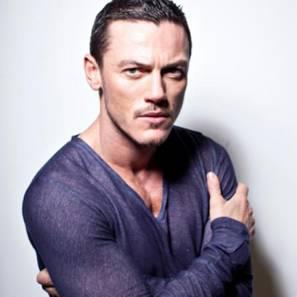
Luke Evans talks about his roles in “No One Lives” and “Fast & Furious 6”

Luke Evans is a name that might sound familiar but you may not be able to put a face to the name…yet. This guy was the star of last years “Immortals”, which he played the role of Zeus. Since then he has taken on the lead villain role in “Fast & Furious 6”, worked with Peter Jackson on “The Hobbit: The Desolation of Smaug” and “The Hobbit: There and Back Again” and recently become attached to the remake of “The Crow”. But before all those films, he did a gritty horror film called “No One Lives from WWE Studios. Media Mikes had a chance to chat with Luke about his role in that film and comparing it to his upcoming larger scale projects.

Mike Gencarelli: What was the drawing factor for you to play “Driver” in “No One Lives”?
Luke Evans: When I read the script, I couldn’t help but really get behind this character. He had such a great switch from being the typical guy to this crazy psycho. I thought it would be fun to be able to tackle both of those aspects of him. He really does some sick things in the film but was real blast to play.

MG: How did you prepare for the role to get into mind of the crazy son-bitch?
LE: Well to be honest, I tried more not to stay in the mind of this “crazy son-bitch”, as you say. I am an actor, so I would get into the character and do my scenes and then flipped the switch back. Some of the things he does in this film are pretty crazy like hiding inside of a body. So I didn’t want to spent too much time inside Driver’s head [laughs].

MG: What was you biggest challenge working on the film?
LE: I would have to say it would have to be some of physical things that Driver has to do in the film. I was literally covered in blood throughout. I even remember that my fingernails had a permanent red coating for the entire shoot. So that took some getting used to.

MG: I’m a big fan of “Versus”.. How was it working with the director Ryuhei Kitamura on his only second U.S. film?
LE: It was great actually. When we met we really hit it off and we really understood each other. I liked his ideas for the character and he liked the way I was planned to execute it. We had a very symbotic relationship and it made things easier during the shoot.

MG: Sticking with playing the bad guy, we go to your role of Owen Shaw in “Fast & Furious 6”. What do you enjoy most about taking on these villanious roles?
LE: It is great to play the bad guy. Owen Shaw in this film is just such a great villain. This guy never wants to go down and fights really hard. Also there is a lot that you can do with roles like this that gives you as an actor a lot of room to grow and develop.

MG: How was it going from going from a low budget film like “No One Lives” to two gigantic epic films like “Fast & Furious 6” and the two upcoming “The Hobbit” films?
LE: It is quite different. But I really enjoyed doing both kinds of film. When we were shooting “No One Lives”, it was in the middle of the blistering Summer in Louisiana and it was extremely hot. Literally when I finished that shoot I went straight to New Zealand to start working on “The Hobbit” films, so it was a real transition. I do not mind if I do not have a large trailer with catering service while working on a film. I just enjoyed though the change and being able to switch between the two very different types of production.

MG: You have been on every news page I’ve seen this week about you becoming attached to the remake of “The Crow”; are you excited about taking on this role?
LE: Yes, I am very excited for this film. It is going to be great and I can’t wait to start shooting. I hope the fans of the original are going to enjoy it as well.

WWE Superstar Brodus Clay talks about first film role in “No One Lives”

WWE Superstar Brodus Clay makes his first onscreen performance in the Ryuhei Kitamura directed film titled “No One Lives”. Brodus plays the role of Ethan alongside Luke Evans in what he describes as a “bad group meets worse guy” film. Media Mikes had the chance to talk with Brodus recently about the film and what it was he liked most about the process.

Adam Lawton: What can we be expected from the film “No One Lives”?
Brodus Clay: The film is a cool sort of retro flick. It was shot on film which I think is also really cool. The special effects on the film were also done very old school. The story is a bad group meets worse guy and things take off from there. There are some interesting kill scenes that go along with a pretty good story line.

AL: What was it that interested you in doing the film?
BC: The opportunity knocked and I think when that happens you should take whatever is being offered and make it yours. I wasn’t too concerned with what the role was as it was a new opportunity for me. With my persona on TV now the character I play in the film is a complete contrast. I think it’s a good thing to be able to show your different sides.

AL: Did you have a favorite part of the process?
BC: I really enjoyed the fight scene and the rehearsals I did with Luke Evans. We didn’t know each other really well in the beginning and he was worried I was going to hit him so I played with him quite a bit. By the end of it I was real pleased with how things turned out. It’s funny because when we were shooting I kept swinging and hitting this light that was above us. The director would then yell cut and I had someone whispering in my ear to keep doing it. (Laughs) it was just this weirdly lit fight with this other light swinging back and forth. I got to see the scene at one of the premiers and it looked really good.

AL: What were some of the differences you noticed between performing in the ring as opposed to in front of a camera on a film set?
BC: The differences were huge. There are so many camera angles being shot and a lot of repetition goes on. In the WWE were typically doing things in one take because when your shooting live you can’t stop and ask for another take. (Laughs) There is also a lot of behind the scenes stuff going with movies that no one ever sees while the WWE works with a generally smaller crew that is working as fast as they can to get things ready for that night. There’s a lot more preparation in movies.

AL: Is acting something you see yourself wanting to do more of?
BC: 100 percent! I got the bug and it was a lot of fun. I think I can certainly balance the two and I am looking to do more. I had a lot of fun and am looking to try a different avenue next time.

AL: Do you have any other projects you can tell us about?
BC: The WWE is an ongoing project that is nonstop. We literally are working 365 days a year. I am always busy working the grind.

Keanu Reeves and Mark Mann talk about working together on “Generation Um…”

Keanu Reeves is known for his films in franchises like “The Matrix” and “Bill & Ted”. In this film “Generation Um…”, he plays a much different role within this character piece. Mark Mann is the writer and director on the film, which is his feature film debut. Media Mikes had a chance to chat with Keanu and Mark on the film and what we can expect.

Click here for our interview with Adelaide Clemens & Bojana Novakovic

Mike Gencarelli: Mark, tell us how did “Generation Um…” come about for you?
Mark Mann: Alison Palmer (Bourke), the producer on the project, gave Keanu the script to look at as a friend at first. He liked it and said he wanted to meet with me. We had a coffee and it was sort of monumental coffee. We riffed creatively for a bit and found out that we got along well. We shared visions for the characters and the story. So after that he decided to do the film, which was great. He was perfect for the role. So we went out and made a movie [laughs].

MG: Keanu, what was it that really drew you to the role of John?
Keanu Reeves: I liked so many things about the character. What stuck out for me was the writing, the structure, the humor, the humanity and the way the story was told. With John, in particular, I had a great sympathy for him. He felt like a character that was hyper-aware. He was trapped in his past, maybe with his confidence or trapped in his life.  He was seeking a connection, a friendship or something that we might think of as simple but is fundamental to life. I felt like a lot of people could relate to him. I also felt that since this took place in New York and it was more personal and I liked that.

MG: Any challenges with shooting in New York?
KR: [laughs]
MM: I had no issues whatsoever [laughs]. New York is a great place to shoot. Just because you are shooting there doesn’t mean that it is going to behave any different than New York does. It seems to add attention to the frame. We were using New York in a somewhat unorthodox fashion, with shooting in the park, running down streets, driving over bridges and staring at trains. In general, I think that New York tolerates you if you shine at the end of it all.

MG: Keanu, this is a real change from some of your past action driven films; was it a challenge taking on this character piece?
KR: I wouldn’t really say a challenge but more of an opportunity. What struck me was getting a chance to actually shoot the footage that John does in the film. That was a very unique situation for me and it was something that I really appreciated and enjoyed. The trust that Mark put into me was great. He was like “Ok Keanu…go shoot!” We shot on Super 16 with a lot of wide angle lenses and fixed perspectives. So we get to learn about John through the camera but also get to learn about the other characters from John’s perspective. For me that was very unique, fulfilling and a fun opportunity.
MM: What was interesting about that, as well, you will notice in the film that he bundles that into the character. You watch the character developing his own feelings through the camera itself.

MG: Mark, what was your biggest challenge taking on your first feature film?
MM: I would have to say just making a film. It is an impossible pursuit. Once you start getting into it there are so many things going on at the same time. It is like you are one with the inside of your head with little tentacles extending out sort of taking of the form of all these different people all handling various tasks. It is impossible…
KR: No it’s not [laughs].
MM: Yeah it was easy. It was like butter [laughs].

MG: Keanu, I loved the chemistry between you and your leading ladies, Adelaide Clemens and Bojana Novakovic. What did you do to form that bond between the three of you for this film?
KR: We started with the audition process. Mark went on search for Violet and Mia. Luckily, I was a part of that process. He asked me to videotape the actresses that came in to meet on the project. It happened with both Bojana and Addy that there was a nice simpatico between us and we got along right away. They were interesting and loved the material. As me moved forward in rehearsal and just hanging out, everyone seemed to be on the same page. We just got along really great, so that was really cool. Mark really let me in and be a part of the creative process and I really appreciated that as well.
MM: That was part of the fun though. The film ultimately is what happens between the people making the film. It was just great. Having Keanu, Adelaide and Bojana together work through it all in rehearsals and then turning on the camera and watching them do it was amazing.

MG: Mark, you also wrote the screenplay. How much did it change throughout the production?
MM: The script was god. It was bible. It didn’t change.
KR: Urgh…writers and directors, they say that the script is god. [laughs]
MM: [laughs] If you asked me the question as a director, I might have a different answer but in terms of writing you have to have a moment when you can be a writer. That is what writers do.
KR: It was just really a great script. One could think that it was improvised since the words are just so great.
MM: There are also a lot of moments of silence in the movie and I had to try to push it into direction. But there were these long moments with Keanu, Bojana and Adelaide where they are just there and they are doing what they are doing. That is not something you can write. It was very exciting to see them take the implications that I wrote and then completely bring it to this magically level where they were and just embodied these characters.
KR: Human animal footage [laughs].

Adelaide Clemens & Bojana Novakovic talk about roles in “Generation Um…”

Adelaide Clemens & Bojana Novakovic are co-starring in “Generation Um…” along with Keanu Reeves. You may know Adelaide from the film “Silent Hill: Revelation” and upcoming film “The Great Gatsby”. Bojana Novakovic has been in films like Sam Raimi’s “Drag Me to Hell” and M. Night Shyamalan’s “Devil”. Media Mikes had a chat with these two beautiful Australian actresses about their role in the film and also working with Keanu Reeves.

Click here for our interview with Keanu Reeves and Mark Mann

Mike Gencarelli: Tell us about what drew you each to your roles in “Generation Um…”?
Adelaide Clemens: I think right off the bat for me, it was when I read the script. I thought it was a very dense piece and the characters were really well written. Mia to me was very intriguing. She has this sort of dark past and I liked exploring that.
Bojana Novakovic: I was also drawn by the script. Like Adelaide said, the density of what happens. Also I liked the richness of the characters lives and how much is actually going on without there being plot points. I find that fascinating. I love character pieces. I found it also scary to work on something that was this intimate. It required a lot of authenticity, honesty and commitment…and I really enjoyed that. I think it is an actor’s wet dream actually. Then of course there was the fact that Keanu (Reeves) was attached to the film, which just interested me a little bit [laughs].

MG: I loved the chemistry between the three of you in the film. What did you do to form that bond for this film?
BN: I think that is thanks to the way that Mark (Mann), the director, wanted to work. We just hung out for two weeks, rehearsed and talked about the roles. When Adelaide and I got to meet Keanu, we were both at first a little bit intimidating about meeting a superstar. We tried to play it very cool, but we realized that he was also incredible excited about the film like us. We were able to engage with him on a really intimate, visceral and committed level. So it was really great. The way we worked together was really reflected in the film.
AC: It is interesting how the dynamics between characters came together. I remember during the rehearsals, we were all very passionate about this piece. There were some challenging aspects of the film and we did all the preparation necessary to make sure we weren’t losing our shit when we went on set [laughs].
BN: I think we also surprised ourselves with the terrain we covered ourselves. Like how intimate we were willing to be with each other. I am not just talking about physical, which of course exists in the film but also emotional, honesty and work ethics between the three of us. Actually the four of us, Mark was like a fourth character since he was very present when we were shooting.

MG: When I spoke with Keanu, he told me he has a blast shooting with the camcorder himself. Did you enjoy working with that handheld aspect of the film?
AC: It was very interesting to break down the barrier of the typical shoot. When you are on a film you hear “Action” and you hear “Cut”. It was a new territory there with him since he was always filming. It allowed us to be vulnerable. Then it allowed that vulnerability on the camcorder to transfer to the screen. I thought it was very interesting.
BN: I also felt like the camera exposed us more, like what Adelaide was saying. It was really fun getting to perform to the camera, that way you don’t have to worry about actually performing. You don’t have to about ignoring the camera. So it actually takes the acting out of it. It was awesome.

MG: With Mark Mann writing the script, as well as directing. Do you feel you had much freedom with your characters?
BN: Oh, we had a lot of freedom. I think the whole thing came together with the four of us together in a room and collaborating on these people’s backgrounds. Who they are? Where did they come from? The actual characters formed once we came together. They can’t exist without this story. It was a collaborative process on every level. My decisions were absolutely based on who Adelaide and Keanu were and what they offered to their own characters.
AC: Yeah, we were encouraged by Mark to find our own rhythm and to inject it into these characters, which I think was fantastic. It went against the typical nature since we were able to shape our own characters. Mark also wrote the script in a way that mimics the way that we all speak, which made it even easier.

MG: Adelaide, going from films like “Silent Hill: Revelation” to “The Great Gatsby”, where does this film lie for you in terms of a challenge?
AC: I shot this film long before I shot “Silent Hill”. We did this film two and half years ago. It was an incredible different kind of experience. Like I said we were all very passionate about the material. I had room to work with the script and  of course working with Bojana and Keanu also helped. We all did the work together and really invested in this project. I am very fortunate and happy to see the way that things turned out the way they did.

MG: Being from New York, I know that sometimes the city can have a life of its own. Any cool stories from filming in New York City?
BN: I actually ended up with a bunch of bruises. We don’t know where they came from but they appeared all over my body. I remember I went out doing what I call research one night; Mark told me check out what a party girl would do in New York to get into character. We also did go to a strip club. But one night I was out just observing people and I saw a guy riding a bicycle in a tuxedo. I yelled at him and said “You look fantastic!” Later that night around 2 am, I was waiting for a taxi and wasn’t able to get one. It was that kind of Saturday night in New York. So I started talking with the guy who I yelled to in the tuxedo and he ended up giving me a ride on his bicycle from all the way across town. Then he tried to get my number and I gave him a fake number [laughs]. If he is out there somewhere…maybe I do want you number. I felt bad because he was a cool guy.
AC: I remember we had a crazy thunderstorm one night. The entire sound tent was lifted up and then smashed down. We just had an amazing experience. It was a very intimate crew. I remember one night we needed to get some photos taken and instead of just taking them, Keanu said that there was a photo booth on 2nd and A Street and that we should do there. Mia, Violet and John together are not particularly well behaved together.
BN: [laughs] Yeah, so we were in this booth with Keanu Reeves and we were slamming him against the wall.
AC: Yeah, the public was just around, watching us and seeing it happen. But you know it was New York so no one really cared. But it was really fun.
BN: It was really fun and we had a great time.

Julianne Moore and Michael Angarano Discuss “The English Teacher”

Craig Zisk’s new comedy, The English Teacher stars Julianne Moore as Linda Sinclair, a teacher in smalltown Pennsylvania whose quiet life is interrupted by the return of former student, Jason Sherwood. Sherwood, played by Michael Angarano (Haywire, Red State), is a failed playwright who Linda decides to redeem by mounting a production of his college thesis play at her school. Linda is helped along by the school’s drama teacher played by Nathan Lane. Moore and Angarano spoke to MediaMikes as the film made it’s debut at the Tribeca Film Fest this week.

Lauren Damon: How was it to work with this ensemble cast? You have all these Broadway veterans as well as small cameos from John Hodgman and Jim Bruer.

Julianne Moore: “That’s right! It was a pretty extraordinary cast actually. There were great, really really great people with yeah, Norbert Leo Butz and Jessica Hecht and Nathan Lane, Greg Kinnear and then yea, John Hodgeman and Jim Bruer. Jim Bruer I’d done SNL with a long time ago so I knew him from that. I mean that was my son was two months old, so that was fifteen years ago, which is crazy. But yea, we had a great cast. We were pretty lucky.”

Michael Angarano: “It was amazing, especially for me. Like I grew up watching them…Nine Months, The Birdcage, all these movies are like my family favorite movies. Like the kind of movies that you watch with your family. So for me it felt really cool and there was one scene, like other than the scenes I got to do with Julianne and Nathan and by myself which were so much fun, the scenes we would do with the whole ensemble really felt kind of like a play. Which was kind of fun to think about. I did a play when I was seven years old. I was Tiny Tim in Radio City and so I don’t have play experience. It was really fun.”


LD: Your last play experience was in 2006’s The Vertical Hour, is there anything that would lure her back to Broadway?

Julianne Moore: “Nothing!”

Michael Angarano: “I eavesdropped on a lot of conversations with her and Nathan where he was like ‘You know you’d be really great…’”

Moore:  “But then Nathan was like ‘I have this play’ and he’d send it to me and it’d be something that he’d like to direct and I was like ‘If you’re not gonna be in it, I’m not gonna do it!’ because directors do it and then, you know, they leave and stuff. Plays are really hard when you have children and when I did The Vertical Hour years ago, I just, I didn’t think about that. About how they wipe out your entire weekend and one day in the middle of the week where you’re not home and it’s just not worth it for my family. It’s actually easier to do a film. Because you come home at the end of the night, you’re there for dinner, you put them to bed, you get up, you go to work. You know, it’s like you’re on their school schedule and you have weekends free. But the theater is tough with kids.”


In that production Moore played opposite onstage boyfriend Andrew Scott who’s since went on to a MediaMikes favorite, BBC’s Sherlock.

LD: Do you keep in touch with Andrew Scott since he’s become Moriarty?

Moore: “I haven’t seen him in ages! He’s a great guy. He’s a wonderful guy.”


Crucial to the story of The English Teacher is the role Moore’s Linda played in inspiring Angarano’s Jason, Moore was lucky enough to have a similarly life changing teacher she spoke about:

Moore: “I had a teacher, I mean my high school drama teacher, Robie Taylor was the one who said to me you know, ‘you could be an actor’ and I was in plays after schools but I’d never met an actor, I’d never seen a real play, I didn’t think you could make a real living doing it. I didn’t know anything about the theatre. And she said ‘here’s a copy of dramatics magazine and here are different schools that you can go to’ and she kind of…I was like oh, okay! If I hadn’t met her, I don’t think I would have done that. I mean, so she really changed my life. And she knows that. I told her. I met her years later when I was in LA for a while and she was living in Arizona. And yea, she altered the course of my life.”


LD: Were there any special school productions that you did with her that you thought was like a turning point?

Moore: “Well she was…super ambitious in terms of what she put on. I mean the first production I put on with her was Tartuffe, Moliere’s Tartuffe. So nobody does that. They usually do Barefoot in the Park, you know? Or something. So she, I also did The Music Man with her which is a little more traditional. But I also played Madea for her. She just was very, she was like a real director, she seemed like a real theater director.”


LD: What drew you to the character of Linda?

Moore: “I loved Linda. I mean I was like Linda, I was the kind of kid that read all the time and went to the library and won the summer reading contest and ended up in the drama club after school because it was just another–I wasn’t athletic, I couldn’t do anything else–it was just another extension of reading. I feel like it would have been very easy for me to have been Linda if I didn’t have a high school English teacher who told me I could be an actress. So I found her incredibly relatable and I loved her. And I loved her kind of…she’s sort of an innocent, you know? And yea, I thought she was really endearing actually.”


LD:  A lot of these characters offer no apologies for their actions where it might be expected, can you talk about that?

Angarano: “It was kind of interesting because when we did a table read for it and when I first read Jason out loud with everybody there, it came across much angrier than I think he should have come across and I realized that there’s like this real like, kind of childishness about him that’s very annoying. You know what I mean? Like even his relationship with LInda in movie is kind of, I don’t know, he thinks that he’s this mature guy and he’s kind of projected himself to be that but he’s really just a boy. And so in the end I think it’s kind of like, you know I don’t think he really intentionally wants to hurt anybody. But he’s kind of like you know, kind of manipulative in an annoying childish, annoying kind of guy-getting-what-he-wants kind of way.”

Moore: “I think one of the nice things though about the movie too is people don’t apologize. A lot of them do some things, it’s kind one of those cause and effect things. Where at the end of the day, a lot of people are very shamed by their behavior [laughs] but there’s a kind of forgiveness that they all offer one another and a kind of looking the other way. Maybe they all weren’t their best selves at that moment but they had the best intentions. There’s a humanity I think to their recovery that’s very nice. In a sense where you know, your mother always told you ‘just let time go by and it’ll be better’ it’s true, they all kind of let a little time go by and it all sort of settles down again.”

The English Teacher is available now OnDemand and will hit theaters on May 17th.


Copyright: MediaMikes.com © 2013 · Powered by: nGeneYes, Inc. · Login

All logos and images used on this website are registered trademarks of their respective companies. All Rights Reserved. Some of the content presented on our sites has been provided by contributors, other unofficial websites or online news sources, and is the sole responsibility of the source from which it was obtained. MediaMikes.com is not liable for inaccuracies, errors, or omissions found herein. For removal of copyrighted images, trademarks, or other issues, Contact Us.