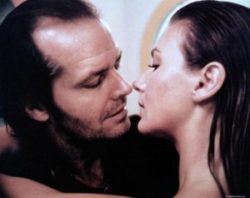
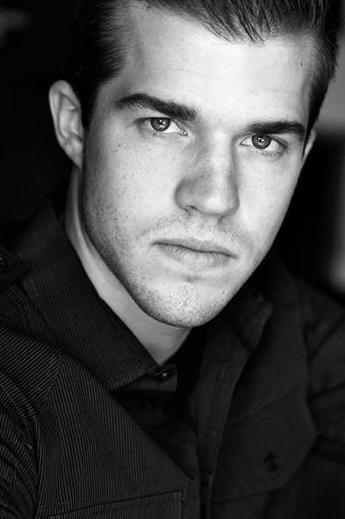
“A Single Shot” Premieres at Tribeca

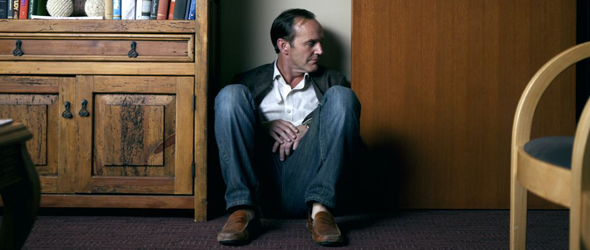
Based on Matthew Jones’s 1996 novel of the same name, A Single Shot stars Sam Rockwell as a down and out hunter who accidentally kills a young woman. Having found money in her camp, he decides to hide what he’s done and use it to try and put his life back together leading to an escalating cat-and-mouse game with the owners of the money. Having made its debut at the Berlin International Festival, the film held it’s US premiere at Tribeca on Friday April 26th.

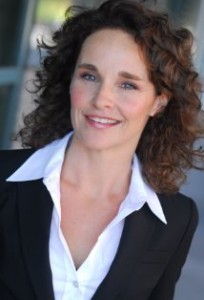
Actress Heather Lind plays Mincy in the film whom she describes as a “free spirit, impulsive woman that tries to befriend Sam’s character and bring him out of his funk”. Lind is a familiar New York face coming from Boardwalk Empire as well as a long list of Broadway credits, I asked her what it meant to have the Film Fest in the city:

Heather Lind: “It’s a great question, I’ve been in New York for about twelve years, I grew up up in Albany but I’ve been in the city for twelve years. I just love this city, I think anything that happens, that appears in the city is a good thing. Working on this film was kind of surreal enough and then getting to come to the premiere here in New York was, you know great.”

The atmospheric film, though set in West Virginia, was shot in Vancouver, Canada. Director David M Rosenthal discussed this choice:

David M Rosenthal: “I was looking for a place to shoot that had, you know this kind of gray weather and that provided this fog layer and this mist layer. And there’s not that many places where you can find that and Vancouver has it in spades and also has great crews and great secondary actors. It seemed to make a lot of sense.

Rosenthal went on to praise his ensemble cast: “It was so wonderful for me to get all of these people together because you know, there’s so many actors in this movie that I got to work with who I absolutely revere. I’m not even talking shit, I really revere these actors like Sam Rockwell and Jeffrey Wright and Bill Macy and Jason Isaacs and Kelly Reilly. Really I just walk around feeling just blessed about the fact that I got to work with them.”

The director was particularly excited to see Sam Rockwell take on the part of John Moon: “Sam Rockwell is one of the most versatile actors in America. He’s maybe one of the very best actors of his generation. I don’t think many people could argue with that. So the list gets short when you’re thinking of someone of a specific age, it’s like ‘okay, maybe we could get x, maybe we could even get this guy, maybe we can get this guy, maybe we can get Sam Rockwell. Let’s get Sam Rockwell.’ ‘Sam Rockwell read it, he likes the script.’ ‘Really?’ Fantastic!”

British actress Kelly Reilly plays Rockwell’s wife in the film and added to Rosenthal’s enthusiasm for their lead: “I had probably six days on this movie, all-in-all and I just remember working, just having a blast with Sam. He’s such a fun down-to-Earth man. So I really enjoyed working with him.”

Considering the film begins with John Moon carrying out a murder, I asked writer Matthew F. Jones if he could see John Moon in a sympathetic light:

Matthew F Jones: “I always look to John as a very noble, upright guy in a very tough situation and part of the, I think part of the interesting of this movie…was that anyone of us could put ourselves in John situation. The life he was living and then what happens to him in a single shot and the decisions that he had to make and so…I don’t look at him as a shady character, I look at him as a noble guy in a tough situation.”

Sam Rockwell was in agreement with Jones regarding his character: “I do sympathize with him, but you know, that’s–I hope that everybody does. I think he’s really isolated and a lonely guy, he’s trying to reconnect with his family and stuff.”

Lauren Damon: Are you drawn to isolated characters like John?

Rockwell: Well, I don’t know, maybe. I’m drawn to those guys for some reason but I like them all.

LD: A lot of this movie is physically grueling, how was that?

Rockwell: Yeah, a lot of cramps! Waking up in the middle of the night with a lot of cramps and stuff.

Rockwell was also on the red carpet at TFF this year supporting other films he was in, Trust Me and A Case of You.

LD: Was it by accident you wound up with three films premiering at Tribeca?

Rockwell: Well, that was a fluke. That was a fluke.


You can read our review of A Single Shot here!


Related Content

Clark Gregg’s “Trust Me” Premieres at Tribeca

Clark Gregg is known the world over for acting as bad ass Agent Phil Coulson in the Marvel cinematic universe, however five years ago the actor added directing to his resumé with his wonderful first feature, Choke, based on the Chuck Palahniuk novel. This week he returns to directing as well as writing and starring in Trust Me. Described as a Hollywood Neo-noir, the movie follows Gregg as Howard Holloway, a onetime-child-actor-turned-Hollywood-agent, who allies himself with a talented rising star, Lydia (played by Saxon Sharbino). Sharbino and Gregg are joined in the cast by Felicity Huffman as a fierce producer and Paul Sparks as Lydia’s drunken father. They premiered the film at the Tribeca Film Festival on Saturday night to an audience that included Michael J Fox and Gregg’s wife, actress Jennifer Grey.

Director Gregg finished the film extremely close to the start of the festival. “Nobody’s seen the film,” he said of the impending screening, “Nobody’s seen the film and you kind of, you hope it works! And this is a lot of people in a very public way to see it. You know it’s like you’re going to the edge of the high dive, you’re kind of praying some water’s down there.” As for taking on multiple roles in the film making process, Gregg doesn’t have a preference. “No, it’s funny I love them as a whole, I don’t see them really as different. I see them parts of different jobs on the same ship. And to me there’s something about making a film that’s my voice, that I wrote using actors that I love and am comfortable with–there’s just nothing better.” Comparing acting in last summer’s mega-blockbuster Avengers to helming Trust Me, he added “You have a lot less responsibility. It feels like a lot more channeled and focused. I knew what I had to do on The Avengers and I was very glad I wasn’t Joss! And in this case, this was something that, I don’t know, I just had a deep personal connection to the script that I wrote.”

..

For actors Paul Sparks and Felicity Huffman, that script was a major factor  in attracting them to their parts.

Paul Sparks: “I really like the script. I’m like a script person. I was fascinated by the tone of the movie because it’s very funny. It’s funny and then it kind of really turns at one point and I think that’s really brave.”

Felicity Huffman: “What attracts me is good writing and good storytelling what you want to be saying, at least what I want to be saying when you read the script is ‘oh my god, what happens next?’ And that’s indeed what I was saying while I was reading this and so I loved this story. It was compelling and unique. I don’t think this story has been told.”

Relative newcomer Saxon Sharbino wasn’t familiar first with Clark Gregg as a writer-director. “I watched him in The Avengers but I didn’t really like know him really…it was really cool meeting him” she told us. As for working with all of these veteran actors–the cast also includes Allison Janney, Sam Rockwell and William H Macy–Sharbino said she learned “just to stay grounded and know who you are.”


 Of course, audiences can next expect to see Gregg back at it as Agent Coulson on ABC’s “Agents of S.H.I.E.L.D.” despite his death last summer at the hands of Avengers villain Loki (Tom Hiddleston). At a recent Tribeca press day, he referred to the God of Mischief as the “Asgardian bastard” who ran him through. When I brought this up on the red carpet, Gregg was quick to reply “I don’t think I’m stepping out on a limb when I say that. I feel like a billion people saw it!” So how would a resurrected Coulson react to being reunited with his murderer? “Oh…if Coulson actually turns out to be alive in this new show, I think he and Loki have some business to settle.” And apparently not with Coulson’s trademark dry humor, “I think we’ve gone beyond snarky comments–the impaling thing kind of takes it to a new level of rancor.”


By Popular demand, Trust Me has added additional screenings at Tribeca. For further info, you can check out the TFF Film Guide’s page. Agents of S.H.I.E.L.D. is expected to debut on ABC this fall.

“What Richard Did” Premieres at Tribeca

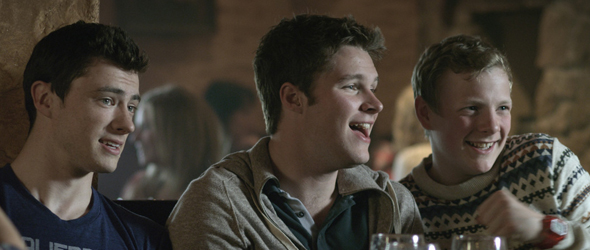
Having played in the UK,  the phenomenal Irish drama, What Richard Did, received its United States premiere at the Tribeca Film Festival on Monday April 21st. Actor Jack Reynor, who plays the titular Richard, joined director Lenny Abrahamson to talk about the film on the red carpet.

The director summed up the story of the film: “It’s based on a book called Bad Day in Blackrock by an Irish writer called Kevin Power which is a book set in the world of privileged South Dublin teenagers. In Ireland they’re a well-known group, they’re very you know, urban, very well-heeled, attractive and this film focuses kind of on the boy at the center of this group. Kind of Alpha Male, beloved by his fellow team mates but also by all the girls. Liked by the parents and teachers as well, so it’s about that kid. And one of the reasons I was interested in making it is that films about teenagers tend to focus on the kid on the outside of the group. I mean that’s who most of us identify with  and therefore often the ones in center are often pretty caricatures so I was interested in taking a character at the center of the group. The one who appears to have the least complex life, the most blessed life, and look at what it’s like to be inside that person. And what it’s like particularly for what it’s like for a character who’s not used to failure or self-criticism to deal with both. You know most of us have a lifetime to come to terms with…our own failings, the things we don’t like about ourselves and the ambitions that we didn’t achieve. But with Richard we took him and we made him face, to deal with a lifetime’s worth of disappointment in the course of like a couple of weeks. ”

What’s it liked to be picked up by Tribeca Film Fest?

Abrahamson: It’s great! I mean…it’s brilliant to have distribution in the States and especially with Tribeca and for Imagine because it’s such a name that people understand and they associate with really interesting cinema so for me it’s really great. I’m delighted that it’s up in the festival and particularly the way it’s going to go on release.


Jack Reynor: “Oh my god, it’s just amazing to be here, it’s great. I mean to get recognition from the festival

and for them to host our film here it’s amazing. I mean it’s Tribeca!”

What was the most difficult scene for you?

Reynor: “Probably I think the most difficult and the most rewarding scene at the same time is the scene outside on the bench where Richard and his father were having that conversation on the bench. We

changed the entire film that day. We made some very critical decisions while we were on set that day and it actually shaped the movie. But that was by far the most difficult to do in a truthful way because that’s where you get your performance.


How did you develop your on screen relationship with Roisin Murphy as Lara?

Reynor: “We spent a lot of time together, we workshopped, we were great friends–still are. And yea, we just invested a lot of time. And we spoke–Roison and I knew eachother before the film, we knew each other from school actually so yea, I mean in that sense it was kind of natural enough.”


Both men were happy to talk about their exciting upcoming projects as well.

You’re in the next Transformers movie?

Reynor: That’s right!

Can you tell us anything about it?

Reynors: It’s gonna be awesome.

Can you say anything about your next film, Frank?

Abrahamson: “Yea, Frank is a comedy about a band lead by a very strange band leader called Frank–the name of the film–played by Michael Fassbender.

He’s in a giant mask, was that difficult to direct through?

Abrahamson: “It was, I mean never mind directing, tough to act in! But he’s you know, you need an actor with real character, with real charisma to play through that limitation and he does that really well. So, hope to have that finished by the end of the year.”

What Richard Did has remaining Tribeca screenings listed on the TFF film guide with a limited NY engagement set for May 10th. Also be sure to check out our review here!

Aleksander Nordaas talks about his new film “Thale”

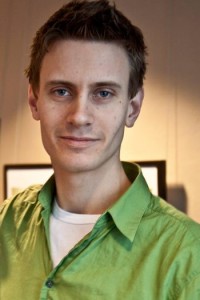
Aleksander Nordaas is the writer/director of the film “Thale”.  The film is based off the Norwegian folklore myth, huldra. The film is being released on Blu-ray and DVD on April 23rd. Media Mikes had a chance to chat with Aleksander about the film and what we can expect next.

Mike Gencarelli: What made you want to make a film about the folklore myth, huldra?
Aleksander Nordaas: As a Norwegian film maker, I’ve always wanted to do a film based in our rich folklore. And my favorite being amongst all the weird creatures that make up our folklore has always been the huldra. She’s the most diverse being of them all as she’s close in appearance and behavior to humans, which means there are a lot of strings to play on developing her as a character. So the idea basically started with this particular creature, which I then put into my own, modern folklore story.

MG: How did you end up casting Silje Reinamo as Thale?
Growing up in the same city (Mosjøen), I’ve known Silje since childhood. But it wasn’t until 2008 that we first worked together, on a short film titled “In Chambers” (http://www.youtube.com/watch?v=9j8zhTiBIhQ). Concerning “Thale”, the role as Thale was actually written for Silje, as I already knew she had the talent, skills and looks for the role – but maybe more important, she had the guts to do it. As I guess everyone can imagine, it wasn’t the easiest role to play, relying solely on body language to portray this character, and in addition; nude while doing so. But me and Silje went through the film shot by shot, to make sure the nudity wouldn’t take focus away from what we wanted to tell – we wanted to use it as a tool for character build-up, not anything else.

MG: Tell us about the many hats that you handled on the film and what was the most challenging?
AN: The most challenging aspect was without doubt that there was never a guarantee that the film was going to get completed. We started off shooting without any funding in place – only a couple of plane tickets. Basically, we built the film brick by brick whenever we had time to get together, so the whole process, production and post, went on for nearly three years. And this uncertainty was constantly in the back of our heads throughout the whole production – what if this is all for nothing? As we decided to do this film the way we did, I knew I’d have the work cut out for me. With being responsible for everything from directing to building the sets, the workload took its toll from time to time, but at the same time I had 100% creative freedom. And that’s priceless, especially as this was my first international feature. I got to learn from every hat I put on, which undoubtedly is going to be useful going into my next productions, understanding the different functions and aspects a whole lot better.

MG: Was it difficult to blend the fantasy and horror genre for the film?
AN: I consider story development to be more of a gut feeling on my part, rather than following a specific genre, defined suspension curve and so on. I tend to write where the story takes me – to add what I feel fits together one way or the other. So I guess the blend came kind of natural, but yes – there was absolutely more than one draft of the script.

MG: The film is very well-shot and packs some sharp visual effects; talk to us about that aspect?
AN: First of all, thanks you so much! Even though the film was made this way, I didn’t want it to look like it was. So I put as much time and effort as I possibly could into the visuals, everything from a making thorough shotlists, to hours at the dump site looking for cool props, to extensive tests with different light bulbs. But CGI and effects proved the biggest challenge – as I hadn’t done much of it before. But with great help from Storm Studios, we got there eventually!

MG: What do you have planned next?
AN: Gladly, “Thale” has opened several doors for me, Bendik (producer) and for our production company Yesbox Productions, so we’re in a pretty different situation now than for only a couple of years ago. This means that the projects we’ve been juggling around suddenly now have caught fire. So with a handful of projects burning at the same time, I’m currently not sure which one – or two – will surface first. But if anyone would like to stay updated on my projects, I’m posting news as soon as I can on my site (www.aleksandernordaas.com) and facebook (www.facebook.com/aleksander.l.nordaas).

Uwe Boll talks about “Assault on Wall Street” and “In the Name of the King III”

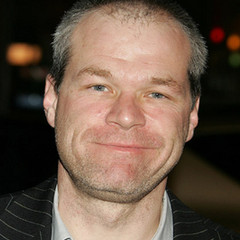
Uwe Boll is the director of films like “House of the Dead”, “Postal, “In the Name of the King” series and “Bloodrayne” series. Uwe is releasing his most personal and impressive film to date called “Assault on Wall Street”. The film stars Dominic Purcell, known best for TV role in “Prison Break”. Media Mikes had a chance to chat with Uwe again about his upcoming films and what we can expect.

Mike Gencarelli: Tell us about how you got attached to “Assault on Wall Street” aka “Bailout: The Age of Greed”?
Uwe Boll: I developed it also as a producer. I was basically very pissed with the bailouts that the banks got away with. The movies that were made about the financial crisis where not showing the other side of the story. None of them were focusing on the people that actually lost everything. I wanted to also turn it into more of a revenge thriller, sort of a mix of “Falling Down” and “Death Wish”. Everything came together and I felt that it ended up being a very strong movie.

MG: Did you face any issues shooting an anti-Wall Street film in NYC?
UB: The problem was that when I went into casting a lot of the actor’s agents I asked had problems with the role. They were concerned with the fact if someone then actually went out and shoot up bankers for real then I would have been setting their character as a role model. I told them that it was only a movie and you have to take risks in your life otherwise you will never do anything. I thought it was a story that was worth telling. I have to say though we ended up with the perfect guy, Dominic Purcell. This is his best movie. He carried the movie very well as the lead actor.

MG: The film is one of your most mature and focused film; how does it compare for you to your past films?
UB: I do compare it to one of my other recent films “Rampage”, for example. A lot of my other movies are cold and this one sticks out since I spent a lot of time with the drama. The main character and his wife in the film have a great relationship. [SPOLIER ALERT] I don’t know one person who has watched the movie that wasn’t almost crying when she commits suicide. I think this is the first movie I did where the emotion part actually exists in a way. My video game based movies are more genre films. The other movies are more violent at times and let’s say more clinical. This one is more touching and emotional.

MG: You also reunite with Dominic Purcell in “In the Name of the King III”, tell us about that production?
UB: We went and shot the movie in Bulgaria. We focused it again on time travel but taking place mostly in medieval times. I like working with him so much and I want to continue working with him. At first he wasn’t a big fan of the fantasy aspect of the film. Then when we shot it, we brought in a lot of dry humor and made it fun. I think you will really be surprised how well that it turned out. But it is not done yet though, we are currently working on the CGI phase of the film.

MG: Did you ever think that you would be making a third film, after the first?
UB: No, not at all. Like with “Bloodrayne”, we did three films and with “King” I think now after this it will be the end of it. I do not see a need to really precede with this series after this film. I think it is a good ending and brings the films together. For me I just love shooting movies. If I am able to shoot a film like “In the Name of the King” then I do it. I am not the kind of the director that waits three years for his passion project. I try to make a passion projects like “Assault on Wall Street” but in between I take advantage of other opportunities if I can get funding together.

MG: Speaking of sequels, are you done with the “Bloodrayne” series or can we expect a fourth film?
UB: We developed a fourth one taking place in the present time. But Majesco Games pulled the plug saying that they do not want anymore movies. I couldn’t believe it because the games were never as popular and I feel that our movies were much bigger. Before I got into a lawsuit with Majesco, I dropped the ball and decided to not make it. I would like to do another though to finish the “Bloodrayne” story. Maybe Majesco will change their minds in the future. A lot of the times video game companies change management and maybe we can reactivate our relationship one day.

MG: How did you get attached to produce “Legend of the Red Reaper”?
UB: With “Legend of the Red Reaper”, I am only working with the film during post-production. I wasn’t involved with the shoot. Tara Cardinal, the producer,  actress, director, she did everything on this film. I saw a rough cut of the movie, which was about two and half hours. Inside that cut, I saw a movie and said that we would have to cut it out of it. So now we are in the finishing process now.

MG: Tell us about what we can expect from the anthology film, “The Profane Exhibit”?
UB: The producer David Bond contacted me and showed me the first segment from the film, which was so violent. He asked me if I wanted to act as the sales company to assist in selling the film but also at the same time shoot a segment myself for the film. There are twelve segments from different directors. My segment was based on the Fritzl case, which happened in Austria a few years ago. Basically a guy was keeping his own daughter locked up in the basement for like 20 years. For my segment, I focused on one day in his life of that guy. It is very creepy. The movie should be finished in August/September and we already have invitations from over 25 film festivals around the world. People are really excited and want to see what we came up with this film.

MG: Next up you are directing “Suddenly” again reuniting with Ray Liotta, Dominic Purcell and Michael Paré; tell us about what we can expect?
UB: We shot this already. Yes, it is funny because I worked with Dominic Purcell and Ray Liotta again. I love working with the same actors because I know them already and we are able to get the job done quickly. This is a remake of the Frank Sinatra film of the same title from the 50’s. In the original, Sterling Hayden was the Sheriff and Frank Sinatra was the bad guy. In this film Dominic is the bad guy and Ray Liotta is the sheriff. It is about the assassination of the president and takes place in one day. We shot in Vancouver, Canada in the snow. I even hired an Obama double to play the President, so we almost get to shoot the real Obama [laughs]. It is is post-production now and is almost finished.

Rob Zombie talks about writing and directing “The Lords of Salem” and new album “Venomous Rat Regeneration Vendor”

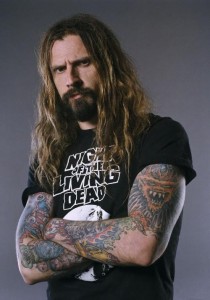
Rob Zombie is one of the founding members of the band White Zombie, but is notable for his solo act which spawned hits like “Living Dead Girl” and “Dragula”. While still working in music, he turned his sites over to writing and directing films. He has written and directed films like “House of 1000 Corpses”, “The Devil Rejects”, “Halloween (2007)” and “Halloween II (2009)”. His latest film, “The Lords of Salem”, is his most real and dark film to date. Media Mikes had a chance to chat with Rob about the film and also his newest solo album “Venomous Rat Regeneration Vendor”.

Mike Gencarelli: Tell us about what or who were you major influences when you were written “The Lords of Salem”?
Rob Zombie: There wasn’t really one thing in particular. Truthfully, the biggest influence for me is that I wanted to make the type of midnight film I remember watching when I was in high school. Back in the day before you can get your hands on everything, I used to have these film books. I used to look at photos from movies like “Suspiria” or “Eraserhead”. I used to say “Fuck, I got to see these movies!” The feeling I would get when I would watch these movies was so special since they were so unique, odd and unlike anything mainstream. I wanted to make a movie that was like that. If you go to see “Lords of Salem” you are going to see something that isn’t what you wouldn’t typical expect to see at the movies. It takes it you to a whole other place. On a grand scale, that was really the inspiration that I wanted to make something like that.

MG: In terms of directing, did you learn any new tricks on this film?
RZ: Well I learned more patience, I think. It is very easy to be impatient when you are making a movie. I learned to just slow the camera down, slow the actors down and let the movie breathe. I wasn’t worried about the audience getting bored or restless, those qualities sometimes can help a movie. It is very easy to make a movie fast paced and keep people interested but sometimes that detracts from the certain mood you are trying to create. Sometimes you need the movie to drag in order to pull people down with it. That was something that I learned on this movie.

MG: The budget was $1.5 million; what was your biggest challenge working with that?
RZ: Everything! [laughs]. Everything was huge challenge. We had no money for anything. The cheapest movie that I have ever made in my life cost $7 million (which was “House of 1000 Corpses”). I was not used to be down in the no budget range. So as we were shooting, I was constantly re-writing the script and constantly changing things. So every second of the day was a challenge.

MG: The witch burning scene was very intense; tell us about shooting that scene?
RZ: We shot that whole scene very quickly, in fact it was done in one night. We had no time. Once again, I had come up with this great plan for shooting the witch burning scene but then I realized that we only had an hour to shoot. I set up one grand shot that I thought would have the most impact and then just went for it. My big goal was to not make it ever look like we didn’t have any time or money. That was what I was always trying to hide.

MG: How did you get genre legends like Patricia Quinn and Meg Foster, who had quite the transformation, on board?
RZ: It was fantastic. I have always loved Patricia Quinn because I was a huge “Rocky Horror” fan. I loved her in everything that she has done but she also hasn’t done a lot. She also hasn’t done a lot recently. But I always wanted to work with her. I had met her over dinner about 15 years ago talking about a movie that never happened, so I had always had her in my mind from day one. Meg Foster was someone who I always thought was cool and very beautiful with those piercing eyes, but I didn’t know if she would be right of this film. I wasn’t sure at first. So I got her on the phone and after talking for about an hour, I know that she would be perfect. She totally understood and got the film.

MG: Being a musician yourself; tell us about working with John 5 on the score?
RZ: He was great to work with on this film and obviously I have been working with John now for over eight years. I know how talented he is, not just as a guitar player but also a musician. It was very easy. I conveyed my ideas and what I was thinking and he executed them perfectly. He was great on this film.

MG: Tell us about the composition of The Lords music track?
RZ: That one was tricky trying to figure out what that track would be. John had worked on a few things and it wasn’t just right. I remember one day we were on the phone together, I was on the east coast and John was on the west, and we were just humming little weird melodies back and forth to each other on the phone. It was then that we found the sound that we were looking for. Neither of us can remember who came up with it first but we just knew we had it when we heard it.

MG: Horror fans are the toughest of any genre fan; what do you think they will appreciate the most within “The Lords of Salem”?
RZ: What I would appreciate most about the film is that it is different. I think that horror fans are tricky. They are all different kinds of people. Sometimes they are not the first ones to embrace something different. But again all of those films that I spoke love as a kid, those weren’t embraced at the time either. So I purposely made a film that would be a tough sell to people…but that is why I made it. I think it will be split. Some people will love it to death and some people just won’t get it.  But that is ok with me since everybody cannot get everything!

MG: Your new album “Venomous Rat Regeneration Vendor” is heavy and dark; tell us about the inspiration behind this album?
RZ: Well I think the movie and album sort of played into each other. I was doing them both around the same time. I had an editing room in my house were we edited the movie. Then we moved the editing room out and moved in a recording studio. I went right from one to the other. I think the vibe of the two projects sort of melded together. I wanted both of them to be weird and unique and that was the goal for me.

MG: Where do you find time to tour, making films and also new music?
RZ: That is all I do man! Where do I find time for anything else is more the question…[laughs].

MG: Do you still plan on directing “Tyrannosaurus Rex” next? What else is in the cards?
RZ: No, that project isn’t happening anymore. What is happening next besides the two we just spoke about is that I will be doing a lot of touring. I headline the Mayhem Fest 2013 tour, which is starting in June and that will go for a while. But the next film project I got is called “The Broad Street Bullies”, which is a true life sports film about the Philadelphia Flyers… which is totally different!

Sheri Moon Zombie talks about her role in “The Lords of Salem”

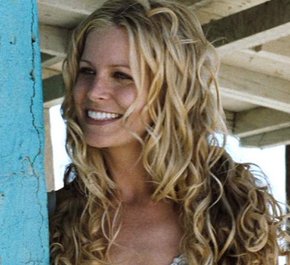
Sheri Moon Zombie is known best for her roles in her films like “House of 1000 Corpses”, “The Devil’s Rejects”, made by her husband Rob Zombie. She is the star of his latest film “The Lords of Salem” and it is her best role yet. Media Mikes had a chance to chat with Sheri Moon about “The Lords of Salem” and what we can expect from the film.

Mike Gencarelli: Your role has a much more serious tone from films like “House of 1000 Corpses”. How did you give life to your character, Heidi?
Sheri Moon Zombie: After I received the script, read it and discussed the character with Rob (Zombie). We talked about what direction we wanted her to go and also about everything from her appearance, dreadlocks, tattoos, wardrobe and to the way her apartment looked. There were so many components to focus on for this character. It was quite an undertaking.

MG: Having worked with your husband, Rob Zombie, now on all of his films. How did this project differ for you?
SMZ: I approach every character that I play differently. They all have been challenging in their own ways. Heidi was particularly challenging for me. I had to work every day on the film. The emotional decline of Heidi was a lot for me to go through and just getting into her head everyday was a lot of work.

MG: Your character has a bunch of tattoos and dreadlocks, how long did it take to transform?
SMZ: Well, some days it was two hours and some days it was three. The tattoos would last for a couple of days. So if the they survived from the day before then it would be a little easier. But it definitely was a process [laughs].

MG: Tell us about working with the phenomenal female cast in the film?
SMZ: I loved working with all the ladies in the film. It was a very female driven cast, which is something you don’t see very often in films these days. The witches from 1692 were so great to work with and they were so free and liberating. Meg Foster was wonderful to work with. Of course, the modern day witches in the movie played by Dee Wallace, Judy Geeson and Patricia Quinn were just amazing to work with as well. I loved how they weren’t overtly looking like witches and were like normal woman for their age. I have known Dee before but working with Judy and Pat were a great experience for me but at the same time very intimidating at first. They were all so warm and fun to work with.

MG: Meg Foster was amazing and really transformed for this film.
SMZ: Yeah, she was fucking insane! What a pleasure to work with her as well!

MG: What was your most favorite scene in the film?
SMZ: My favorite scene that I worked on would have to be the palm reading scene with Patricia, Dee and Judy. It was like seven pages of dialogue that we had to do. I loved the set for Judy’s apartment. That was also the first scene that I had with the three women together. It was a really good day shooting that scene.

MG: The film had some great jumps; anything scare you during the shoot?
SMZ: Nothing really scared me in the film. I wanted to hold some things back for my character’s point of view. When Heidi was sleeping in bed and we see they character Amon, played by Gabriel Pimentel standing beside her bed, I didn’t want to see him in that suit until we actually shot. When you are there on set it is different, nothing is scary.

MG: So ladies choice…you a Rush fan outside of the film? [Note: If you see the film you will understand this question]
SMZ: You know what, I honestly was not a Rush fan in anyway before. When Rob wrote that in the script and picked out the music, I was listening to them because Heidi would have. So there are a few songs that I really like now. I have grown to love me some “Tom Sawyer” since then!

Meg Foster talks about her transformation in Rob Zombie’s “The Lords of Salem”

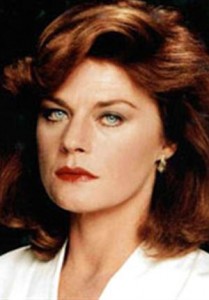
Meg Foster is known best for her roles in films like “They Live” and “Masters of the Universe”. She goes under a complete transformation for her latest role in Rob Zombie’s “The Lords of Salem”. Media Mikes had a chance to chat with her about her role in the film and how she got into her character.

Mike Gencarelli: How did you get involved with Rob Zombie’s “The Lords of Salem”?
Meg Foster: My manager phoned me and told me about the part. I was very interested in the role after reading it. I grew up in New England and something about it just reminded me of my childhood. I thought the words were just so beautiful. I think Morgan had some wonderful things to say. I had know about Rob Zombie’s work. Rob and I had a telephone conversation and I just keep relating back being a child in New England. I spent a lot of time in the woods and I had all of these wonderful childhood memories. Rob creates so much space for his actors. He expands everything. He is so generous in spirit and so very talented. It is like being a part of a painting. You are not just another color. You are YOUR color.

MG: Let’s talk about your transformation in this film; how did you get into character?
MF: Rob had his hands in creating everything. He worked with all the department heads. He had extraordinary effects, wardrobe, hair and make-up. They all worked together. The coven of witches from 1692 was quite amazing. I am not sure if you can actually see in the movie how amazing the costumes were. I was wearing wolf skin. It was like actually being one of them. You said transformation…that is really what it was. We actually didn’t have much makeup on, it was in fact dirt. I loved it. It made me feel like being a part of the earth. With the wardrobe, Julia Gombert used bones to hold pieces together. It was so well done and beautiful though. So this is how I got into the role.

MG: What was your the most challenging aspect of the role?
MF: I didn’t really do any planning for the role. I went through hair and make-up and just let the character develop on her own. The space that Rob developed for us actors made me feel so safe. I didn’t feel like there were any real challenges, but this is in retrospect. When I went in front of the camera and I just wanted to be as present as I could in the moment and let whatever was going to happen, just happen. The words that I had were very special. I like letting it just flow with the moment and follow the environment that was created. I don’t even know if I have words for this film! It is so multi-layered. It is like a labyrinth, a very visual labyrinth.

MG: What is it about the horror genre that interests you?
MF: It is always different. I like working in any genre. But I think that horror and sci-fi has always been popular and relevant. I remember watching Bela Lugosi in “Dracula”, when I was a child on “The Early Show”. It never frightened me but it terrified by brother. He was three or four at the time. He wouldn’t go to sleep that night without a crucifix in this bed [laughs]. So horror is the real deal.

MG: One of my favorites in the genre is “They Live”, can you reflect on the continued fan base surrounding this film still today?
MF: It is amazing. I have been so fortunate. I have worked with some of the most wonderful directors. John Carpenter was really great to work with on this film. When “They Live” came out and it wasn’t big at first but then it came back on Betamax and then got another life on DVD. Ever since doing “They Live” people always recognize me for the film. If I am in a market and I just hear them say “They Live” and I turn around and say “John Carpenter” and then say “Roddy Pipper” [laughs]. I absolutely love this film. It is quite extraordinary and the film itself is just timeless.

Tim Kirk talks about producing “The Shining” documentary “Room 237”

Tim Kirk is the producer of the new documentary “Room 237: Being an Inquiry into ‘The Shining’ in 9 Parts”. The film takes a look behind the film “The Shining” and exposes some of the films deeper meanings. If you are a fan of “The Shining”, then you need to watch this film ASAP! Media Mikes had a chance to chat with Tim about the film and his thoughts on the theories.

Mike Gencarelli: How did you end up getting involved producing “Room 237”?
Tim Kirk: For several months a few years ago, my baby daughter could only sleep while being gently rocked in my arms. During this time, I completed the Internet. In the deep recesses I found a mind-blowing essay about The Shining. I sent it to my friend Rodney Ascher, knowing he would dig it and hoping that he was awake. He called 10 minutes later and Room 237 was born.

MG: Tell us how the documentary ended up being split into nine parts?
TK: When we sat down to structure the film, we had many sequences of varying lengths. We tried a number of structures and this one seemed to work the most. Numbering the parts was aimed at giving the viewer a sense of the shape going into it, and a way to keep track of where they are in the film as they are watching. It’s an unusual structure so we tried to provide clues along the way.

MG: The documentary is thought-provoking and intriguing; what was your biggest challenge with this project?
TK: I think the biggest challenge of making this film was that there is no map for making a film like this. That’s also why making it was so fun and liberating.

MG: How long did the film take to complete from conception to release?
TK: We spent a year researching. Another year interviewing and editing. Then another year in post.

MG: Some of the theories are a little bit of a stretch in my mind; which ones do you feel have the strongest case in the film?
TK: We tried to make the strongest case we could for each theory. Rodney once described the apparatus of the film as being “this persuasion machine.” I have completely believed each theory at one point or another. Right now, three some years in, I don’t know what to think any more.

MG: Are you shocked by the response that this film has generated since its release?
TK: I am blown away by the response to this film. At many times during the making of the film, Rodney wondered if he wasn’t Jack, typing away on his nonsense novel. In that scenario, I am probably Lloyd, pouring the drinks and urging him on.

MG: Is there any extra footage planned for the Blu-ray release? What other kind of extras can we expect?
TK: We have some deleted scenes, many audio, for the DVD. Some great theories and ideas that didn’t make it into the film. Let me just say “Big Dipper.” Also, some alt trailers and other goodies.

MG: Being a fan myself; what is your personal favorite scene in Stanley Kubrick’s “The Shining”?
TK: I think my favorite scenes are when Jack is at the bar, talking to Lloyd. We get a glimpse into the sort of novel Jack would be writing if he could. He clearly fancies himself a working man’s writer, using crass and derogative language. His spells of angry eloquence here and on the stairwell are in real contrast to the phoney we meet in the interview scene.

MG:What do you have planned next after this film?
TK: Working with Rodney is great and we have a couple of documentaries in the works. There is a narrative project I’m working on. I’m also hoping to become a fierce soccer dad.

Diane Franklin reflects on her film roles of the 80’s and talks about her book

If you grew up in the 80’s, and was a guy (or maybe even a girl) then you probably had a crush on Diane Franklin. She started her film career with “The Last American Virgin” and from there took over the 80’s in film. She was in films like “Amityville II: The Possession”, “Better Off Dead”, “Bill and Ted’s Excellent Adventure” and “TerrorVision”. Media Mikes had a chance travel back to the 80’s with Diane, chat about her films and most importantly her new memoir, “Diane Franklin: The Excellent Adventures of the Last American, French-Exchange Babe of the 80s”.

Mike Gencarelli: What made you want to write your memoir, “Diane Franklin: The Excellent Adventures of the Last American, French-Exchange Babe of the 80s”?
Diane Franklin: When I decided I wanted to write a book about my career. I looked back and I realized that I have done so much. I also look back and I think how 80’s it was. The films that I did were popular but more on a cult popular aspect. My kids are teenagers now, but when they were young they were my top priority. You always think about passing things on to them when they get older. They won’t know me as Diane Franklin. I am mom to them. Even though I did so much work in films. My role in the business was also very unusual. I started so young and I worked in various aspects of the business. I thought to myself that I need to write all this down. Firstly, since I wanted it on paper before I forgot it all [laughs]. I was in what movie? The other thing was that I wanted my kids to know my life before I was mom. Nobody can tell that story. My husband can’t tell it. My friends can’t tell it.

MG: How did you end up self-publishing the book?
DF: At the time when I wrote it, it wasn’t like I was on a show and someone approached me to write it and sell it. Most of the time know when people write a book today it is because they are on a show and it works with their current popularity. People will buy it just based on their name. For me, if you know me or my films, I thought people are really going to love to go back and finding out what my career was like from my perspective. I was the girl that you feel in love with [laughs]. There was a lot of things that came into writing this book that I think are incredibly interesting, even just from a historic point-of-view.

MG: Tell us about what we can expect from the book?
DF: I took just not factual events but also my personal experiences. I also tried to put a lot personal pictures in there as well. When I am 90, I want to look back and go “Oh yeah, I know that girl”. So this is a memento for my kids and myself but also a great way for fans to look back. It was also very important for me to make the book very accessible. If you love “Last American Virgin”, you wouldn’t have to read the whole book to find out what happened for that movie. I wanted to make specific chapters for each film. There is a “Last American Virgin” chapter, “Bill & Ted” chapter, “Better off Dead” chapter and so on. So people can go directly to that movie and totally get into it. I wanted it to be a book that they could flip through the chapters and make it easy and fun. I am an upbeat person in general and I wanted it to reflect my personality in the book.

MG: What do you feel makes this book unique?
DF: As a parent, a few of the roles I did were rather risqué. So I didn’t want to talk about this…but not that. You would never get to know me as a person or as an actress unless I talked about everything. So I do in fact talk about everything, but what I did is that I rated the chapters [laughs]. So some are rated PG-13 or rated R. So if you are a parent you can still buy the book and have your kids read it and have them skip over the mature sections. But even if they did read it, is it not too bad. It just has to do with subject matter that is more mature. There is nothing like this anywhere. There is no book like this out right now. I did the film “Amityville II: The Possession” and that deals with some risqué subject matter, I go very in depth for that chapter. I have gotten such great feedback from people that love the horror genre because it is coming directly from me and they are getting an inside scoop on it. I am also not holding back with what I talk about.

MG: So where can people pick this book up?
DF: You can only get it right now on Amazon.com (click here to purchase the book) and it is also available to download on your Kindle device. If you buy the book on Amazon and then add me as a friend on Facebook and look for the black and white photo of me from “Better Off Dead”, you can send the book to me and I will sign it! So there are advantages to being a friend with me on Facebook [laughs].

MG: Being from Long Island, I have to ask about your role in “Amityville II: The Possession”; anything strange occur during shooting?
DF: I actually talk about that in the book. The thing is that because we didn’t shoot it in the house itself, I am sure if we shot at the house it would have had a more eerie feeling. When you are shooting a movie, each one has its own tone or feeling. But when we shot this movie, the tone was definitely somber, even though we all got along. We all worked really well together though. The director, Damiano Damiani, was very calming and as an actor you follow the director. For me as an actress I totally got what he wanted to do on the film. Here is a great “Amityville” story actually. When I saw the film for the first time in Long Island, I was with my friends and I actually got carded going into the movie. I was like “Hello? I am the reason why it is rated R” [laughs]. How ironic was that!

MG: “Better Off Dead” is a film that I always loved growing up with as a kid; how does it feel to have influenced numerous people’s lives?
DF: Oh my God! That is amazing. You never know how you will be remembered. As an actress you just do your work. So many people have seen this film and it is one of those films that has really resonated with people. They will watch it and then pass it on to their kids as they grow up. It actually started as this underground college film in the beginning and developed this word of mouth. I was just so happy that people got to know me through that character. It was a good role and also a good role model. It was also totally 80’s and hilarious. I just feel so blessed and grateful for this film and everyone’s love for it.

MG: Why do you feel that 80’s films are just as popular today if not more then their original release like “TerrorVision” and they have this continued cult following today?
DF: What is that all about? Seriously? [laughs]. You never know how a film is going to do. I never expected these films to have another life down the line on Blu-ray etc. “TerrorVision” was hilarious. When we did it we thought it was a hip movie that was very funny and also campy. We thought it was going to do well. It was like a live-action cartoon. But I think since it was rated R when it came out and I don’t think it found its audience. But today people still watch it and love it. So it’s great!

MG: Recently you have been working with your daughter Olivia DeLaurentis, who has been directing films; how was this been for you?
DF: My daughter makes films and has been since she was little. She won her first film award when she was 12. She was at the Los Angeles Film Festival last year. She writes, directs, acts and edits her own films. This is not one of those “well her mom is an actress and probably helps her”. No, no, no, I wouldn’t do this to a child. She works very hard and for Olivia this is her passion and she loves it. If I had any influence it was that when they were young, I used to do comedy improv and used to involve my kids. We also just came back from the Soho Film Festival with her film “My Better Half”, which I was in. She is 16 now and her film was selected and is competing with adult films…not ‘adult’ films but against other adult filmmakers [laughs]. It is just amazing. She already has a feature script and she is ready to go! So keep an eye out!

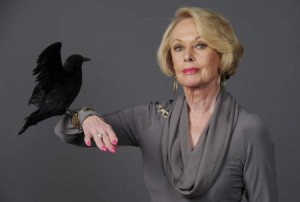
Tippi Hedren reflects on working with Alfred Hitchcock and the 50th Anniversary of “The Birds”

Tippi Hedren is known best for her roles in the Alfred Hitchcock films, “The Birds” and “Marnie”. This year “The Birds” is celebrating its 50th anniversary, yet the film is as popular as ever and still very relevant. Besides acting, Tippi also works with animal rescue at the Shambala Preserve, which is a 73-acre wildlife habitat which she founded in 1983. Media Mikes had a chance to chat with Tippi about working with Hitchcock, his films and her work on the Shambala Preserve.

Mike Gencarelli: With “The Birds” celebrating its 50th anniversary, what is your most memorable experience with this film?
Tippi Hedren: There were so many of them, since it was such an overwhelming experience for me. “The Birds” was my first film. So not only having Alfred Hitchcock discover me in a commercial that I had done, but he took me under his wing – you might say. He put me under contract before I had even met him just based on my commercial and photo work. It was a very exciting time for me.

MG: Can you reflect on the film with about today’s audience and why the film is still relevant?
TH: “The Birds” really seems to have a life of its own. So many people are really enchanted with it. The fact that this film was even able to have been done is amazing. Year after year, the film gets introduced to a younger generation. When you watch it with the audience of today, when you see the telephones 50 years ago they start laughing. It is interesting for me. But on the other hand the film holds up so well. Fortunately Hitchcock always had his leading women dressing in very traditional clothes. I could wear that green suit right now and be perfectly in style, which I actually still have six of them today.

MG: I recently saw the HBO film “The Girl”, which was based on the making of “The Birds”; how accurate was the film to what happened?
TH: Yes the film was totally accurate. In fact, the writer Gwyneth Hughes came out to my Shambala Preserve, where I live and she spent an afternoon with me talking about my years with Hitchcock. So, yeah the film is absolutely accurate. Also at the time that she was writing she would also call me and discuss any issues or concerns.

MG: What are your feelings on seeing Sienna Miller playing yourself in the film?
TH: I thought she was wonderful. Sienna also came out to the preserve and I got to spend an afternoon with her as well. She called me several times during the filming, which was done in South America. There was a close comradery between all of us.

MG: In the final attack scene of the film; how many times did you have to shoot that?
TH: When I opened the door to that room and all those birds came flying at me and I was under attack for a full week from Monday to Friday. It was unbelievable and also very exhausting.

MG: How would you compare Hitchcock’s style to other director’s you’ve worked it?
TH: The thing that impressed me so much was that he was always so well prepared. He literally worked 9-5pm. At 5 o’clock, we had the martini shots…every day. Most directors will go into very late at night or tremendously long hours, which is actually the norm. With Hitchcock, he always kept to a schedule. That was pretty amazing.

MG: How did the production of “The Birds” and “Marnie” compare?
TH: They are two entirely different films. In “The Birds” you have the added problem of working with live animals, which is always a difficult situation. They do not care about being in a movie. So there is a great deal of difference. I loved doing “Marnie” since it was such a psychological piece and entirely different.

MG: My site partner told me that if I didn’t ask you about working with Sean Connery that he will quit, so tell us about working with him in “Marnie”?
TH: I was very fortunate having Rod Taylor as my leading man in “The Birds”. I was working with all  consummate actors including Jessica Tandy and Suzanne Pleshette. They were all great. So, it was kind of a surprise for me when they told me I was going to play Marnie. I play a compulsive thief that is so frigid that she screams every time a man comes near her. So when I was asked who would be playing Mark Rutland in the film, Hitchcock told me that it would be Sean Connery. I said “Sean Connery? The Sean Connery that just got out of ‘Dr. No’? Sean Connery, who could melt the iciest of blondes? Mr. Hitchcock, do you remember that Marnie is so frigid that she screams everything a man comes near her? How am I supposed to handle that?” He simply told me “It’s called acting my dear”. And that was the end of that [laughs].

MG: How was it being the topic of the season and guest starring on the season finale of “Cougar Town”?
TH: It was great fun. It was such a short piece. The whole season was about how can they find Tippi Hedren, so then at the very end is when I appeared. I wish it would have been a little longer but it was still a lot of fun.

MG: Tell us about the inspiration behind the film “Roar”?
TH: Well it goes back to 41 years ago when I started rescuing lions and tigers. I had just done two films in Africa. During those years, environmentalists all over the world were saying that if we didn’t do anything right then, which was 1969-70, to save the animals in the wild then by the year 2000 they would be gone. So my then husband (Noel Marshall) and I decided to do a film about the animals in the wild. We choose the great cat, because people are either enchanted with them, scared to death of them or think they should be admired from afar. We had seen an abandoned house while on a photo Safari in Mozambique. The owner had moved out since it flooded during the rainy season. So when he moved out a tide of lions moved in. It was the largest pride in all of Africa. We couldn’t count me but there was somewhere between 25-30 lions of all sizes that were living in this house. We thought that this was incredible. They were sitting in the windows looking like great portraits. There were going in and out of the doors. They were napping on the verandas. So we decided to use these animals as our stars. We then went back to California and got the script written. When we gave the script to the trainers of these Hollywood animals and they all came back to us laughing that this film could not be made. They told me to get my own animals for the movie. All of the sudden I had little lions and cubs all over my house. It was quite an experience and we learned right then and there that they are definitely not pets.

MG: Tell us about continued your work today with the Shambala Preserve?
TH: The preserve is 73-acres and it is very beautiful. We keep the animals that we rescue for the remainder of their lives. We give them huge areas in which to life, many of which are over an acre. It is so expensive though. I have to raise over a million dollars a year, which is quite difficult. I would appreciate if your readers can visit our website, http://www.shambala.org/ and see what we have to do in order to keep this going each year. I am doing everything I can and any help is appreciated since this place is so beautiful and necessary. I am also working on federal bill which will be introduced this month, which will stop the breeding of lions and tigers to be sold as a pets. So please look that up as well.

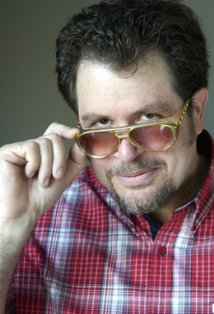
Don Coscarelli talks about “John Dies at the End” and “Bubba Ho-Tep” and “Phantasm” sequels

Don Coscarelli is one of my favorites directors in the business. He has directed films like the
“Phastasm” series, “The Beastmaster” and “Bubba Ho-Tep”. His films just seems to grab this cult following and only grow over the years. I worked as part of the street team going back to “Bubba Ho-Tep” and it was such a great experience. If you are a fan of his work then you have already seen or need to immediately see his latest film “John Dies at the End”, which arrived on Blu-ray and DVD on April 2nd. It is a fantastic film and a great return for Don. Media Mikes took out sometime to chat with Don about this film and also got some tips about the “Bubba Ho-Tep” and “Phantasm” sequels.

Mike Gencarelli: Tell us what attracted you to “John Dies at the End”?
Don Coscarelli: I am an avid reader and I always try to pick up books that are interesting. It’s not that easy to sit around and generate a completely new idea. I have done that a few times but it is a challenge. It is a lot easier when you find a nice piece of literature and turn it into a feature. True story, I got this email out of the blue in my inbox one day from a robot at Amazon.com. They told me that I would love “John Dies at the End”. I read the byline for it and thought that it would make a great movie. It is just an interesting testament to the power of these computer programs and algorithms that Amazon has in place to track our taste. I read the book and just loved the attitude and style, sense of humor, had some great characters and villains and I knew it was for me. So I tracked down the writer and bought the movie rights.

MG: The story is quite epic; where you ever concerned about the scale of the story before making it?
DC: Of course. For starters, I thought that the film would have been great for a major studio release. I might have been completely naive but I thought it would be a fresh new kind of horror with a little comedy mixed in. I went out and tried to get major studios to fund it and they just didn’t get it. Then ended up realizing that we would have to make it on a much smaller budget with the money I was able to raise myself and with investors. It was a very ambitious project going into and there were new challenges every day. It was a bit of an effort but it paid off for sure.

MG: There are quite a bit of visual effects used in the film; would you say this has been you-r most ambitious project yet?
DC: Yes absolutely. I think that part of it Mike is that I am a naturally optimistic person and I always put myself into these situations. In the first “Phantasm”, I had this pretty cool sequences written out with a flying sphere and goes into the persons head. I just thought, “Yeah, we’ll figure out how to make it fly and into his head later”. When we were out there in the mausoleum, we just sat there wondering how the hell we were going to pull this off. Thankfully using fishing line, paper clips and tape worked out for us. In this movie it was the same situation. We figured that we could find a way to make the meat monster and then send them to this other world as well and have this 80 foot long eye-ball creature. I just keep saying “We’ll figure out a way to make it work”. I get myself into trouble sometimes. I think the fact we were able to put some level of polished visual effects into the film and I am very happy with them.

MG: Tell us about the creature effects used in the film? Meat Monster?
DC: One of the benefits of having made some movies is that I have a lot of great friends out there. Robert Kurtzman helped us out on this film. He is also a great director as well and directed the film “Wishmaster” back in the day. He was one of the founding make-up effects artists with KNB EFX as well. Greg (Nicotero), Howard (Berger) and Bob have been so helpful with my career over the years. Bob created the Bubba Ho-Tep. Howard did the Bruce Campbell old age make-up. Greg was even an apprentice going all the way back to “Phantasm II”. So Bob has always offered to help out. He created the meat monster suit and it is a wonderful work of art. There is so much detail there that doesn’t even translate onto the screen. There is tons of stuff that you barely see like, a whole pineapple ham on one of the monsters hands. That was a totally old school sequence by the way. The entire shot was done with meat on fishing line. We choreographed it with all the meat on the floor. We even used some reverse motion and it was a lot of fun. There were some other great effects as well that Bob put together like the mustache bat. That was really cool. I was looking at it the other day in my office and it is this little mustache with the wing aperture on its back, like a bird. We filmed it on a green screen and then filled it in. There was a bunch of great old school stuff in this film.

MG: The flying mustache scene reminded me of the scene in “Bubba Ho-Tep”, when Elvis is fighting the Scarab in his room.
[Laughs] That’s funny Mike because when I read this book and I came across that sequence with the mustache, I thought to myself that this was sort of like “Bubba Ho-Tep”. There are other elements as well that are right out of “Phantasm”. It was my kind of stuff!

MG: David Wong (aka Jason Pargin) has written a sequel, “This Book Is Full of Spiders”; any interest in continuing the story?
DC: I would first like to say that the sequel is great. It is called “This Book Is Full of Spiders: Seriously, Dude, Don’t Touch It”. It is just a very cool follow-up and I think it is brilliant in many ways. It is a little premature now to try and decide for it to be a sequel. We would need to see how this film does. If it came the time and it seemed viable, I would certainly take it on.

MG: Since the ends credits of “Bubba Ho-Tep”, over 10 years ago. we have been waiting for a sequel; is that still in the cards?
DC: It is always in the cards [laughs]. The cool thing about it is that I learned from when I was touring with “John Dies at the End” is how many people freaking love “Bubba Ho-Tep”. It’s so great. I think that maybe the delay we had is actually a good thing because it is developing this great cult following. I for sure want to do it and I know that Bruce Campbell still wants to do it. I think we just need to find a way to pull it all together.

MG: Next year is 35 years since the first “Phantasm”. Since Phantasm: Oblivion” was released, there were talks of a fifth sequel; why do you fans keeping asking and why does this series refuse to die?
DC: Look I would love to take all the credit for that [laughs], but look I think it has to do with the power of those performances. The weird thing about it is that when this first came out we were criticized for some of the acting in the movie. Yet with these performances by Michael Baldwin, Reggie Bannister and of course Angus Scrimm folks really love them. After the fourth film, I was hoping to wrap up the story since it was a bit open-ended in a “Phantasm” way. So fans have always been asking for a “Phantasm 5”. The good thing is though the actors are in great shape. Angus has a nice role in “John Dies at the End”; I thought he pulled it off beautifully. This is something that I will be looking into in the near future, since there is a definitely an audience out there.

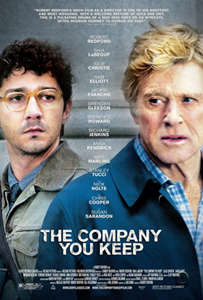
Robert Redford, Stanley Tucci, Brit Marling and Jackie Evancho talk about new film “The Company You Keep”

Opening in New York and Los Angeles on April 5th, “The Company You Keep” tells the story of Jim Grant, a former member of radical sixties group The Weather Underground. Thirty years ago the Weathermen were involved with a bank robbery that turned fatal and Jim is brought out of hiding when another former member (Susan Sarandon) finally turns herself in. Jim must go on the run from both the authorities and a young truth-seeking journalist (played by Shia LeBeouf) to clear his name and reunite with his young daughter (Jackie Evancho). Along the way, he turns to other ex-Weatherman played by an array of veteran actors including Julie Christie, Richard Jenkins, Sam Elliot, Nick Nolte and Chris Cooper. Redford, joined co-stars Stanley Tucci, Brit Marling and Jackie Evancho at a press conference in New York this week to discuss the film.

What do you want people to take from this movie about the legacy of the Weather Underground?
Robert Redford: “There are a probably a number of things to take away. To simplify, I’d probably say the first thing would be that they would think. Some films are made not necessarily to think but it’s like eating cotton candy. You have a wonderful ride and then it’s over and that’s all you really want. And other films are designed in a way to at least make you ask a question afterwards. Or think about what’s happening and maybe start a dialogue with someone. I think maybe that’s what I’d prefer, it’s not always possible. So that’s would be the first thing and the second thing has to do with a criticism that I have for my own country. I don’t think we’re very good at looking at history as a lesson that we learn, so that we don’t repeat a negative historical experience. We’re not good at that. And looking back in time and saying ‘Well, this happened then, what can we learn from that?’ I just think it’s an American tradition to be so busy pushing forward and driving forward and doing, doing, doing. They don’t look back and say ‘Gee, what could I learn from the mistake that I made before?’ So I guess the hope, that’s all it can be, is the hope that you look back in this moment in time–which, by the way when this happened, I was of that age. I was of them in spirit. But because I was starting a career in the New York theater as an actor at that time and I was also starting to raise a family, I was obligated to that task so I wasn’t a part of it. But I was certainly empathetic to what they were doing. I thought it was a wrong war. I thought that it was a war that was going to cost unnecessary lives. It was also a war that was designed by people that had never gone to war. And it had a lot to with kind of a tragic history of the United States with the mistakes it’s made, they never seem to learn by. So that was my own personal criticism about my country and my history. So I guess I would hope that you would look back
on this time, it’s not about what happened then because it’s about thirty years later…There’s a wonderful poem by Yates, one of my favorite poems, there’s a line that says because he was so sick of what was happening to Ireland. He could see that calm Ireland was about to be disrupted by vandalism, by revolt, by revolution and that Ireland would never be the same. And so he was bemoaning that by taking a conservative stance. So he says…’The best lack all conviction, while the worst are filled with passionate intensity’. And I thought that was a nice thing for me to play with. Because people who were filled with that passion and intensity were all older and look back. They’re trapped by their past because in order to stay free from the law they go underground with a false name. But how long can you live without you true identity? And that’s what interested me to tell that story not then but now.”

Brit Marling was also intrigued by the idea of aging activists in this film:

Brit Marling: “
…When I read the script I was really moved by the idea of the Weather Underground and how it’s not set back then but it’s set in present day as this group has sort of come into age of wisdom and experience and are looking back wondering about the radicalism of their youth and did they make the right choices? And would they do it differently now? Which, I think my generation is grappling with a lot of the same ideas. So I was very attracted to that part of the story.”

Redford likened his character’s thirty year evasion of the law to that of Jean Valjean in Les Miserables, a favorite story of his:
Robert Redford:  “I just thought from the time I was a little kid that was one of the greatest stories. So I saw similarities in Shia LeBeouf’s character is inspector Javert in Les Miserables and then I am Jean Valjean in the sense that I go to prison for something I’ve done that’s wrong, I escape, I take on a new identity to escape prison time, I live a clean life, I have a daughter, the daughter means everything to me…I had to give up another daughter before she meant too much for me to give up, that was painful, I don’t want to make that mistake again. So here it is, this means everything to me and yet there’s someone on my tail that might expose me in a way that makes it impossible for me to have the true love of my daughter and a clean, clear life. So that was the complexity that sparked me to make this film.”

Behind Shia LeBeouf’s reporter is his editor as played by Stanley Tucci who spoke about his role:
Stanley Tucci: Shia and I worked one day and we went and did it. But the scenes are very straight-forward. I think that, you know, he is the sort of classic curmudgeonly, exhausted editor. I think particularly in this day and age, he’s an interesting character because he’s the last of a dying breed. You’re not going to see those guys too much anymore.
Redford: …Just want to add something, he talks about the energy–Shia’s energy, which is extreme. Shia has a fast mind and a fast tongue. And for Stanley to work with that and still be the character he had to play. He had to be a man in control within an industry that was going out of control, which adds it’s own dynamic, but the fact that he could manage the energy by creating a counter-energy. As Shia got more crazed, Stanley, if you watch the film, Stanley goes the other way. So it creates a dynamic. When Shia slows down, Stanley goes for his throat. I just enjoyed watching.

The youngest star of the movie, Jackie Evancho is better known for her musical success since she was introduced on tv’s “America’s Got Talent”. Seeing her perform on TV prior to filming, Redford knew he’d found his screen daughter.
Redford:  “I said ‘Woah wait a minute, what’s this?’ because I don’t watch much television, so I look at this and then the camera–she’s singing Puccini! And I’m thinking ‘How does that work?’ And so the camera pulls back and there’s this symphony hall and there’s this huge orchestra in this symphony hall and this creature standing there just belting this music out there. It was so powerful…If somebody who has that composure, who can do that in front of that kind of an audience, with that kind of register, with that kind of complexity, maybe that could work. So anyway, to make a long story short, I contacted the agent, the casting person, I said ‘Find out who this person is, where she is.’ They find out she lives in Pittsburgh with her parents, they live a normal life except when she had to do these shows and they went out and taped her. They taped her, I don’t think they knew what was going on. Jackie can speak to that. They sent the tape back, it was clear she didn’t know what was going on and I thought, I don’t care, there’s something–I’m going to take this chance. She was hired on Tuesday, she came, we filmed on Wednesday. We filmed the first day I met her and I can only tell you, from that point on I figured I am one lucky man, because she turned out to be absolutely lovely…We just played together we just became people who could play together, who could have fun together and improvise together. So I ended up the beneficiary of a risk taken on Jackie.”
Jackie Evancho: All I can say was I was extremely honored to have a chance to actually act with you guys. That I was really really excited that I got the role and I just really had a lot of fun so, thank you.

Being only twelve years old, Jackie was asked if she was familiar with the name Robert Redford or his most famous films.
Jackie Evancho: Well, my dad, he always talked about it with his brothers he just would like goof around and stuff. So when I heard the name, I wasn’t very familiar with it, I shouldn’t say “it”! …The only thing that I knew was my dad was like ‘He played a cowboy.’ And that’s all I knew. I actually thought that it was an amazing honor.

Did you during the making of the film have any positive thoughts about the country and journalism?
Robert Redford: Positive? I don’t about positive so much as valuable. Because I consider journalism as so valuable. I would almost–I don’t want to be too much ego here–but I would almost take it personally if journalism failed itself. Because that’s the one avenue we have to the truth. So if I’m going to portray journalism in a film, it’s tricky business…Then you want to at least give it it’s due. Then describe the threats that are maybe against it. So in this case, the idea of Shia’s character was to me more interesting if it was complicated by the fact that is he going after the story for his own personal advertisement? Is he going after it for just getting the story? He should dance with that as he moves forward and what should be unmistakeable is what he learns about himself. In his pursuit about finding somebody else, what does he learn about himself that may change him? That was exciting to me but you have to be careful, I think you have to be careful about when you’re dealing with journalism… You have to test certain things and then back away and let the audience go with it. What they’re going to do with it.

Lia Beldam reflects on her role as Room 237’s guest in Stanley Kubrick’s “The Shining”

You may not know the name Lia Beldam, but you will know her by her work. She played a very important scene in Stanley Kubrick’s “The Shining” as the woman in Room 237 and that seduces Jack Nicholson in the film. After the film, Lia never got into acting full-time as she was already modeling. Media Mikes had a chance to track down Lia and ask her a few questions about the film and reflecting on her role.

Mike Gencarelli: Let’s start at the beginning, how did you get involved with “The Shining”?
Lia Beldam: I was a model. My agency were asked to send some people for the ballroom scene a movie called “The Shining”. So I went along thinking I would be in this ballroom scene. Prior to that, I had done a lot of nude shots for commercials and someone from the film saw them and said that they could cast me for another role in the film. I said “Sure”, since I didn’t have a clue what the film was about anyway. I went in to audition and didn’t even have to undress, so that was easy. And that is how I got the job.

MG: Did you know the extend of your scene before signing on?
LB: I knew it was a nude scene and that I wasn’t going to be in the ballroom scene. I had no idea what “The Shining” was about. They just told me it was be a nude scene and I was perfectly fine with that.

MG: How was it working with Jack Nicholson in your scene?
LB: He was very nice. As you know, I am not an actress. My main job was and still is modeling. I told him that he needed to help me. He said he would sit with me and discuss the shot. He was just very nice and absolutely charming.

MG: Tell us what it was like being directed by the legendary Stanley Kubrick?
LB: It was just another job for me to be honest. When I did my modeling, there was always an art director on set telling me what to do. It was just another job. I wasn’t really falling over in amazement being in the same room. I wasn’t familiar with how famous he way. But still he was very pleasant to work with.

MG: Did you have any interactions with Billie Gibson aka “Old Woman in Bath”?
LB: Yes I did. I believe she was about 74 at the time when we shot and was a friend of the Kubrick’s. She wasn’t an actress either. She just did it as a favor to them. She was very nice.

MG: How long did it take to shoot the one scene?
LB: It was ridiculous. I tell you what Mike, it took a whole week. Very often though, it was long waits for me sitting my dressing room. They would change something in the set whether it was the carpet or something else. It wasn’t the actually shoot itself although he did do many many different takes. I didn’t mind the many takes though since I was enjoying kissing Jack Nicholson, that was sure [laughs]. I was paid for a whole week so I was there for a whole week. It was just wonderful.

MG: When you completed this role, did you ever think that we would be still talking about it over 30 years later?
LB: Not particularly no [laughs]. My son recently put up a picture up for me online with me and Jack Nicholson and since then I have been contacted quite a bit. But I really enjoy it and it has been great fun.

MG: After this film and not being an actress, why didn’t you pursue more acting gigs?
LB: I just pursued modeling. I had some very good jobs and I just loved it. I did a few very little bits in films but nothing special at all after “The Shining”. Models are always asked to go on films to bulk out scenes. It would have been lovely if someone had asked me to do more films but they didn’t. So I just kept on working as a model and was completely happy.

MG: Have you ever considered attending horror conventions to meet fans?
LB: Never. I didn’t even know what a convention was until recently. I have never be asked to do anything like that. I live in a very tiny village in the middle of nowhere in England and I have never thought about those things. Sounds like fun though!

Eric Walter talking about directing "My Amityville Horror"

Eric Walter is the director of the new film surrounding Long Island, NY’s famous haunted house with the documentary  “My Amityville Horror”. The film gets a first hand revisit the former house resident Daniel Lutz, who was only 10 during the events back in the 70’s. Media Mikes had a chance to chat with Eric about the film and working with Daniel Lutz.

Mike Gencarelli: What made to you want to get involved with “My Amityville Horror”?
Eric Walter: To present a new perspective on the events in Amityville was my initial motivation. Daniel Lutz is the first of the Lutz children to come forward with his entire account of what he claims happened inside that house, so this was an extraordinary opportunity to explore these allegations with someone who was there. However, once I got to know Daniel, it was apparent he still wears the scars of The Amityville Horror to this day and has been unfortunately forever damaged by whatever happened to his family inside that house. I’ve also had an obsessive interest with this case since I was child. Reviewing the years of heated debates surrounding both the DeFeo murders and the Lutz haunting, I couldn’t help but be fascinated by the personalities that surround it and their apparent desire to defend their part of the story. This controversy would have never continued if the original participants weren’t still so entangled within it. In January of 2007, I launched AmityvilleFiles.com, an enormous online archive of Amityville-related research. I wanted to create an unbiased presentation of the known facts surrounding the case – somewhere people who are interested in these events could go and read through the original newspaper articles, view media and essentially draw their own conclusions on what they believe went down in that house.

MG: What are your thoughts on the events that took place at 112 Ocean Avenue?
EW: I believe that something very real occurred to the Lutz family that truly frightened them. I believe that they believed the house was haunted. I don’t believe their account was a complete hoax created for profit or attention, however there are inconsistencies that make it a difficult picture. How many of their stories were real or possibly elaborated upon, no one will ever know. Their accounts have been lost in over 35 years of misinformation about the story and media exposure that have clouded the truth. This is why I felt it very necessary to allow Daniel Lutz to speak openly in the film, giving him an objective stage to do so. In many ways, I think his account has only deepened the mystery.

MG: How did you get in touch with Daniel Lutz?
EW: AmityvilleFiles.com proved to be the calling card for what became “My Amityville Horror.” I was contacted by a contractor in the New York area who claimed to be a friend of Daniel Lutz. Despite being very intrigued, I didn’t necessarily believe this man’s claims until I was able to see a picture of Daniel. After this, I knew this had to be him and I went about engaging in conversation with them. In 2009, I traveled to New York and conducted nearly 12 hours of audio recordings with Daniel.

MG: Tell us about your experience working with him.
EW: Working with Daniel has been very challenging at times. He’s very angry and difficult to approach at first. My immediate impression was that his willingness to speak to me was almost therapy for him — a way of unburdening himself of these stories that have lived inside his head for over 35 years. He was struggling to differentiate his point-of-view from the public’s perception of the story. Many of his memories seem to be skewed by the media fiction that surrounds these events. The subject of memory came heavily into play when listening to his account. For me, this started to transcend the Amityville topic and touch on a broader issue – the challenge of someone attempting to comprehend the unexplained. That’s what I hope people really take away from the film. This is something that has psychologically damaged and impacted this person. Whether it’s true or not, he believes it’s true.

MG: Some of the questions you approach him with are quite tough—were you ever concerned about that?
EW: There’s such intensity with him about this topic that I was constantly aware of how far to push him on certain questions. I never shied away from asking hard questions, but it was process of being conscious of when to ask certain things. He definitely does not like discussing Amityville and becomes very tense and angry when exploring those dark areas of his childhood. Looking back, I’m amazed I was able to capture as much as did within the film.

MG: What was your biggest challenge with working on the documentary?
EW: I’d have to say bringing all of the subjects together into one film was the greatest challenge. We tried very hard to interview Daniel’s other two siblings, but there’s such pain surrounding this time in their life, the remaining family members choose not to speak about it anymore. As filmmakers, we had to respect this, but it’s difficult because you desire that corroboration for the film. They seemed to have moved on from it more than Daniel apparently has. For me, obtaining all of the necessary witness testimony was the greatest challenge in producing this film.

MG: What do you have planned next?
EW: I’m currently in development on another feature documentary concept. The realm of the unexplained is what fuels my desire to make films, so I plan to stay in this field of study. I’m very interested in the combination of narrative and documentary and how these styles can be used to enhance the storytelling process. I’m looking forward to the opportunity to explore a variety of different subjects in the future and expanding my palette of work.

Copyright: MediaMikes.com © 2013 · Powered by: nGeneYes, Inc. · Login

All logos and images used on this website are registered trademarks of their respective companies. All Rights Reserved. Some of the content presented on our sites has been provided by contributors, other unofficial websites or online news sources, and is the sole responsibility of the source from which it was obtained. MediaMikes.com is not liable for inaccuracies, errors, or omissions found herein. For removal of copyrighted images, trademarks, or other issues, Contact Us.