
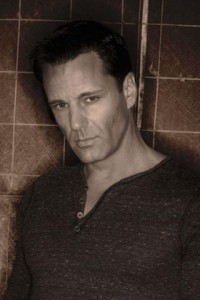
Todd Tucker talks about working make-up effects for "G.I. Joe: Retaliation" and The Smurfs 2"

Todd Tucker is the owner of special make-up effects studio, Illusion Industries. He has worked on films like “Hannibal”, “Pirates of the Caribbean  The Curse of the Black Pearl” to TV shows like “Soutland” and “Hannah Montana”. 2013 is a very busy year for him with seven projects aiming to be released including “G.I. Joe: Retaliation” and The Smurfs 2″.  Media Mikes had a chance to chat with Todd about these projects and what we can expect.

Mike Gencarelli: Let’s breakdown your projects for 2013, first let’s chat about your role working on “G.I. Joe: Retaliation”?
Todd Tucker: Unfortunately with this film, I can’t tell you exactly what we did yet but I can describe our experience. What I can say about “G.I. Joe: Retaliation” is that I think the fans are really going to dig what we did on this one. We did a number of different aspects including character looks etc. The first film was cool but it felt a little too much like a video game. It was very CG heavy. Jon Chu, the director, really made this film look like it was happening. Everything is very practical and it feels like you are really experiencing what you are seeing, as oppose to playing a game. The actors are really good at locking in their characters and not making it cheesy. I think this film is going to be very cool and also visually off-the-charts.

MG: Tell us about your work on “The Smurfs 2” and how does it compare from the first film?
TT: It cool since right when I started Illusion Industries, we got called to work on “The Smurfs” and we designed and created the look for Hank Azaria. We made all the appliances. He has a fake nose, dentures, ears, eyebrows and hair. So he looks pretty different. For the first movie, I wasn’t able to be on set. We created everything, did the make-up tests and then handed it off to somebody else. For “The Smurfs 2”, I got to go to Montreal and worked on Hank Azaria’s make-up for the whole show. It was interesting since we started to used the same nose and ears from the first film but Hank had lost some weight and was a little more buffed out. So we had to go in and re-sculpt the nose and downscale it a little bit to adjust for the look. For that point on, we had to just maintain him daily. He is just such a great actor and perfect for the role. He really brought it to life for sure.

MG: We go from action to animation to drama, tell us about your role in “The Iceman”?
TT: Originally we were going to do all sorts of character age make-ups for this film but then we found out it was not going to help the film. We then created all these period looks. We made all the wigs, mustaches and hairpieces. We did a few things on the lead actor, Michael Shannon, for the film. I can tell you this, I saw it at the Toronto Film Festival and I am not a big mafia movie fan but this movie is intense and the performances are great. I was very proud to have my name at the end of this movie.

MG: If you had to choose out of these three films above, which was the biggest challenge?
TT: The most challenging was “G.I. Joe: Retaliation”. We have our main studio here in Burbank but I also have another in New Orleans. The only problem is for “G.I. Joe: Retaliation”, the build was kind of big and they wanted us to relocate everyone to our Burbank studio to there. So we had to all relocate and move into a haunted house for three months [laughs]. So that was a fun but also a challenge. But it was a really cool project to work.

MG: Can you give us an idea about your work on “Fright Night 2”?
TT: The DP on the film I co-wrote and directed “Monster Mutt” is also the DP on “Fright Night 2”. They were filming the movie in Bulgaria around Christmas time last year. They were going through some changes and need us to come up with a creature design for the finale scene. So two of my guys here put it together very quickly and traveled it down. I think it is going to be very cool.

MG: With the films mentioned above and TV shows like “Southland”; do you enjoy the variety of genres?
TT: The thing that is cool is that all different movies and TV shows that we have coming out this year are ranging all across the board. We have family, horror, action, drama and TV shows. We occasionally work on “Sons of Anarchy” and do a lot for the Disney Channel. We are also working currently on Conan O’Brien’s show doing these zombie skits. So yeah, we really like to dapple in all the different genres.

MG: Tell us what else you got planned for 2013?
TT: This year alone in 2013, we have seven films coming out. We got “G.I. Joe: Retaliation” and “The Smurfs 2”. We just finished “Fright Night 2”. we did a movie called “Deadlock Pass”, which was shot in Russia by Renny Harlin. Just did a film called “The East”, which I saw at Sundance and it was a really great flick. Also did a movie called “Fort Bliss”, which is a drama. We are still also doing some TV with Disney Channel. We also have an in-house production company that we produce, direct and come up with in-house projects. We did a family film that I mentioned called “Monster Mutt”, which just came out on DirecTV, iTunes and Vudu this month. It is also available on Walmart.com, Target.com and Amazon.com. So that is doing pretty well. We also have two in-house projects that I am directing this year. One of them is an action/horror film and the other is a very dark fantasy. We are looking forward to that.

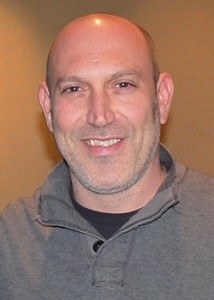
Rachael Ma talks about her role in "Robot & Frank"

Rachael Ma stands at just under 5 feet and can currently be seen in the role of the robot opposite Frank Langella in “Robot & Frank”. If you have seen the film you know that Peter Sarsgaard is the voice of the robot but as Rachael puts it “people…literally think the robot IS a robot”. Thanks to Alterian, which is the company behind the LED helmets worn by the electro duo Daft Punk, Rachael gives wonderful life to this role. Media Mikes had a chance to chat with Rachael about the film and what she has planned next.

Mike Gencarelli: Tell us how you get started acting, singing and dancing?
Rachael Ma: My mom owns a dance studio in Fort Lauderdale, Florida and was a dancer herself. I was born into it. Being a dancer first, it was very easy to channel physicality into acting and singing. Movement tells a story.

MG: How did you get involved with the role of the Robot in “Robot and Frank”?
RM: The whole process was very quick; from my first casting (interview) to the first day of shooting was, only 2 days. Originally, the robot was supposed to be performed by another girl, a friend of the director, and the suit was specifically built to her body specifications. But the first time she tried it on in its entirety, she had a claustrophobia and refused to go back in it. I was a replacement and was brought in mostly because I fit the costume (and was willing to have claustrophobia).

MG: Tell us about the costume itself; was it different to act in?
RM: The heat, lack of vision and immobility of the parts made bringing the robot to life difficult. The robot is all-encapsulating in two layers: the first layer is a thick, rubber unitard that covers everything- head to toe, and then a delicate, fiberglass shell of body parts, including non-ventilated helmet lined in mesh and foam. No breathing room, no A/C, no fans. Just sweat. And wow, it was hot! We shot 12 hour days, outdoors, during a heat wave in the summer for 5 weeks. I was constantly dehydrated, nauseous and fainting. The helmet was another challenge because it was lined with a thick mesh and decreased my vision by about 70%. When we shot at night, I did everything in the blind. The robot joints are clunky and bulky which also made mobility a challenge. As a dancer, I have a fine understanding of controlling movement and to deliver a robot that appeared smooth, grounded and with precise comedic timing in its gestures, was no easy task. I rehearsed and analyzed its walk, its head quirks and wanted to develop certain nuances that made the robot lovable.

MG: Was there any particular scene that sticks out to you?
RM: In one scene I was supposed to catch a mimosa flute that falls off a table- it was no movie magic- I caught that glass out of thin air 13 takes in a row! Clunky robot hand and all! It was miraculous.

MG:Tell us about taking the show “Nutcracker: Rated R” to Tokyo?
RM: I’m in my 4th season of “Nutcracker: Rated R” and am so excited its going to Tokyo. My friends tell me Tokyo is like being in a city in the future, which is kind of funny because I feel like I’ve already been to the future with “Robot and Frank”.

MG: How do you feel that stage differs from film and TV?
RM: Acting for the stage is a whole different beast. Its film/TV acting on steroids. Shifting between stage and screen takes adjustments in my mindset and body, but I always approach whatever work I’m doing thinking of the audiences perspective. It helps me focus on what needs to be seen.

MG: What else do you have planned for 2013?
RM: In 2013 you can expect to see me in New York City’s Broadway/off-Broadway shows, in Tokyo with the raucous ‘Nutcracker: Rated R’, and the occasional film/TV/commercial stint.

John Hyams talks about directing "Universal Soldier: Day of Reckoning"

John Hyams is the writer and director of “Universal Soldier: Day of Reckoning”, officially the fourth film in the series. John breathed new life into this franchise with “Universal Soldier: Regeneration” also reuniting Dolph Lundgren and Jean-Claude Van Damme. Media Mikes had a chance to chat with John about this franchise and the latest film.

Mike Gencarelli: Tell us where “Universal Soldier: Day of Reckoning” fits in the franchise?
John Hyams: When I first became involved with the Universal Soldier franchise in 2009 (with Regeneration) the idea was to focus on the broad mythological themes while ignoring specific storylines from the previous films. Although it was an action movie, I immediately responded to the Frankenstein myth elements, which kept one foot firmly planted in the sci-fi and horror genres. I felt that a movie made 20 years after its predecessors should be a stand alone film, while at the same time pay respect to the mythology of the first movie. With Day of Reckoning, the idea was to embrace the very same challenge – to make a movie that picked up where Regeneration left off, from a mythological standpoint, but could also stand alone as a unique interpretation of the material. This time we focused more on the psychological horror elements. We aimed to create a subjective, often hallucinatory experience, punctuated by moments of explosive action and violence. So, to me it fits right next to Regeneration, where they both can stand together or alone.

MG: Tell us about working with and also reuniting Dolph Lundgren and Jean-Claude Van Damme?
JH: Regeneration served as a more formal reuniting of Dolph and Jean-Claude, since that movie pitted the two against each other, and allowed for a dramatic showdown more reminiscent of the scenario from the first movie. This time, their characters served a different function – as obstacles standing in between our protagonist, played by Scott Adkins, and his goals. As for working with them, I know them better this time around and we have a comfortable working relationship. I like them both as people and collaborators, but they’re very different from each other and present unique challenges. Jean Claude is emotional and leads with his heart, whereas Dolph is more analytical, and thinks in more technical terms. We all had a good time working on this one.

MG: What made take on the role of writer, as well, this time around?
JH: It’s always better to be involved with a story from the ground up. By coming up with the story and writing the script I could take part in the evolution of the mythology, and take it into directions I’d like to see it go. Ultimately, it leads to a much more interesting, challenging experience.

MG: After four films in the franchise, tell us about turning the hero Luc Deveraux into the villain?
JH: Regeneration ended with Luc Deveraux escaping. Day of Reckoning answers the question of what happened to him after he escaped. In order to facilitate this story, it was necessary that we introduce a new protagonist, whose journey was to find Luc Deveraux and, in this case, attempt to kill him. Therefore, Luc is the antagonist of the story… however, whether or not he is actually the villain is the central idea the film seeks to explore.

MG: Tell us about the decision to shoot “Universal Soldier: Day of Reckoning” in 3D and was it a challenge?
JH: It wasn’t my decision to shoot in 3D, the producers sold it that way oversees, so it was part of the deal. 3D is a huge challenge because, quite simply, it costs more money and takes longer. So, on a budget as low as ours, it leaves you with less shooting days and less hours each day to work with. Therefore, the fact that it was going to be shot in 3D directly affected the content of the story. In essence, the decision to focus on subjective, horror thriller elements instead of large scale spectacle was informed by our budgetary constraints, due in large part to working in 3D. From an aesthetic standpoint, we used 3D to create an immersive environment. Since the perspective of the movie is very subjective, we felt that 3D could help enhance that feeling of being in the room with the characters while they interact. Conversely, we avoided the ‘comin-at-ya’ gimmickry often associated with 3D. The goal was to make the film work just as well in 2D as 3D.

MG: How did the productions differ from “Regeneration” To “Day of Reckoning”?
JH: Regeneration was shot in 2D, had a bigger budget and was shot in Sofia, Bulgaria, whereas Day of Reckoning was shot in the US. Therefore, Regeneration had a shooting schedule of almost 47 days, vs Day of Reckoning, which was shot in 29. So, Regeneration was larger in scope, involved more group battles, and was more of a straight action movie. Day of Reckoning, because of it’s schedule, became a much more intimate movie, though in some ways I think we achieved some even better action this time around.

MG: With 2012 being 20 years from the first film, how do you feel this franchise has evolved?
JH: I feel like the first Universal Soldier film was a product of its time, when movies like Terminator and Robocop had inspired an interest in bio-mechanical ideas. That coupled with the tongue in cheek nature of action movies from the 80s and early 90s, led to an aesthetic that was very much of its time. It did not take itself too seriously, and, in fact, embraced the comedic aspects of the story. For Regeneration and Day of Reckoning I took my cues from films like Alien, Sorcerer, The Terminator, as well as films by John Carpenter, David Cronenberg, among others, to create an aesthetic that took the mythology seriously, and tried to create a believable aesthetic. That idea led to the dark, serious tone that ended up dominating the proceedings.

MG: How was it getting to bring this series back to theaters after going DTV?
JH: I feel a sense of accomplishment that we took a franchise that had long been forgotten and reintroduced it in a way that created renewed interest. From the discussions I’ve had with people, whether during interviews, film festivals or on Facebook, there seems to be an appreciative audience out there that Is pleased with the direction we’ve taken things.

MG: Now that you have life back to “Universal Soldier”, do you see yourself continuing with this franchise?
JH: I have been developing a concept with the producers that we imagine as a larger scale production. If we are able to raise the budget necessary to execute these ideas, than I’d be interested.

MG: Can’t wait to see what you have planned next, any ideas?
JH: In addition to Universal Soldier, I’m developing a potential action franchise with a renowned sci-fi writer, as well as finishing an original screenplay of my own. Other than that, reading scripts and meeting with producers. Truth be told, I’m itching to get back in the trenches. When I’m not making a movie I feel like Captain Willard — drunk, naked and bleeding in a Saigon hotel room, just waiting for a mission.

Julia Davis talks about documentary "Top Priority: The Terror Within"

Born in Russia, Julia Davis seemed to have a fairy tale life. She met and fell in love with filmmaker B.J. Davis while he was making a film in her hometown, emigrated to the United States and, armed with her educational degrees, found a job in one of this country’s most important agencies – the Department of Homeland Security. However, the fairy tale took a horrific twist when Ms. Davis reported to her supervisors what appeared to be a security breach of top priority. Rather then investigate her report the agency, and others within the U.S. Government, set out to discredit her, as well as subjecting her family and friends to unimaginable harassment. It took almost a decade but the truth has finally come to light. With the DVD release of the whistle-blowing documentary film of which she is the subject, “Top Priority: The Terror Within,” Ms. Davis graciously took some time out to talk with Media Mikes about her life since the film was released and her plans for the future.

Mike Smith: What made you choose to go into a career with the government?
Julia Davis: Since my childhood, I always had an interest in police work and investigative matters. After 9/11, I felt the need to serve our great nation, helping to safeguard it from any future terror threats. Since I speak multiple languages, I thought that my abilities could be put to good use by the federal agencies responsible for protecting our national security.

MS: Do you believe that all of the retribution towards you was brought on because you simply embarrassed the government?
JD: I’ve often wondered whether the reason for such unprecedented magnitude of retaliation was embarrassment or corruption. Customs Service is historically the most corrupt federal agency. Even the former Port Director of the San Ysidro Port of Entry where I worked (which is the largest and busiest land border crossing in the U.S. and in the world), Daphiney Caganap was caught red-handed for accepting bribes to allow drugs and illegal aliens to cross the border. It is certainly not outside the realm of possibility that someone intentionally allowed 23 subjects from terrorist countries to enter the U.S. without following proper procedures, in exchange for a bribe or because of another sinister motive.

MS: How were you able to obtain the various taped testimonies and video surveillance footage that appears in the film?
JD: In retribution for my whistle-blowing disclosure, my husband and I were twice maliciously prosecuted and falsely imprisoned. We eventually prevailed against the Department of Homeland Security in those legal proceedings and were declared factually innocent. At that point we filed a lawsuit against the DHS to hold them accountable for their outrageous, unconstitutional actions. Discovery procedures provided an opportunity for us to depose the Defendants, videotaping their testimony. The Blackhawk helicopter raid of our house was recorded by our neighbor, Mathew Judd. Shortly after giving us the tape and his statement, this healthy 25-year old man was found dead. Over the years we were subjected to extensive surveillance by fixed wing airplanes, helicopters, vehicles and agents following us on foot. We’ve been meticulously documenting what could be described as living in the movie “Enemy of the State”. The documentary contains 517 video, audio and document image inserts. Since the magnitude of the case is so unbelievable, we were determined to illustrate every fact with irrefutable evidence. Director Asif Akbar and Editor Paul Robinson labored tirelessly to make an enormous amount of evidence available to the viewing audiences. I can’t say enough to praise their dedication to getting the story told in a way that leaves nothing to speculation. What is shown in a film is not an allegation or contention, but facts, accompanied by audiovisual proof.

MS: Since the film was made have you been able to find anything that might further link this case with the deaths or Brittany Murphy or her husband?
JD: I’ve requested and obtained an extensive number of records from the Department of Homeland Security/ICE, which contained the evidence that Brittany Murphy and Simon Monjack were about to be prosecuted for alleged “immigration marriage fraud” shortly before Brittany died. As a matter of fact, Britt’s death is the only reason the prosecution didn’t go forward. I find it highly suspicious that the same agency (DHS/ICE) was utilizing exactly the same methods (helicopter and vehicular surveillance, entertainment industry work interference, investigations, etc.) to pursue my husband and I, just as they did to Britt and Simon after she became a witness in my case. Brittany and Simon exhibited numerous symptoms of acute poisoning prior to their deaths (including vomiting and abdominal pain), but neither their hair nor tissues were ever tested for toxins, poisons or heavy metals. Brittany’s father, Angelo “AJ” Bertolotti is continuing his fight to get his daughter’s hair and specimens finally tested by an independent laboratory. He is now represented by George Braunstein, Esq. – an esteemed attorney who was involved in securing a proper autopsy with respect to the death of Sylvester Stallone’s eldest son Sage. We are determined to find out Brittany’s and Simony’s true cause of death, which will start with proper medical testing of their specimens.

MS: You often appeared on television as an anti-terrorist expert before this happened. Are you still able to do this or has this case maybe scared off the networks?
JD: I still write for the Homeland Security Examiner and appear on network television as an anti-terrorism/immigration expert, but my case is undeniably too controversial for the mainstream media. Amongst other things, the documentary explores the connections between our government agencies and the MSM. It is disappointing, but no longer surprising.

MS: Were you able to take any action against the police departments that falsely stopped you?
JD: We’ve made a report to the San Diego Police Department that addressed the unlawful actions by the officers of their motorcycle traffic division (including Officer Steve Webb, who conspired with the Department of Homeland Security in conducting an illegal traffic stop). Much like the DHS, they took absolutely no action to hold anyone accountable.

MS: You have a Masters Degree in Aviation and Spacecraft Engineering. Any desires to pursue that field again?
JD: I studied engineering to follow in my parents’ footsteps, particularly because my father was an ingenious, award-winning inventor in that field. While I still love technology, I believe that creative expression in its various forms is my true calling. There are many important stories that need to be told and I intend to do my part in making that happen, as a Director, Producer, Screenwriter and an Investigative Reporter.

MS: What are your plans for the future?
JD: As they say, “People plan and God laughs”. My main goal and objective is to do my best to make this world a better place, one day at a time. I plan to continue making movies, writing books and news articles/investigative reports. I also plan to continue with my ongoing efforts to ensure that meaningful whistleblower laws finally get enacted, which would include jury trials and protection for national security whistleblowers.

MS: Finally, what would you say to someone who finds themselves in the position you were in and knows of what extremes others will go to prevent the truth from coming out?
JD: I would tell them to hold on tight, as they’re in for a wild ride. Most importantly, I would implore them to never surrender, never lose hope and never stop telling it like it is (even when it seems like no one is listening). Truth, justice and the American way is about doing the right thing, no matter the price.

R.I.P. David R. Ellis – Flashback Interview for "Shark Night 3D"

I was very saddened to find out that David R. Ellis has passes away on January 7th, 2013. He was the director of action films like “Shark Night 3D”, “The Final Destination” and “Snakes on the Place”. Here is our interview from August of 2011 with the late director to chat about working on “Shark Night 3D”.

Mike Gencarelli: How did you originally become attached to “Shark Night 3D”?
David R. Ellis: I had done “The Final Destination”  in 3D which ended up doing really good. Those attached to the “Shark Night” project wanted to make this film in 3D as well. I had been attached to the project for some time prior to the film being made. I was the only person out there that had done a full live action 3D movie. They brought me in to meet with the producers and I pitched to them what my vision for the film was. They immediately attached me to the film and from there they started to pitch the film for funding with my name attached to it.

MG: What can we expect from the film?
DRE: There is a lot of comedy and fun in this film. It’s not a horror but it is a scary. The film is rated PG-13 however we really pushed the envelope with what we could get away with. The film plays like an R rated movie but we just don’t cuss or have boobs in it. We don’t really need that to make a scary movie. I don’t think boobs are that scary. Maybe some are. (Laughs) During our test screenings we made people jump and scared them but they also had a lot of fun with the movie. We spent time developing the characters and we have a great young cast. I like finding young actors and giving them a shot such as Chris Evans who I had in “Cellular”. I think everyone in this film are going to be big stars in their own right and I was very lucky to get them before they broke out.

MG: We have spoke to the whole cast and they have been telling us that you are one of the best directors to work with and you have this unique approach to directing; can you tell us about that approach?
DRE: Well I pay them to say that [laughs].  No seriously, when I cast actors I cast people who have the ability to adopt the part and who can get into the role. I like to then give them free reign in designing that character from what they want to wear and what props they may want to use. Making a movie is not brain surgery so my sets are a lot of fun to work on. I come very prepared and we have fun while getting our work done. At the end of a movie it’s sad because we made a new family and you have to leave that. Keeping everything light is key. Appreciating everyone working on the film for what they contribute and not yelling and or screaming is important as well because at times we were shooting in miserable conditions but by keeping it fun everyone stepped up to the plate and did a great job.

MG: How much of the film features animatronic sharks and how much was CGI?
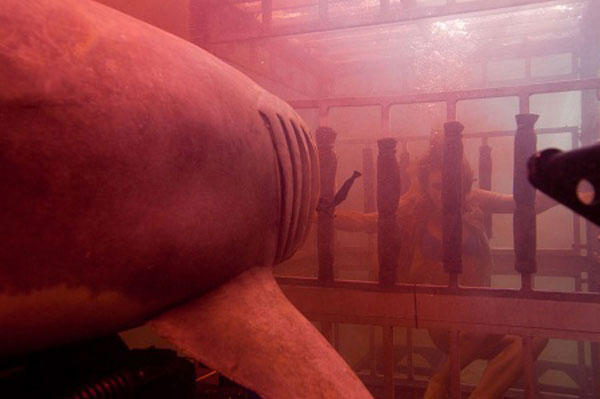
DRE:  It’s probably 40% animatronics and 60% CGI. We used the animatronic sharks when they had to interact with people. When a scene was really difficult we used the CGI sharks.  The CGI has really come a long way and looked great, especially since I was directed the second unit on “Deep Blue Sea”.  The technology from then to now is amazing. The sharks look great!

MG: How do you “Shark Night 3D” differs from your other 3D film “The Final Destination”?
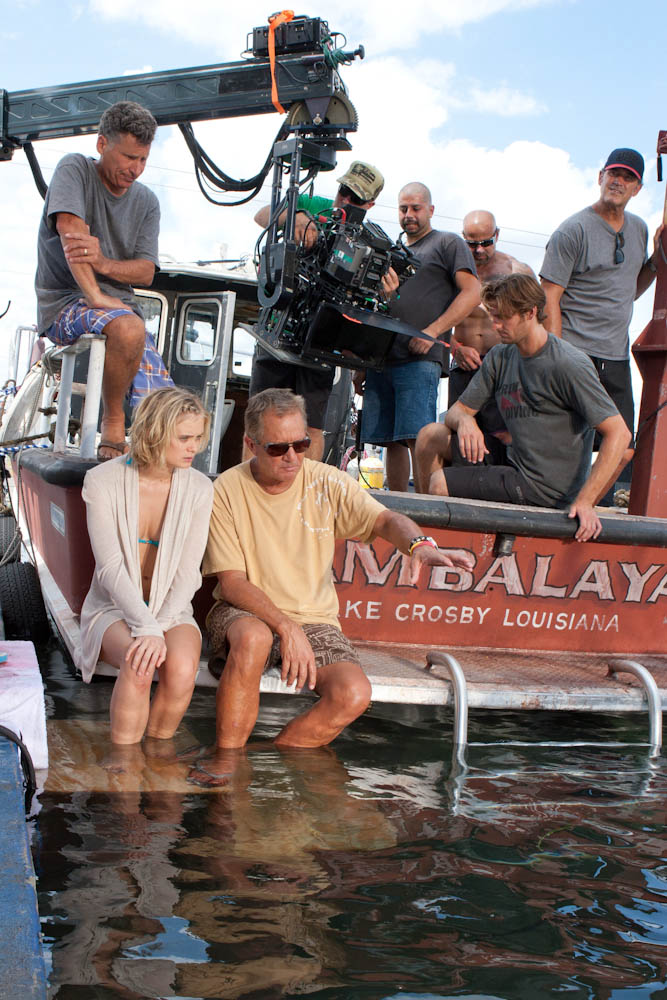
DRE: This one was more difficult because we were shooting on the water. When you are using 3D cameras you have one camera for the left eye and one for the right. They are very bulky and underwater they are very big so it’s technically tough for the crews. I think 3D films need to be shot in 3D nd not converted in post production, as I feel you don’t get the depth. I call that ‘2 and a half D’. What they have now that we didn’t have for “The Final Destination” are 3D monitors. You get to watch everything in 3D as its being shot. Before you had to shoot then put it into a computer and watch it in a trailer later on.

MG: Can you tell us the story behind the issues with the film’s title?
DRE: The working title of the film was “Shark Night 3D”. We were always hoping that we would come up with something that was catchier. On a weekly basis we had production meetings where I would try and get the crew to suggest different titles. Ultimately when the film was bought after we were done there was some research to change the title but in the end the film is what it is and the title was fitting.

MG: Do you prefer shooting in 3D or do you find it more difficult?
DRE: I love 3D and its depth. I think a lot of films use the really gimmicky type 3D that throws stuff into the audience. We didn’t do that. We used the 3D to put the audience inside the world of the shark and to have the sharks in the audience. The gimmicks work for some movies as 3D is an interactive experience. I think 3D is a great application and it’s going to be around for a long time. It may not be for every film but for the right film if it’s used correctly it’s an awesome experience.

Vlad Yudin talks about directing the long-awaited follow up to "Pumping Iron" titled "Generation Iron"

Photo Credit: Bobby Quillard

Growing up in Russia, Vlad Yudin took advantage of his countrymen’s love of movies by seeing pretty much everything he could.  Be they action films from America or the more “art” films of Europe and Asia, each time he left the theatre he could envision himself making movies one day.

After a successful series of documentaries on rap artists like Big Pun and Twista, he turned to features.  His first film, “Last Day of Summer” earned good reviews and can currently be seen on the various Showtime cable television channels.  His next project is “Generation Iron,” a revisit to the world of professional bodybuilding that was made popular in the 1977 documentary “Pumping Iron,” the film that introduced Arnold Schwarzenegger to the world.  What was intriguing about “Pumping Iron” was not the actual body building contest but the mental contest played between the participants.  In one segment Schwarzenegger senses that Lou Ferigno is not mentally ready to compete and slowly begins to attack him.  By the time Ferigno took to the stage he was already a loser in his mind, enabling Schwarzenegger to win his 7th consecutive Mr. Olympia title.  The film also serves as an early example of the sheer willpower that Schwarzenegger has to achieve whatever his goals may be, from Mr. Olympia to Hollywood star to Governor of California.
While in post-production on “Generation Iron”, Mr. Yudin took time out to talk about his inspirations, the benefits of bootlegging and his upcoming projects.

Mike Smith: As a young man growing up in Russia what inspired you to try your hand in the film business?
Vlad Yudin: As a young boy I enjoyed going to the movies…all kinds of movies. Living in Russia gave me access to films from all over the word. European films, American films, Asian films…I used to watch everything. I would watch a film and think about what it would be like to make one. So that’s where the interest came from and I kept that interest growing and growing and growing and little by little I got into it.

MS: We’re there a lot of western films available to you?
VY: In Russia in the early 1990s there was a lot of bootlegging going on. You could get almost anything on VHS tapes. So we would buy them and trade them with each other. That gave us a chance to see everything from action films to horror films.

MS: Addressing “Generation Iron.” What made you want to revisit a film like “Pumping Iron” and update it?
VY: Well first it’s important to mention that “Pumping Iron” was a monumental film. Not only as a documentary, but as Arnold Schwarzenegger’s introduction to the world. It changed the entire fitness industry and introduced body building to the world. In the 35 years since it’s been released the fitness industry has gotten huge…it’s big all around the world, but the sport of body building is still relatively unknown. It seemed like a great sport to revisit and to try to introduce some characters who just happen to be body builders. I think that’s what made the first film so interesting and fun to watch. The guys were just so colorful. So to me it made sense to revisit it.

MS: Besides the present day body builders will there be any appearances by some of the original “Pumping Iron” stars, like Schwarzenegger or Lou Ferigno?
VY: (laughs) I will only tell you that there are a lot of cameos. And that fans of the original “Pumping Iron” will not be disappointed.

MS: The competition aside, to me the best parts of “Pumping Iron” were the behind the scene looks at the various competitors and their lives. Will “Generation Iron” continue that theme?
VY: Definitely. That’s what really made the film. The great access I had to these guys behind the scenes…how they prepare. I mean, the most important thing is the preparation. In body building, when you go on stage and pose you’re showing off what you’ve been working on for the last year. Dieting…working out…your lifestyle…pushing your body to its limits every day. This is all of the stuff that takes place off stage. This film is about how much these guys want to win and how seriously they take it.

MS: A lot of your work to date has been documentaries. Do you hope to branch out and create fictional feature films?
VY: Absolutely. I would love to work in both directions. To me it comes down to making an interesting film…be it a documentary or a narrative feature. As long as the film is interesting to watch.

MS: Do you have a project planned after the release of “Generation Iron?”
VY: A few projects. “Generation Iron” is scheduled to come out this summer. Then we have a graphic novel being developed called “Head Smash” which will then be developed into a feature film. The graphic novel will be unveiled this year at the San Diego Comic Con. We also have a horror film in post production called “Catskill Park,” which should be ready by the end of the year.

Scoot McNairy chats about roles in "Argo", "Killing Them Softly" & "Promised Land"

2012 has been a busy year Scoot McNairy co-starring in three major films including “Argo”, “Killing Them Softly” and “Promised Land”. Scoot broke out last in 2010 with his role in Gareth Edwards’ “Monsters” (brilliant film BTW). Media Mikes took out some time to chat with Scoot to chat about 2012 and what he has planned for 2013.

Mike Gencarelli: You got to work with Brad Pitt in “Killing Them Softly” and Ben Affleck in “Argo” and Matt Damon in “Promised Land”, how was it going up against these actors?
Scoot McNairy: Not sure what it means to go up against these actors. I feel more like its an opportunity to work WITH these actors. I have watched ALOT of films over the last 20 years and some I watch over and over again. Most of these films in the past that I really loved have had Matt or Ben or Brad in them. So I was just really excited to be working with these guys based on the films that I had seen them in over the years. It was a great experience on all three of the films. I’m just really looking forward to working with them all again in the future.

MG: Your role in “Argo” as Joe Stafford was quite intenseand emotional; tell us about working on this film?
SMN: “Argo” was such a great experience. Working with everyone on that film down to the crew and the cast because you really felt like everyone really wanted to be there and were very happy to be on that job. Ben is an incredible filmmaker not just with “Argo” but his other two films as well. As far as the emotional aspects or the intensity, I think it was an emotional and intense time so we were all just trying to capture that and i think Ben did a great job at doing that.

MG: Out of the three roles, what was your most challenging and how did you prepare?
SMN: Well “Promised Land” was a role that felt very close to home for me being that I spent a lot of my childhood on a farm in Paris Texas. So that was really drawing from what I knew.
“Killing them Softly” was most challenging just based on I felt as though I had a lot riding on that film. I was a big fan of Andrew’s (Dominik) last two films, so I just wanted to focus on the work and be on point for Andrew. It was a lot of preparation during that film that I have blocked out of my head. As well we filmed that almost two and a half years ago now.

MG: After a high-profile 2012 year, what do you have planned for 2013?
SMN: I really looking forward to seeing Steve McQueen’s film “Twelve Years a Slave”. I had a wonderful time working with him. I’m also got a few others shooting this year called called “The Rover” and another film called “Frank”. They should be out end of 2013 or beginning of 2014.

Richard Riehle talks about playing Santa Claus, “Office Space” and “Texas Chainsaw 3D”

Richard Riehle is best known for his cult favorite role of Tom Smykowski in “Office Space”.  He has played Santa Claus more than five times, including films like Disney’s “The Search for Santa Paws” to “A Very Harold & Kumar Christmas”.  Besides comedies, he has also broke out in the horror genre with films like “Hatchet” and the upcoming “Texas Chainsaw 3D”.  Media Mikes had a chance to chat with Richard about his amazing career to date and his love for what he does.

Mike Gencarelli: After playing roles in over 150 films and over a 100 TV series; what keep you drives and keep you inspired?
Richard Riehle: I love it because every project is a new experience and adventure. You go from playing Santa Claus one day to a serial killer the next. It offers all sorts of opportunities to try new things. Whether it is for a physical or psychological role. It is just great.

MG: Since it is the Holiday season, I have to ask what do you enjoy most about playing Santa Claus five times now, most recently in “A Very Harold and Kumar Christmas”?
RR: They are all different. It ranges from “The Search for Santa Paws”, which is a family film with talking dogs, to “A Very Harold and Kumar Christmas”, where I am a bong smoker [laughs]. I just love it.

MG: Can you tell us about how you got involved with “Office Space”?
RR: “Office Space” was just an amazing experience. Mike Judge spent a long time casting it, partly because he wanted a group of people that enjoyed hanging out with each other. I think that aspect really shows in the film. We got down to Austin and he told us flat out that we are going to be working some long hours but that every night he would take us out to the clubs or dinner. We just had a great time. It was a 26 day party.

MG: Can you reflect on the cult following that the film and your role Tom Smykowski has developed over the years?
RR: It has been absolutely amazing. When it first came out it wasn’t in theaters very long. We were excited about the good response it got and our work in it but we figured that it was done with. But about six months later, people were stopping me in the streets and asking me to quote the film. It just so happened at the time, I was doing a show for Fox, so I ran into Mike and he said it just came out on VHS and cable and has developed this whole new life. The most amazing part for me is that it has continued still through today. People are still quoting the film and spreading the word to their friends that haven’t seen it. It is just great.

MG: I have the “Office Space” stapler on my desk [laughs]
RR: [laughs] I will tell you a fun story about that stapler. I was at a cigar place in Beverly Hills. We were about to leave but my friend said that Sammy Hagar just called and said he was coming in and always brings a bunch of really beautiful girls. So we ordered another round and waited. Sure enough he came in with all these beautiful girls. Before we left my friend said he wanted to show me his humidor, which was right under Arnold Schwarzenegger’s. So as we were leaving two of Sammy’s girls where heading to the bathroom and they stopped me and said “Oh you were in “Office Space”, can we have an autograph?” I said “Sure” and they asked me to put down the line about the stapler. I said that actually wasn’t me and that was my buddy Stephen Root…but I was in the film. I asked them again if they still wanted an autograph and they said “Yes, please…and can you put down your line about the stapler?” [laughs].

MG: You not only just play roles comedies, you have a nice range into horror genre like “Hatchet”; what do you enjoy most about switching it up in films like that?
RR: “Hatchet” was sort of my introduction to horror. I have always enjoyed watching them but for some reason I never got cast in them. A buddy of mine, Joel Moore, was played the lead in the film and called and asked if I wanted to fill in for someone that dropped out. I told him “Of course” and that I was waiting to do one. It was just such a great and fun experience. Since you are dealing with these horrific things, it is usually one of the most fun sets to be on – horror films in general. Horror films are also shot all over, so you get to go to all sorts of strange and cool places. I did one called “Growth” and we got to shoot in Martha’s Vineyard, which was terrific and we got to explore the island, which was amazing.

MG: Tell us about your role of Farnsworth in “Texas Chainsaw 3D”?
RR: “Texas Chainsaw 3D”, which comes out January 4th, was shot in Shreveport, Louisiana. I had never been there either. We shot a bunch of it on this old munitions plant from WWII. The film is really a great idea and it works really well. They go back to the original “Texas Chainsaw” from 1974 and start from the last shot of that film with Sally jumping into the pickup truck. Leatherface goes back to his house after his dance of frustration. The local police chief shows up at the house and tries to bring him in but the family will not let him do it. A group of vigilantes show up and level the place and everyone is thought to be dead. 18 years later, the grandmother of the whole group, who is living in a mansion outside of town, dies. I play Farnsworth, her lawyer, and I have to find this girl that supposedly didn’t die during the attack and bring her back and offer her this mansion. But then of course…all hell breaks loose!

MG: Do you have a role that stands out for you’re as most memorable or challenging?
RR: I certainly love Tom Smykowski in “Office Space”. It was a wonderful experience doing it and since then it has lived on. I really like playing Carlson in “Of Mice and Men”, which was a while back. He is the guy that shoots the dog. I also did a TV series on Fox a while back called “Grounded for Life”, which was a wonderful experience as well. The thing is that it goes back to your first question; every role is so interesting and different and each with their own individual challenges. My next role is always going to be my favorite.

MG: What other projects do you have in the cards for 2013?
RR: It is hard to tell. A lot of the projects I do are these little independent films. The greatest difficulty is not so much getting them in the can, as it is finding distribution. I did this Western called “Dead Man’s Burden”, which I really liked. Clare Bowen, who is one of the leads in “Nashville” right now, is the lead in that. It was shot in New Mexico with no time and money. So that was recently shown in an LA film festival and I thought it came out really good. So keep an eye out for that one hopefully soon.

Eric Jacobus talk about playing Stryker in “Mortal Kombat Legacy 2”

Eric Jacobus is the founder of  The Stunt People with Ben Brown and Chelsea Steffensen in 2001.  He released his film “Death Grip” in which he took on the role of Writer, Director, Lead/Stuntman, Choreographer and even Editor. He recently worked stunts in the upcoming “”A Good Day to Die Hard” and also took over the role of Stryker in “Mortal Kombat Legacy 2”. Media Mikes had a chance to chat with Eric about his role in Mortal Kombat Legacy 2″ and what else he has planned next.

Mike Gencarelli: Give us some background about how you got started in martial arts?
Eric Jacobus: I was a late bloomer in martial arts. My small town of Redding, CA didn’t have many martial art schools, so I took to weightlifting. Martial arts may have helped with the bullies in school but I had a knack for talking my way out of everything, plus the weightlifting made me stronger than them anyway. I remember a kid was once pushing me around in the locker room, so I just grabbed his arms and pushed my foot against his chest and pulled until he dropped… Come to think of it I think that’s a Fatality move from Mortal Kombat. When I began producing action films in San Francisco around the age of 20, I wanted to exhibit the authenticity of a real martial artist, which made me seek out training. So I didn’t start training until I was 20. First I studied Tae Kwon Do under Andy Leung, and then Myung Jae Nam-style Hapkido under Dennis Ruel and Ray & Troy Carbonel. I’ve been doing Hapkido for eight years. Now the town I grew up in has either a mixed martial arts or trick martial arts school on every corner. Things have changed so much in just the last decade – everyone in America understands martial arts thanks to the widespread appeal of MMA, and you can see this paradigm shift influencing fight choreography in major Hollywood films.

MG: How did you end up replacing Tahmoh Penikett to play Stryker in “Mortal Kombat Legacy 2”?
EJ: I don’t know the logistics behind the change itself. It could have been a schedule issue, who knows? These kinds of things happen all the time. But the kind of character I’m known for playing in films is the underdog tough guy who is always looking for a way out of a fight, using his head for the most part but able to throw down when necessary. Some people have even called me the “white Jackie Chan.” Stryker is
a human in a supernatural world, a Jack Burton with handcuffs, and he brings real human emotions like fear, confusion, and humor. These are emotions I’m comfortable playing, so when the choreographer Larnell Stovall told me I should play Stryker I knew it was the perfect part for me. Hell, minus the cop part I play this character on a daily basis.

MG: How did you research to play such a well-known character as Stryker?
EJ: I played Mortal Kombat to the death as a kid at the local arcade. The funnier, underdog human characters like Stryker and Johnny Cage appealed the most to me because I could relate to them. Stryker’s also a riot cop. He protects the innocent, keeps the peace, and shoots to kill, a very black and white character (or black and blue). His gear is typical police equipment; gun, taser, mace, cuffs, and a baton, which I didn’t know how to use. This is where my stunt team The Stunt People comes into use. One of our members Yun Yang is a Kyokushin Karate practitioner, and he showed me how to use one. I also had a fair amount of on-set sidearm training with a firearms expert. But training in the art of police brutality itself was a non-issue – you could call that a personal character trait of mine. Protect the good guys, beat up the bad guys, no problem.

MG: What can you tell us about your episode this season?
EJ: This season I team up with Johnny Cage and we have some good scenes together, plus I have a badass fight scene. I get to be in more than one episode, too. Beyond that I can’t reveal much else. Did I mention I have a badass fight scene?

MG: Tell us about your stunt work on “A Good Day to Die Hard”?
EJ: I had just finished my martial arts action film Death Grip, and Chad Stahelski from 87Eleven Action Design took notice of the final knife fight from that film that I performed with Alvin Hsing. Chad brought me and Alvin to the 8711 gym where we choreographed a fight with J.J. Perry for A Good Day to Die Hard and filmed it, which is called a “pre-viz”. I got to pretend to be John McClane, toning down the flashy martial arts and playing more to his strengths, which again is the kind of character I’m most apt at playing. He’s vulnerable, faced with a superior opponent and always bringing the human element to the fight. He gets hurt, has to improvise, and avoids conflict whenever possible. It was a blast. Bruce Willis is another actor who inspired me to get into action film. If only I could’ve met the guy!

MG: Tell us about “Death Grip”, which you not only star but also direct, co-wrote, produce?
EJ: “Death Grip” is a martial arts thriller about a criminal who sets his life straight by assuming care for his estranged, autistic brother, but the brother inadvertently gets them wrapped up in the theft of a priceless artifact, and to clear their names they have to recover it from a Satanic Cult. Virgin sacrifices, killer monks, and a maniacal cult leader played by Power Rangers star Johnny Yong Bosch all stand in their way. I produced Death Grip with co-star Rebecca Ahn, who helped me pull together a sizable budget. It allowed me and my stunt team The Stunt People to go all out in the fight scenes: we destroy a bathroom, do a fight in the dark where the audience can what the characters can’t, and pit me against 15 other evil monks ala Armor of God. It’s pure, Hong Kong-style martial arts action mixed with American sentiment that you don’t typically get from mainstream action films. Whereas Hollywood films often rush the fight scenes and rely too much on fast editing, shaky camerawork, and stunt doubles, we do all our own stunts and have full control over the camera and editing. We don’t hide anything, and the audience can actually see what the hell is going on. People like that, especially since America now understands martial arts better than ever due to the popularity of MMA. I’m now producing a new martial art film called Marine Core, written by Steve Carolan. Imagine “Ninja Scroll” starring Rambo. Keep your eyes peeled for it!

MG: Where can people check out this action-packed film?
EJ: I’ll be at San Diego Comic-Con this year at Booth 4015 with other cast members, so stop by, get a Stryker autograph, and pick up Death Grip or any of my other films. You can always check out my YouTube channel, and you can always grab a copy of Death Grip on DVD or Blu Ray at our online store here.

Director of “Tourist Trap” and “Puppet Master”, David Schmoeller talks about his new film “Little Monsters”

David Schmoeller is the director of such horror classics such as “Tourist Trap”, “Crawlspace” and “Puppet Master”.  David has a new film coming out in 2013 that is a different type of horror film called “Little Monsters”.  Media Mikes had some time to chat with David about his new film and also reflecting on his horror classics.

Mike Gencarelli: You are known for your work with monsters but tell us about how your new film “Little Monsters”, tells the story of a different kind of monster?
David Schmoeller: The horrible crimes of patricide or matricide or any of the cidas (fili, frati, parri) are familiar and fascinating subjects of literature and cinema. But the crime of children killing children, in this case, two ten-year olds killing a three-year old – for no reason at all – and then being released at eighteen with new identities, seemed to me to be a fresh and challenging subject for a movie. The opening of the film – the first four shots of the movie, actually – are difficult to watch, but I thought it important to set the stakes as high as possible: we don’t see the murder itself, but the immediate aftermath, the horrible results of a senseless murder. Because of the unusual subject matter, the only way “Little Monsters” would ever get made is if I financed it myself. So, I did. I’m glad I made this movie. I hope it is appreciated.

MG: Where did you come up with the idea for the film?
DS: “Little Monsters” is very loosely inspired by the circumstances of a real murder case, the Bulger murder in England in 1993. In that case, there was so much outrage when the murderers were given new identities and released when they turned 18, that the government passed laws that it was illegal to reveal their identities. So, we know very little about what happened after they were released. I just thought it would be interesting to write a story that speculated what would happen to child murderers if they were adults – and released.

MG: Tell us about your role of Wakefield?
DS: It’s just a funny cameo I played – a silent bit as the retired cop that Carl lives with. It really started during the Empire International days when we shot our films in Rome, Italy. We could only take a handful of American actors because of the cost – and we would pick up the rest of the actors in Rome. So, the directors – and producers – would sometimes cast themselves in small roles – basically because we could speak English (with no accent). I’m not an actor – but I have been in half-a-dozen movies – but, it has to be a really small part – little or no dialogue. We actually shot the scene with sound – with me actually telling this really corny jokes…and I am so dead-panned, Charles and the crew were cracking up. I’ll put the scene in the DVD extras…it’s so bad it’s really funny.

MG: How can you reflect on creating some of horror most beloved films like “Tourist Trap”?
DS: It’s always rewarding when your work from so many years ago grows in appreciation. So, that makes “Tourist Trap” particularly rewarding – since it was my first film – and my oldest. And in the beginning, it wasn’t immediately appreciated. It had what was then called a “regional” release. The distributor struck 50-100 prints and it went from region to region. There wasn’t much advertising. It was a different time. The film was released onto the world – and the world yawned. It wasn’t until a few yeas after it’s theatrical release that Tourist Trap starting playing on TV and slowly began to make some impact – which came, I think, primarily because it was mis-rated by the MPAA. Instead of the usual R rating that horror films need – and generally receive – “Tourist Trap” was rated PG (or PG-13) or whatever the milder rating was. What that meant was that “Tourist Trap” could play on Saturday afternoon TV. And parents across the country were telling their kids – “I have to do the laundry, go watch TV.” And across the country, seven years olds went into the living room and started watching this crazy movie with screaming mannequins with gaping mouths and baby blue eyes – and it scared them to death. And then they would tell their friends and interest in Tourist Trap began to grow. Earlier this year, Jonathan Rigby released his book: “Studies in Terror, Landmarks of the Horror Cinema and Tourist Trap was one of 130 landmark horror films from the beginning of film to present day. In the year 1978, three films were listed: “Halloween”, “Cronenberg’s The Brood”, and “Tourist Trap”. Pretty good company, I was given a Lifetime Achievement Award at the Fantaspoa Film Festival in Porto Alegre, Brazil earlier this year. And they screened most of my films. It was very rewarding that every screening was sold out – and that most of the people were YOUNG people – and the screenings were subtitled in Portuguese. “Tourist Trap” (and “Crawlspace”) still screen in 35MM in art houses across the US – even though the prints are starting to fade. [David Schmoeller starts the New Year with a guest appearance at the famous Alamo Drafthouse Cinema in Austin where a 35MM print of TOURIST TRAP will screen at 10pm on January 1, 2013. Check it out here]

MG: And how about “Puppet Master”?
DS: “Puppet Master” is a slightly different story. Again, I am happy to make a film that is remembered – or still around for whatever reason. I wrote and directed the first “Puppet Master” – and created some of the puppets. The face of Blade was actually our homage to Klaus Kinski – if you look closely enough. But the concept and original story came from Charlie Band. And the franchise is due almost completely by Charlie. I’ll take all the credit people want to give me for that film…but be aware that it really pisses Charlie Band off when they do. That is why he took my “A Film By” credit off – and put his name – ABOVE THE TITLE – on the new Blu-ray versions of Puppet Master. It is now: “Charles Bands’ Puppet Master” – the classic first film. Charlie is getting insecure in his old age. 😉

MG: How do you feel that horror genre has changed over the years?
DS: The changes in the horror film really reflect the changes in the film business itself: lot’s of remakes and sequels and cannibalizing the past. I suspect the more original horror films today come from foreign countries and – in the US – from indie filmmakers. To make a truly original horror film today, a filmmaker would have to figure out the zeitgeist (global financial worries & problems – not exactly an exciting topic for a horror film) –or whatever – it would have to be something we really haven’t seen or experience – and that would never receive real financing, because it won’t have been tested. Tough times for films…

Philippe Brenninkmeyer talks about working with Broken Lizard

Philippe Brenninkmeyer is best known for his work with Broken Lizard on their films like “Super Trooers” and “Beerfest”. He has also worked with the guys indivdually on projects like “I Heart Shakey” with Steve Lemme, “Dark Circles” with Paul Soter” and “The Babymakers” with Jay Chandrasekhar and Kevin Heffernan. Media Mikes had a chance to chat with Philippe about his films and his love for comedy.

Mike Gencarelli: Tell us how you met up with the troupe Broken Lizard?
Philippe Brenninkmeyer: It happened quite simply. I went out for an audition for the part in “Super Troopers”. When I went in they were all there in the room. Normally you audition for just a director and casting director. There were five of them there, so it was pretty fun. After my audition, I was pretty upset because I didn’t think I did a good job. I didn’t feel that I was that present. Then a few months later they called my agent and said I got the job. I had already forgotten about it. So that’s the way it happened.

MG: Your role in “Super Troopers” is so great; can you reflect on that experience?
PB: The great thing about the Broken Lizard guys is that they do all their own writing. They are really good comedy/script writers. They stick close to the script, even though they may improvise here and there. The scenes were so well-written you didn’t need to do much to deliver the lines. So, the first scene – the famous scene – with the feather and all, they were doing car chase scenes all day, which took a very long time. Just before the light was going down, I was waiting and waiting all day – then they came about and shot it very quickly. The light was very low but you can do a lot with film to fix it up. But from what I remember it was a very quick shot.

MG: With “Super Troopers 2” in the works, did they give you any hint about being involved?
PB: No they haven’t yet. They are such wonderful and loyal guys. They are really professional in the sense that they don’t want to promise anything that might not happen at the end of the day. So far they have taken care of me very much in their films. They wait until they have the greenlight and then give you a call…hopefully.

MG: “I Heart Shakey” was a cute film, how was it playing Mattias Ober?
PB: The characters that they cast me in aren’t too much of a stretch for me. It comes to me easily. They are close to me in real-life. I am kind of that crazy guy. I would say the character in “Super Troopers” was a bit more difficult, but he was still a laid back German swinger. Mr. Ober in “I Heart Shakey” was the kind of character that I relish in. It was great, great fun. Lemme was amazing in this film. It was great playing off him, since he is so subtle and real. You only do something if it really affects him and that is when the truth comes out. The truth is the most believable thing to watch on film.

MG: I loved how that film included the song, “Bidibodi Bidibu”, which the same song you had playing in your Porsche in “Super Troopers”, was that your doing?
PB: What is really funny is that I wasn’t even aware of that. But that is really awesome, I love it.

MG: What do you enjoy most about doing comedy?
PB: In the drama based films, I feel like it is more difficult. The script would need to be really good. In a comedy if the script is good but there is dialogue issues, I have the means to make up for that. In comedy, I just have a comedic head. I can also detect straight away if something is wrong in comedy very easily. In drama, I can do the same but I usually need more time to figure it out. People say that comedy is so difficult but I find it comes natural for me, since it is just so much fun.

MG: Switches gears from comedy but sticking with Lizard, was it working with Paul Soter directing on “Dark Circles”?
PB: That was really great also. There is something about the horror genre that responds to me because it is so out of this world. A horror film is something that you think would never happen, so there is an element in there that is crazy. That is what really responds to inside of me. It is a bit out there like a comedy is out there. I like stuff that is sort of filtering on the edge. It was great fun working with Paul.

MG: What projects do you have planned next?
PB: I am trying to get into producing now. I’ve got two scripts going right now and one is with Paul, actually. Paul is an absolutely amazing writer. He has gotten to a point where he is pretty prolific. He is writing all sorts of projects, like dramas as well. This one is actually a drama/thriller. I work a lot in Germany, so I am trying to produce that there. So that is really it. Acting-wise, there is nothing right now but who knows…maybe tomorrow. You never know.

Marilyn Ghigliotti reflect on her role in “Clerks” and on news of “Clerks III”

Marilyn Ghigliotti is best known for her role of Veronica in “Clerks”. With the director, Kevin Smith, announcing that “Clerks III” will be his final film, Media Mikes had a chance to chat with Marilyn about the news and reflects on her role in the original “Clerks”.

Mike Gencarelli: How can you reflect on Kevin Smith’s latest news to make “Clerks III” his last film?
Marilyn Ghigliotti: Well, it would be great. I think a lot of people really want to know what is happening with the characters anyway. I do not know if Veronica would be brought back or not – it would be really nice if she was. I am constantly asked that question about a third film. I was just lucky enough to work on the first film and play that character that everyone loves. In the same respect, I like the fact that fans are curious but I only know the same as them right now [laughs].

Mike: Why do you think these characters resonate going on 20 years now?
Marilyn: I think because they are believable. Everybody can relate to these characters. I am thinking because Kevin Smith had a lot of things against him but he beat the odds and was able to make this film possible without a studio. Since then it has just grown over the years. I have even had a nine year old girl come up to me and said that she loves the film [laughs].

Mike: Reflecting back on “Clerks”, at what point did you realize that this little film wasn’t going away?
Marilyn: It was when we were all at Sundance, which is when Miramax bought. Brian (O’Halloran) and I knew that the meeting was going on and we waited on pins and needles to see what was going to happen. When we got word it was bought by Miramax, where were really excited. Even then though, we didn’t know what to expect but we knew it was going to be a little more than we anticipated.

Mike: Do you have a highlight of working on that film?
Marilyn: All of it really. Next year is 20 years since it was filmed, so it is quite a long time. It was just a great experience. I remember we went in very late to shoot and at the time I was working at a salon as well. So I would be lucky to get an hour or two sleep after shooting before going off work. During shooting we got to meet the town drunk that would come in and buy cigarettes very late. We had hot bagels that we weren’t really suppose to have. So things like that.

Mike: Did you have any challenges with the sharp and quick dialogue for Veronica?
Marilyn: Oh yeah! I kind of trip-over my tongue naturally. You can even see, during the scene when Dante is painting Veronica’s nails. Kevin had enough film that he probably could have done a few more takes but I just kept tripping over my tongue. Even though, I come from theatre, which includes a lot of lines to memorize for a stage performance. For me learning lines is always a stressful thing. I want to be able to say them correctly as they are written.

Mike: Did you ever get approach for a role in “Clerks II”?
Marilyn: No, it never did. I did get to go to the premiere out in Red Bank though. I can see why she wasn’t in the film. But I could also could have seen a little cameo with her in it as well. There are many possibilities that I can see for Veronica in “Clerks III”. I know that Kevin writes his stories on how he is feeling at that moment, so it could have nothing for my character as well. But I am still hoping.

Mike: Besides acting, telling us about your work as a make-up artist?
Marilyn: Before I started acting, I was a practicing hair stylist in a salon. At a certain point, I was looking for something new. I was always interested in the entertainment field growing up, in some respect. I always wanted to take dance lessons as a kid and used to always watch musicals. I just ended up falling into it and I am happy I did. My parents brought me up telling me to get an office job or become a secretary to have financial security. Nothing against my parents but I am glad that I fell into this.

Mike: Tell us about what you have planned for next year?
Marilyn: There is one project called “Geek USA” that came about from the sound guy, Phil Bladh, who I worked with on “Alien Armageddon”. It was based on his prom when he was in High School. I was originally supposed to play his mom but there was a scheduling conflict. So I just play a store clerk and hopefully the scene isn’t cut [laughs]. It was fun though! I also just did a day on Neil Johnson’s latest film “Starship: Rising”. He was the director of “Alien Armageddon”. It was only one day but I love getting to work with him and he puts me in these roles that you wouldn’t normally expect to see me in. So, that was fun to do and I like getting to show range.

Sara Lindsey talks about working with Tom Cruise in “Jack Reacher”

Sara Lindsey is an up and coming Hollywood starlet who will be appearing in the new Tom Cruise action film “Jack Reacher” which is scheduled for release on December 21st. Media Mikes had the chance to talk recently with Lindsey about the film and what it was that got her in to acting.

Adam Lawton: How did you first get involved with acting?
Sara Lindsey: I have always been a performer. The first time I tried it was in a 1st grade play my teacher arranged. That was the bug that bit me. I have been performing since I was very young and I have always been very artistic and musical. As I got older I began to get more serious about things and when I started looking at colleges I decided acting was what I was most passionate about. I felt very connected to acting and that’s what I pursued in college.

AL: How did you get attached to the film “Jack Reacher”?
SL: I had gone to an audition for the film and after that I learned about the book franchise and all the other things associated with “Jack Reacher”. I think the film is going to be really cool as it is a fun film. The story is very easy to follow which is not always the case with some films with similar themes. Tom Cruise is just awesome as the Jack Reacher character. I am definitely looking forward to the film coming out.

AL: What was it like working on such a large production?
SL: It was crazy! I am super new to the business and have only done two or three movies up to this point. The audition process for this was pretty long and I had a few call backs. One call back was done over Skype between the directors, me and the person who was going to be playing my boyfriend. Christopher McQuarrie is such a brilliant writer and director. It was a pleasure to get to work with him. I had a great time during the process.

AL: Were you allowed to experiment with your character at all?
SL: We really did get some freedom within the structure of the film. My big scene is at the very end of the movie. Chris gave us the frame work and allowed us to do whatever we wanted within the boundaries of the scene. We talked over a few different ideas and went from there.  We sort of did things in the moment. To be allowed to do that on this caliber of a movie was very unique.

AL: Can you tell us about the film “Promise Land”?
SL: That was a dream project for me. I got to meet and work with an amazing group of people. I learned so much. The film is about identity and what makes us who we are. The story is set against a back ground that has to do with hydro fracking. There is that issue going on while some great characters with compelling stories are interwoven throughout the film. I think it’s going to be really great.

AL: What are the release plans for the film?
SL: I think they are doing a limited release in several cities starting on or around December 28th. The wide release is scheduled for January 4th.

AL: Can you tell us about some of your other projects you have coming out?
SL:  I am working on a screen play project right now that is not yet titled. We have been working on it for about a year now. It has been a lot of fun to work on something from the ground up. The things you can cultivate with peers and colleges are really great. We are hoping to start shooting that in the very near future.


Related Content

Ron Shusett talks about writing films “Alien” and “Total Recall”

Ron Shusett is the writer/producer, along with Dan O’Bannon, for the original “Alien” and “Total Recall”. Media Mikes had a chance to chat with Ron about creating the scripts for these iconic films and also got to chat about recent “Prometheus” and “Total Recall” reboot, which was based on his original stories.

Mike Gencarelli: Tell us about how you got involved writing the original story for “Alien” with Dan O’Bannon?
Ron Shusett: Yep, I co-wrote that with Dan O’Bannon after he brought me the concept that he has from when he was in film school. We met and shared ideas.  I showed him a script I had done and he liked it.  He said “Your damn good, I think you can help me.  For two years in film school, no one has been able to help me get past the first act”.  I looked at the first 30 pages, which is basically what you see on the screen and he said he needed help finishing it and asked if I wanted to give it a shot.  I told him that I also had the rights to the Phillip K. Dick’s short story “We Can Remember It For You Wholesale”, which turned into “Total Recall”. The short story is only one act and then it ends though. He said “you help me get the second and third act of mine (“Alien”) and I will help you with your second and third act” (“Total Recall”).  And at that moment both movies were born. We worked together on what became “Alien”.  We didn’t an agents or an attorney. We had nothing. The first place we went accepted it, Fox and it was a miracle. And the rest is history.

MG: Where did you get the inspiration for the Aliens?  Did you work a lot H.R. Giger?
RS: Those all came from a Swiss artist that has never worked on a movie, Hans Giger.  Dan found his paintings and thought he was the perfect guy to do these creatures. As we were writing the script, we would send him pages. He wanted to get into Hollywood and be a designer.  So he would design them for us as we were writing the pages. We would think up an idea, send him some pages and he would design them.  Then we reduced them and put them into the script.  They ended up looking exactly like they did in the script, which is very rare. Originally, they didn’t want to go with a first time designer.  But Ridley Scott, the director, looked at Gieger and said that his concepts were so unique that he wouldn’t want to make the movie if they didn’t use him. Ridley said “I can’t do the movie without this guy because I would always know how good it would have been”. Giger ended up winning an Oscar for special effects.

MG: With “Total Recall”, you wrote the screenplay off Phillip K. Dick’s short story “We Can Remember It For You Wholesale”, how was this process different adapting from the short story?
RS: It is a totally different process and I am lucky enough to have done both in my career. It is probably a lot easier to adapt since it gives you a springboard to the start.  It gives you a gigantic creative push forward. If you have a blank page, it is harder to start from scratch even if you have a great idea. So it was hard for both of them but I enjoyed them both.  Phillip K. Dick has seven movies created from his work.  Only two of them were a success at the box office, they were “Total Recall” and “Minority Report”, both of which I worked on the scripted and produced. Not including films like “Blade Runner”, which was not a box office successful when it came out, though later becoming a cult classic. Like I before short stories, only have one or two acts tops.  So if you can’t get a great third act to match him brilliance than it is bound to fail. That was the hardest part.  It took about two/three years, just to get a proper ending for “Total Recall”. The whole “Alien” script was written faster than that. Dan and I got the first two acts of “Total Recall” writing by 1981 but we couldn’t get the third act. Then we got Paul Verhoeven and Arnold Schwarzenegger on board shortly after.

MG: Also having worked on “Dead & Buried”, “King Kong Lives” etc; what drew you to the horror genre?
RS: “Dead and Buried” was a complete original.  Obviously “King Kong” was a sequel – the third sequel in the series.  “Dead and Buried” always surprised me because it didn’t make money original but like “Blade Runner” became this cult classic after a few years.  I guess it was ahead of its time.  It was the only zombie movie, where the zombies didn’t look like zombies. I think only one thing really draws me and that is the fact that you have incredible flexibility. Anything you want to say create…you can, even whether it is believable, realistic or not. It just comes down to good craftsmanship. That is why I love the genre.

MG: With “Alien” getting “Prometheus” and “Total Recall” getting rebooting this year; can you reflect on these?
RS: Both of them were not very successful.  I didn’t work on either of them but was still awarded a story credit by the Writer’s Guild. I had no input either.  We had to use humor mixed with action for “Total Recall”, since that was what Arnold was known for. This time around they tried to do it without humor.  I guess what happened was that the audience wanted to see what they loved about the first one. With the humor stripped, even though the stories were similar, they didn’t seem to embrace it.  I did feel honored though that 22 years later, they are still using my ideas and spending over $100 million dollars on them.  “Prometheus” was 30 years after “Alien” and they still uses our ideas, we got credit for original story elements. I was also very disappointed in that film though. Like I said earlier, also touches on “Prometheus”, I think where they lost you on this film was that the first two acts are visually stunning but they couldn’t come up with a good third act. They left too many open answers that they claimed they would answer in the sequel. But you can’t do that if people don’t like the first one there will be no sequel.

Keith David talks about playing multiple roles in “Cloud Atlas”

Since our last chat with Keith David back in April of 2010, he has gone on to co-star in one of my favorite films of 2012, “Cloud Atlas”, in which he plays four different roles. Also as we speak, he currently has three films in theaters. Keith is known best for his roles in projects like “The Princess and the Frog”, “Platoon” and “They Live”. He has won two Emmy Award for Outstanding Voice-Over Performance on projects like “The War” and “Unforgivable Blackness: The Rise and Fall of Jack Johnson”. Media Mikes had a chance to chat about “Cloud Atlas”, as well as his other recent projects.

Mike Gencarelli: Tell us about your four very different roles in “Cloud Atlas”?
Keith David: I met the directors and they offered me a job and it was great. This project was one of the most thrilling experiences of my career actually. I got to work with and meet some really great actors. These are people that I have admired from afar for years. Before this, I had never met Halle (Berry) before. I had met Tom (Hanks). We actually did a stage reading for “A Midsummer’s Night Dream” many years ago. It was fun to be on a set and really get to watch these different characters evolve as they were doing make-up tests. It was just thrilling and I had a blast.

[Note: Here is a breakdown of his four roles. Kupaka – “The Pacific Journal of Adam Ewing” set in 1849 and was directed by The Wachowski’s; Joe Napier – “Half-Lives: The First Luisa Rey Mystery”, set in 1973, and directed by Tom Tykwer; General An-Kor Apis – “An Orison of Sonmi~451”, set in 2144 and directed by The Wachowski’s; and lastly, Prescient – “Sloosha’s Crossin’ an’ Ev’rythin’ After” set in 2321, also directed by The Wachowski’s.]

MG: Speaking of make-up, what was your most challenge role? Was it An-Kor Apis?
KD: Yes, I think that An-Kor Apis was one of my favorites. He was the most drastic transformation for me. He was also the culmination of the previous two characters that I play. Kupaka starts out as a slave. Joe (Napier) also sort of works for ‘the man’, until he gets the opportunity to step up to the plate and become more of himself. Then in the next re-incarnation, An-Kor Apis becomes the leader of rebellion. In terms of soul, it was a nice journey for me.

MG: You got to work with both Tom Tykwer and The Wachowskis, how was it switching between the different aspects of the production?
KD: It was amazing. I have never been a part of something like this before. It was such a seamless collaboration. The Wachowski’s, Lana and Andy work together beautifully. Even when they asked for slightly different things, it still felt like one voice. The pre-production before we got there must have been tremendous. There is a lot of back stories and how each piece fits into the puzzle, but the three of them were so clear on it. Going back and forth between the two teams, there was nothing abruptive about it. It was very wonderfully seamless.

MG: How was it filming in Germany and Spain?
KD: I mean what is not to like [laughs]. It was extremely beautiful. When I wasn’t shooting, I got to wander around and explore. I went to the beach and got to swim in Spain. Berlin is such a wonderful city and there is just so much to do. I even have some friends from the States, who now live in Berlin, who I have done shows together with back in New York about three years ago. One of them even has her own Gospel group, so I got to sing in eight Gospel concerts while I was in Germany. That was very cool!

MG: Tell us about your role of Big Earl in “Christmas in Compton”?
KD: That was another fun piece. Big Earl is the nurturer of the neighborhood and runs this Christmas tree lot, which is how he makes a living. He is raising his son, who is really a grown man. After going to college for a few years, his son decides he wants to be a record producer. After Big Earl has a heart attack, he puts his sons name on the lot and tells him to take over. His son, in a bit of bad judgment, puts up the lot on a bad deal and dad has to come to the rescue. I personally love stories about fathers and sons. Sometimes when fathers want more for their children, they end up being harder on them than necessary. This ends up hurting them more than applying the growth that we want most for them. Overall, though I feel it has a nice message.

MG: You have another film “The Last Fall” out now as well, tell us about that?
KD: Again, I thought it was a really good story about what happens after your dream is disrupted. Sometimes you have to be careful what you ask for or you may get it or if you’re not careful you will lose it. I thought that [director] Matthew Cherry did a great job with it. It is in theaters now and hits DVD in January.

MG: You also got new TV series called “Belle’s” slated for next year, what can we expect?
KD: I play the head of a family. My wife is deceased but I still carry on the restaurant with her name on it. I have two daughters, who have trouble getting along and a sister-and-law that gets on my nerves [laughs]. I also have a lovely granddaughter that I am crazy over. The show focuses around what happens behind-the-scenes of the restaurant and also when it gets busy. It is really run and premieres also in January.

MG: Did I miss anything? What else you got planned for 2013?
KD: Right now, I am also narrating a documentary for the History Channel called “The Bible”. It will be airing right before Easter.

Copyright: MediaMikes.com © 2012 · Powered by: nGeneYes, Inc. · Login

All logos and images used on this website are registered trademarks of their respective companies. All Rights Reserved. Some of the content presented on our sites has been provided by contributors, other unofficial websites or online news sources, and is the sole responsibility of the source from which it was obtained. MediaMikes.com is not liable for inaccuracies, errors, or omissions found herein. For removal of copyrighted images, trademarks, or other issues, Contact Us.