Chris Chittick talks about chasing storms with the team Tornado Hunter

Chris Chittick was the TVN storm chaser and videographer from Discovery Channel’s series “Storm Chasers”. Since the show has ended Chris still has been chasing storms.  He recently teamed up with tornadohunter.com to continue the chase.  Media Mikes had a chance to chat with Chris about his work and his love for chasing storms.

Jennifer Kish: How has your life changed since the show Storm Chasers?
Chris Chittick: My life has changed after Storm Chasers not too much really. Still doing what I love to do. Just joined a new team, tornadohunter.com is the name of the website. There a great group of guys. Pretty much same as the way it was before just out on the road non-stop chasing. Tornadoes and any kind of extreme weather.

JK: What can you tell me about about your new chasing team tornado hunters?
CC: We are based out of Saskatchewan. It consists of our driver Ricky Forbes. Greg Johnson, who is our main meteorologist and photographer. I control all of the video stuff. There is a great dynamic, young team and we are just out on the road driving for miles until we get the job done.

JK: You use to change with long time chase partner Reed Timmer.. Do you ever miss driving into tornadoes?
CC: Reed and I split ways. We still have a good relationship but as far as driving into the tornadoes, we have our vehicle the Tornado Hunter and it is completely lined with lineX stuff so we can get just as close to the tornado as we did in the Dominator.

JK: Tell me more about your tornado alley photo expedition tours. What can people expect to experience during one of these tours?
CC: Kind of what we do as far as our tours offered on tornadohunter.com. It’s a full out experience where you come out on the road with seasoned veterans. Greg is a world class photographer and I consider myself a world class photographer as well. It’s real in life workshop as far as video shooting/ photo shooting. You learn a lot on the road, your part of the team. Your not just sitting there you actually become part of the team. We ask you what you think of as far as weather goes and we will ask you to help deploy probes. It’s a full experience, life on the road as a storm chaser. For the I’m going to say soccer mom, doctor, lawyer or whatever, you don’t get to experience that kind of stuff in every day life. The adrenaline is unbelievable.. the ups and the downs it’s just an amazing trip.

JK: Your recently updated your chase vehicle.. What kind of updates were made?
CC: As far as updates go its a F150 EgoBoost completely lined with lineX. LineX material is bullet proof/bomb proof. We have ADD bumpers in front and in back. We have a truck bed with topper on it and that we we deploy probes in the back of the truck. Main thing is the lineX which allows us to get closer then before. The main issue is not the tornado itself but the flying debris. So if we can just protect ourselves from flying debris that allows us to get close and capture imagery that no one else has been able to capture.

JK: What do you do when your not chasing tornadoes?
CC: I like to golf. When we are not chasing we are either working on the truck or we do speaking events. Photo and photography workshops. We do other extreme things as well, our driver is into motor cross and extreme downhill mountain biking. Greg has a full family. I’m single so it’s kinda difficult to get a family when you are the road all the time. Trying to move on day to day. Next couple months we are moving into hurricane season so we will start prepping and getting ready for that. Then any other extreme weather we will getting ready for that as well.


Related Content

Ricky Schroder talks about new TV show “Starting Strong”

Ricky Schroder rose to fame as a child actor in the late 70’s and early 80’s winning a Golden Globe for his role in the 1979 film “The Champ”. Schroder then went on to play the role of Ricky Stratton on the popular hit television series “Silver Spoons”. Since that time Ricky has appeared in a variety of feature films and television series. His newest project “Starting Strong” which airs June 2nd on Fox is a collaboration with the United States Army to give people interested in joining the military a real life look at what it takes to become an Armed Forces member. Media Mikes had the chance to speak with Ricky recently about the project and what it was like working with the U.S. Army.

Adam Lawton: How did you first get involved with the Army?
Ricky Schroder: I approached the Army and asked them what I could do to help. I had wanted to do something to help and be able to do my part. We have been at war now for quite a long time and after the events of Sept. 11th I was compelled to get involved somehow.

AL: What were your impressions when the project first got underway?
RS: There was a big learning curve for me. You think you know about the Army and what it’s all about but you really don’t know until you go in to the Army or spend time there. You have to sit down and really talk to these men and women over weeks and weeks. You then really start to understand more about the Army. That’s what “Starting Strong” does. It gives people the behind the scene look at what it’s like to live, eat and breathe in the Army. The show isn’t about boot camp or things like that. It is more focused on Military job specialties. There are 150 of these jobs ranging from mechanics to medics. We show a civilian what it’s like to do one of those specific jobs for a week.
At the end of the week they either decide to enlist or they don’t. My perception of the Army was completely different than that of reality. These soldiers and their families are both serving. They have a very tight bond. I really learned a lot about America’s Army.

AL: Did you do a lot of pre-production and research before starting to shoot?
RS: The stuff people will be seeing is first hand footage. Neither I, the civilian we brought along nor the production team had ever been through any of this training before. We learned just like the person with us. There were a lot of surprises along the way. Sometimes the ones who we thought would surely enlist after the experience chose not to and others who we thought wouldn’t did end up enlisting. It was something that was pretty hard to predict.

AL: Did the Army have a large hand in the production aspect of things?
RS: Of course they did. They controlled what classes the civilian was going to be places. Since this wasn’t scripted we actually had to fit in the training rotation that the Army already had going. We were pretty much under their direction throughout the filming. The Army also helped with who was going to be able to participate in the program. They were definitely a partner the whole way through. They did not however dictate as to how the end result appeared. The production is completely transparent. We put the young person in those scenarios and what happened is what you see.  The Army was a great partner and their idea of doing this was to communicate with Americans in a new way.

AL: Do you feel having the Army involved was one of the harder parts of the shoot?
RS: I don’t think it was difficult in any way I think it was essential. You couldn’t do some of the things we were able to do without them. We really needed them. The more difficult things were probably having all the camera guys and such running around in the heat for 10-12 hours a day. We really had to make sure we were getting the full story behind why these young people were thinking of enlisting. Sometimes they didn’t know why they were doing this. It was quite challenging getting the young people involved with the production to really identify why they were there.

AL: As this point in your career are you leaning towards doing more of the production side of things as opposed to be in front of the camera?
RS: I want to be able to do as much as I can weather it be acting, directing, writing or producing. I have quite a few more options at this point because I am able to do those things. I certainly want to be a performer still. Performing is something that I have done my entire life and it’s something that I hope will never stop.

AL: Can you tell us about the distribution plans for the show?
RS: It will air on 16 of the Fox channels affiliates. These are some of the biggest cities in America. It is also going to have a massive digital distribution. You will also be able to find it on www.goarmy.com/startingstrong as well as www.youtube.com/goarmy


Related Content

Jackson Publick & Doc Hammer talk about the 5th season of “The Venture Brothers”

Debuting in 2003, The Venture Brothers follows the animated misadventures of super scientist and former “boy adventurer,” Dr. Thaddeus ‘Rusty’ Venture, his Hardy-Boy-like teen sons Hank and Dean, and their self-proclaimed arch nemesis, The Monarch. The show has created an amazing universe of heroes, villains and henchmen throughout its first four seasons while sending up everything from Johnny Quest to Hunter S. Thompson. Leading up to this Sunday’s fifth season premiere on Cartoon Network’s Adult Swim, creators, co-writers and stars, Jackson Publick and Doc Hammer got on the phone to discuss the show’s diverse roster of characters, super science, and the challenges of animating convincing tin foil jokes.

Lauren Damon: Your show revolves around a lot of Super Scientists, is there anything in actual modern science that’s freaked you out or sounded like something from the show?
Doc Hammer:  I’m personally not that educated. So I’m personally not up on actual scientific discovery.
Jackson Publick: I have recently subscribed to Popular Science.
Doc: So he knows all the things that are popular.
Jackson: I’m super excited that they might be figuring out warp speed and when they grew a human ear on a mouse’s, I’ve never forgotten that.

LD: How about the 3D printers?
Jackson: I’m not that excited by the 3D printer—Somebody showed me a Green Lantern ring they made with a 3D printer the other night. Actually it was a White Lantern ring, calling it a “White Power” ring, which is weird!
Doc: Do you have to wear glasses for the 3D printer?
Jackson: No, it’s a printer that makes a 3D object for you. Out of like, resin or something, it just carves this thing for you.
Doc: Oh yes. You know what? Those are more like 3D fax machines than they are 3D printers.

LD: You have so many characters on the show, do you find that you have favorites to write or watch interactions between?
Doc: Oh yeah, you can tell just by watching the show.
Jackson: Yeah, you can tell who we’ve turned into pairs, we like those guys.
Doc: And you’ll start seeing pairings that are not appropriate. Like Hank and 21 for some reason are weird pairing…
Jackson: Yeah, yeah.
Doc: They’ve been together and we kind of keep throwing them together because they interact well. Because they both have this kind of love and exuberance. And then there are just classic pairs. I mean 21 and 24. Even though we murdered one…
Jackson: I like when we put 21 and the Monarch together.
Doc: 21 and the Monarch is another…I think when we put them with The Monarch, he was trying to hang out with them…That’s when we realized these guys will interact well because they’re so different.
Jackson: And the power dynamics of their relationship—
Doc: Yea.
Jackson: ‘The creepy boss is trying to be my friend now…I don’t know what to say, he shoots guys sometimes when he doesn’t like what they say.’
Doc: Yeah, and weird combinations show up. Billy and Doc are funny because Billy dresses Doc down a lot. It’s an odd combination—
Jackson: Also he lifts him up a little bit.
Doc: He does! He does, because he fanboys on him. But at the same time he—
Jackson: Yea he’s like ‘I can’t believe that’s what a fucking mess the thing I’m fanboying about has become!’
Doc: Yeah, it’s a weird thing. It’s a weird thing because he loves Rusty Venture but I think he can barely tolerate Dr. Venture.
Jackson: ‘Please try once try to be what you used to be!’
Doc: [In Billy Quizboy’s voice] “I used to love you and you’re nobody! You’re a horrible person!”

LD: Last season, with the death of Henchman 24, Henchman 21 went through so many changes, did you anticipate such an arc when you singled out these henchmen at the beginning?
Doc: Oh no, those two guys were anonymous henchmen!
Jackson:Yeah, we just got sick of them being anonymous. And we liked two voices we did.
Doc: Yeah they were made up on the spot. I mean it was just two voices that we used to do while reading people’s emails. [Both laugh] So we just put them in the show. I mean, I remember when it first happened, you know Jackson was trying to do that every time we would get a nerdy e-mail. He would get like 21 and then he did that weird Ray Romano voice. We just did it not knowing that these characters would be around for ten years.

LD: What type of e-mail would instigate the Romano voice?
Jackson: It was just him. I think we would just pick on him because we had like watched like past episodes—
Doc: We would pick on him and we would use his use his voice for just being not us but not being a character on the show. But now we can’t.
Jackson: Right. To express the opinion of someone—usually a negative one. [in Henchman 24’s Romano voice] ‘HEY WAY TO GOOOOO’
Doc: ‘GOOD JOB.’ That kind of crap.

LD: And, as opposed to 21, which character do you think has changed the least over the course of the show?
Doc: Has changed the least? Doc, actually.
Jackson: Yeah.
Doc: He’s gone through a lot of revelations but his basic character has not changed so much. Even Brock has had more changes than Doc has and Brock is rock steady.
Jackson: Even Hank has had more changes.
Doc: Hank, the boys, have had a lot of changed.

LD: Your characters have such great names, working on this for ten years are you  just constantly thinking of new potential characters?
Doc: It’s like a bi-annual thing.
Jackson: Yeah, I forget the good ones…
Doc: I think both of us have notebooks filled with idiot names and then there are actual documents of names of episodes that don’t exist. Like “Return to Spider Skull Island” was just a bad episode name that we wrote around.

LD: Does that happen often?
Doc: More than it should. I don’t know about often.
Jackson: Probably yeah, like two episodes out of every season we like, just have a working title the whole time we’re making it and then when we’re making the credits, we have an argument about what to name it and then we both make a list of about forty things and try to hone in on one.
Doc: Oh yeah. The amount—just like the season premiere, we both probably wrote forty different titles for. All of them would have been fine in anybody else’s book, and of these eighty, of the eighty titles that we came up with “What Color is Your Cleansuit?” was the one that we liked. Which is insane. That was just a good one for us.

LD: Any names from season five that you’re particularly excited about that you can share?
Doc: We’re very particularly excited about season five, but we can’t give out any spoilers because season five is coming and the episodes themselves—
Jackson: Oh! You can drop a name out, can’t you?
Doc: What? Titles? Characters?
Jackson: Or name.
Doc: Go ahead! I’m not gonna do it. I have a firm line on spoilers. But you can do it.
Jackson: We’ve already told people that there is an Augustus St. Cloud. Which we were excited about him this season. He exists. What’s the best episode title do you think?
Doc: Best episode title?! Pick yours…Mine are awful.
Jackson: [laughing]
Doc:  I have awful episode titles. They’re always awful. Name one of yours. One of yours that isn’t clever or just stupid. Those are my favorites.
Jackson: Right.
Doc: “O. S. I Love You” is a good title.
Jackson: There ya go.
Doc: That’s not bad.

LD: You’ve had a lot of gross stuff on the show—half-formed clones and skinsuits are jumping to mind—has there been anything that’s made you as grateful as I am that it’s all animated?
Doc: Like disgusting things that happened? Well nobody wants to see anybody turn into a caterpillar, we did that in episode three.
Jackson: Oh that would look so much better if we did it in episode five.
Doc: Oh, right? Yeah…
Jackson: It really just kind of looked like he was wearing a caterpillar costume, it was very just flat and stiff back then.
Doc: Some of the things that we do are bad ideas. Like we make a lot of jokes that really don’t work as well in cartoons as we think. Like we made a terry cloth joke. And you can’t animate terry cloth. It looks just like color.
Jackson: Right, or tin foil. We did eventually get good tin foil though…
Doc: We kept asking for tin foil and eventually we got tin foil.
Jackson: We did the worst tin foil hats for season one and then we did like amazing ones last season that the Korean studio even called us and went ‘Hey, can you simplify the tin foil design please?’ It was like five hundred facets of tin foil…
Doc: And you couldn’t really move it. You could only draw it once and then have tin foil floating. The first season just looked like a gray hat—
Jackson: Like a gray walnut shell is what it looked like.
Doc: Yeah, you knew it was tin foil. But you can’t make tinfoil jokes, you can’t make terry cloth jokes—
Jackson: My god, I want to make corduroy jokes so bad!
Doc: And you can’t show corduroy because you can’t really animate corduroy…
Jackson: I know!
Doc: We can barely get a car to turn the corner nicely. We’re never gonna get corduroy on that screen.

Venture Brothers premieres Sunday, June 2nd on Cartoon Network. Also making a return this year is the show’s exclusive weekly Shirt Club, not seen since season three. More info can be found, here. 

In the meantime, Adult Swim has released a full four-season recap video hosted by Henchman 21 to get you all ready for the new season!

Ian Somerhalder talks about his work with RYOT.org

Ian Somerhalder is known best for his role of Damon Salvatore on The CW’s “The Vampire Diaries, which is gearing up for its fifth season this Fall. Besides acting Ian is very involved with various charities including The IS Foundation, which aims to empower, educate and collaborate with people and projects to positively impact the planet and its creatures. He also recently got involved on the advisory board of RYOT.org, which is a website that is working to get young people to be engaged with the news. Media Mikes had a chance to chat with Ian again about new role and what his fans can do to help.

Mike Gencarelli: Honestly Ian, I have to ask with being an actor, activist and co-founder of the Ian Somerhalder Foundation; what do you do to balance your time?
Ian Somerhalder: It’s easy. I am energized by all the love and enthusiasm and positive energy around me. I meet amazing people every day that blow my mind with their wisdom and ideas. I believe that I become part of everyone I meet and they all become part of me – so that’s a lot of energy churning around in one body! But I do love spending time with my family – they keep me grounded and there really is no greater source of comfort than being at home.

MG: How did you get involved on the advisory board of RYOT.org?
IS: I’ve been friends with co-founders Bryn and David for years. The idea for RYOT came out of dozens of late-night conversations about the helplessness we all felt when reading the news. We wanted to find a way to make news empowering rather than depressing, so we spent a year building the site and launched it in October. It’s been amazing to watch it grow and see how many people love it and use it every day.

MG: The philosophy behind RYOT.org is that there are many ways to make a difference. How important is it for you to “make a difference”?
IS: RYOT’s founding principle is that everyone can make a difference. RYOT means “peasant” in Hindi and part of our inspiration was the MLK Jr. quote “A riot is the language of the unheard.” The way we see it, you don’t have to be rich or famous or an aid worker on the ground in Haiti or Africa to make a difference. There are ten thousand ways you can make an impact every day in your own community, or in many cases, right from your computer or phone. I try and make a difference by working on environmental issues: Supporting products that are sustainable and energy-efficient, and organizations/legislation that are working to preserve the planet. Taking action to help others is so important to our own fulfillment in life. We actually have a really great, recent article about this on RYOT.org, click here.

MG: Why do you feel that it is important for young people to be engaged with the news?
IS: This is our future we’re talking about! The more engaged we are, the better we understand other cultures and points of view, and the better our understanding, the more compassionate we are to others’ stories and struggles. Compassion is a necessity in this world, not a luxury.

MG: Tell us what your fans can do to help out with RYOT.org and ISF?
IS: We are always looking for volunteers who want to join the ISF family. We have an AMAZING team right now who work tirelessly to keep our mission moving forward and to educate the world about what we do. You can head over to http://www.isfoundation.com/get-involved to get in touch with us. You can make a HUGE impact by setting RYOT.org as your homepage. RYOT gives a portion of all revenue to non-profits so just by getting your news from RYOT and sharing stories, you’re making a difference. Last but not least, make sure to follow RYOT and ISF on social media! (@ryotnews, facebook.com/ryotnews and @is_foundation, facebook.com/isfoundation)

Doyle talks about new album “Abominator”

Legendary punk guitarist Doyle Wolfgang Von Frankenstein is back with a brand album titled “Abominator”. The album is the first solo titled release from the Misfits guitarist who splits his time between “Doyle” and performing with original Misfits singer Glenn Danzig. Media Mikes had a chance to speak with Doyle recently about the album, his thoughts on performing with Danzig and if he thinks a Misfits reunion will ever come to fruition.

Adam Lawton: Can you give us some background on how this album came together?
Doyle: I was driving one day and I got a message from our singer Alex Story telling me he had some ideas that he wanted to discuss. The first thing he said when I called him back was that we needed to change the name of the band. He said he wanted to drop the name “Gorgeous Frankenstein” in order to start a whole new band named “Doyle”. I asked if he was sure he wanted to do that and he said that is what he definitely wanted to do. So I said “Let’s do it”. The problem we were having with “Gorgeous Frankenstein” was that no one recognized that as me. We would go play shows and there would be 50 people there who only showed up because they were going out. They didn’t even know I had a band. When I was doing shows with Danzig people would come up to me after and say they didn’t even know my band was playing. Just before the Danzig tour started I had the new CD over nighted to me from the studio and we have been using it as a promotional tool to tell everyone we changed the name and it has been working really well.

AL: Can you tell us about the bands line up?
Doyle: It’s pretty much everyone from Gorgeous Frankenstein minus the wife. Alex Story sings, I play guitar, Left Hand Graham is on bass and Dr. Chud is playing drums.

AL: What did the other guys in the band think when you brought the idea of a name change up?
Doyle: They were all for it and thought it was a great idea. I am not a guy who is full of himself so that’s why we never called the band “Doyle” from the beginning. Now things just make so much sense because when I play with Glenn he puts my name up and everyone knows who that is.

AL: What were the writing/recording sessions like for “Abominator”?
Doyle: The music exactly as you hear it on the record is what was made first. I sent everything to Alex and he worked his magic. He writes all the melodies and vocals and then sends it back to me. I don’t ever have to change a thing. He is really great and a genius song writer.

AL: Now not only did you write the songs for this album but you also wrote enough for 2 more correct?
Doyle: The third one we have about 10 songs we are working on writing. We have about three and a half songs to go on the second one and then it will be done. I just keep writing and arranging songs and sending them to Alex. Sometimes within two days he has them sent back to me. I would listen to this stuff and just think “Oh my God!” I just wonder how he is doing it.

AL: Do you have release plans for the other 2 albums yet?
Doyle: We haven’t released the first one yet! There are some advanced copies out but we plan to officially release “Abominator” with an extra track on it called “Drawing Down the Moon” there also will be all the lyrics, extra photos and some more art work. The following albums will be released later on as once we start touring we aren’t going to stop. We may end up just doing singles with those songs and once those all come out then release the album.

AL: Have you set up any tour plans to support the album?
Doyle: We picked up management recently and we are working on bookings as we speak. We are looking to be out on the road by August or a little bit later in the year with some bigger bands.

AL: What has it been like working with Glenn now as compared to working with him in the early eighties with the Misfits?
Doyle: The crowds are a lot bigger these days which means more money and more fun! We have a great time being on stage together and performing for the fans.

AL: What do you foresee happening with the Misfits reunion?
Doyle: I don’t see it happening right now but if and when it happens I am in. I still see Jerry all the time but that is about it.

MMA Fighter “Suga” Rashad Evans talks about training for upcoming UFC 161

Rashad Evans better known as “Suga” is a former UFC Light Heavy Weight Champion who on June 15th will return to the ring after a three-month break to fight Dan Henderson for a chance at the #1 contender position in the Light Heavy Weight bracket. Media Mikes caught up with Rashad recently to discuss his preparation for the fight and to see if he has any plans to appear in more feature films and television series.

Adam Lawton: What initially interested you in trying out for season 2 of “The Ultimate Fighter”?
Rashad Evans: I watched the first season of the show and thought it was something that I needed to try. I knew Josh Koschek from wrestling and through his work at the University of Buffalo. He told me he was getting into and after seeing him on the show I knew it was something I had to do. The real opportunity came when Dan Severn was inducted into the Hall of Fame. I was affiliated with Dan at the time and he told me that the UFC was looking at one of his guys as they wanted a heavy weight. Dan told me he thought I would never be a heavy weight but I asked them to still let me try. He said that he would give them a heads up about me but I would still have to do the video and all that stuff. I did all that and I guess they liked what they saw so I went to Las Vegas and did the try out.

AL: You have been one of the few coaches on the show that have been on both sides of things. What was it like going back to a show you won but this time as a coach?
RE: Going back as a coach was a little bit of a look at how far I have come along in my career. When you are riding a roller coaster you very rarely get a chance to look and see what is going on. Prior to being on the show initially I didn’t have any sort of perspective. Going back as a coach I was able to see where I came from and look in to the eyes of the guys competing and see their mind set. It was really cool to experience all those emotions again and quite refreshing actually.

AL: Have you been trying any new training techniques to physically get ready for your fight with Dan Henderson on June 15th?
RE: I actually haven’t tried anything new. I have more so gone back to the old way of doing things. I have gotten out of my grinding mode which is more of a mindset than actually grinding my body down. I am doing those extra little things that I have to do to make sure that I am ready for the fight. Everybody has different things they do to get ready but I have to make sure I am doing what I need to do. It may be getting up at 5am to get my running in or to be at the gym hitting the heavy bag after practice. Those are the things I have to do and the sacrifices I need to make to ensure I am ready for the fight.

AL: How have you been preparing mentally knowing that this could be one of your last shots to contend for the title?
RE: I haven’t tried to put a lot pressure on myself or putting myself in the “do or die” mode. I know I don’t want to go out losing 3 matches in a row. I don’t want to back myself in to a corner where I am afraid to try and do things. However I do know there is a sense of urgency to go out there and put on a good show. I also am putting a sense of urgency on my performances to come. Once you see behind the curtain things can be a little bit disheartening. Having been in the UFC for awhile now and seeing how things happen it can kind of not motivate you as your going through the motions of things. You have to be able to find something within yourself that allows you to challenge yourself independently from any chance to fight for a title. You have to have the will to go in that ring in fight. When I first started it wasn’t about television or people reading about things I have done it was about me going out there and having fun. Somewhere along the line I had gotten out of that.

AL: Do you find taking extended time off between fights makes it harder to want to get back in the ring?
RE: Yes, It does challenge you more after taking an extended break. When I came back prior to the Tito Ortiz fight I was really pumped up and didn’t have a lot of down time or distractions. When I came back for the Jones fight I had a lot of stuff going on at that time. I was going through a divorce and all the things that come with that. It was a really difficult time in my life. The last 2-3 years of my life have been hard and I have been tested both emotionally and spiritually. In order to get past that stuff I have had to put myself in the right frame of life and competing.

AL: When you’re not in the ring you have ventured in to both television and movies. Do you see yourself wanting to do more of that after your career in fighting is over?
RE: I would be very happy if that is what I am able to do after my career in fighting is over. I would love to do television and be able to give the fans my perspective on fights. That is something that is fun to do. It is also a challenge. It is a fun challenge and I love this sport. It has saved my life and to be able to stay close to it in some capacity would be really amazing.

Lucas Vidal talks about scoring “Fast & Furious 6”

If you are a fan of film scores, then you are going to want to keep an eye out for Lucas Vidal. At the young age of 28, Lucas is taking over Hollywood with his fantastic talent. Last year, he scored the film “The Raven” with John Cusack and this year he took on the score for one of the biggest films of the year “Fast & Furious 6”. Media Mikes had a chance to chat with Lucas about taking over this franchise and his work on the film.

Mike Gencarelli: Tell us how you got attached to score “Fast & Furious 6”?
Lucas Vidal: Universal called me and said they wanted me to meet for the film. So I went for the meeting and sent them a couple of tracks from my other films and they really liked them. So that was how it started. This was going back to last year about eight months ago.

MG: How much time does it take for you to prepare for a film of this scale?
LV: Oh, a lot of time. I had to watch all the previous films, analyze them and also their scores. I had to study the sound of the franchise. It took me about a month at least just to make sure that I was ready.

MG: You became one of the youngest composer to ever score a major studio picture of this scale; how does that feel and does it compare with its own pressures?
LV: There is a little pressure yes, since now people are looking closely at my career. But I am good and I am very happy with it. The most important thing is to stay focused and keep working. The best thing is that I am learning from some really talented people, like the best orchestrators, music editors etc in the business. So that is the best part. Yes,  am young but I am learning a lot in the process.

MG: How was it following great artists like Brian Tyler, David Arnold and BT?
LV: They are all really good composers. I just tried to do my best, while also respecting their work as well. I was very fortunate to be able to be a part of this franchise. I respect them a lot and for me it was like a privilege. It was an honor.

MG: How do you feel that “Fast & Furious 6” differs from the past films in the series?
LV: It is similar to the others, yet still different. This one has a certain European feel to it. There is also a lot of electronic music.

MG: Tell us about your biggest challenge on this score?
LV: I had to also respect the theme song from the past films, as well. So that to me was the biggest challenge. I was doing something new but at the same time respecting the franchise.

MG: What was the timeline on this project from beginning to end?
LV: I think it was at least six months. It was pretty intense. There were five film editors involved, so there was a lot of people working on the film and the picture was constantly changing.

MG: After “Fast & Furious 6”, what do you have planned next?
LV: I am scoring a film called “Mindscape” and I have a project for the Boston Ballet. Then I have about three or four other films coming up as well. So I am going to be busy, man!

Tom Green talks about working on TBS’ “Who Get’s the Last Laugh”

Tom Green first broke in to mainstream media with his wildly popular television show “The Tom Green Show” which aired on MTV in the late 1990’s. Tom has also appeared in a number of films such as “Charlie’s Angels” “Stealing Harvard” and “Road Trip”. On May 28th the TBS show “Who Get’s the Last Laugh” will feature a prank orchestrated by Tom as he competes against two other comedians in an effort to earn money for their prospective charities. Media Mikes had the pleasure to talk with Tom about the upcoming appearance and what he likes most about performing standup.

Adam Lawton: Can you tell us about your upcoming appearance on “Who Get’s the Last Laugh”?
Tom Green: I had a lot of fun doing that show. I was a huge fan of “Punked” so when I was asked if I wanted to do it I was really excited. I thought it would be fun to be able to punk someone myself. Having done a lot of pranks when I was younger I felt like this would be a good opportunity to maybe win some money for the Cancer charity I was playing for. It was hilarious working on the skit and we had a really great time doing it.

AL: Can you give us any hints about the prank you set up?
TG: There are three comedians on the show and we each get to pull a prank. The show is set up very similar to “Punked” in that I was in a booth directing the actors. Our skit is based around needing a babysitter. When the babysitter shows up they realize that they are looking after a full grown adult who turns out to be a little bit nuts. I essentially direct the actor who is playing the adult. I talk to him over an ear piece telling him what I want him to do. The situation gets pretty crazy.

AL: How much of the prank was improvised?
TG: That was the fun part for me. We shot it several times with different people so there was quite a bit of room to improvise. We were cracking ourselves up in the control booth as the stuff was just hilarious. There was a lot of improv in there even though the situation and camera angles are all pre-determined. We just worked within the boundaries of that.

AL: How does this show stand out above other hidden camera shows?
TG: This show is fun in the sense that your bringing in three comedians that do comedy for a living to guest star. They get to compete for their various charities which that alone is quite a bit different. It’s interesting because I had never done a prank like that myself. I think it’s a fun thing to see people out of their elements.

AL: What do you prefer? Directing the prank or being park of the prank?
TG: I directed and performed all the pranks on my show so I have a lot of experience doing those things. This was sort of different because I was able to just come in and have fun with things. There was really no pressure which made the experience very enjoyable.

AL: Can you tell us about some of the other projects you have going on?
TG: I am currently out on tour performing stand up all over the country. Standup is something that I have really been throwing myself into within the past 4 or 5 years. I am really enjoying it. My first stand up special “Tom Green: Live” which was shot for Showtime is currently available on Netflix. I have a new podcast called “Tom Green Radio” that people can check out on iTunes and at www.tomgreen.com. I interview tons of hilarious comedians and interesting people. I also just started really getting into my new YouTube channel which is www.youtube/tomgreen. You are going to be able to go there and see a lot of my classic pranks. If people are in to that stuff they surely will want go and check that out.

AL: What do you like most about being out on the road and performing live?
TG: I have been going at it pretty hard in the last 4/5 years playing hundreds of shows. It’s something that I love to do. I started doing it when I was a kid and have done it intermittently over the years. It has been great being out on the road and seeing a lot of cool places. I have been all over from New Zealand to London and the shows have been getting great reviews. This has been a new chapter in my comedy career and it’s been nice being able to go out there night after night and get good responses. It’s a great feeling and something I want to keep doing for a long time.

Christian Jacobs talks about “The Aquabats! Super Show!” and plans for Season 2

Christian Jacobs is lead singer for the California ska band The Aquabats! and is also the Co-Creator of the popular children’s television show “Yo Gabba Gabba!”. Season 1 of “The Aquabats! Super Show!” was recently released on DVD and season two of the show will kick off in June on The Hub Network. Media Mikes had a chance recently to speak with Christian aka “The MC Bat Commander” about the show and what we can expect from season 2.

Adam Lawton:  What made you decide to take The Aquabats! from the stage to television?
Christian Jacobs: That was an idea we had early on. The band started in 1994 and by 1999 we had already shot a pilot for Disney/Buena Vista Television. I had grown up acting and being around television and when I wasn’t playing in the band I was doing production for music and skateboard videos. The whole idea behind the band was very organic and the idea for the show was something that just clicked in my head. I thought it would be cool if we were like a punk rock version of The Monkees. I didn’t want it to be a band that was put together by the studio and playing songs written by Neil Diamond. I wanted this to be about guys who were friends that played songs together in the garage. We were never trying to change the world or anything with this band we just wanted to have fun. We knew the days as a band would be numbered so taking it
to television was a way to keep things going. We have been around now for almost 20 years and the fact that this stuff is now just coming out is really weird. I think the main reason we stay together as a band is because of the television show. We don’t go on tour much anymore but we are always playing together. We just kept going hoping for the show to come along. I got a lot of questions from friends and family as to why I was still doing this band. Now that the show has finally happened I feel vindicated.

AL: Was it hard adapting the bands live show in to a television format?
CJ: For me that was the trickiest part. I was always a fan of shows like “Ultraman” and “Batman” so the tongue and cheek aspect of things was the easy part. The hard part was how we were going to build the music into the show. We didn’t want it to seemed force which tends to be the case with a lot of shows that evolve around music. We decided to skip over the band aspect of things and went right for a musical type approach. Yes we perform on the show but we don’t talk about it or glorify the fact that we are a band. It leaves a lot of things unanswered and I like it that way.

AL: How did working on this show compare to working on “Yo Gabba Gabba!”?
CJ: Scott the other co-creator of the show and I have been friends for a long time. We had both been trying to get “The Aquabats!” show off the ground for quite awhile. We decided to focus on this other idea we had and see what would happen with it. It seemed like with “Yo Gabba Gabba!” nothing could go wrong. “The Aquabats!” was totally the opposite. I have never had something move so quickly and organically as “Yo Gabba Gabba!”. This show was born like a magical unicorn and the “The Aquabats!” was like the hunchback with one eye. (Laughs) Working on “Yo Gabba Gabba” gave us a lot more energy to put towards “The Aquabats!”

AL: Can you give us any ideas as to what’s in store for season 2 of “The Aquabats! Super Show!”?
CJ: Season 2 of the show kicks off in June and we have some really cool stuff happening this season. We have pro skateboarders Tony Hawk and Eric Koston playing some roles n the first episode and they are not skateboarding which is pretty funny. Mark Mothersbaugh of Devo has a very pivotal role this season. Gerard Way from My Chemical Romance helped us write a couple episodes and he actually directed the last episode of the season which was really cool. I think the biggest thing for season 2 is that it deals with the back story of “The Aquabats!” Each separate member of the band has their own recollection of how the band came together and that’s fun because it ends up leaving more things unanswered. There’s going to be some new villains this season, some crazy chase scenes and a lot of stuff we weren’t able to do in season one. It’s a bigger season for sure.

Tara Bennett talks about her companion book “The Art of Epic”

Tara Bennett is the author of several movie and TV companion books including the upcoming “The Art of Epic“, as well as “The Art of 300”, and “The Art of Terminator Salvation”. She also contributed to the media tie-in books for ‘The Official Firefly Companions Vol. 1, Vol. 2 and Vol. 3’ and ‘Firefly: Celebration’. She has also done interviews and features for print and online publications, including The Walking Dead Magazine, Once Upon a Time Magazine, SCI FI Magazine, Blastr and many more. Media Mikes had a chance to chat with Tara about her latest book and her love for pop culture.

Mike Gencarelli: How did you get involved with your latest book “The Art of Epic”?
Tara Bennett: I’ve worked with Titan Books since 2005 when I contributed to their Making of Fantastic Four book. I’ve been blessed to continue working with them over the last decade contributing to their Firefly Companions. As an individual author, I wrote for them all four of the 24: Series Companions, The Art of Terminator Salvation and Terminator Salvation Movie Companion. Late last year, they contacted me about writing The Art of epic and I was thrilled. I’m a long-time animation nut and this was my first opportunity to write a concept to creation book for an animated film so I jumped at the opportunity.

MG: Where you able to see the film “Epic” before working on the companion book?
I had the special opportunity to go to the Blue Sky Studios in Connecticut last September, where I got to meet the entire epic team. While there, I had a fascinating three hour presentation from epic Art Director Mike Knapp, who walked me through the entire conceptual evolution of the film. I got to see all of the concept art featured in the book, watched animatics, partially completed scenes and completed scenes. Just this past February, I got to go back to Blue Sky as part of my coverage for Total Film Magazine and watch about 25 minutes of the completed film. They only locked the entire film around the first week of April so I’m excited to see the final film next week.

MG: After working on “The Art of 300” and “The Art of Terminator Salvation”; how does “The Art of Epic” compare?
The common thread when doing any “art of” book is getting to see the early ideas that are developed for each film. “Art of” books are about documenting the creative path a film takes before it becomes the finished product, so all three books afforded me the opportunity to see, and explain, the design and aesthetic evolution of each film. I graduated with a degree in TV/Radio and Film so behind the scenes stories about making films have always fascinated me and as a professional who worked in the business, I know every project has a very unique story. So that being said, it’s hard to compare those three books because they were all very different types of films. But I think the epic book is unique in showing off the wide array of artists who contributed their ideas for environments, characters looks, costuming and more, and then how their work was all distilled into the final design after a long span of trial and error. I think the book shows off their work beautifully and just how much each design phase inspired what would become the final film.

MG: How much research is required for you to do before authoring these books?
It varies on every project. I do my homework with the materials provided to me by my editor and publisher. Often, I get to do interviews with key members of the production where I really get into the history and the practical decisions surrounding every aspect of making the film. My background and general love of the film and television industry also means I’m already always reading about, or keeping up with, trends and technology so I know the right questions to ask when I get the opportunity. Honestly, it’s the fun part of the job for me.

MG: I am a huge “Firefly” fan, tell us about your work on “The Official Firefly Companions Vol. 1-3” & “Firefly: Celebration”?
Hello fellow Browncoat! Working on all of the Firefly Companions has been an absolute dream. It’s got an incredibly passionate fan base so from the start I knew I would get to write for the real hard core fans who want to know the tiniest details about every aspect of that show which was exciting. Those books are not for a watered-down, mainstream audience; those books are for the true believers and that means I got to geek out in my interviews and with my writing. Also that cast and crew is just such a special collection of people so getting to talk with them and reminisce officially about the show was incredible. It’s always thrilling to meet a new Firefly fan, of which we are legion now and always growing, so those books make me very proud.

MG: Tell us about your print and online work including The Walking Dead Magazine, SCI FI Magazine, Blastr etc?
I’ve been an entertainment journalist full time since 2003 when I transitioned out of television producing into writing full-time. Along with writing books, I also cover television, film and pop culture for an array of online and print outlets. For Titan Magazines, I’ve worked on just about all of their series and film-centric specialty magazines from 2003 to today including most recently The Walking Dead Magazine, Once Upon a Time Collector’s Magazines and Grimm Magazine. I am the east coast editor for SFX Magazine and contributor for Total Film Magazine. I write for SCI FI Magazine. Online, I write for Movies.com, FEARnet, Blaster and more. I keep myself as diversified as possible because this business is rough and I never know when an outlet might disappear or not need me. Having a lot of places to write for makes my freelancing life a little more stable…if possible.

MG: What is your current obsessions now in pop culture, whether TV, comics, film etc?
Good question. Currently, I’m in Game of Thrones mode. I really love this season and am a little more invested because two of my graduating students work on the series in the visual effects department so their names in the credits every week always makes me smile. The summer movie season is here so I’m excited about Star Trek Into Darkness, epic (obviously), The Wolverine, Elysium and more. I’m a huge The Hunger Games nerd so I’m excited about Catching Fire in the fall. And then the upcoming TV season has some exciting possibilities and I love covering new shows anticipating if any will become one of my new favorites.

MG: What do you have planned next? In terms of “Art of Books”?
The book writing world is extremely mercurial. I’m at the mercy of a publisher or editor knocking on my cyber door to see if I’m available, so nothing is currently on my calendar but I hope something pops up soon and I’ll be back in the trenches again.


Related Content

Robert Trachtenberg talks about working on American Masters’ “Mel Brooks: Make A Noise”

Robert Trachtenberg is the Writer, director, producer and editor on the latest American Masters special “Mel Brooks: Make A Noise”. Robert has made several films for “American Masters” including specials on Cary Grant, Gene Kelly & George Cukor. He is a bestselling author (“When I Knew”) and award-winning photographer. Media Mikes had a chance to chat with Robert about his work with Mel Brooks and his love for photography.

Mike Gencarelli: How did you end up working on “Mel Brooks: Make A Noise” for American Masters?
Robert Trachtenberg: Susan Lacy, who is executive producer of the series, had secured Mel. She thought my sense of humor would pair up nicely with his, so she called and asked ifI’d like to direct the film.

MG: What is it like working with a legend like Mel Brooks?
RT: The old saying, “comedy is serious business” is true: he’s very professional, actually very “Old Hollywood” in the way he runs things. We’d meet once a month, film for as long as he could stand, and then do it again the following month.

MG: How much footage was shot to make up this 1 1/2 hour special?
RT: We shot about thirty hours of interviews just with Mel alone over a four month period.

What is your favorite Mel Brooks film?
RT: Probably YOUNG FRANKENSTEIN – I think it’s the most fully realized of all his films.

MG: How long did it take to get that excellent shot of Carl Reiner & Mel Brooks?
RT: They gave me ten minutes! Guys who cut their teeth in live television have zero patience for an entire shoot – they expect everything to happen fast.

MG: How does this compare from your American Masters specials for Gene Kelly and Cary Grant?
RT: This time my subject was alive so that made a big difference. It’s impossible to compare in that Mel required a completely different approach – I knew if I asked the questions correctly, I wouldn’t need to rely on critics and academics in the interviews, for example. I really wanted Mel to tell his own story, firsthand. If I did my job right, he would be honest and candid about what worked and what didn’t in his career.

MG: I am a big fan of your photography; what does it take to get the perfect shot?
RT: I think the ability to work on your feet – you go in with one idea, and then it can quickly morph into something completely different due to a variety of factors. And you have to be malleable to that.

MG: I have to ask what was it like photographing Larry Hagman?
RT: Perfect example – for some reason I thought he’d be serious, and he couldn’t have been more of a lovable goofball.

MG: Do you have plans to write and direct more in the future?
RT: Definitely. I love that Director’s Guild health insurance!


Related Content

Jim Cliffe talks about his first feature “Donovan’s Echo”

Writer/director Jim Cliffe is an award winning artist, writer and filmmaker with a diverse background in illustration and animation, producing work for such companies as Kellogs, Fox and Anagram Pictures. His short film “Tomorrow’s Memoir,” released in 2004, received the Best Comics-Oriented Film Award at the 2005 San Diego Comic-Con, while also being well reviewed in Film Threat, DC Comics, Moviehole.net and more. His first feature-film screenplay, “Donovan’s Echo,” which he co-wrote with his wife Melodie Krieger, was recognized by the Academy of Motion Picture Arts and Sciences’ Nicholl Screenwriting Competition as well as by the Page International Screenwriting Awards. “Donovan’s Echo,” starring Danny Glover and Bruce Greenwood, is now available on DVD as well as Video on Demand. To celebrate the release of the film Cliffe answered some questions for Media Mikes:

Mike Smith: Tell us a little bit about your film, “Donovan’s Echo”.
Jim Cliffe: ‘Donovan’s Echo’ is about a man (Danny Glover) with a tragic past, who returns home for the first time in years. He believes that history is repeating itself and that a little girl (played by Natasha Calis from “The Possession”) may be in danger. Bruce Greenwood plays Donovan’s old friend who questions his sanity. There’s mystery, drama, twists and suspense, but it’s also a movie about loss, regret and redemption. There’s a lot of heart to it.

MS:You have a very comics-accented background. Did you ever consider an animated project for your first feature film?
JC: Not really. I’ve made a living as a professional illustrator, and have done animated work, but it never occurred to me with this project. I think it would have been quite an undertaking as a first-time filmmaker.

MS: How did a first time feature writer/director attract such talent as Danny Glover and Bruce Greenwood?
JC: Miraculously. After our script (co-written with my wife, Melodie Krieger) had done well in some Hollywood screenwriting competitions, we gained a bit of interest, but it was challenging finding producers willing to take a chance on a first-time director, even though I had an award-winning short film (‘Tomorrow’s Memoir’), and a broad career as an artist. Trent Carlson was a producer I’d worked with before as an artist in Vancouver, and I brought the script to him to see if he may be interested. He responded to it, and we spent some time in development before bringing it to a casting agent in LA. She put some names together for possible Donovan’s, and Danny was one of them. He seemed really perfect for the role, but I thought it would be a long shot as we were such a small movie (around $3M). Two weeks later, Danny got back to us and said he wanted to do it. It was amazing. Apparently he felt he had a lot in common with the character. Like Donovan, Danny has a background in mathematics and is also dyslexic. From there, we brought it to Bruce who also wanted to get involved. He liked the story, and thought it’d be interesting to work with Danny. He also has a home in Vancouver, BC, where we were shooting. It was pretty incredible to have two guys like that on your first movie.

MS: You’ve been quoted as saying that Steven Spielberg is a huge influence of yours. Do you have a favorite film of his and if so why is it?
JC: I may not have been as keen to try and pursue this as a career if it weren’t for the films of Spielberg. Having a favourite would be hard to narrow down. It’s always an event when there’s a new one, and each one had an impact on me at specific periods in my life. I saw E.T. at just the right age and continue to think about life in the universe.

MS: What are you currently working on?
JC: Interesting segue – we just finished a new script with an extra-terrestrial theme. It’s inspired by the events of Roswell; a UFO crash that may or may not have happened, Project Blue Book stuff, etc. At its core, it’s a father and son story, their fractured relationship and the search for truth. There’s some twisty elements along the way and cool paradoxes. It’ll be fun, smart, eerie and occasionally funny.


Related Content

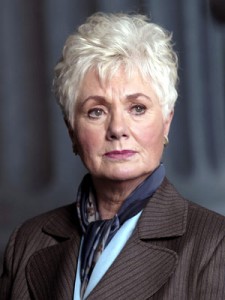
Shirley Jones reflects on her career, musicials and plans for upcoming memoirs

Depending on your age you’ll have different memories of Shirley Jones. For my parents era they will be of her roles in some of the most popular movie musicals of all time, including “Oklahoma,” “Carousel” and “The Music Man.” If you’re my age you remember her best as Shirley Partridge, working mom and vocalist on the popular television series “The Partridge Family.” Young people today remember her as the randy Grace in the comedy “Grandma’s Boy.” No matter your memory, it’s safe to say that Shirley Jones has had one of the most incredible careers in the history of entertainment.

Born outside Pittsburgh, a lucky bus ride put Ms. Jones on the path to stardom. Intending to become a veterinarian, she instead walked into an audition for the musical team of Richard Rodgers and Oscar Hammerstein II. So impressed was the casting director that he called both gentlemen at their homes and had them come listen to her sing. Two weeks later she was on Broadway and the rest is history. Twice married (to the late Jack Cassidy, father of her sons Shaun, Patrick and Ryan) and currently celebrating almost 36 years with comedian Marty Ingels, Shirley Jones has certainly lived an incredible life.

Media Mikes spoke to Ms. Jones recently in conjunction with two upcoming events. The first is a benefit screening of the film “Carousel” in Omaha on May 24th. The second is the upcoming release of her autobiography to be published next month by Gallery Books.

Mike Smith: How does a young girl from Pennsylvania end up becoming an Academy Award winning actress?
Shirley Jones: (laughs) It’s a stroke of luck. I was very fortunate at my first audition in New York. I was actually on my way to college to become a veterinarian. I wasn’t going to be in show business I was going to be a vet. I had graduated from a small town high school. I went to an audition for Rodgers and Hammerstein’s casting director and he called both Rodgers and Hammerstein to hear me. I sang for them and two weeks later I was in my first Broadway show. That’s how fast it happened. I spent three months in the Broadway production of “South Pacific.” Then they flew me to California to screen test for the role of Laurey in “Oklahoma,” and that’s how that happened. And it all happened in less than a year.

MS: And they say show business isn’t easy!
SJ: (laughs) I know. But you know something, I’m not sure that could happen today. It was just the time…where I was…it was one of those things that happen rarely. I was the only person put under personal contract to Rodgers and Hammerstein. I was never under contract to a studio.

MS: What was that experience like…to have your career guided by two genuine legends?
SJ: incredible. It truly was incredible. It was so great for me. I did three shows while under contract with them. By the time I got into movies the studio system was over so in a way it was the best thing that ever happened to me. Because then I went on to do everything, from television to films and everything else. And Rodgers and Hammerstein were so wonderful to be with and work with. They produced the movie version of “Oklahoma,” not the studio. We did some shooting at MGM but the majority of it was shot at Nogales, Arizona. They were on the set every day for seven months.

MS: You’ve appeared in some classic movie musicals. “Oklahoma.” “The Music Man.” “Carousel.” Do you have a favorite among them?
SJ: My favorite score is “Carousel.” Without a doubt, of all the things I’ve done, that’s my favorite. I think it’s some of the most beautiful music ever written. In fact, Richard Rodgers always claimed it was his finest work. When I perform in concert I always open with “If I Loved You” and I close with “You’ll Never Walk Alone.” To me it’s the most beautiful music. The movie is wonderful, though I thought it could have been a little bit better. We had a very old director (Henry King, director of films like “Twelve O’Clock High” and “Love Is a Many-Splendored Thing”) but a great cast. Frank Sinatra was scheduled to play Billy Bigelow. We had done all of the rehearsals…even all of the pre-recordings, which is what we did back then. We had spent three months in pre-production. We were going to shoot the film in two separate processes – regular Cinemascope and Cinemascope 55 – and when Frank got to the set in Maine he asked why there were two cameras. Henry told him we would be shooting each scene twice. Frank told him, “I signed to do one movie, not two,” got in his car and drove back to the airport. So I got Gordon MacRae on the phone, who was in Lake Tahoe doing a nightclub act with his wife, and I said, “how would you like to play Billy Bigelow in “Carousel,” and he said “give me three days I have to lose ten pounds!”

MS: What a great call. I’m a big Sinatra fan but I can’t see anyone but Gordon MacRae in that part.
SJ: Me too. And that voice. Nobody sang like Gordon. He had the best voice of all time.

MS: You won an Oscar for your role in the film “Elmer Gantry,” a role many of your musical fans may not have expected to see you in. How did that part come along?
SJ: It was an incredible role. Burt Lancaster fought for me to play that part. By the time I’d finished doing musical motion pictures – “Music Man” hadn’t come out yet – Hollywood had stopped making musicals pretty much because the European market wasn’t very receptive to them. My career was pretty much over. When you were a singer at that time they didn’t consider you an “actress” so to speak. I went and did some television, which was looked at as a big step down for movie actors. They were doing some wonderful dramatic shows like “Playhouse 90” and “The Philco Playhouse.” But I had some wonderful roles. I had a great part opposite Red Skelton in a “Playhouse 90” show called “The Big Slide” and Burt Lancaster happened to have seen me in that part, playing an alcoholic “Sunshine” girl in the Mack Sennet era. And he loved my performance. And after he saw me he fought for me to play the role of Lulu Bains in “Gantry.” He called me while I was in San Francisco doing a nightclub act with my husband Jack Cassidy. I pick up the phone and I hear, “Hello, Shirley, this is Burt Lancaster.” I said, “sure it is” and I hung up! (laughs) Thank heaven he called back and said, “No, this IS Burt Lancaster.” He told me to go get the Sinclair Lewis novel “Elmer Gantry” and look at the role of Lulu Bains. On your day off he asked me to fly to Los Angeles and meet with the films writer/director, Richard Brooks. Of course I did as he asked. I flew in and met with Richard Brooks, who originally did not want me for the part. He had somebody else in mind. He was the writer/director but Burt was the co-producer and he was very definite about having me play Lulu, which was so great. I got the part. Richard Brooks would always shoot his films in sequence so I wasn’t due on set until the middle of the film. But Burt would have me come on set every day to watch the other actors and to watch how Richard Brooks directed. On my first day of shooting I had to do the hardest scene in the film – standing in the house of prostitution and telling the other girls how I had met Elmer Gantry – and I didn’t have one bit of direction from Brooks. He sat in his chair smoking his pipe like I wasn’t even there. I went home that night in tears thinking he was going to fire me. I didn’t have to work the next day and they screened the rushes of what had been shot the day before. Brooks called me afterwards and said, “Shirley, I owe you an apology. Not only are you going to be great in the film but I predict you’re going to win an Academy Award.” And that’s how that happened. Burt was the one that got me the part and it changed the course of my whole career. My career would have been literally over had that not happened. But I went on to do 20 more feature films after that.

MS: And now, of course, it’s time for the obligatory “Partridge Family” question.
SJ: (laughing) Of course.
MS: What do you think it is about the show, and the music, that it is still popular some four decades after it first premiered?
SJ: Well, it was really a new definition of a television series. I was the first working mother on television. I was actually offered “The Brady Bunch” first and I said “no” because I didn’t want to go into a television series and play a regular mom taking the roast out of the oven. But when I was offered “The Partridge Family” I thought it was very unique. The fact that the whole family was working together musically but you still had stories about the kids and the mama…I loved the idea. And the fact that David, my stepson, was going to play my son was just great. It also gave me an opportunity to stay at home and raise my kids, which was something I couldn’t do making films because I was constantly away on locations everywhere. When they were younger I could take them with me but now they were school age, which was another reason I wanted to do a series. And the agents and managers at that time were all telling me, “Don’t do a television series, Shirley, because if it is successful you’ll BE that character for the rest of your life.” They were pretty right about that but it was still great for me to do.

MS: They don’t make as many film musicals today as in the past, but some of the them are pretty well done. “Les Miz” comes to mind as a recent achievement. What is your opinion on the movie musicals of today?
SJ: I thought “Les Miz” was wonderful, but I’d also seen the Broadway show and thought it was divine. Everybody in the film was wonderful. Hugh Jackman is one of my favorite performers. When I was visiting Australia he and I did bits from “Oklahoma” together on stage. (NOTE: Jackman starred as Curley in an Australian production of “Oklahoma” in the late 90’s) He was just great. But they don’t do that many musicals anymore, as you know. But the ones they do do I think have been successful.

MS: You’re publishing your memoirs next month. What was it like to sit down and review your career?
SJ: It wasn’t easy (laughs). In fact I thought “do I really want to do this?” But it came out very quickly and easy. All of the things that have happened I was fortunately able to recall for the most part. And all of the people that I worked with…I worked with some of the greatest movie stars of all time. I’ve had two incredible husbands. Both crazy, but wonderful. I’ve got three incredible sons and an incredible stepson. I’ve got twelve grandchildren now. And I was an only child which makes it even more interesting.

Brian Tee talks about his roles in “Mortal Kombat: Legacy 2” and “The Wolverine”

Brian Tee worked on projects like “The Fast and the Furious: Tokyo Drift” and TV like “Grimm” and has a busy year a head of him. He is playing the role of Liu Kang “Mortal Kombat: Legacy 2” and Noburo Mori in “The Wolverine”. Media Mikes had a chance to chat with Brian about his roles and what we can expect.

Mike Gencarelli: Tell us about how you ended up taking on the role of Liu Kang “Mortal Kombat: Legacy 2”?
Brian Tee: I heard about “Mortal Kombat: Legacy 2,” while I was shooting “The Wolverine” in Australia. I knew of the Series through one of my best bro’s Ian Anthony Dale. He plays Scorpion in the “Mortal Kombat: Rebirth” Trailer and in Season 1 & 2… he’s a brilliant actor and crushes it as the Scorpion. He’s perfect for the role. So I called him and asked about his experience on the shoot and working with Kevin Tancharoen. He had such high praise and I was already a huge fan of Kev’s work, so I had to be a part of it. BUT, I have to admit, at first I was like “hell no, I won’t play Liu Kang!” to be honest, as a kid popping quarters in the MK video game, I hated playing Liu. He just seemed to me to be a caricature of the stereotypical kung-fu guy. So when the role was brought up, I was the first person to think I wasn’t right for the role… I love playing characters with depth and complexities that at first glance, Liu never had… UNTIL, I read the script and talked to Kevin about it. The script blew me away and completely transformed Liu into something I’d love to sink my teeth into. And as we spoke, Kevin and I were on the same page, with what we wanted and didn’t want Kang to be. So with Kev’s genius vision we created this now anti-Hero character and took Liu to a completely new image and darker place, with the grounded visceral justice that this version of Liu Kang deserves.

MG: How did you prepare to play such an epic and important character?
BT:  Pleasantly surprised, this character really pushed me as an actor in so many ways, both emotionally and physically. Because you’re right, Liu Kang is an already iconic figure, so it’s harder for fans to relate to him. And that was my focus… I worked on connecting to the being, not the figure. I really wanted to delve deep within the soul of the man, not the image of character… Not to get too “actor-e,” I wanted to bring a grounded reality and create the person, not the persona… so that fan’s can connect to him as I did. Physically, I knew there were huge shoes to fill playing this epic character. I know I had to step up my game in order to successfully pull off what I wanted to withLiu, in the series. I was pretty adamant that I wanted to try to do the majority of the stunts the character demanded… but that respect is earned, not given. So I knew I had to prove myself. You don’t just go up to the greatest stunt coordinator in the game, Garrett Warren, and say “yeah, I can do that”… you have to work for it. So with the help of Garrett, the amazing stunt choreography Larnell Stovall created, my stunt double Kim Do training me personally, and along with some of the best stunt guys in the business… I had the good fortune to work my way into the fights, and be worthy enough to do the majority of them… which inevitably helped me embody Liu even more. I’m really proud of the Liu we created… and hope the fans enjoy him as much as I do!

MG: What can we expect from your episode in the web series?
BT:  I am actually in quite a few episodes throughout the series, but I’m really looking forward to episode 1. It’s the first of this season and sets the series off… so there is a lot riding on it. I know there are a lot of expectations from the fans out there considering how awesome Season 1 was. But I got gotta tell ya, I can’t wait for the fans to see whats in store this season. Episode 1 establishes Liu Kang like you have never seen him. I think it will go beyond the expectations they might be used to with Kang… because we completely turn this character upside down. And not to mention, the fight scene is just jaw dropping! This episode moves you in ways fan’s won’t soon forget and I hope will keep them wanting to come back for more!… because that’s just the beginning!

MG: What is your favorite move or fatality for the character?
BT:  My favorite Liu Kang fatality has to be the “double flip kick into the uppercut”… I’m old school.

MG: You’ve done films like “The Fast and the Furious: Tokyo Drift” and TV like “Grimm”; how does a web-series compare?
BT: This Web-Series was pretty much shot like a feature film, so in comparison there is no difference. Though it was a much smaller budget compared to other mediums, what Kevin, the cast and crew did with the limitations, is unbelievable. It looks and feels like a major studio feature separated into episodes for the web.

MG: Do you think we will be seeing more of you as Liu Kang, perhaps in the upcoming feature film?
BT: I hope so. Though nothing is set in stone, I think if the fan’s come out to watch the Series, they’ll be the judge.

MG: Tell us about your role Noburo Mori in “The Wolverine”?
BT: Noburo Mori is the character I play in “The Wolverine.” He is a politician that I feel, rides the line between good and evil, and will do whatever it take for political gain… But I guess that’s most politicians. 😉 Without giving too much away, he is arranged to be married to Logan’s love interest, so you can imagine it won’t end pretty. But also… this installment of “The Wolverine” is epic! Fan’s are really going to enjoy James Mangold’s mastery in bringing a side of “The Wolverine” fans have never seen. Along with the unbelievable action at the biggest scale, James has brought new layers and a depth fans will appreciate and relate to. Logan is vulnerable both physically and emotionally, its a war against his own nature and he must finally embrace who he is. It’s actually not to dissimilar to our take on LiuKang… both have demons inside of them that they have to overcome in order to find their true self.

MG: What else do you have in the cards for 2013 and beyond?
BT: Well, I just finished a new TV pilot called “Anatomy of Violence,” starring Skeet Ulrich, Amber Tamblyn and David Harewood, directed by Mark Pellington. Its from the creators of “Homeland,”… which I love, so it was great to work with the creatives and to be a part of this amazing cast and show. I’m also wrapping this incredible art house indie, called “The Beautiful Ones,” starring my good buddy Ross McCall and directed by Jesse V. Johnson. Ross is awesome in it and Jesse’s vision is remarkable. I’m also up for this dark suspense thriller with some legendary actors… fingers crossed. And of course, I’m looking forward to reprising the role of Liu Kang in the feature… but we’ll have to wait and see. In the mean, I’m pumped for the “Mortal Kombat: Legacy 2” Web-Series to come out and see the response of the fans!… maybe they’ll decide.


Related Content

Lenny Abrahamson discusses “What Richard Did” and “Frank”

Irish director Lenny Abrahamson’s third feature, What Richard Did, made a great stateside impression when it premiered last month at New York’s Tribeca Film Festival check out our review here and is currently on a limited release here at Cinema Village. Now back in Ireland, Abrahamson took some time out of post-production on his next feature, Frank, to speak to me in further detail on What Richard Did.

Lauren Damon: How was your experience at the Tribeca?
Lenny Abrahamson: It was really good! The film, you know seemed to go down well and we got quite a lot of good press and so generally very pleased with it.

LD: Between the festival, onDemand and now this New York engagement, What Richard Did is getting all different sorts of exposure, any thoughts on that?
LA: I mean it’s a very small release but it’s great because I suppose it has a chance to grow if people like it and maybe it gets taken by arthouse cinemas in other towns and also it’ll be reviewed. So that’s all very important…I’ve made three films, this is the first one that’s had a release in the states and I think you know, it’s great. it’s such an important place to have your films seen. And I like Tribeca as a company as well, they look after you pretty well. I think it’s a good name to be associated with.

LD: Were your first two features also Irish dramas?
LA: They were dramas…and they’d been very successful over this side–certainly critically very successful..Both the first two films won British Evening Standard Film Awards and so they’ve actually done well. It’s just that they’re very–the first two films are very, in terms of like accent and demographic, they’re probably tough for an American audience and because of that you find American cinema exhibitors are really frightened of strong accents. Whereas What Richard Did is more of a middle-class milieu and that makes it I think a bit easier. But they’ve been onDemand and they’ve aired on the Independent Film Channel and that sort of stuff and you know, both were in Toronto and the first film was in Telluride. So they’ve existed in the states, they just never got distribution.
What Richard Did tells the story of a middle class teenager (played by Jack Reynor) who, in a drunken brawl, accidentally kills a romantic rival at a summer party. As Richard, Reynor does a spectacular job at playing an otherwise good-natured teen dealing with the crushing guilt of his life-altering action. This includes a tearful confession to his father.

LD: Jack Reynor told me that you made a lot of on-set decisions with the confession scene, how did that change the film?
LA: Yea, well the peak of the scene is when Richard blurts out that he’s responsible for the killing…and that was never in the script. I mean we changed a lot in the script anyway and the script itself was evolving through the writing process. But you know, once you start shooting a film you just test. You just immediately have to respond to how the stuff feels and you have to look at it. You can’t just stick rigidly to some kind of pre-existing plan and I always like to allow things to evolve. But in that scene particularly, it just felt on the day that there was something sort of bursting to get out in the scene. It happened quite organically, we just kept working on it, working on it, working on it. Shooting it, shooting it, shooting it, until we just felt that Richard had to…in the moment where his guard is down because he’s being held by his father and everything that that means, he allows himself to dissolve a little bit…he becomes more of a boy again. And so he just goes that last little bit and lets it all out in that belief that he has in the instant that this will be cathartic. But it’s not cathartic, it’s dreadful. And it just felt, on the day that felt absolutely right. I can be quite skeptical about you know, people talk about scenes that affect the crew and you know, ‘the whole set really felt something had happened’ and I always think those scenes aren’t great, you know. There’s a kind of illusion that if it feels powerful, it must be amazing and sometimes it’s not. But actually that was one case where it really did feel very strong and it translated onto screen.

LD: Then you also have Richard having a physical breakdown on his own, what was it like on set for that?
LA: We did that–there was always a scene in the script and it didn’t specify in the script really what happened, it was just talked about. I always had this image of Richard on his hands and knees having just woken up in a sort of panic. But while we were shooting we just never got a chance, just given the schedule, we never got a chance to attack that scene really properly. So I decided I would go back after we finished principle photography…Halfway through the cut we went back out to the location and we spent the day there. And I think the way we worked on it was just to develop a kind of physical shape to the scene…I’m a great believer of acting from the outside-in…So rather than talking endlessly about what he was feeling, we just got to a kind of really heightened physical state. And then that brought with it a kind of mental component and Jack found it that way. I mean some actors are different, some actors can think themselves into that state but I tend to feel that starting physically is a–it’s like you know if you kind of intensely enter into the shape of the action. Then a lot of times the kind of interior part comes with it…And we shot it about three times on two cameras, it was really exhausting for Jack. You can tell in the scene. It really felt very good and I think it’s a really important scene in the film.

LD: Did you find yourself wanting the audience to sympathize with Richard through all of this?
LA: Yeah, I mean my sort of view is that we’re all capable of doing sort of awful things and very very few of us are the sort with the kind of bravery you’d need to admit to it if you had the chance of getting away with it. So I would like them to empathize with him just like one should empathize with any other human being I would think. You know, anybody who isn’t a monster. And Richard certainly isn’t a monster. But another way of answering that question is to say I don’t think it’s the director’s job in a film like this to tell people how to feel at all. I think that the important thing is to try to render the situation as truthfully and in as much detail and as much kind of natural veracity as you can achieve…And then if you do that, you allow audiences to enter into that world and then to feel about as they do. I mean of course you make decisions when you cast somebody like Jack, you know there’s instantly kind of warm about him. But there’s also in the way that he played Richard, there are darker aspects too…It’s worth saying that audiences have and audiences will react differently to him. Some people say to me “God, you know, he was chilling and you really did that really well.” And then other people say “He was so beautiful and I cared so much about him and you did that really well” So I think all you can do is try to penetrate as kind of truthfully and deeply as you can as a director. And give as rich an encounter with that world as you can and then you let it go and you let the audience kind of position their own decision inside it.

LD: Did you audition many young actors for Richard?
LA: We did audition a lot of actors for Richard but Jack you know, he just has a certain presence. He’s just absolutely right for that part. When I saw him for the first time, I sort of knew that that would be it. And then we started to adjust the film to fit him, to fit Jack as a person so that we could allow Richard and Jack to overlap. But I didn’t, it wasn’t a hard decision to cast him. I mean it was he’s such an unusually poised young actor. He’s from the right background, he understood the story really well. He knew kids like that. He went to one of those schools. And he’s a really fine actor, I can’t imagine the film working if we hadn’t found him.

LD: Now Jack is going to be in the next Transformers film, were you around him at all when he got that part?
LA: He had said to me that you know, he got had an agent…and then that didn’t work out. He’d been out to the states and he said he was going to go back again…give it another shot. And we were in Toronto together when he was talking about that and I was trying to advise him not to! Because I thought, you know, like so many young actors he would go out there and just get swallowed up. And he had no money and he just had a place to stay just about. I was trying to persuade him he should spend more time in London, but he said to me ‘Look, my plan is to go out to Hollywood and get a three-picture deal…’ I just thought he was deluded! Not that he’s not a great actor. That just doesn’t happen. People are going out there everyday–hordes of kids are arriving there every day and it’s just the reality and the dream are very different. But yea, Jack called me and said ‘I’ve just been cast in Transformers, it’s for a three-picture deal’ and I just thought ‘Well there ya go!’ [Laughs] What do I know? And I’m really delighted for him. Aiming for an autumn release is Abrahamson’s next feature, Frank, which sees Michael Fassbender donning a cartoonish facemask to play an eccentric leader of a band alongside Domhnall 2Gleeson and Maggie Gyllenhaal.

LD: Where are you with Frank now?
LA: We’re kind of hopefully about six weeks away from locking picture and after that it’s just lots and lots of sound work and music work and that. Exciting.

LD: Is this based on the character of Frank Sidebottom?
LA: That’s the thing, the history of the project. Jon Ronson one of the writers was in the Frank Sidebottom band back in the eighties and that’s how this idea began. But actually the character in our film isn’t Frank Sidebottom anymore. So we’ve just made him up. He’s an American instead of a guy from Manchester. He’s a real musician…He’s not–the original Frank Sidebottom was a kind of alter ego, a kind of comedy persona of this guy, so they’re very different. But there is a kind of visual similarity in that Frank Sidebottom wore a head not a million miles away from the head that Fassbender wears in this film. But it’s a totally imagined film.

LD: What was the casting process like on this film?
LA: Like any film it’s a bit of an adventure when you start. I certainly didn’t anticipate–I mean I was delighted to have Michael in it, he’s fantastic. He’s such a great actor and he’s such a fascinating actor because…there’s a kind of energy, a kind of intensity that comes over. And it comes over in Frank despite the fact that he’s wearing a mask. And you still know it’s him and there’s still that kind of quality to what he does. And having him, it helped us get the rest of the cast to be so great. I mean Domhnall Gleeson who’s a superb young actor and he’s destined for really big things and then Maggie as well who’s amazing you know, really very courageous in what she’s doing in the film. So yeah, it was quite an adventure…

It was a really happy shoot and I think the cast really enjoyed it. And that’s not always the case. You know there was a great sense of camaraderie and a real community at the center of the film and I think the best thing about it is the actors really gel together like a band…What you’re going to hear in the film is what they played on the day. The music is all recorded live. So they actually do work as a band. And that was very exciting.

LD: So the cast did they’re own musical performances?
LA: They sing, they play instruments…it’s the real thing… Michael sings, he plays guitar. Domhnall plays keyboard, sings and Maggie plays crazy synthesizers and sings. And then you have Carla Azar who’s a superb drummer in a band called Autolux she plays with. She also plays with Jack White. So she’s the drummer. And then this brilliant young French actor called Francois Civil who just happens to be a great bass player as well. It made the casting really hard because we wanted to cast people who were musical and who could really play instead of having them mime to playback. Which you can tell when that’s happening by watching. So to get a bunch of people who are great actors but also musicians was a really tricky but I think we managed.

LD: Did the mask on Michael stay on throughout shooting?
LA: No! No, I think he would of died if he had to leave the head on [laughs]…It’s really funny, I’ve been cutting the film now for a while and after a while you’re just working with cut sequences. So you’re not looking at rushes anymore, you’re not looking at you know every take from the beginning to the end so I’ll go through the whole day of you know with the editor and we’ll just be looking at him with the head on but every so often we have to look back to the rushes and look for you know an alternate take or something and then you see him, he takes the head off after “cut” and you think ‘Oh Christ, yes, Fassbender!’ you know? You’ve sort of forgotten that he’s there because the character really works…You really believe the character, you forget he’s there. But yea, I think it took some getting used to and we designed the head around–you know it’s specifically designed for him, but it was hard. Visibility was really poor–and he’s running and doing all sorts of stuff in the film so it’s quite an achievement.

What Richard Did is currently on a limited NYC engagement at Cinema Village as well as onDemand. Check back with Media Mikes this fall for more on “Frank”.

Copyright: MediaMikes.com © 2013 · Powered by: nGeneYes, Inc. · Login

All logos and images used on this website are registered trademarks of their respective companies. All Rights Reserved. Some of the content presented on our sites has been provided by contributors, other unofficial websites or online news sources, and is the sole responsibility of the source from which it was obtained. MediaMikes.com is not liable for inaccuracies, errors, or omissions found herein. For removal of copyrighted images, trademarks, or other issues, Contact Us.