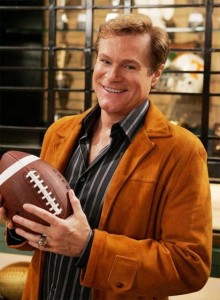
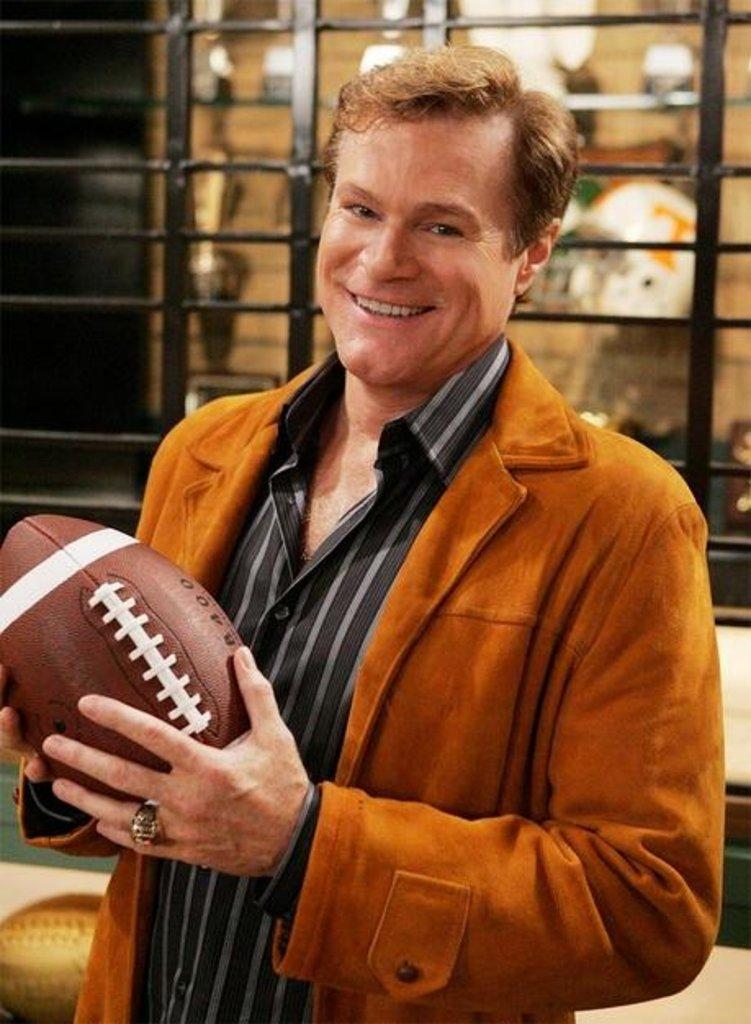
Dean Cain talks about new film “Vendetta” and “Supergirl” TV series

I first noticed Dean Cain when he appeared in a short arc as Brenda’s boyfriend, Rick, on “Beverly Hills 90210.” Yes, I admit I used to watch that show. The next year, 1993, everyone noticed Cain when he starred opposite Terry Hatcher in the popular series “Lois and Clark: The New Adventures of Superman.”

Cain is a product of Hollywood. His mother, Sharon Thomas Cain, is an actress and his adoptive father is director Christopher Cain (“Young Guns,” “Pure Country”). An outstanding college running back, Cain was signed by the Buffalo Bills but injured his knee in training camp.

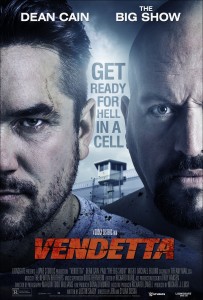
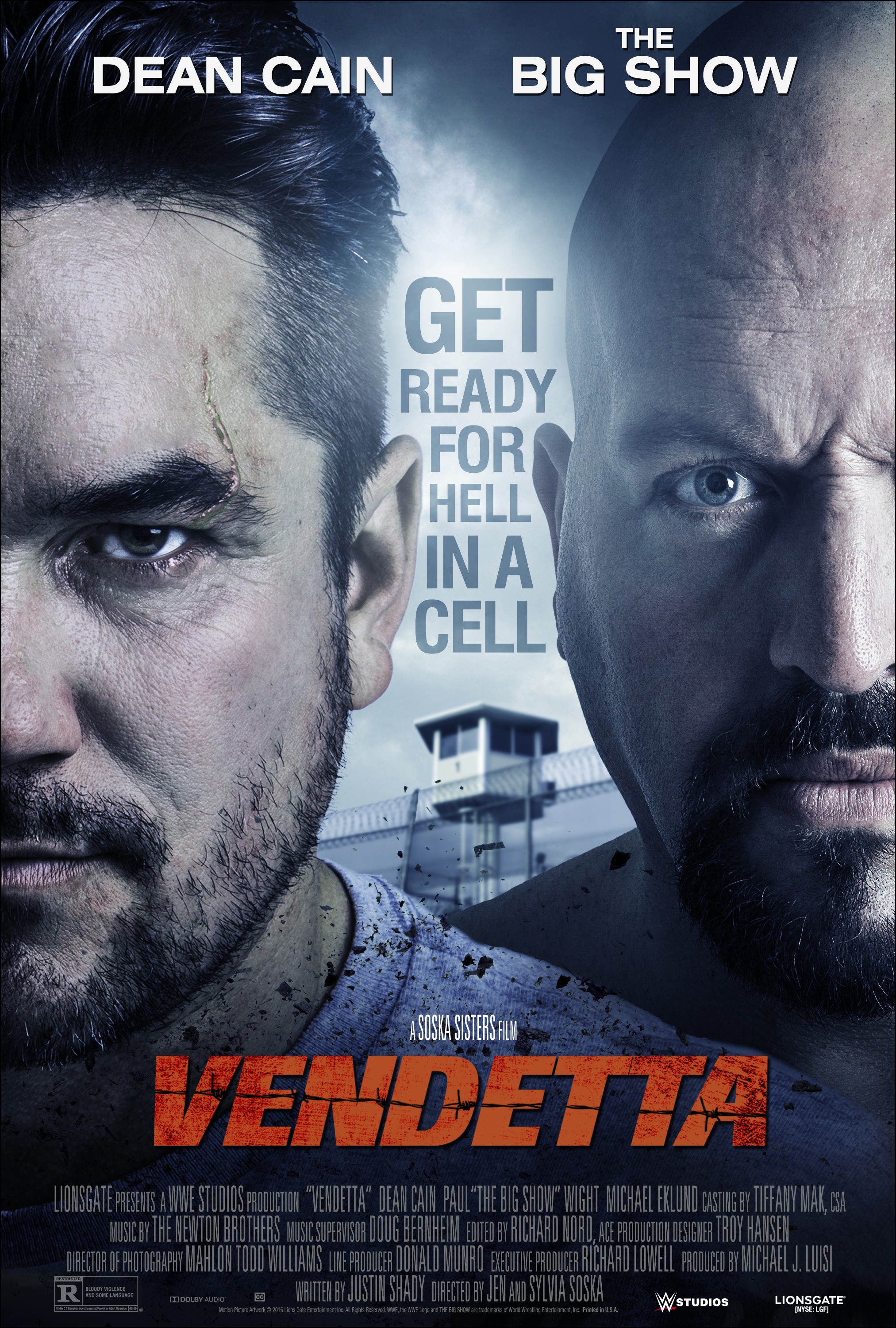
After “Lois and Clark” left the air he continued growing as in actor with roles on such shows as “The Division” and “Las Vegas” and in films like “Rat Race” and last year’s “God’s Not Dead.” This week, June 12, you can see him as a police detective who gets himself sent to prison in order to get revenge on the convict that murdered his wife in the new film from WWE Studios, “Vendetta,” directed by the Soska Sisters. And fans can see him throughout the television season in no less than three series, including the upcoming “Supergirl.” While shooting a new project in New York, Mr. Cain took time out to talk about his new film, his belief that “Supergirl” will fly and why you’ll never find him at a karaoke bar.

Mike Smith: What attracted you to the film “Vendetta”?
Dean Cain: The idea of someone just hell-bent on revenge in a really brutal movie to me is a no brainer! This character goes from good to bad and is hell-bent on revenge. And the other thing that really attracted me was that Jen and Sylvia Soska were directing it. They came highly recommended and they proved why they came highly recommended. It was so great to work with them. I hope they hire me again.

MS: It’s really a very change-of-pace role for you. Is that another reason you found it attractive?
DC: Actors always like to play different things. If the last film is a comedy you go do something that’s heavy duty with action. To me, the change-of-pace to play this character was great. I had been playing a character on the television show “Hit the Floor” for the past three years who’s a basketball coach and somewhat a womanizer. He’s a completely different kind of guy. So it was fun to put on the brass knuckles and get down to the nitty gritty without a doubt.

MS: Is there a role out there that you’d really like to play but no one has ever offered? Is there a musical out there with your name on it?
DC: (laughing) If I’m in a musical, that could mean the end of my career. I just cannot sing. I don’t have it. And I’m not being humble, I’m being very truthful. That is not a good look for me. If anyone even liked me remotely they wouldn’t after they heard me sing. I’ve done a Western I really enjoyed…I’ve played a lot of police officers and soldiers. I’ll play anything that tickles my fancy. I certainly don’t want to be married to just one type of character. I have two series on the air now that I play very different characters. And I host a new show called “The Masters of Illusion” on the CW that starts in a couple of weeks. On “Hit the Floor,” as I said, I play a basketball coach who’s a womanizer and in “Supergirl” I play Supergirl’s foster father, who’s a scientist. So I’m getting to try my hand at a little bit of everything.

MS: You recently wrote and directed a short film called “The Red Pill.” Do you plan on concentrating your career more on being behind the camera?
DC: I like working both in front of and behind the camera. That was a project that we put together for a competition, so we had very specific things we had to do and conform to. They asked me if I was interested in joining in and I readily agreed. That was fun. I’m finishing writing a script right now…a family project that will be fun to watch. I’d be very happy to co-direct. That would be fun. The thing about filmmaking is that you never have to choose one over the other. But directing is hard work. Acting is pretty much easier. You play your character and you can leave. You’re done. You get to move onto something else. But if you’re the director, you’re the last one out. You get to think about the project all day, all night, all the time. You have to put the thing together. There’s so much work. I’ve watched my father do it. I enjoy it but right now I don’t have the time to focus.

MS: Since you mentioned “Supergirl,” is Fred Danvers, Supergirl’s adoptive father, going to be a recurring role?
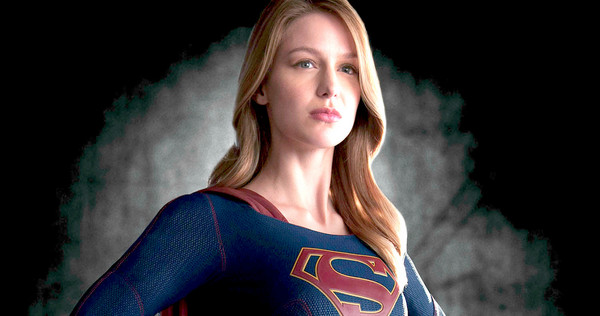
DC: Absolutely. Absolutely. I’ll be in the show as much as the producers want me. That will be a blast. I think the show is going to be a super hit. I think it’s going to be fantastic. Melissa Benoist is amazing. And if America isn’t already in love with her they soon will be. She really does a great job in the role and she’s perfectly suited for it. I think it’s going to be a smash hit. It’s very female-empowering. And it’s also fun. It’s funny and enjoyable in the same way that “Lois and Clark” had nice humor and some romance, this has all that. The same vibe. I think it’s going to catch on and do very, very well.

MS: How have the visual effects changed in the two decades since “Lois and Clark?”
DC: Man…the visual effects now are on a whole different scale. It’s amazing. It’s amazing what they can do on a television budget, because it looks like it was done for a giant feature film. The amount of effects just in the pilot episode are ridiculous. They are now able to do things so much quicker and better than we did without a doubt. It’s night and day…night and day differences. She looks cooler when she flies. Everything is cooler and better.

MS: You mentioned the film that you’re writing. Do you have any other projects planned?
DC: Oh, always (laughs). I can never just do one or two things. I’ve got the three series we talked about. And I’m just finishing shooting something here in New York that I can’t talk about yet. I’ve got a few other things but nothing I can talk about yet. You’ve got it all covered for the time being.

Michael Madsen talks about “The Hateful Eight” and the possibility of a “Vega Brothers” movie

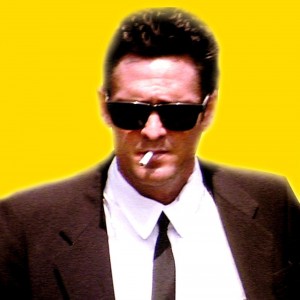
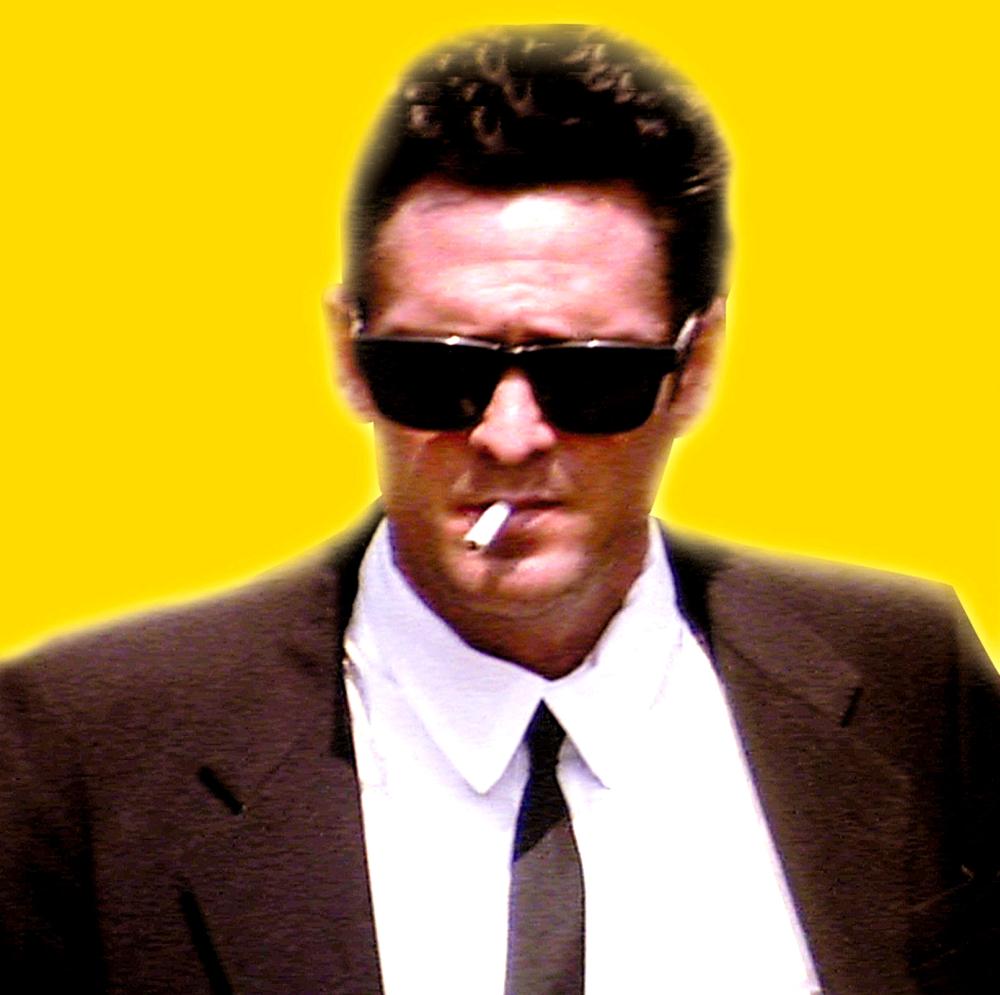
Michael Madsen is the rare actor who can give the “bad guy” enough of a heart that moviegoers often root for him instead of the hero. In films like “Reservoir Dogs,” “The Getaway” and “Kill Bill, Volumes 1 and 2,” Madsen is the bad ass that the audience loves. Not that he’s always bad. He’s shown a softer side in many films, among them “Free Willy” and “Wyatt Earp.”

I spoke with Mr. Madsen about, among other things, his seemingly busy schedule, his dislike of the Internet Movie Database, the upcoming Quentin Tarantino film “The Hateful Eight” and whether or not a “Vega Brothers” film is still a possibility.

Mike Smith: I see you’re slated to play Vegas gambling mogul Ted Binion in an upcoming film. How did that come about?
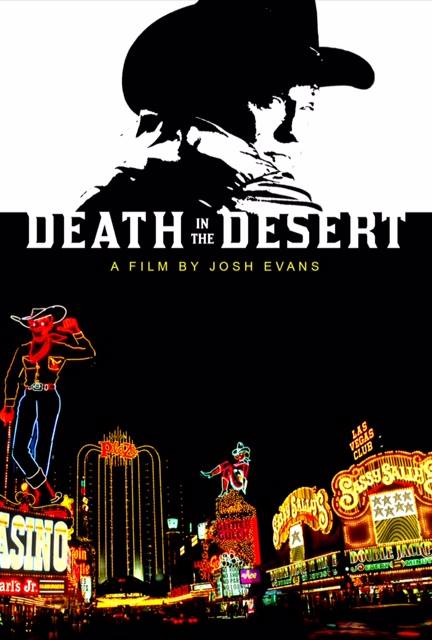
Michael Madsen: The film is going to be produced by Robert Evans and directed by his son, Josh. Ted was part of the family that owned the Binion Casinos. He wound up getting hooked on drugs and ended up with a dancer and….well, they went a little crazy. He would go out and bury silver in the desert. The film is based on the book “Death in the Desert” and we shot it earlier this year in Las Vegas.

MS: You always seem to play the tough guy. Even in an early film, like “The Natural.” Your character, Bump, was a hard ass. Do you ever just want to do an out and out comedy?
MM: I’ve done a little bit. I did “My Bosses Daugher” with Ashton Kutcher…that was pretty funny. And I did a picture called “Lumberjack Man,” which hasn’t come out yet, where I play a kind of bumbling, Peter Sellers-type detective. I think it’s pretty damn funny. My comic genius hasn’t revealed itself yet (laughs).

MS: If you look at the Internet Movie Database it looks like you’re constantly working. When do you find the time to take a breath?
MM: If you look at the IMDB you would think that I was some sort of robotic machine. But the reality is that the IMDB is very, very unreliable. I would go so far as to say that they are irresponsible. There are a lot of things on there that are supposedly in pre-production and aren’t. A lot of things that are supposedly going to be released. They also mention films in which I only appear for ten minutes. I mean, in reality, no human being can make fifteen motion pictures in one year. So a lot of those are, I would say, questionable. I mean, the films that we’re talking about right now are the films I’ve legitimately done and are going to come out.

MS: I understand your frustration with IMDB. I have a few credits on there and one of them is that I hosted my own Canadian talk show back in the 1980s. I keep telling them it’s not me but they won’t listen.
MM: I’ve contacted them many times. I’ve said, “guys, it’s ME. It’s Michael. I’m telling you right now that that movie never happened, that movie was never finished, this is never going to come out…whatever the situation. And they tell me “well, it’s a public page.” And I don’t understand that. It’s kind of bewhildering…kind of irresponsible. It’s sad, you know, that they would put out information like that if it’s not true.

MS: Well, I think if they’re given the correct information they’re not only doing a disservice to their readers but to the people they’re talking about.
MM: Yeah. Then when I talk to someone like you asking me about the (25) pictures I’m in (laughs)…I have to defend myself and say no. I’d hate to think that some people were thinking about making an interesting film and they were thinking of Michael Madsen so they go to the IMDB and go “Holy Shit!” They’re not going to call me. It’s almost interfering with my work, them putting all of this stuff in there.

MS: You’ve voiced a few video games. Is there a difference in the acting process you use as opposed to films?
MM: Well, first off you don’t have to shave and you can show up in your pajamas. I would imagine Martin Sheen probably has a recording studio in his house. If I was him I sure would. Video games and voiceovers aren’t easy. You do have to be at the top of your game. You have to record each line several times. It does take four or five recording sessions, each of them lasting five or six hours, but in the end, some of the games are pretty interesting. People like them. I enjoy them. I really do.

MS: What can you tell us about “The Hateful Eight?”
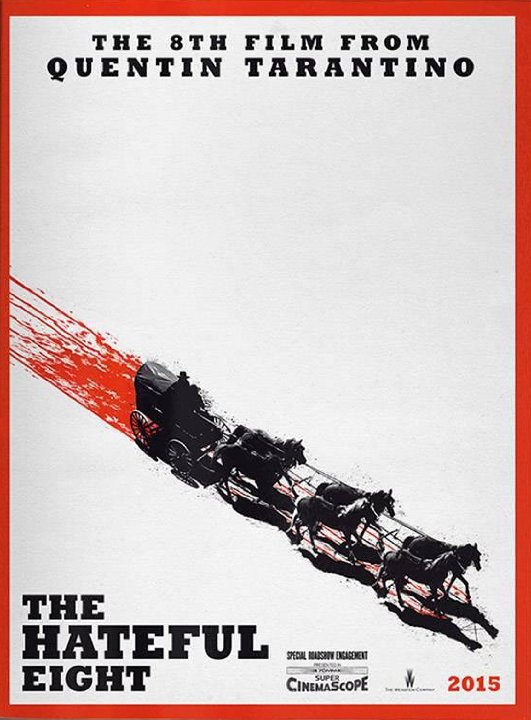
MM: I’m a cowboy…a cow puncher. It’s a western that takes place on a mountain in the snow just after the Civil War.

MS: Since we’re speaking about Quentin, has he ever discussed with you the possibility of a Vega Brothers movie?
MM: We’ve talked about it many times. I think that over time the story would have had to change. I recently met John. Believe it or not, I had never met him. I met him at the Cannes Film Festival last year. I was there with Quentin and they did a screening of “Pulp Fiction” on the Majestic Beach, outdoors. It was pretty exciting…a great evening. And I met John. And I tell you, when the two of us were standing there next to Quentin…I think in that moment it might have become more of a reality. I think the Vega Brothers might be more of a reality. But that would be a question for the man. That would be a question for Quentin.

Anti-Flag’s Chris No. 2 talks about new album “American Spring”

The Pittsburgh, PA based punk rock band Anti-Flag recently released a brand new album (their 10th all together) chocked full of politically fueled anthems titled “American Spring”. The album features 14 brand new tracks along with guest appearances by Tom Morello and Tim Armstrong. Media Mikes had the chance to speak with Chris No.2 recently to discuss the new release, the groups tour plans and the idea behind the groups strong political approach.

Adam Lawton: What can you tell us about the new album “American Spring”?
Chris No. 2: “American Spring” is our 10th record and our first after the 20th anniversary of the band. I think we worked harder on this latest record than any other Anti-Flag record. It’s a
tremendously personal record for us. We focused on using empathy as the key to
live above racism, sexism, homophobia and corporate waged war in 2015.

AL: Can you tell us about the guest’s performances on the album and how
those came about?
C#2: Our very old friend / former record producer Tom Morello is on the track “Without End”. He put down this epic space vide solo which is really great. Tim Armstrong from Rancid sings verse 2 of the song “Brandenburg Gate”. Both of those guys being a part of the album is the result of having some very talented friends who we both admire for their talents and humility. We called them and asked if they, as important people in our lives, would appear on an important album for us and thankfully they both said yes.

AL: Some bands tend to shy away from various topics such as politics however you have always been very vocal towards it. What is it about these topics that inspires you to write your songs around them?
 C#2: It’s our only inspiration. We want people to know they’re not alone. There are a lot of us concerned with more than just ourselves. These songs are for those people.

AL: Are you ever worried that the subject matter of your songs may turn away listeners who maybe are as in touch with the current political climate?
C#2: Nope. There are plenty of bands out there for people to listen to if these songs don’t happen to be for them.

AL: You guys just wrapped up a run of shows in April. What are the bands plans going into the rest of the year?
C#2: Our goal is to play every city Anti-Flag has ever played as part of the touring for the “American Spring” album. We will be on the road indefinitely so we hope to be able to see everyone out there.

Jason Becker talks about new signature products and collaboration with Guitar Player Magazine

Jason Becker took the guitar world by storm in the mid 1980’s with the guitar duo Cacophony which along with Becker featured future Megadeth guitarist Marty Friedman. Also during this time Jason released his first solo album titled “Perpetual Burn”. Cacophony disbanded in 1989 with Jason going on to join David Lee Roth’s band for the album “A Little Ain’t Enough”. Sadly Jason’s success was greatly impacted when at age 20 he was diagnosed with ALS and given only 3 to 5 years to live. Today at age 45, Jason has beaten the odds and is showing no signs of slowing down. Media Mikes had the great pleasure of speaking with Jason recently about some of his recent work, several new signature products and his recent collaboration with Guitar Player Magazine.

Adam Lawton: Aside from your 2012 documentary what do you think has made people stand up
and take notice of your career and talent over the last few years?
Jason Becker: Well, I would like to think it is my music. I think that is partly true. A whole new generation is getting into my stuff, both the old guitar music and the new compositional music. I also think that it has to do with the fact that I have had ALS for so long, which is a tough thing to ignore. Guitar Player Magazine putting me on the cover helped a lot as did having many well known guitarists playing on my tunes. The Not Dead Yet concert’s played a big role as well. I am really active on Social media as I run my Facebook pages. This is something that is really cool and it’s nice to be able post personal things. John Mayer responding to my Ice Bucket Challenge with his own video talking about me, playing over one of my songs, and asking people to donate to my trust, didn’t hurt either!

AL: You recently have had both a signature/tribute guitar and a signature pickup come out. What has that experience been like and how did those partnerships come about?
JB: My friends at Carvin, Richard Cruz and Albert Comas, saw the documentary and got us back together to make my old famous blue guitar available to fans. Both myself and Carvin had been getting a lot of people asking if that guitar was something that could happen. It is so well made, and it sold so well, that they decided to make my numbered guitar available too, which is selling incredibly well. Jeff Kiesel and I are working on a few more design ideas now, which is a total blast! It also helps my family and me out financially in a big way. As for the pickup back when I was with David Lee Roth, Seymour Duncan and I were working on a signature pickup together. My ALS started getting bad and affecting my voice, so we stopped working on it. Recently I was trying out a perspective signature amp with my friend Michael Lee Firkins. He kept trying different guitars, and the best sounding one had the test Duncan in it. I contacted Duncan and they wanted to make a signature Becker pickup. We spent months testing many different pickups with Firkins and my buddy Chris Barnett, until we got it exactly how I wanted it.

AL: Being that you are physically unable to play how involved were you with the creation/testing of these products?
JB: With the guitar, Carvin had made my first blue guitar, so they just copied the specs. The original had a Kahler bridge, but I prefer the Floyd, so we went with that. For the numbered guitar, Carvin took my original Peavey for a year, so they could pretty much copy it. Michael Lee Firkins always helps me when I need fingers and another set of ears. He also did that on my song “End of the Beginning.”

AL: Can you tell us about the column you have recently started writing for Guitar Player?
JB: It is about creativity. People often ask me how I come up with unusual ideas or melodies. This column attempts to tell how some of my ideas come to me, and the stories behind them. The first column talks about non-musical inspirations. The next two talk about my time with Marty Friedman, and some of the things we did to open our minds and think differently. My dear friend at Guitar Player, Matt Blackett, helps me remember those times.

AL: You have a very unique way of creating music. How has that system
developed from when you first started using it to now?

JB: When I first started using the computer to compose music, I could still use my right hand a little, so I used a synthesizer. Once I lost my arm movement, my dear friend Mike Bemesderfer set me up with a headset that I could control with little head movements. That was cool, but my neck was weak, so I couldn’t do it for long. I only wrote one piece using that method – “Electric Prayer for Peace” from my Collection CD. Now I can’t move my head, so I just use the communication system that my dad invented, to instruct my caregivers what to put into the music software program called Logic Pro. I can then dick with every aspect of each note until they have feeling. I layer tracks and instruments in this way, then bring my friend/producer, Dan Alvarez over to give his input, and play the keyboard parts. Then if necessary, we record live musicians.

AL: Are you currently working on any new solo material and are there any plans to make a follow up to “Not Dead Yet”?
JB: I am working on a new album, which will have new pieces, some old guitar stuff, and many special guests. That’s something I am going to do with a Crowd Funder campaign. There are no plans to do another documentary, although the Japanese equivalent to HBO did a documentary last November about the making of my new album. It was really cool and people will want to check it out if they get the chance.

Coal Chamber’s Mikey Cox talks about new album “Rivals”

The recently reformed heavy metal band Coal Chamber is back with their first new album in 13 years titled “Rivals”. The group consisting of vocalist Dez Fafara, guitarist Miguel Rascon, bassist Nadja Peulen and drummer Mikey Cox has brought back their signature drudging, tribal like sound that will instantly capture the attention of fans both new and old. Media Mikes had the chance to speak with drummer Mikey Cox about the group’s re-formation, the creation of the new album and the bands plans for the upcoming summer tour season.

Adam Lawton: How did the idea of reforming the group come together?
Mikey Cox: I hadn’t talked to some of the band members for quite some time. I had always stayed in contact with Meeg’s because we have always been friends but there was a point where I quite the music business entirely. At one point Meeg’s reached out to Dez and he ended up performing on stage with Dez’s band Devil Driver. From there we all just started talking and becoming friends over the next few years. The opportunity to perform in Australia came about as there was a demand for the group to perform there being it was one place we have never played. We decided to give it a shot and the shows ended up being completely insane. That sort of lit the fire for to keep things going.

AL: How long after that did talks begin of starting work on a new album?
MC: Meeg’s and I had written a couple songs over the years but other than that we really hadn’t done anything with them. When we were in Australia we played to songs we had been working on more recently and he was just blown away by them. We had sort just talked about working on new material but it was never discussed about going out and trying to get a record deal. After the Australia run we did a couple more tours that went extremely well and once we realized we could coexist as individuals we figured why not try and finish what we started. When we broke up there were a lot of unanswered questions and we wanted to put an exclamation point on why we started. Since Australia things have been really amazing.

AL: The material on the new album seems very personal lyrically. What was it like for you and the other members approaching some of these topics?
MC: The cool thing about this record is that none of the song’s lyrics are about me or Meegs. (Laughs) Some of the older records there certainly was a strong dislike for one another. We all were just living these insane lifestyles back then. The fact that we are all still walking the earth is a miracle in itself. We are a very rhythmic band so when we approached the new songs things were very cohesive as Dez’s lyrics tend to follow my drumming. There is a very dark element to the new material but it’s a therapeutic release for us. With the album being titled “Rivals” people will probably take that a number of different ways. What it means for us battling a rivalry within yourself. The biggest obstacle in life is yourself and if you’re going to live or not. Once overcome that pretty much anything is possible.

AL: How was it working again with Nadja?
MC: Nadja wasn’t able to tour with us in Australia as she was busy with other projects so that was sort of a blow to us. Once she was able to come back to the group it was smooth sailing. She was a little hesitant at first but having her back was like putting together the final piece of the puzzle. Her playing on the record is awesome and we feel like a family again.

AL: You have a UK tour run planned for the coming months but what sort of plans are in the works for after that?
MC: We just got back from South America and have a couple weeks off leading up to the UK shows. We will be in the UK when the record comes out. We haven’t headlined over there in I don’t know how long. I think it’s something like 13 or 14 years. We got word recently that the London show is already sold out and that most of the other shows will probably do the same. The response after being away for so long has just been overwhelming. People haven’t even heard the full record yet so this all is just mind blowing to me. I don’t think I would wait 12 minutes for a band let alone 12 years. This is just amazing! I am very grateful every day I wake up and learn about a show selling out or requests to tour some place new. We are all very grateful.

AL: Are there plans to make another run here in the States once the record is out?
MC: There is. We will probably be looking to hit the states again sometime in July. There are some things we are still working out with that as well as going back to Australia again. People keep asking us if we are going to just put this record out and stop. Why the hell would we do that? We plan on being out touring for quite some time on this record and then go back in and do another record.

Testament’s Chuck Billy talks about signature line of vaping pens “The Chief”

Chuck Billy is probably best known as the vocalist for the legendary bay area thrash metal band Testament. However when not performing with the band around the world Chuck keeps himself busy with several business ventures. His latest is that of his own signature line of vaping pens “The Chief”. Together with Lord Vapor the leading provider of high-quality custom vape pens Billy is set to create a product line just as intense as his music. Media Mikes spoke with Chuck recently about the new product line, his experience with vaping and also touched on the upcoming plans for Testament.

Adam Lawton: What was your first exposure vaping and what was it that you found appealing?
Chuck Billy: I tried vaping years ago when I was in Amsterdam. After I got back I bought my own volcano just like I had seen in Amsterdam. There’s certainly a different feeling that comes with vaping. For me being a singer and trying to keep my lungs healthy vaping always seemed a little easier and I enjoyed that. ==

AL: How did the opportunity to create “The Chief” line of herbal vape pens?
CB: I had talked with Adam from Lord Vapor quite some time ago about doing a product line but it never really got hooked up. About eight months ago we met up and really started talking and working on designs. We had to figure out how to make the product better than it already was and also to have it stand out among the other pens like this. We went in and looked and things like temperature. We found that the hottest current temp wasn’t enough to throw the size of cloud we wanted. We worked with some things and got the temps hotter and also worked with the overall look of the pen. Once we got all that stuff down we ordered the first run of prototypes. It did take awhile but once we got it things worked great. We hit the market in March with the first run of “Big Chiefs” and we are currently working on the second line which will include slim line pens both in rechargeable and disposable models.

AL: What did you find to be the most difficult part of developing this product?
CB: The graphics and the design seemed to take the longest. There was a lot of back and forth between us and the manufactures because we weren’t right there while they were being made. Upping the temperature was certainly the easy part but getting things to look right with not only the pen but also the packaging certainly took some time. You need everything to look correct right out of the box because once you go into production if things aren’t right then everything comes out wrong. It was a bit of a gamble but we learned through the process and we have a really great product.

AL: What do you think has caused the recent rise in vaping?
CB: It’s an option people have to where they can go out in public and not cause a scene from smoking. I have used mine in movie theaters without anyone ever saying a word. One of the days on the recent tour we went out with the Exodus guys and we were all vaping during dinner and having a great time without any problems. Those are definitely some of the advantages over being out and smoking say a pipe or joint. You are a bit more inconspicuous. Also again for me personally it’s less harsh on my lungs than other methods.

AL: Are there plans to increase the line outside of just pens?
CB: I’m not sure if we are going to try out liquids or not at this point. That is something that I am not really a fan of. We are working on the rechargeable and disposable pens right now and wrapping up sales on the first 1000 signed and numbered special edition Chiefs. Once those are gone we have plans to change the packaging making those first run Chiefs really special. I think this the Chief signature line is something that’s going to keep growing. Adam has opened the door for me on this and within the next year or so I may venture in to a signature accessories line as there are just so many different accessories you can get.

AL: Aside from your vaping products can you give us an update on Testaments current plans for the coming months?
CB: We are pretty busy. We recently wrapped up one tour and will be heading out on another which is overseas in Europe. After that we will be taking three or four months of to finish the writing of the new record. We really want focus on the album and getting it done. Being that we all don’t live near one another these days that can be a little difficult. There’s a lot of emailing and getting together when we can so it takes time. We are very fortunate at this time that our label Nuclear Blast isn’t breathing down our necks to get it done. They don’t do that as they know when it’s ready it’s ready. That’s been the beauty of things as we can make the album right and we are happy with it.

Steve ‘N’ Seagulls’ Puikkonen talks about debut album “Farm Machine”

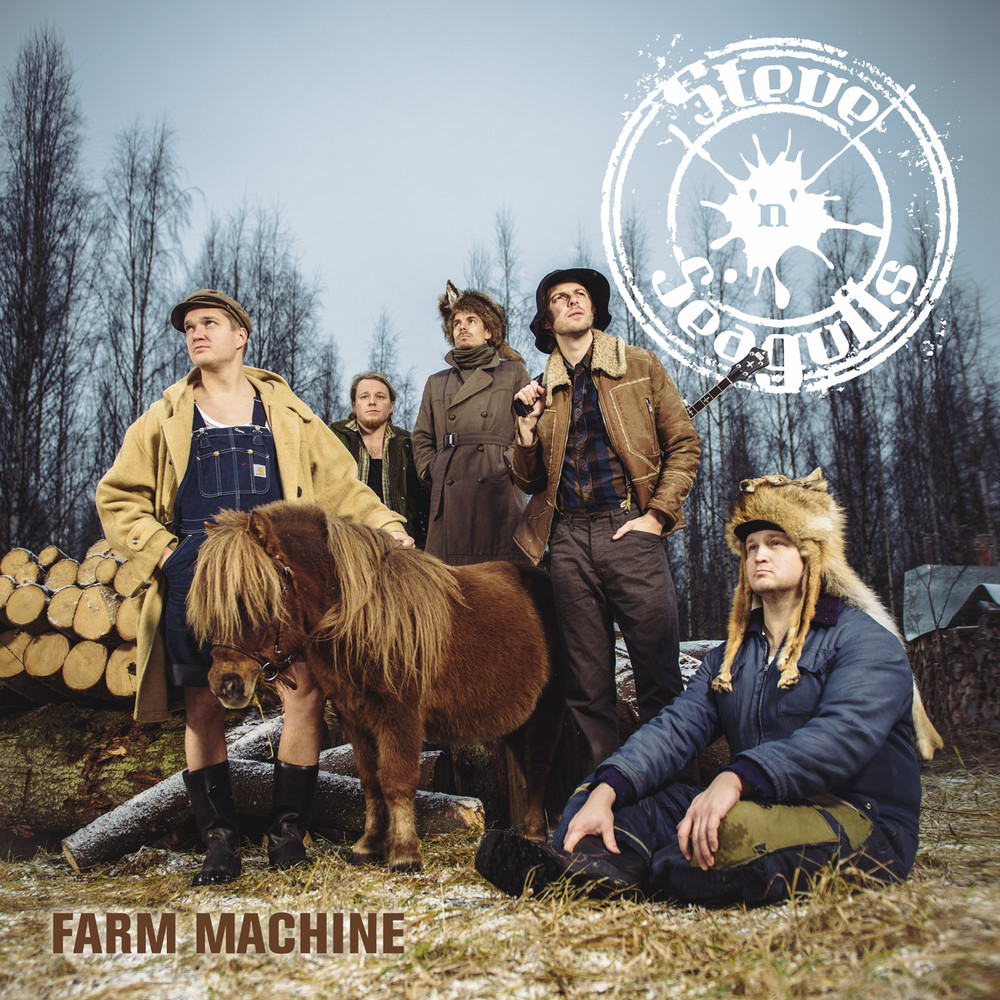
Puikkonen is the drummer for the Finnish bluegrass/rock/metal band Steve ‘N’ Seagulls. The group is set to release their debut album title “Farm Machine” which is made up of bluegrass renditions of songs like Iron Maiden’s “The Trooper” and Guns n’ Roses “Paradise City” to Led Zeppelins “Black Dog”. The group which also consists of Irwin Remmel, Pukki Kaalinen, Hermann and Wild Till Hiltunen will be performing on stages across Europe this summer and will soon be coming to the U.S. Media Mikes spoke with Puikkonen recently about the group’s creation, the new album and the group’s unique name.

Adam Lawton:  How did the band come together and what is the story behind the group’s name?
Puikkonen: At the beginning there was this desire of changing the routine. Most of us had been working as professional musicians for years in party/dance bands and needed to do something different and new. First we started to work on this country/western theme but over the years it took shape of something with a strong bluegrass influence but still wasn’t labeled in any specific genre. The name of this group was invented by the girlfriend of our banjo player Herman. If I remember it right they were waiting at a traffic light in Jyväskylä, Finland trying to come up with a decent name for the group.

AL: Was the idea to cover popular rock/metal songs something that was talked about from the start?
Puikkonen: At the beginning the main idea was to cover popular songs in spite of just one specific genre of music. Actually the very first arrangement we ever did was Lady Gaga’s song “Pokerface”. Rock/metal songs came along a little bit later when we realized that it was more fun and challenging to play. We had played some of the songs during our live shows and audiences really enjoyed it so we wanted to concentrate on doing a whole set of rock/metal arrangements.

AL: How did you go about picking the songs that make up “Farm Machine”?
Puikkonen: The schedule of making the album was quite busy so the decision was easy to make. We picked just picked out the songs that we thought had the best arrangements.

AL: Were there any songs that were recording which did not make the albums final cut?
Puikkonen: There were actually two. I’m not sure if they are going to be released as bonus material but you can sometimes hear them in our live sets.

AL: What type of tour plans do you have in place and do they include the United States?
Puikkonen: This summer we are going to be playing all over Europe. Next fall we are putting together the plans to come to the U.S. We actually have one confirmed gig so far however we can’t announce it just yet. As soon as we have everything put together for the U.S. run we will be sure to let everyone know.

Atticus Shaffer talks about Season 6 of “The Middle”

Atticus Shaffer plays the role of the quirky yet loveable Brick on ABC’s hit sitcom “The Middle”. The series also stars actress Patricia Heaton and actor Neil Flynn and was recently picked up for a seventh season. Media Mikes had the chance to speak with Atticus prior to the season 6 finale where he discussed his involvement with the show since its original pilot, his thoughts on the Heck Families changing dynamics and what he does to keep himself busy outside of the show.

Adam Lawton: What has it been like for you having been involved with the show since the original series and now going into the finale of season 6?
Atticus Shaffer: Even though this is the finale of season 6 going back to that first original pilot I have been with the show now around 7 or 8 years. This was one of those projects that from the very start I wanted to work out. I have hoped for the best from the very start. Even after the first pilot didn’t get picked up there was this lingering that it wasn’t over. After sometime a second pilot was put together and we got it that time. There was this energy on set where everyone where we were looking forward to the next episode and subsequently the next season. We always just kept moving forward. Now with season 6 over we are past the point of syndication so we were all thinking that this could potentially be it. To find out we got picked up for another season is a huge blessing. I am really excited not only for what the writers have in store for Brick but for the show as a whole.

AL: Having played the Brick character for so long now what type of things do you do to still challenge yourself as an actor in that role?
AS: You always hear about people getting stuck in a certain character and being unable to break away from that. It’s something that is very true. When you are playing a character eight months out of the year things almost start to become robotic. Some days you might be shooting scenes where you don’t have a lot going on so you’re just sort of going through the motions and then you go home. It’s great when the writers throw me a bone because I completely dedicate myself to what they have done. It’s me just focusing on portraying the character the best I can. Something that I think has helped from the very beginning is my voice over work which I do outside of the show. I love animation and fortunately a lot of those studios are in close proximity to where we shoot “The Middle”. I often will get done working on the series and then go down the street and get to do some voice over work.  For the first three years of the show I was also doing voice work on “Frankenweenie” at the same time. Starting during season two I was also doing “Fish Hooks” as well. I have what I like to call my “pallet cleansers” which keeps me fresh. I have done a lot of cool voice roles which has helped me during my in between times on the series. I just found out recently that I will be doing voice work for one of the main five characters on a new Disney series which will be announced in the near future. It’s a really great opportunity that I am very excited about. I have my live action series family and now I have my voice over series family. It’s really great to be a part of both.

AL: How has Brick in season 6 compared to the Brick we have seen in previous season?
AS: This season Brick has matured quite a lot both emotionally and mentally. Instead of being the eye in the storm character whose very matter of fact he puts more work into things now. It’s cool to be able to see Brick mature and now he of course has a girlfriend. Brick is now finding the people who understand him. While his family still of course understands him he has been able to explain to them more about his thoughts and feelings. But again Brick is also finding social circle to where he can talk about the same types of things outside his home. It’s interesting to see him mature but at the same time he’s still classic Brick.

AL: With Axl and Sue both being out of the house now going into season 7 how do you feel the family dynamics will change in the Heck household?
AS: With both of those characters out of the house I had been thinking of what that would mean for Brick and how the writers would approach things. This can be sort of a blessing and a curse. It certainly can open up the door for a number of different story lines however the family might not be as close of a unit with less people now so that can certain impact things. I think it would be cool if Brick continues to mature and keeps finding people he can relate to which ultimately helps him develop a really tight knit friend group that he can be with when he is not at home.

AL: Are you able to bring these types of ideas to the writers for consideration?
AS: In the very beginning the writers had specific story lines that they wanted the characters to follow. Around season 4 most of those lines had been used and they start looking for different ideas and input. Every year I sit down with the creators of the show and talk about the plans for the character. I like to be aware of what’s going on with Brick so we talk about some of the episodes and then I give my ideas of what I think might be a cool way to go with things. Most of the time they may not use the ideas but every once in awhile they give me something and I get really excited. It’s one of those things that can be tough but at the same time its fun to see what they come up with.

AL: Where do you feel fans will be left at the close of season 6?
AS: I think it’s one of those thing where if we hadn’t been officially picked up for a 7th season it would be very easy for people to panic thinking we left them on a cliff hanger. From here on out I think the episodes will include everything but the kitchen sink. I think the end of this season will certainly leave people with questions however they can sort of breathe a sigh of relief knowing that there is more to come next season.


Related Content

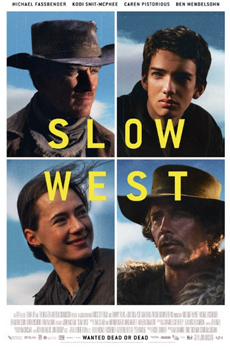
Kodi Smit-McPhee and John Maclean Have An In-depth Talk About ‘Slow West’

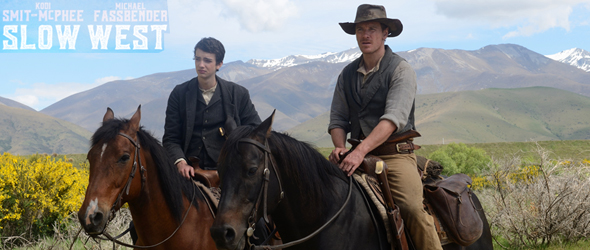
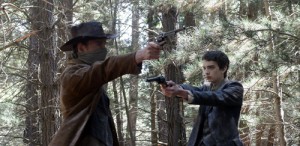
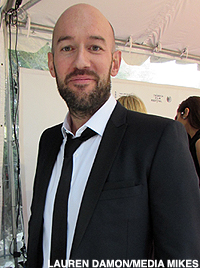
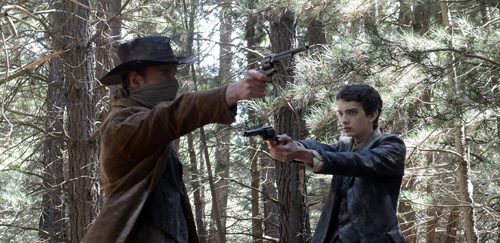
Last month John Maclean’s Slow West had its New York debut at the Tribeca Film Festival. The film has since been available from DirecTV but the visually striking drama (read our 4-star review here) can be enjoyed on the big screen in its theatrical release as of May 15th. I sat down with director Maclean and star Kodi Smit-Mcphee (Dawn of the Planet of the Apes, next year’s X-Men Apocalypse) one rainy afternoon during the fest at New York’s Bowery Hotel to discuss more in depth the creation of the Michael Fassbender western.

Lauren Damon: John you actually got a degree in art and painting, did that inform your visual development of the film?
John Maclean: I think practically 100% of it in a way. Because it’s all connected and when I was making–when I was at art school I was doing a lot of collage which is pretty close to montage. And when you do look at really early early cinema, they’re so closed linked, you know. There’s cinema and films, paintings, then you have surrealists making films and Dali making films.
Kodi Smit McPhee: I love his films, so cool.
John: Yeah and Buñuel, do you know Buñuel’s stuff?
Kodi: No
John: Luis Buñuel
Kodi: No, I’ve been looking for more surrealism…
John: Oh he’s the ultimate. I’ll give you some names.
Kodi: Please. I didn’t even know you’re a painter. That’s amazing.
John: I studied six years at art school, painting.
Kodi: Really? I’m getting right back into it now. Oh my god, I love it. I’m thinking of maybe doing surrealism in graphic design, I like that.
John: Yeah, I mean especially surrealism.

Lauren: Yeah, that’s definitely evident in having, you have scenes horses attached by a clothes line to dry their clothes in the wind, or Kodi’s character alone in the desert landscape–did you sketch anything out?
John: Oh, I sketched every single shot, yeah. So it took me about four weeks to storyboard it but yeah, heavily storyboarded.

Lauren: Kodi, just prior to this you were in Jake Paltrow’s Young One’s where your character sketched a lot too…
Kodi: Actually ironically in a lot of movies, I just realized…
John: Weren’t you drawing in Planet of the Apes?
Kodi: Yeah. Planet of the Apes, [All the Wilderness], The Road…
Lauren: Is that something you do on your own anyway?
Kodi: I did when I was younger and I only realize now that like my ego–
John: Did you actually draw in Planet of the Apes or did some production designer give you half a drawing to fill in? [laughs]
Kodi: [laughs] No, they gave me half of like an amazing masterpiece to help, and I’m like ‘Alright, so I’m just going to do my seven-year old rest of it.’ But yeah, I loved drawing when I was little and painting but then I just stopped because I thought that I was just doing the same as other people but I’m not, at all, you know?
Lauren: No, it’s always going to be different.
Kodi: You end up owning it once you master the craft. And then once you master the craft, which only your passion can get you through, you can then talk however you want in the arts.

Lauren: Going back to that image of the horses, how was it working with all the livestock in the film?
John: [Laughs] That was actually–that was a scene where the people on the film, I can’t remember what they’re called, are they called bond people? …The people on the film that sort of question stuff that maybe can’t be done were very concerned about that scene [Laughs] But that was one of the easiest.
Kodi: The clothes line, yep.
John: That was actually pretty straight forward.
Kodi: Yeah
John: I think some of the harder scenes were just like eight horses in a row, standing still. So yeah, there was no problems with the horses but there was problems with some of the riders. [laughs]
Kodi: It’s pretty interesting and funny when you’re trying to do just like a dramatic, still moment and the horse is like just moving around–
John: Or a silent moment and just [horse noises]

Lauren: Did you have previous experience acting on horseback?
Kodi: Luckily, I did. I did Romeo and Juliet in Italy a little before this and I was trained by a jockey so I was pretty set for it–
Lauren: So you’re ready to go fast if you wanted?
Kodi: Yeah I love horses and you can actually build a really unique relationship with a horse if you’re not scared of it. So yeah…I think my horse’s name was Zeke, it was beautiful.

Lauren: I noticed when I interviewed Ben Mendelsohn regarding Silas leaving his gang that he seemed bit defensive of Payne, was this the remnants of anyone on set staying in character?
Kodi: We only had Ben for a tiny amount of time.
John: Yeah Ben was only around for three or four days of the whole shoot.
Kodi: If anything, he was just so cooperative just to try and get it done right.
John: I mean Ben had a really tough scene on the first day which was around the camp fire which, when I wrote the script I hadn’t realized that it was dialogue, silence, dialogue, silence, and there was nothing for him to be able to remember…Usually someone says something, you know someone else says something and it triggers you to remember your lines for the reaction. But there was no…Silas was just like [there].
Kodi: Yeah.
John: So it was basically like a massive monologue, so it was really really tough for him. And then after that was…all that in the field so that was much more fun.

Lauren: So he wasn’t ‘Payne’ on set?
John: No, because I never felt that it was that kind of film or it sort of merited that. Because it was, you know even between takes, it felt like the kind of film where the performances were supposed be kind of quite natural and very just action based so you know it very much just yeah…So it kind of felt like that wasn’t really needed. I think when you’re going into filming hand held digital for hours, someone being slowly destroyed in their mind and all that, you need to go in and out. I think the only time, I think Caren [Pistorious as Jay’s love interest, Rose], when she was at the ending–that I wouldn’t want to spoil–it was quite emotional for her, that scene.
Kodi: Yeah I was saying when it comes to the scenes within the story, you want to stay there. But when it’s obviously just like things like communication, I mean if anything it’s great to leap back into being cool with each other and communicating and kind of talking out the scene before you get back into it.

Lauren: When you read the script, did Jay’s love for Rose bring you back to any crush you’d had in your life?
Kodi: Actually I hadn’t had a lot…I mean now I have a beautiful girlfriend, but that’s only because I do relate to Jay in the way that I only want true love and I kind of see through the veil of all the bullshit in the world. And I was just kind of waiting for that, waiting for the right time and respected that. Yeah but nothing at the point of when I read the script, did it remind me of anything. But I love love. So yeah.

Lauren: Do you think growing up while making films kind of sheltered you from some of that sort of ‘bullshit’?
Kodi: Yes. Yes, absolutely. I mean it could have gone two ways and it could have actually thrown me into the bullshit if anything. It’s my journey, I believe, not just a coincidence that I was taken around the world and shown different cultures and yeah, just shown the state of the world. And it really planted a seed for an inquisitive mind.

Lauren: And you’re from Australia, but are you based in Hollywood now?
Kodi: I’m based in yeah, Studio City, kind still away from the bullshit [laughs]. It kind feels like a suburb type area so I feel pretty comfortable there. I’m there because of work, but I never work there. It doesn’t work out like that [laughs]. It’s cool.

Lauren: Was it nice for this film shooting in New Zealand, kind of closer to Australia?
Kodi: Yes, it was so beautiful and I was so stoked to be going back to New Zealand. I went there for two weeks when I was younger with my dad and I was, even really young, I knew I loved it so much. Everyone says that it’s one of the places in the world that mother nature’s still extremely present and that’s so true when you’re there. It’s just like another world, so beautiful.

Lauren: Were you familiar with Ben or his work as another Australian actor?
Kodi: Oh! Ironically, my father is an actor–he’s the one that got me into it when I was eight–and I lived in a place called Adelaide for, well before I was born, Ben Mendelsohn and my father actually did their first movie together.Well, my dad’s first movie. So it was just kind of weird to connect the dots like that. Makes a cycle.

Lauren: Did you dad visit this set?
Kodi: Yeah! He came to set and they saw each other and yeah, it was just cool to be in the middle of that, for sure. I felt a great connection and I told him, you know, I told him yesterday that even though we’re all the same sorts on the inside, he’s a huge inspiration to me, yeah, he’s a really cool person.

Lauren: Do you have any siblings?
Kodi: I have a sister who’s also an actress but configures more of her energy towards she wants to be a pop star…
John: How old is she?
Kodi: She’s twenty two and it’s been her dream since a child, so she’s really just embraced it. I completely respect her for that. And then I have a nine year old brother who is in Australia right now with my mum. And yeah, he’s a really cool kid [laughs].

Lauren: John, this being your first feature film, were there any assumptions you’d had that flew out the window as you moved from shorts to this?
John: I think just the mountain that I was about to climb. And I think if I’d almost known it, that I would have questioned doing it. You know, but you sort of break it down. So you don’t look too far ahead, you just look towards the week. So you’ve got the pre-production, and then you deal with that and then you’ve got the first day of shooting and you deal with that. Then you get into the rhythm of shooting and you deal with that. And then you finish and then you start editing, and then you do the music and the grading…So just the whole thing just is such–I’m kind of glad I did it when I’m a little bit older and a little bit more kind of…You know I speak to film students that want to make feature films and they’re like twenty and stuff…
Kodi: So eager.
John: Eager, yeah.
Kodi: I feel like I’m just waiting and there’s nothing I want to jump into yet.
John: Yeah, I think you need to…you need to just make short films, you need to read, you need to write, to learn and live. I mean some people–obviously you’ve got your Scorsese’s doing it when they’re six and stuff but I mean, for me it was just much more ‘Ok, this is the right time’ and it felt very comfortable and easy.

Lauren: Do you have a favorite part in all this process?
John: Shooting’s the best bit for me. Unfortunately shooting’s the shortest bit as well. You’re only really doing seven weeks of the shoot and the before bit is years and the after bit’s years. But really the buzz of being on set and the collaboration of being on set and the kind of routine of it, I just absolutely love.

Lauren: In an attempt to be a Michael Fassbender completionist, I couldn’t seem to find [their short film] Pitch Black Heist though.
John: No, I know. We’re going to try and get it out. It’s on the internet in Britain but it’s blocked in America, I know.
Kodi: Why’s that?
John: Because Film4 have got a licensing thing about it..It might come on DVD.
[writer’s note: Thank you, YouTube]

Lauren: Kodi, have you got ambitions to branch out in writing or directing?
Kodi: I definitely have ambitions but I think with wisdom comes the best recipe. So I’m literally just being the sponge that I already automatically am with this–not, immature mind–but this mind that’s still learning. And I just take advantage of it and yeah, taking it all as it comes. I know one day over there [pointing to John’s seat] I’ll have the great tools to express that.

Lauren: What do you think you picked up the most in working on Slow West?
Kodi: I–man, the most important thing for me in art is just like, I don’t know that new…like when someone does that thing that you love, that you want to do, it’s so inspiring. Because when it’s done right and it’s enjoyable and I don’t know. It really is what it is to anyone I guess. I can’t put words on it, I really can’t.

Lauren: Actually going back to John saying you had ‘The Mountain’ of your film earlier, I have to point out that you had The Hound from Game of Thrones in there, how long was Rory McCann shooting with you and how did he come to join your cast?
Kodi: He’s awesome.
John: He was absolutely amazing.
Kodi: He has the nicest heart in the biggest cage.
John: Yeah. And a great talent. He was in a bit of Scotland. We shot for a week in Scotland and he was there and then he came down to New Zealand and we had him for maybe one or two weeks in New Zealand, but it was great to have him around. He, I think Michael Fassbender suggested him because I was trying to figure out someone for the dad…
Kodi: Originally it was Rory for Jay.
John: [Laughs] Oh yeah Rory for Jay. Originally it was Michael for Jay [laughs]…Yeah, Michael suggested him and it was like [snaps fingers] wow.

Lauren: Had Michael worked with him before?
John: No, I think Michael had seen him in something that wasn’t Game of Thrones.
Lauren: Hot Fuzz? With his one line in that movie?
John: [Laughs] Yeah, again and again. But yeah, I loved working with him.

Lauren: And then how did you cast Caren?
John: Caren just it was tapes that were sent to me. She hadn’t done much, if any features. Her profile was pretty low and they were sending me a lot more experienced names and stuff and she was just–her tape was just better than anyone else’s.

Lauren: Kodi, did you speak much with her regarding your characters’ relationship in the movies?
Kodi: Beforehand? Yeah, I think it kind of stops at a point when you understand what’s happening. And that is just the whole heart in the wrong place idea. Which happens a lot in the world. But in this instance, it’s quite the colossal event. Because he has the ability to follow that vulnerable passion. So yeah, I think that kind of unfolds itself and then you get to put the ingredients in after you understand it.

Lauren: Without going to much into spoilers, but this is a western so it of course it has a shootout in there, how was it filming that? And had you experience with weapons?
John: That was the funnest bit of the whole shoot for me. Because you really–It was towards the end of the shoot and we’re kind of running out of time so we’re ramping up the shot lists and it was really quite exciting actually. We got the guy that was doing all the firearms stuff, he basically was Peter Jackson’s guy for, since the beginning. So he’d done all the Meet the Feebles and all that kind of stuff so he was really amazing. He was really amazing with shooting stuff and he turned up with this huge high-powered air thing for a lot of the exploding everything. So everything was just shot. So we just shot the hell out of the place.

Lauren: Did you get in much gunplay?
Kodi: There was a little bit and I obviously had to be like safely trained how to use it correctly and stuff like that. But I didn’t really use it much in the movie and we wanted it to–when I did use it–look like I had never used it. So I kind of used that! [laughs]

Lauren: Coming up you’ve got playing Nightcrawler in X-Men [Apocalypse], are you entering into any sort of stunts training for that?
Kodi: I think, I mean I’m probably not allowed to say this, but I read the script and I don’t think there’s much physicality for my character as of now. Probably due to his laziness in teleportation [laughs] Which I love! So I’m not going to complain about that.
John: You’re working on your tail though? [laughs]
Kodi: I’m working on my tail stunts, trying to flick it into people’s eyes.
John: Trying to grow it as well…
Kodi: [Laughs] Yeah trying to grow it out right now. It’s like [‘this big’ hand demo]
Lauren: There should be a protein shake for that.
Kodi: Tail Protein Shake! That’s great.

Lauren: Do you have a favorite super hero of your own?
Kodi: The coolest thing is that I really never was into superheroes or comics or anything and I didn’t think as an actor of my physicality would have a chance to play one. But then after I just kind of started researching life and stuff like that, you see weird coincidences in life that you soon realize aren’t coincidences and this character is—his real super power I believe is he’s a great person. Or whatever he is, mutant. And he’s in love with faith and god and he expresses love to his other superheroes who are going through hard times and essentially I think his—Fassbender says in interviews that that’s what’s so intriguing about X-men or even Star Wars. Its idea, it’s got this mask on it but what’s under it is relative emotions so yeah I really can’t wait to get into that. It’s so , again.
Lauren: Yeah, like Kurt, Jay in Slow West does have that spiritual angle to him
Kodi: Yep and intellectual and has the seed to want to know about the universe and that is also a seed in and of itself that ends up just making you go back to yourself.

Lauren: Talking of the ideas in larger films, Slow West has a lot of small, very intense intimate scenes, for instance Silas just trying to calm down a woman holding a gun, what’s the inspiration for these?
John: I think it’s just there’s things like that and the washing line scene, when you’re thinking up what’s happening next, it kind of one thing leads to another and it seems like the only practical solution. So the only practical solution for Silas in that situation is to try and get Jay to calm down by saying breathe. And the only way for him to say that to Jay and bring him out is to pretend he’s saying it to the girl…
Kodi: I don’t mean to go so deep but when you have a mind like mine, and you’re reading a script and you see how cause and effect and laws literally work—Like, if you’re at one with truth, then everything just falls into natural light. You don’t have to pull anything from anywhere, it just naturally happens.
John: It’s a lot of practicality, like if you’re clothes are wet and you have to ride somewhere, then you make a washing line, you know? So you kind of—hopefully it was just all coming out of…pI think that’s how, it’s like not having to think of anything too surreal or witty, but just think more practical things and then you will happen to be, by nature, witty or surreal.

Lauren: I can’t help but notice that when it comes to Jay, he seems like an intelligent character and for him to trust Silas’s intentions when he offers help seems just sort of willfully naive.
Kodi: Yeah, I mean I think maybe not even because…it’s like a theory I have that you can rev your engine so much in first gear, but it’s not going to get to the second gear until it’s the right time…So I think that’s where he’s at. And that’s where nature works. It’s like no matter what, you can know as much as you want but if you’re acting from where you are, it’s only going to have equal effect. So yeah, I think it doesn’t matter how really smart he was, he’s always going to be immature in some way.
John: Yeah I mean I just thought that Jay was the kind of person that sussed Silas out from the first moment he saw someone that was lost and lonely. And he had such a perceptive view on when certain characteristics of people, or certain—but because of that detail, and because of that perception missed the huge big picture that [Silas is] a bounty hunter [laughs]. So you know, it’s like…he nailed Silas immediately with the lonely thing but missed out on the whole ‘I’m leading him to the bounty’.

Lauren: And finally, what’re you working on next?
John: Seeds of ideas that will start developing in the next few months into something. So yeah, I’ve a bit sort of enjoying the traveling and space before starting to write again.

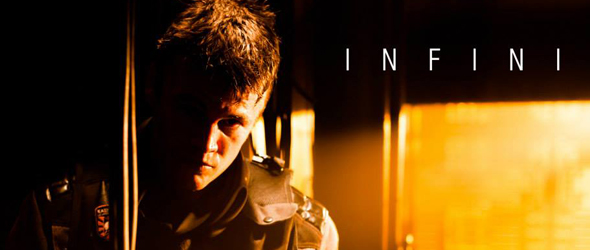
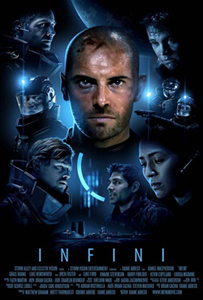
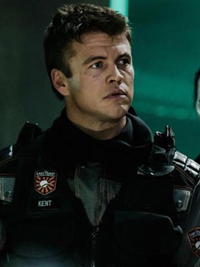
Luke Hemsworth talks about “Infini” and new HBO series “Westworld”

Shane Abbess’s new scifi thriller Infini finds a rescue team on a mission to save the lone survivor of a biological outbreak on an abandoned off-world mining facility. The teleporting team all have to deal with the ominous confines of the station and each other once the contagion breaks loose. Luke Hemsworth stars as part of the team, technician Charlie Kent.

I spoke to Luke last month regarding his previous film Kill Me Three times and was pleased to get on the phone with him once again. The cheerful Australian actor was excited to be working on a sci-fi film that harkened back to an Alien-type vibe even while contending with acting in an extremely hot spacesuit.
Lauren Damon: Were you familiar with Shane Abbess or his work prior to this film?
Luke Hemsworth: I didn’t know Shane personally, I definitely knew Gabriel, his first film, and I thought that was a wonderful wonderful Australian film..One of the best things of come out in a long time. So it was a no brainer for me in terms of jumping on board. I would have paid to get on board really [laughs].

Damon: What appealed to you most about the story?
Hemsworth: You know, it’s different. It’s familiar and different, you know it sets up a convention and just when you think it’s going one direction, it punches in the other direction. And you know I think this is a world that I always really loved. Always loved you know, that era of ’79 to the mid-eighties—Alien, The Thing and just some of the films that I grew up on. So to get a chance to get into that world and feel close to those giants, it was something that was always really appealing.

Damon: Growing up what were your favorite sci-fi films?
Hemsworth: Oh Aliens. Alien one and two were always some of my favorite films. Predator and yeah, I’m a sci fi fan, you know Star Wars and all those. I’m in there, I love that stuff. I grew up reading fantasy books. Fantasy and sci fi sort of go a little bit hand in hand and you know…yeah I love it.

Damon: How much of that space station set was practical and how much was added later?
Hemsworth: It was all physical except for the exterior shots was all post, but everything was shot inside that studio. It was a physical studio. There’s very little green screen at all. I think there’s, I don’t know, a few shots when you see outside that are actually green screens. It was all very tactile, very—It was a wonderful set that was this beautiful, modular set, like a giant sort of Duplo set which they would take apart and then put back together in a very very short amount of time. And you know, you’d be looking at the ceiling which was just the floor a few moments ago…It was interesting, it was a bit of a mind trip…But yeah, I mean it was great.

Damon: Was it more challenging than usual to be working in primarily a space suit?
Hemsworth: Yes! Yeah absolutely! [Laughs] Uh, I don’t think I’ve ever sweated so much in all my life!  You know, the poor wardrobe people that had to wash that suit at the end of every day, [laughs] I don’t wish that upon anyone. It was so hot in that studio. I mean it must have been, I don’ t know 110 degrees in there and then we’d chuck space suits and gloves on, helmets and neck warmers…Yeah, it was tough. It was definitely tough.

Damon: Did you do you own fighting? You have quite a big fight within those space station tunnels.
Hemsworth: That’s me, yeah yeah. I never had a stunt double. No, that’s us going at it. I mean, he is great—Bren [Foster], who got to beat the absolute living daylights out of me was you know, he’s a wonderful martial artist and there wasn’t any point where I felt I was in danger. It’s very controlled…It’s good. It’s great to do that stuff, I love doing the stunts. I’m always pretty physical so get me in there!

Damon: A lot of the fighting is spurred on in the story because of a rage-inducing contagion, did you guys have a lot of discussion about that sort of virus aspect of the sci fi you were dealing with?
Hemsworth: Yeah, there was always a lot of discussion beforehand and before the shoot. And then you know, I think each person kind of found a way in to that rage or whatever it was in a different way. So you’re going to get a little of a different interpretation every time. Which I found very interesting, you know? Because there’s no monsters, it’s not like we’re all zombies stumbling around. There’s a level of coherence to everyone which is kind of different to a lot of other things. Which is very fun, very fun to play with. You know being on the edge, running that knife edge of insanity and control. But yeah, you get there and you try a few things—I mean we’d go this way and we’d go that way and it was an intense few days in the tunnels. Those tunnels were a bit of a blur for me now…we were definitely up the river so to speak!

Damon: Before things go wrong, your character is a bit of a techie type. When you’re in a sci-fi project do you find yourself researching the science behind it either for the role or just out of personal interest?
Hemsworth: Absolutely, yeah. We all did. We all went very deep into our character. We did a lot of preparation beforehand. We did a couple of things. One day we had to do a presentation to the group and each one of us had to teach the other people one of their skills. Something about their skills. You know, Bren did a knife fight, there was a bit of a CPR course, a bio-med course and mine was obviously a technical aspect. Technical and weapons, that was my little thing so…I actually gave everyone a beautiful knife which was engraved with everyone’s name, each person’s name.

Damon: When it comes to movies, teleportation and space accidents just freak me out. I have to ask, if someone said you could teleport somewhere, would you do it?
Hemsworth: Yes! I can’t stand going on planes, get me there instantly any day! [Laughs]
Damon: But the risks…
Hemsworth: Yeah, c’mon, I mean what’s the worst that could happen?
Damon: Uh, your arm could just wind up in the wrong spot on the other side!
Hemsworth: [Laughs] That’s alright, just send me back and do it again, yeah?
Damon: Alright.

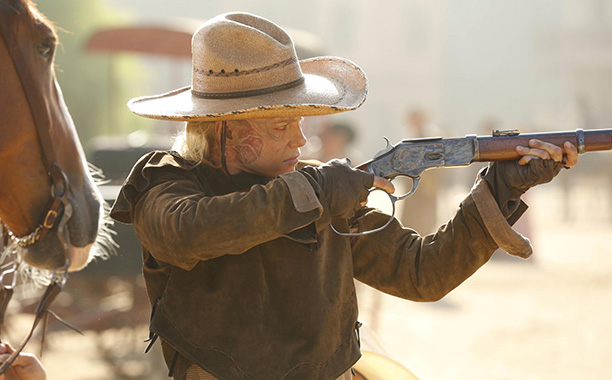
Damon: Last time we spoke, they’d just announced your casting in HBO’s Westworld, have you begun work on that yet?
Hemsworth: Still haven’t started yet. Soon, soon, this is all I’m hearing is ‘soon’. So it’s coming.

Damon: Were you familiar with the Yul Brynner film before you were cast?
Hemsworth: Westworld? No I hadn’t seen it, I actually still haven’t seen the original. I think the style’s going to be very different so …but I will watch it. It’s on the list—on the list to watch.

Damon: What do you think about the concept of that Westworld advanced theme park will appeal to the modern audience?
Hemsworth: Oh I think it’s a lot bigger than that. I think there’s a lot of questions about life and what is life and artificial intelligence, you know. There’s robots becoming self-aware amongst a whole range of moral ambiguities, things that appeal to the darker side of human nature. I think it’s going to be great.

Damon: Have you got anything else in the works, or just waiting to start up there?
Hemsworth: That’s it, just waiting, yeah. Can’t really do anything at the moment. Hopefully I’ll get the time to go back and do Shane’s next film which he’s about to start. I think they’re in pre-production now, so if there’s any time that I have to do that then I’ll be on board 100%.

Damon: Will that be another sci-fi film?
Hemsworth: It’s another sci fi. It’s actually called Sci Fi: Volume One. [Laughs] It’s awesome, it’s unreal, I can’t wait.

Damon: Are you able to share anything about it?
Hemsworth: I can say nothing! [laughs]
Damon: Okay, that’s fair! I think that’s a good place to end! That’s all I have on scifi today…
Hemsworth: Awesome.
Damon: Thanks for talking with me again.
Hemsworth: Alright, thank you

Infini is available now on all VOD platforms.

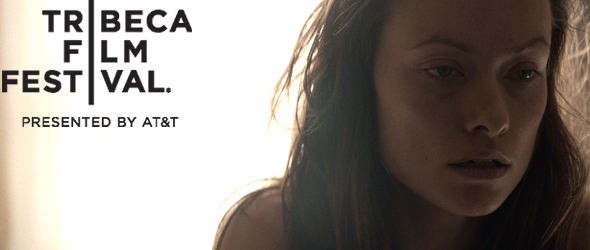
Olivia Wilde and Reed Morano discuss the film “Meadowland”

In Reed Morano’s new drama Meadowland, Olivia Wilde stars as school teacher Sarah, the mother of Jesse (Morano’s son, Casey Walker). While on a family trip with Jesse and her husband Phil (played by Luke Wilson), Sarah loses Jesse from a bathroom at a rest stop. Morano and Wilde sat down at this year’s Tribeca Film Festival to discuss the making of the film.

Because the film is largely about Sarah’s journey in coming to terms with her lost son, it begins with the harrowing realization that Jesse is gone.

Lauren Damon: Could you guys talk about filming the opening sequence, both technically and emotionally of the child initially going missing?
Reed Morano: I mean, I think I just wanted to not follow the typical conventions of ‘okay, something bad’s about to happen, this is a thriller’ like I didn’t really want to do any indication of it. And that’s sort of like why you don’t–we don’t really even see Jesse before he goes into the bathroom. And I thought okay…We also didn’t really have very much time.
Olivia Wilde: Yeah.
Reed: I was surprised there. So I was like okay, we’re gonna film, let’s just do it. Let’s just have [the actors] do the whole action and we’re gonna kind of–I’m just gonna follow [them] with the camera. Since we were handheld, it was just very easy to just kind of like go with these guys, move off of them. We kind of had a general–we kind of planned out in general where [they] were gonna go look and then I just kind of went with [Olivia] and then focused on you know, Sarah for a while. And then I focused a little bit on Phil.
Olivia: It was very true to life to, we wanted to show that tragic realism of when something bad happens and if you play it back in your mind, you think ‘What would I have done differently?’ And that guilt that both parents may have felt. That they didn’t spend enough time focusing on him right before he went. You know, they’re in the front seat, Sarah’s working on something, Phil’s driving. And there is Jesse in the back kind of entertaining himself. And that’s why, you know, it’s a scene about real life, real parenting, [a] real family moment where everyone is not necessarily completely 100% focused on each other. And then they go into the rest stop and as we said, you don’t even see [Jesse] because that’s how it would be played back in their minds. Like for me watching it, that’s how Sarah’s remembering her last moments with him…She remembers the cookie, she remembers his little voice, she remembers small moments of looking at Phil. And then once they get to the rest stop, it’s kind of blotchy. She doesn’t really remember. She remembers he’s not there and then he’s gone. And when she goes back in her mind, she thinks ‘Who was there? When’s the last time I touched him?’ You know, all of that that we would all do trying to relive it and think what could I have done differently? So I loved how Reed made that choice just to do this as it would be true to life. Just another day, another moment.
Reed: Yeah because if you lose something, you don’t know ahead of time that’s going to happen…There was this thing at one time where people thought I was going to do this poignant moment in the first scene in the car and I was like no, it should be like real life. Like completely real. We don’t want to indicate–it’s not perfect. It’s just like a regular family hanging out, driving. Some people told us ‘Oh some of this stuff’s a little mundane’ and it’s like but that’s a family driving on a road trip. And then him going into the bathroom–I debated should I show a shot of the bathroom at first? To show, to reveal that the door wasn’t open initially. And then it’s like you’re putting too much pressure, you’re putting too much emphasis on him going into the bathroom. It’s like you’re already–people going into the movie, kind of already know what’s going to happen, but that would really indicate it.


LD: What was the thought process behind casting Reed’s actual son as Jesse?
Reed: Well, I mean there are practical reasons and there are emotional reasons to cast him. And I felt like when I was trying to cast–
Olivia: He was the best one!
Reed: He was the best one. I auditioned a lot of kids and I finally–and I was trying to avoid it–I think we talked about it and it’s like it’s so perfect, not only does Casey look like he could be Luke and Olivia’s son, he is also, he’s not an actor. He’s like really subtle…Like I know him, he’s sort of been my muse for a long time and I take a lot of photos of him. But just knew that he, he’s just wise beyond his years. And I just thought he’s going to be a natural in front of the camera. But besides that, originally I was scared of the idea because I was like, that’s so fucked up for me to do that. Am I putting this idea out to the universe and then my own son’s going to go missing? God forbid. And then I thought, no maybe it’s the other way around. Like I’m doing this so that it won’t happen to me. And I also thought it’s such a huge thing to ask of these actors, in particular Olivia, who has just had a son. And I know from experience that right after you have a baby, it’s the most emotional time period. It’s such a weird time for women. That’s why postpartum happens and all these other things. And I just thought I’m asking so much of her and I want to be like in it with her as much as possible and it was sort of like my way…And also, I wanted to make sure I got it right. You know, I feel like I wanted to know–and I don’t know, maybe it would have been better if it wasn’t a kid I was connected to because then I could find a way to make it emotional without having extra baggage attached–but I just, I wanted to really feel what they were feeling. And I felt like that was like the closest way I could do it.
Olivia: I think also in terms of performance, something I loved so much about the opening scene is how natural that moment is. And it’s hard to get a child actor to relax to that point. So I thought we were really lucky to have Casey, who’s not only I think a good actor, but he was so relaxed that we got these real moments that kids don’t typically do when they’re performing.
Reed: And to be noted, pretty much all the dialogue in that scene in the car is ad-libbed by the actors. It’s not–we ended up not really using anything from the script. I think the only thing we used was when he says ‘I’m thirsty’ and Luke says ‘Milk or juice?’ But then Luke added in ‘Or beer?’ and then Casey was like ‘Beer.’ [Laughs] I mean that’s what I mean. He was like SO on it. And then that whole story that Casey tells about ‘I was running…’ that was just me saying ‘Why don’t you tell us some stories about why you like going to see Uncle Tim’ and he’s like ‘Well last time I saw Uncle Tim in Ithaca, we were running around in a field of grass…’ And he just like made that up. The weird part is that later on in the movie, Luke tells a story about seeing Jesse running around in a field of grass behind his house. But that was actually in the script. But Casey had never read the script. So it was this weird like thing that happened. And I had to put it in and my editor was like ‘No no no, it’s too much of a coincidence’ But I’m like when people see the first scene, they don’t know what happens later so it’s fine.

The other child actor in the film is Ty Simpkins as Adam, an autistic student with whom Sarah emotionally connects at her school.

LD: What was the thinking behind having the character of Adam be autistic? And what was it about Adam that would have drawn Sarah in more than her other students?
Olivia: Well he’s an outsider and she relates to that. He has trouble connecting and communicating and she relates to that and so I think that was the reason for it. And I think Reed made the really wise choice, along with Ty, to create Adam to be subtlety different and so that Sarah would be the one to recognize what makes him special. But yeah, that everyone else had just kind of abandoned him and that she in no way sees herself as his proxy mother or him her proxy son, but I think she connects more to him. That he’s her and he’s probably the only one that she wants to be around because he’s not asking her to act normal. And she’s not asking him to act normal.

Lake Bell chats about “Man Up” along with director Ben Palmer and writer Tess Morris at Tribeca Film Festival

Man Up, the hilarious new comedy from director Ben Palmer and writer Tess Morris, made its NY debut at this year’s Tribeca Film Festival with the creators and star Lake Bell in a cheerful mood on the red carpet. They along with producers Nira Park and Rachel Prior spoke with me about working on the film.

The film focuses on the awkward Nancy (Bell) accidentally swiping some else’s blind date, Jack (Simon Pegg) and the wild night they have out in London. True to the spirit of Man Up’s main character Nancy, writer Tess Morris was unabashedly honest about how she felt about the premiere, laughing and saying, “First time I’m going to see it with a paying audience–so I’m really excited and also I feel sick!”

Lauren Damon: How did you come up with some of the phrases and strategies that Nancy throws out in this film? The tactical puke? The blowjob paradox?
Tess Morris: Because they’re all actual things in my life! Actually, The Blowjob Paradox is my friend Austin. I have to credit him. That was his theory that I stole. Never be friends with a writer because they’ll just use everything of yours. Tactical puke? Because I’m the least sporty person in the world. So the idea of me actually having to do a tactical puke is sort of like half the joke. But yeah, I just base a lot of stuff on–I have a notebook with me everywhere I go and I just nick everyone else’s…

LD: Like Nancy carrying a notebook.
Morris: Oh yeah! Yeah, she’s very much myself.

LD: Did you write Jack with Simon Pegg in mind?
Morris: No I didn’t, I actually wrote it on spec, but he came on board it quite early and just changed the whole process for me. Because obviously once he was playing Jack, I could just have even more fun with him. And he brought so much to it, obviously. As did Lake. So yeah, that was a very exciting moment when he agreed to do it.
LD: I appreciated how none of your other female characters are mean, how the other date isn’t grotesque or competitive.
Morris: Oh yeah, like she gets her–I just sort felt like it was really important that she didn’t come across as like some young shallow kind of gal. Like she’s really excited for them because she’s a good soul. And I don’t like mean movies, you know? What’s the point?

LD: Can you name some of your favorite romantic comedies?
Morris: Oh yeah! I love Moonstruck. I think it’s underrated a lot. And I obviously love When Harry Met Sally and I also, most recently, Silver Linings Playbook and Crazy, Stupid, Love and Enough Said actually. I really liked Enough Said a lot. I think there’s been a slight resurgance recently.


Producers Nira Park and Rachel Prior had worked with star Simon Pegg throughout his entire “Cornetto Trilogy” with Edgar Wright and even earliar than that on UK sitcom “Spaced.”

LD: Can you speak about your relationship with Simon Pegg since you’ve worked with him dating back to spaced?
Nira Park: Eighteen years, seventeen years…we met on Spaced actually so I’d done something small with Channel 4 with Edgar before Spaced, then Spaced was starting up and Channel 4 actually asked me if I’d just do a couple of days a week initially to just kind of help them get it together. And I remember being really nervous when I met Simon and Jessica [Hynes] and I’m a bit older than them and they said they were terrified of me for the whole of the first series but I was actually quite scared of them! And–cause he’s just so bright and so brilliant and so funny–so yeah, I did a couple of days a week at first and then we all got on so well that kind of within a few weeks they were like ‘will you produce it??’ So okay.


LD:How did you get connected to this particular script?
Park: Well this script came about, we were just saying, because Rachel [Prior]–well we were all completely obsessed with Bridesmaids because we premiered Paul at SXSW and Bridesmaids was the surprise screening at midnight after Paul’s screening and it wasn’t finished at that point and actually [producer] James [Biddle] and Rachel weren’t there but I came back to London and was like ‘Oh my god, I’ve seen this film! It’s amazing! I wanna make this film!’ and we were just like ‘Why are there no more female writers in the UK who are writing this kind of thing??’ And then literally a couple of weeks later, this script, no one in the UK really writes on spec in the same way–it’s not the same as in the States–and this script just arrived through the letter box written by Tess and she’d kind of written it for Big Talk in the hope that we’d like it. Because she liked the films, the other films. And it was like everything we’d been hoping for! So at that point, we picked it up and we developed it for like a year and a half, we attached Simon kind of six months into the development.


LD:When did Lake come in?
Rachel Prior: When Lake came in it was just as we got to the point where we had a script that we were happy with and we were about to sort of start putting together and actually with BBC films and StudioCanal to actually start going into production. And we saw a couple of trailers for In A World and it was like there’s this–we had knew Lake from “Children’s Hospital” but there was something in In a World where we were like ‘Oh my god, she could play Nancy’ It’s obvious she was great at accents. And then we read an interview with her where she had said she studied drama in the UK for four years so we were like ‘Can she do a British accent?’ And she can.
Park: A brilliant one.
Rachel: Some Brits when we tested the film had no idea that she was American!


Lake Bell’s previous film, In a World featured her playing none other than a dialect coach with a great ear for accents.

LD:Was it gratifying going from In A World where the subject matter was doing dialects to this full feature where you’re using your British accent?
Lake Bell: It definitely was. You know accents and dialects are very much an obsession of mine. That is very authentic to In a World. So this was definitely on my actor bucket list of things to do was to play a fully realized British character, so yes. It absolutely satiated a desire to play a British character.


LD: How familiar were you with Simon Pegg before you paired up here?
Bell: You know I had known Simon’s work and certainly upon first meeting him I noticed we had a good sort of comedic chemistry and you know was excited to kind of go down this journey with him because I thought ‘Yeah, this if is gonna work.’ Especially with Tess Morris’s words which are so brilliantly…I really do attribute the brilliant repartee to her script.


Finally, director Ben Palmer comes from having done the feature film of UK TV teen comedy Inbetweeners.

LD: Your previous feature was The Inbetweeners, with just this manic teenage male energy, how was it switching to having a strong female lead?
Ben Palmer: It’s how I respond to a script, to be honest. And so the Inbetweeners was a really big part of my life and when I got sent Man Up, I almost felt they probably had sent it to the wrong person. Because I never thought that I’d be doing a British romantic comedy. But there was something–within the first couple of pages of reading Tess’s script, there’s something in that dialogue that stuck with me. And in a way, it has sort of that sharpness and that speed and the naturalism, I suppose. Those characters are so well drawn that I was a sucker for it, basically. And there’s and edge and there’s a truthfulness and it’s anarchic in its own way. There’s swears, there’s all that sort of stuff that excites me, I suppose. Although it is a romantic comedy, there is a crossover to the Inbetweeners. And it’s nice just to keep shaking it up and do a different thing.

LD: The film takes place over the course of one night, but has so many locations, what was that shoot like?
Palmer
: I loved that hook, that it happened over sort of 24 hours, in one night really. So within that…the challenge is to try and liven it up and move it around and the fluidity and the speed that they’re hammering through this city. It’s trying to find locations, not the easy locations to shoot in, but to go well ‘this is where this would happen.’ And so with that, when you’re doing a low budget film, there’s problems there. Because you can’t close down whole blocks, so you’ve gotta sort of work around general public in a way. But that’s how you achieve something that feels real and honest.

LD: Bowling features heavily in Nancy and Jack’s date, was there a best bowler on the set?
Ben: (Laughs) Simon. Simon’s a pretty good bowler. I’d say he’d edged it.

Man Up opens in UK cinemas on May 29th, while Saban Entertainment has recently acquired US distribution rights. You can read my review from Tribeca here.

Director John Maclean and Stars Kodi Smit-McPhee and Ben Mendelsohn talk about “Slow West”

Slow West held its New York premiere on April 19th at the SVA Theater during the 14th annual Tribeca Film Festival. Writer and director John Maclean joined stars Kodi Smit-McPhee and Ben Mendelsohn in speaking with me about the Michael-Fassbender-lead western on the red carpet.

Ben Mendelsohn is a renowned Australian actor who in Slow West takes on the larger-than-life role of Payne. Payne, in his oversized furry coat, is the leader of a vicious gang that Fassbender’s character Silas used to run with, and like his character, Mendelsohn seemed a bit bitter at the abandonedment of his gang-mate…

Lauren Damon: Can you discuss the relationship of Silas and Payne
Ben Mendelsohn: Okay, so Silas and Payne rode together back in the day and Silas essentially decided he was gonna go his own way–you know, he’d had enough, like ‘Yeah yeah, I’ve got what I wanted, I’m off doing my own thing’ Which, when you think about it is sort of a really punk move, you know? Because essentially Payne you know, gave this guy A LOT. Now, I’m not saying Silas isn’t a talented man, he is. But basically, he packed up and he got his tail between his legs and off he ran. And you know, time’s come now where our paths  have crossed again and [Silas]’s got this fine little bounty he’s traveling around with and really I just wanna know what’s up with that? Are we gonna share this spoil? Or are you gonna TRY and take it all for yourself? Or are you gonna try and be “a good boy”? So that’s a lot of what that’s about.


LD: And how did you all develop the look of Payne?
Ben: Oh the coat is genius. The very talented wardrobe lady [Kirsty Cameron] had it made and showed me all the pictures of trappers and what not from that period with these massive coats on. So once you put that coat on and that hat and you’ve got the tattoos, the rest of it’s a cake walk.


LD: How was it to shoot in NZ and with that wardrobe?
Ben: It was…yeah, it’s really crazy open wide spaces. It’s very desolate, it’s harsh. It’s a harsh sort of enviroment but very beautiful too. New Zealand’s a great place to shoot, it’s really got an extraordinary array of you know, locations and looks and feels…it’s all there. It’s a beautiful place to shoot.


LD: What attracted you to the film? I mean for a western it had a sense of humor about it too that I didn’t expect at all.
Ben: Yeah, I wasn’t sure how that would go. Michael Fassbender had started with John Maclean and they’d done a couple of short films and essentially the fact that you know that Michael Fassbender had sort of backed this to the degree he did was a very good sign. I’d seen his short films that John Maclean had done and they had something. You know, you could feel there was something there, western, it felt pretty cool. It felt like a good bit of fun with a decent chance of it working.


Director John Maclean had previously worked with Michael Fassbender on the short film Pitch Black Heist, which was shown at the 2012 Tribeca Film Fest.
LD: Can you talk about how you initially came to work with Michael Fassbender, what drew you to him or him to your work?
John Maclean: I think it was around the time that he was shooting with Tarantino [on Inglourious Basterds], I knew his agent. And his agent had given Michael some of my early short films I was making on my own. Michael saw something in them, came to me and said you know, if you want to do something, I’ll give up a day. So we started working together there.


LD: And when you approached this script, there’s a lot of dark humor in it—did you primarily come at it as a comedy or a western first?
John: I think, like my favorite films—I mean you look at a film like Fargo and it’s not a comedy, it’s not a thriller—I think some of the films I’m interested in, I think you just have to try and be truthful. And like life, comedy comes in to sad moments and sadness comes in to comedy moments.


LD: And it’s unconventional that your young romantic lead, his love interest doesn’t actually like him like that back!
John: I think “spoilers” here!

LD: I know, I’m sorry, my review says he’s been friend zoned
John: I just I mean, maybe that was from personal experience (laughs) when I was younger. But that’s what happens with young boys, I think. I guess it was for personal experience actually but um, I think he was never right for her. I think she was always more practical and he always too much of a dreamer. So from the beginning, I guess it’s doomed.


LD: How do you describe the back story between Payne and Silas?
John: Yeah, I think that’s the hard thing with wanting to make a shorter film—you can’t branch out into too many of the backstories but…I just imagined that the wild west, there wasn’t that many people at that time. So people sort of crossed paths much more often than you’d expect. I imagine they travelled together and [Silas] was part of Payne’s gang and then didn’t like the senselessness of some of the violence and left and went to go alone and Payne’s trying to draw him back into it.


Kodi Smit-McPhee was recently cast as Nightcrawler in next year’s X-men: Apocalypse, seeing as his previous film co-starred Nicholas Hoult (“Beast”) and this one he shared the screen with Fassbender (“Magneto”) I had to ask about joining them as mutants.

Lauren Damon: Have you contacted your past coworkers here for advice on joining the X-Men?
Kodi Smit McPhee: I haven’t contacted them yet. So we got Nicholas Hoult, Ty Sheridan and Michael Fassbender whom I know well. And I really can’t wait to get on set and work with them. And I haven’t said a word to them.


LD: What’re you most looking forward to about playing Nightcrawler?
Kodi: I really love the warmth that comes with the passion behind his character. And the novelty within just the tradition of him. I don’t necessarily have a desire to bring new things to it, but just show the world that they love.


LD: And are you familiar with Alan Cumming’s take on it from X2?
Kodi: Yes, absolutely. Usually, I mean if I don’t need to–like for Let Me In, I didn’t look at Let the Right One In–but for something like this, I thought it  was right to just find all the roots, you know, see how Nightcrawler evolved into who he is now.


LD: If you could choose your own X-power what would it be?
Kodi: I would love to physically, and within my own body, be able to travel back and forth and time. See how the history and the future plays out.


LD: Back onto Slow West, I was rewatching The Road recently and I saw your character there sort of as the young optimist to an older guide, like Jay in this film, did you feel that connection there?
Kodi: Absolutely and maybe in fact this whole story itself and the concept of a western story, it was very much like that. Like desolate and moving towards something hopeful. So yeah I really loved that idea and that was never intentional, but I guess it’s something that I’m just great at expressing and hopefully with Nightcrawler, I can move onto other things.

Next week: A more in-depth discussion with John and Kodi, meanwhile, you can check out my review of Slow West here.

Terry Gilliam discusses Monty Python at Tribeca Film Festival

Iconic British comedy group Monty Python reunited at New York’s Beacon Theater on April 24th to celebrate the 40th Anniversary of their film Monty Python and the Holy Grail. The showing was part of a celebration of all things Python, including screenings of Life of Brian, The Meaning of Life and the new documentary The Meaning of Live at this year’s Tribeca Film Festival. Beacon Theater attendees were treated to a showing of the classic comedy and a post show discussion between group members Terry Jones, Terry Gilliam, Michael Palin, John Cleese and Eric Idle with moderator John Oliver. Along with the Pythons themselves, other famous audience members that came out for the group included original Broadway Spamalot cast member Hank Azaria, comedian Rachel Harris and A Fish Called Wanda co-star Kevin Kline.

On the carpet outside the theater, I got the chance to speak with the always-animated director, Terry Gilliam who braved the crowded carpet to share his tongue in cheek thoughts on his co-conspirators, New York audiences and comedy at large.

Terry Gilliam: Hello this is a nice quiet part of the carpet.
Lauren Damon: How are you doing?
Gilliam: I’m doing fine, it’s nice down here. They’re all [the assorted Pythons] just making fools of themselves. It’s awful when you’re past seventy and they’re just desperate for any attention!
LD: How does it feel to be here with the film in this festival?
Gilliam: Well. It feels like I’m here for the festival. That’s what it feels like, nothing more, nothing less!
LD: When you were making the film back then–
Gilliam: Yeah we knew we were gonna be here. We knew we were gonna be here 40 years on. Every day we were shooting we said ‘I CAN’T WAIT! Forty years from now, we’ll be at the Tribeca Film Festival! C’mon boys, action! Cut! Action! Cut!’ We’re ready to go. And here we are. We were right.

LD: Having debuted Spamalot here [Eric Idle’s smash 2005 Broadway musical based on the film]–
Gilliam: Spamalot? Horrible! It was a terrible thing! Eric did that, he ripped us off. He ripped us off and he’s made a fortune on our hard work. Yeah.
LD: But it capitalized on a whole New York audience that you’re back with tonight.
Gilliam: I love taking advantage of New York audiences. They’re fantastic. They’re too rich. They’re too smart. They MUST be taken advantage of!

LD: How did working in Monty Python help you with your directing career?
Gilliam: Well it taught me never to work with the other Pythons. That was the most important thing to my career. Because they’d been obviously holding me back for all those years Python was alive. And luckily once I got away from them, my career shot. Pew!

LD: Do you think comics are too nervous about offending people these days?
Gilliam: Offense is a very important part of life. And people who are afraid to offend obviously aren’t saying what they really think. I think people have got to learn to develop thicker skin and start learning to laugh again. That’s what’s so funny. People are frightened of saying what they think anymore and offense is crucial. People gotta just learn to live with it–“Sticks and stones may break my bones but words will never hurt me…It a dangerous business, comedy. Just because there’s lunatics out there, you shouldn’t change the way you think about life. I mean the fact that there are more religious lunatics out there than there were when we did “Life of Brian” is not my fault! [laughs]

LD: If you had to cast a “Holy Grail” or “Life of Brian” with today’s comedy stars, who would you choose?
Gilliam: Oh, I don’t even know what’s going in the world anymore. I’m in my own little world, I’m a hermit now. I live at the bottom of the garden and I’ve got a nice little place. I only am allowed out every ten years like this! [laughs]

Director Jeppe Rønde and star Hannah Murray talk about “Bridgend” at Tribeca Film Festival

Jeppe Rønde’s harrowing new drama Bridgend made its debut during the Tribeca Film Festival this past week with both the director and star Hannah Murray (“Game of Thrones”) in attendance. Bridgend is based on the true story of a massive series of teen suicides that occurred in a small town in Wales. The suicides received media coverage at a point where seventy-nine young people had taken their lives between 2007 and 2012. In the film, teenager Sarah (Murray) moves to Brigend with her police officer father and quickly finds herself running with the pack of local teens who’ve recently lost some of their peers to suicide. They are a wild bunch who borderline worship the deceased and memorialize them in an anonymous online chat. All the while Sarah’s father, like the rest of the community, seeks to find what is causing this horrible phenomenon.

This mystery intrigued director Rønde who spent time in the actual community and eventually shot the film there on location. Rønde and Murray both spoke to me on the red carpet about how important it was to dramatize the town’s story in a respectful manner.

Lauren Damon: You spent time in the actual community of Bridgend, what was that like and did you go there with the goal of developing a film about it?
Jeppe Rønde
: I went there with the–a goal is a strong word–but I went there to try and find out what is this about? And why is this tragedy happening? Which is of course may be a mystery, because it doesn’t make sense. Why do so many youngsters kill themselves? So I was trying to figure out how can this happen? And how can it keep on going?

LD: Was Hannah’s character influenced by a particular story that you found there?
JR: Not particular, but I wrote the whole script through all the characters that I met there. Many of them. And I mixed them into, you know, one character. So you couldn’t do like a one-to-one, ‘oh this is that character’, because I would never be able to do that. Because that would be morally incorrect. So I built it on the reality I met but also making it a fiction which was important to me. Because it cannot be too close to the real people living there…

LD: How did you find filming in the actual location?
JR: Actually to film on the location was very important to me. Because you feel the presence of what is there. The geography is specific. There’s a fog coming, you know every day it rains a lot. And it can feel depressing. And at the same time it is extremely beautiful. And it was easy for me to get the actors into this state of mind that I wanted them to be in.
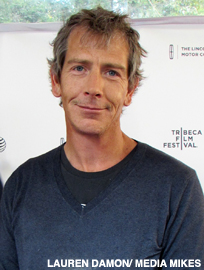
LD: How much preparation went into your work with the DP to get this very ominous atmosphere?
JR:
Of course we wanted to push forward a feeling of something that would be this collective subconsciousness. Something that’s within us that’s a darkness. So we wanted to put that also into the shot.

LD: What would you want audiences to take away from the ending of the film?
JR: I hope that they will take away from the ending that this is something that is beyond understanding of who we are as human beings. That there’s something in us that we don’t know what it is…that if we do look into it carefully, then we can maybe choose one or the other. Because it is an open ending.

LD: Is this still going on? All the suicide statistics associated with the town seem to come from 2007 and 2012.
JR: Because that’s the only figures that you can find officially. But unfortunately yes, it is still happening. From what I heard and no one really knows, but the media was shut down in 2010. So it’s difficult to say, but you would have to ask the authorities there.


Hannah Murray, who currently plays Gilly on “Game of Thrones” had a breakout role in the UK teen TV drama “Skins” but saw the role of Sarah as a wholly different teen.
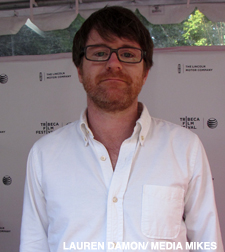
LD: What was your initial reaction to the script?
Hannah Murray: I’d never done something that was based on you know, based loosely on true events. I felt a huge sense of responsibility and I didn’t really want to get involved unless I thought things were going to be done sensitivly and respectfully. And when I had been offered the part I had a meeting with Jeppe to ask him why he wanted to make this film because I was worried about someone, I don’t know, wanting to do it in a kind of half-hearted way or taking advantage. So when I understood how long he’d taken to research it and how dedicated he was to the subject matter, and how involved he’d become with the community, I thought ‘Oh, you’re going to do this right and you’re going to do this honestly and bravely and compassionately.’ So that made me decide that it was something that it was worth jumping into.
LD: How was it shooting in that location?
HM: I don’t think we could have made the movie anywhere else. When you go there, you feel something very unique about that place and it’s beautiful. It’s incredibly beautiful but in a very bleak way. And there’s something kind of almost mystical and strange about it. I loved being there but it was, yeah you do feel a sort of sense of darkness in the air. Maybe that was because of the story we were telling though, I’m sure.

LD: You have this background coming from “Skins” of acting in the midst of a bunch of wild teens, did you feel a little like you were tapping into that again?
HM: I mean I feel like they’re incredibly different projects in sort of every way. Skins shows a dark side of teenage life but it also shows an incredibly fun and comedic side of teenage life. And in this, I mean, one of my friends saw this movie and described it as a gangster movie. Which I think is a really really interesting way of looking at it. And I think there’s a kind of, there’s a level of tribalism in this world that is so much more severe than anything that related to my teen experience. Whereas “Skins” I could kind of go like ‘Oh yeah, it was fun, we went to parties.” It was very different.

LD: How was it different on set with between the days you had you just acting with the pack of young actors versus the more intimate, intense scenes of just your character and her father?
HM: I mean that was one of the most amazing things about the project was all the different people I was working with were so different in terms of experience they’d had and the types of things they’d brought to these characters. So yeah, I remember every day we had the gang there it was just like this injection of energy and they were so exciting and would throw all these amazing lines that they’d improvised…And they would talk a thousand words a minute. And when I was working with Steve [Waddington] I felt like a child and when I was working with the kids I felt more like an adult because I felt sort of more responsible for them. And then I also had the love story with Josh O’Connor, which was a whole other element to play out…but I love everyone who worked on the film. It was such an amazing group of people.

LD: Finally, congratulations of continuing with Game of Thrones–especially this season’s opener being their highest rated–
HM: Oh was it?
LD: Apparently
HM: Oh that’s great!

LD: Why do you think the audience just keeps growing for it?
HM: I think it’s a REALLY good TV show. I think people put an incredible amount of hard work into it. The production values are really high and I just think David [Benioff] and Dan [Weiss] and George [RR Martin] are geniuses. I just think they’re so smart…And George created this amazing world in the books and these incredible characters and then the way David and Dan have adapted it is beyond. I think they’re so so smart.

LD: And how many times a day does Kit Harrington have to hear he knows nothing?
HM: He gets told quite a few times. Not by our crew, but I’ve seen people come up to him in the street and that’s allllways the thing they want to say to him.

LD: How about you, do you get fan recognition out and about?
HM: Um, a bit. Less so than I think some of the others. I think because I’m–well, now I have red hair, but I’m normally blond in real life whereas I have dark hair in the show so I can kind of be a little bit more under the radar. But I still, I’m surprised how many people still spot me. I think because there are so many fans of the show.

Copyright: MediaMikes.com © 2015 · Powered by: nGeneYes, Inc. · Login

All logos and images used on this website are registered trademarks of their respective companies. All Rights Reserved. Some of the content presented on our sites has been provided by contributors, other unofficial websites or online news sources, and is the sole responsibility of the source from which it was obtained. MediaMikes.com is not liable for inaccuracies, errors, or omissions found herein. For removal of copyrighted images, trademarks, or other issues, Contact Us.