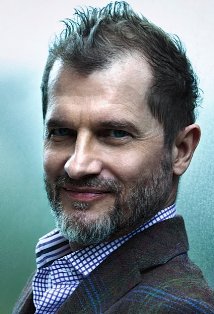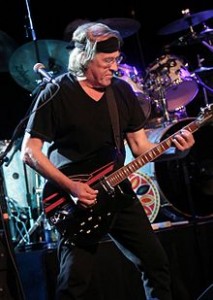


Dokken’s George Lynch talks about new album with T&N called "Slave to the Empire"

Guitar legend George Lynch is probably best known for his work with the popular eighties hard rock band Dokken. After the break-up of the band in 1989 George continued to be successful with his group’s Lynch Mob, Souls of We and T&N which along with George also features former Dokken members Jeff Pilson and Mick Brown. T&N has just released a new album titled “Slave to the Empire” and Media Mikes had the chance to talk with George about the release as well as some of his new signature guitar products.

Adam Lawton: What led to the decision of revisiting the T&N project and to also recording a new album?
George Lynch: The idea of me, Jeff, Mick and maybe even Don Dokken playing together again has always been there. The thing is with everyone being in different bands these days and being busy it’s kind of hard to all get together.  You almost have to have a reason or an avenue to make that happen. We had been trying to put the Dokken thing back together for a few years and it never really happened. Eventually Mick, Jeff and I decided to do this without Don. We did ask him to join us however he declined. When you play with the same group of guys for a number of decades those experiences never go away as its part of your life.

AL: Where there at any time reservations about the project and getting back together?
GL: No. Mick has really been coming back in a big way over the last few years. He has gone out on a couple Lynch Mob tours, he played on this album of course and he will most likely end up being the drummer when we take T&N on the road. Jeff and I have been constantly trying to find ways to work together. We live down the street from one another and really our relationship has never changed. We still inter-act the same as we did in the early Dokken days. We might be 30 years older but when we are sitting in a room playing music together it’s like that time never went by.

AL: What was it like writing new material together and also revisiting the old material?
GL: Those were two completely different animals. Re-doing the old stuff was relatively easy. It didn’t require a lot of brain power as we know the songs really well. That allowed us to have fun with them and change/add in some new parts. With the new material it was more as if we were in a laboratory. A little more thinking was required. Thinking is work for me these days. (Laughs) We did a lot of the writing by the seat of our pants. That’s what’s wonderful about writing with Jeff. I love the trust we have and we have a certain style of writing. There has never been an issue with Jeff and me productivity wise. There is sometimes an issue though when it comes to picking a direction. We may write a trippy acid song one time and a blues song the next. We have to sort of bring ourselves in when it comes to that type of thing.

AL: Has there been any discussion about touring in support of the release?
GL: We intended to go out last year during the fall. We had a really great slot at the Loud Park Festival and there were a few European shows and a few shows in the states booked however due to a number of business reasons things didn’t pan out. Things for this coming year are looking really good and our intention is to get out there.

AL: Being a huge horror fan I have to ask how Dokken got involved with the “Nightmare on Elm Street” franchise?
GL: We had a wonderful manager at the time by the name of Cliff Bernstein. At the time he was probably one of the biggest rock managers and still actually could be one of the biggest today. If I had to credit one person with the success of Dokken I would have to credit him. He brought that opportunity to us. Being involved with that film really propelled the band in to a lot of people’s consciousness. Jeff and I wrote “Dream Warriors” when we were living together in Arizona. For us it was a huge deal even though we didn’t really make any money at it. (Laughs) We were persuaded by our managers to take a buy out on the song. We received a small piece for the song and that was it. It worked for us though.

AL: Were you guy’s fans of the previous films?
GL: I personally was. When the first one came out I thought it was pretty mind blowing. I was in to horror films growing up and I like a lot of the classics. Prior to the movie though I had sort of evolved out of liking the genre but when we did the song for the film it renewed my interest in horror films.

AL: Do you have any new signature guitar gear coming out this year?
GL: I have two things that I can think of off of the top of my head. The first one is a pedal I have been working on with the Cusack Company. The idea is for the pedal to combine everything I think is crucial in a pedal board in to one unit. Over the years I have found running a number of pedals can cause impedance issues. This pedal is being designed so that everything matches up perfectly and all your signals are balanced. The other thing I have been working on is a signature acoustic guitar through ESP. They have come out extremely well and even better than I expected. We worked hard on the project to make a guitar that sounded good and was affordable. Everything on these guitars looks and sounds great!

AL: Do you have any other projects in the works that you would like to mention?
GL: I have a project that we just decided on a name for the other day. It’s titled KXM. The letters stand for Korn, Kings X and Lynch Mob. The lineup is Ray Luzier of Korn, Doug Pinnick of Kings X and me so that’s where the KXM comes from. We went in to the studio not knowing what we would sound like. Things could have gone a number of different ways but what it ended up being is a very dark sounding record with some funk elements. We actually just finished it up. I don’t think there is anything unexpected on the record but it is dark. We have some interesting ideas of how we are going to be releasing the material so people will want to be watching for that. I also have something that is still in the project stage called The Infidels. It features the rhythm section of the band WAR. We are doing some very ass shaking, groove type material that is just instrumental at this time as we are still deciding what we want to do with everything. Lastly is a documentary film titled “ShadowTrain”. On the surface the film appears to be about music and Native Americans but it is really an exploration of human nature. The film is philosophical, historical, musical and spiritual. This is something I have never done before but thankfully I have people working with me on this that know what they are doing. There is also a band involved with this as well that recorded a record. The record is the soundtrack to the film and is mostly improvisational. What we did was to go around to Native American reservations and play music that was completely improvisational. We had no idea what we were going to do. We just would start with a beat or a riff and see where it would take us. People interested in finding out more about the film can visit the official website at www.shadowtrainmovie.com 


Related Content

Dark New Day’s Will Hunt talks about new album "Hail Mary"

Will Hunt is a hard rock drummer who plays or has played with everyone from Evanescence and Black Label Society to Tommy Lee’s Methods of Mayhem and Static-X. Hunt is also a part of the rock super group Dark New Day consists of Brett Hestla (Virgos Merlot), Troy McLawhorn (DoubleDrive), Clint Lowery (Sevendust) and Corey Lowery of Stereomud. The group is set to release their 3rd full length studio album titled “Hail Mary” in February and Media Mikes had the chance to ask Will about his work on the record and how he juggles working with so many different bands at the same time.

Adam Lawton: What type of approach did you take with your playing on the new album “New Tradition”?
Will Hunt: We were going for a little more of a structured sound this time as opposed to what can be heard on “12Year Silence” where everything is just sort of thrown in. The drum parts on this record were more composition than improvising. I played knowing that I wanted the drums to sound huge, and the way to do that is to give them room to breathe and leave space for that in the parts. Corey Lowery and I wanted the bottom end to be ridiculous.

AL: How does this album compare to the previous releases from Dark New Day?
WH: Like I said, we were going for a more structured sound and that’s what we got. We were really experimenting, which in some ways was liberating, in other ways we now know what we wouldn’t do in the future! (Laughs) All though, we’re very proud of the experimentation and what we got from this album.

AL: Does the band have any plans to tour in support of the release?
WH: No touring plans for this release. I’m not saying there won’t be a couple of shows here and there if our schedules can line up. We obviously would love to rock some shows together, but there no concrete plans at this time

AL: Personally what do you find to be the most difficult thing about working with multiple bands and projects at the same time?
WH: It’s like air traffic control! (Laughs) You just have to make sure to get all the projects in line and land them without crashing!( Laughs) Sometimes it works, sometimes not, but I love it! I can’t play and write enough.

AL: Can you tell us about any of your other projects that are in the works as we speak?
WH: Yes. I am officially a member of David Draimen’s new band, DEVICE. Our 1st single “VILIFY” is hitting radio in February, and the self titled album will be released in April with a tour to follow. Our 1st show is going to be at SXSW in Austin. I’m really excited about this band, I think people are going to freak on how bad ass it is. The music is absolutely amazing, and I can’t wait for people to hear it! I’m also going to record the new Soil album which I’m really looking forward to. That will be a good time making music with some old friends!

Reinhold Heil talks about co-composing the score for "Cloud Atlas"

Reinhold Heil is one of the three composers behind the stunning score for the film “Cloud Atlas”, along with Tom Tykwer and Johnny Klimek. They have worked together on numerous films including “Perfume”, “The International” and “Run Lola Run”. The trio of composer also got nominated recently for a Golden Globe Award for Best Original Score for “Cloud Atlas”. Media Mikes had a chance to pick Reinhold’s brain about this wonderful score and also what he has planned next.

Mike Gencarelli: You co-composed the “Cloud Atlas” score with Tom Tykwer and Johnny Klimek, tell us about that collaboration?
Reinhold Heil: We have been working together now for 16 years on many different films. The only major film that Tom Tykwer directed that we didn’t work on was “Heaven”, which he did in 2001. All the others starting with “Winter Sleepers” in 1996, we have all worked together. Tom isn’t necessarily amazing with the computer programs but he is an excellent musician. Composing is such an integral part of the filmmaking process. He starts thinking about the music in the screenwriting process. He sends the screenplays to us then and we get together and try and conceive what we think the sound would be like. Once the screenplay is done, the music is already starting to emerge and then gets nurtured all the way through post-production. We have this old tradition of setting up two work stations, one for Johnny and one for me and Tom alternates between the two. From conception of an idea it is instantly shared, so all three of us end up working on every aspect of what is being done. I have more of a classical background, so if it falls into that area I would take on more of a role. But what has established over this 16 year relationship is that all three of us have really grown and we developed this overlapping skill set. We each could score our own movies and we have in the past and will again in the future but we enjoy collaborating together.

MG: Some of my favorite tracks are “The Atlas March” and “The Cloud Atlas Sextet for Orchestra”; tell us about where you got the inspiration this score?
RH: With the “Sextet” it has this specific problem that is mentioned and even described in the novel. The way it is described it has this avant-gardist chamber piece from the first half of the 20th century. At the same time it continues, it gets forgotten for decades and then gets slowly unearthed towards the end of the century and then in the future it becomes this ubiquitous piece that everyone knows and has this quasi-religion aspect. There is even a holiday for the piece called “Sextet Week”, so if you read the book it is even crazier than in the film. So being confronted with this task of actually having to write this piece that has all these qualities is very daunting. We wanted to keep it true to the aspect that it is a 20th century chamber piece but it wasn’t as important as to give it this main theme sound that works and has this beauty to it. We just followed our inspiration and wrote this piano piece that could have been done during that period. With the arrangement, we tried all sorts of things. We tried chamber, choir, string orchestra and even full orchestra. That is where our crazy method comes through that we overwork something and only a fraction of it gets seen. The songs theme is really everywhere, almost in every cue somehow. The same goes for “The Atlas March”. The idea for that was that we needed something that was emotional, simple, uplifting and that it can build from almost nothing to this big orchestral piece. We worked all the cues in a way that these two melodies were reprised throughout the whole score. The opening titles, for instance, was a totally different piece originally. It had acoustic guitars and other melodic elements but it ended up just including the “Atlas March” melody and the “Sextet” melody. The same goes for the next track “Travel to Edinburgh”; you have all three main themes combined there. It is based on the “Sextet” but doesn’t have the “Sextet” melody instead it has “The Atlas March” melody. It also has the “Eternal Recurrence” melody built in together. The idea for that piece “Eternal Recurrence” is used to have something that gives the feeling of faith playing itself out and propelling the story forward. These are the main building blocks of the score.

MG: What was the timeline of the score from the moment you came on this project to completion?
RH: We were in Berlin for the first time in late March/early April of 2011. We knew the film was going to – or hoped it was going to happen – as far back as the summer of 2008. Of course we read the book back then and started thinking about what it would sound like in advance. We listened to a lot of John Adams. Though, I do not necessarily think that you will find that much inspiration from John Adams in the score but that was our first idea behind it. The real decision for the music always comes after the rough cut comes and you start slapping much on to see what works and what doesn’t. So during that time we worked for about two and half weeks and had already came up with ideas for “The Atlas March” and “Eternal Recurrence” themes. The “Sextet” was not there yet, but we were charging ahead with that and we still trying to give it a more “arty-fartsy” direction. We went back home to LA and then came back in June/July of 2011 and had a six week explosive creative session. At that time Tom was also struggling with the financing of the film. There was no studio behind it and it was the most expensive independently financed film ever, which made it more complicated. So I think for him personally coming back to the music studio in the late afternoon to spend a few hours with us was a therapeutic thing for him and taking a break. Tom was really explosive with ideas throughout the process though. With the orchestra session it was a challenge since the volume of music we generated was getting out of hand. Luckily one of our assistants, straight from USC, we brought along jumped it and we had two orchestras working their asses off. We did four day orchestra sessions and since the only way we could do that was since it wasn’t an experienced film orchestra otherwise the music budget would have been out of control. The people were though super motivated and tried very hard. We ended up recording unbelievable amounts of music. It was a giant post production since we had to play with various little snippets of music. Then we ended up having to go back and forth from LA to Germany in early 2012 while the film was being cut. I was also working on a TV show at the time and putting in about 14-16 hours at day. It was just an amazing amount of work. When you work with Tom, he doesn’t do anything half-assed. So in all, we are talking about 15-16 months from the first conception to the delivery. Even after delivery though, there is always still little tweaked here and there.

MG: How does that timeline compare to some of your other projects?
RH: The other project that we did together that took a very long time was “Perfume”, which started in 2004. We knew it had to have a full symphonic orchestra score, which we didn’t have a lot of experience with. We had to do a lot of experimenting since it was a new aspect for us. We then recorded choir in 2005 and then wrote a whole bunch more before the film was even shot. Then we pieced it all together and it was crazy work. I believe it also took longer than “Cloud Atlas” but it also included a lot of a learning curve for us. Looking back it was more of a two year process. We also did “The International”, where we did the same thing. It had a six week writing session before the film was shot then three months of developing that material and then five months of post-production. So those are some of our larger scale projects.

MG: You are working again with Johnny Klimek on “I, Frankenstein”; is that your next project?
RH: Yep that is next. It is also pretty much done. We started working on it in July of 2012. We might have some changes in the coming months but as of right now it has been written and recorded already. We recorded in Sydney, since it is an Australian production. It was really a very impressive experience. The scoring sessions were very professional with great staff that has done this before many times. It was quite different than “Cloud Atlas”, where it was all new for them. I hope that with the growing respect that we have received from “Cloud Atlas” – I know it is not a huge blockbuster, but it did just receive a Golden Globe nomination – hopefully we will get new projects were we can record here in Los Angeles. I would love nothing more than to record with Los Angeles musicians.

Composer Marco Beltrami talks about recent scores and working with Jerry Goldsmith

A fan of both film and music, Marco Beltrami decided to incorporate both loves while attending the Yale School of Music.  An internship at USC with Oscar-winning composer Jerry Goldsmith started him on the illustrious path he has found himself traveling down.  His more popular scores include “Scream,” “I, Robot,” “Hellboy,” “The Flight of the Phoenix,” and “The Woman in Black.”  He earned Academy Award nominations for his scores for “3:10 to Yuma” and the Oscar winning Best Picture “The Hurt Locker.”  This year he scored no less then five films, including “The Sessions” and “Trouble with the Curve” and his music will be heard in 2013 in such anticipated films as “Carrie,” “World War Z,” “A Good Day to Die Hard” and “The Wolverine.”  Mr. Beltrami took a few rare moments away from his work to talk with Media Mikes about Jerry Goldsmith’s advice, his favorite film genre’s and his very busy 2013.

Mike Smith: What led to you pursue a career in composing?
Marco Beldrami: A moment of madness, I guess (laughs). Since I was very young I’ve always been into music. When I was younger I remember watching the early “Spaghetti” Westerns and being very influenced by both the films and the scores. How they related to each other. I went to school and I actually got a liberal arts degree in geology and then in urban planning but I later realized that music was what I wanted to do. I went to the Yale School of Music and that’s when I realized that some of the most exciting things that were happening in music were happening in film. Film music doesn’t really have any limits on it. It embraces the new technology as well as the classical orchestra. To me there is something powerful about putting music to image. I became hooked. I came out to California to do an internship with Jerry Goldsmith at USC and from that point on I was hooked. (NOTE: Readers, Jerry Goldsmith was one of the greatest film composers EVER. Popular scores of his include the original “Planet of the Apes,” “Star Trek: The Motion Picture” and the original version of “The Omen,” for which he won his only Academy Award).

MS: When you’re hired to score a film do you begin to draw ideas by reading the script or do you wait until you have actual footage to look at?
MB: To me the script is a horrible way to start working on a film’s score because it can be deceiving. You really need the image. A script can be treated in so many different ways and the music is all about nuance.

MS: You mentioned that your mentor was the great Jerry Goldsmith. What’s the best piece of advice he ever gave you?
MB: To be as economical as possible…to say as much as possible in as few notes as possible. To write as simply as possible for the orchestra. Coming from the background I came in there was a pride in being able to embrace simplicity, which is one of the most important things I learned from Jerry.

MS: Jerry Goldsmith won his only Oscar for his score for “The Omen.” How important of an assignment was it to you when you were picked to score the 2006 remake? (NOTE: Readers, Jerry Goldsmith was nominated 18 times for an Academy Award, not only for the scores mentioned above but others including “Chinatown,” “Poltergeist,” “Hoosiers” and “L.A. Confidential.” Next to John Williams he is my favorite composer).
MB: I found it to be a great honor and also quite daunting. Speaking of simplicity, Jerry’s score to “The Omen” pretty much consisted of three notes that everything branches off from. And I tried to keep that spirit of a minimalist state…not a minimalist style but a minimalist state…of writing in my score. I was very aware of his presence.

MS: You’ve done a few scores of film remakes – “Flight of the Phoenix,” “3:10 to Yuma” – as well as some film sequels. When working on those films do you feel an obligation to work in some of the original film’s score in your score as a nod to fans of the original film?
MB: Usually no, unless there’s a reason to in the picture. In the case of the new “Die Hard” I am trying to keep the flavor because I am very much aware of the fans of the films. It’s different then on a film like “3:10 to Yuma,” which just stands on its own and isn’t part of a franchise.

MS: Do you have a favorite film genre’ to compose to?
MB: Not really. The only thing I’m not real keen on, and that’s probably because I’m not excited about them, is romantic comedies. I don’t have much desire from them. They’re just not interesting to me musically.

MS: Clint Eastwood fancies himself a composer occasionally. Did he offer you any tips for your score on “Trouble With the Curve?”
MB: (laughs) No, he left that job up to the director.

MS: You have no less than six films being released in 2013. Do you often work on several different scores simultaneously?
MB: It sometimes seems that way. The film industry is in a constant state of flux so sometimes projects often overlap. It sometimes works out as a nice change of pace to go right from one film to another. Sometimes it can get a little hectic but that’s the nature of the business.

MS: The last film on your schedule is “The Wolverine.” Anything planned after that?
MB: I have a new Tommy Lee Jones picture called “The Homesman” which will begin filming this spring.

MS: Is there a fellow composer working today whose work you really enjoy?
MB: There are quite a few people. The most recent score I really liked a lot was Fernando Velazquez’s score for “The Impossible.” He did a great job on that score.

MS: Has there ever been a film you would have liked to have written the score for? And have you ever just sat down and written music for a film that’s already been released –not an entire score but maybe a theme or two?
MB: That happens quite often. You see a film and you say, “oh shoot, I wish I had done that!”

Hollywood Undead’s Johnny 3 Tears talks about new album "Notes From The Underground"

Johnny 3 Tears is the vocalist for the rock/rap group Hollywood Undead. The group is set to release their third full length studio album via A&M/Octone Records in early January titled “Notes From The Underground”. Media Mikes had a chance to talk with Johnny recently about working on the album as well as what it was like shooting a video for the song “We Are” with Slipknot percussionist “Shawn “Clown” Crahan directing. Be sure to check out our review of Hollywood Undead’s latest album “Notes From The Underground”, here.

Adam Lawton: Can you tell us a little bit about the groups writing sessions for the new album?
Johnny 3 Tears: Some of them were fun and some of them sucked! (Laughs) It’s always an up and down process with moments of glory and moments of pure panic. I enjoy writing records in general because all of the moods and things that happen during that time. We usually work with more than one producer which adds a little bit of flavor to things. We always try to keep things that way as it’s very easy by the 10th or 11th song to get repetitive. Recording 3 or 4 songs with different guys keep us honest and working hard. It was a lot of fun and writing is my favorite part of being in the band.

AL: What type of steps do you take personally when writing?
J3T: I always write a hook or a melody first. Often I will have words to the melody as well. Typically I think a lot of people write a guitar part and then sing to it. People think I am weird because I do things the other way around. I have just always done things that way especially since I can’t play guitar worth a crap. Songwriting I think is very individualized.

AL: Did you guys try anything out of the box during the sessions that maybe you have tried before?
J3T: We get pretty extreme during our sessions. It is not uncommon for us to have a 48 hr. recording session where we don’t sleep. Guys start to get to the point where they are starting to lose their minds. For me those are break through moments where you are so off your rocker that you try something you would never do with a sane mind. Producer wise some of them will do whatever we want and are willing to go deep in to the project. Other guys have other priorities and don’t want to live that life. We sometimes will have to be at the studio at 10am instead of 10pm drinking Starbucks instead of Jack Daniels but it works. The power is very balanced out.

AL: How was it working with Danny Lohner again?
J3T: We worked with him on first record but weren’t able to on the second as our schedule’s didn’t match up. Lohner is one of those outside the box guys like us and we love working with him because of that. He is more of a friend than a producer to us now as we have become really close. I am a huge Nine Inch Nails fan so when we first started with him I was a little gun shy. Once we got to know him we saw he’s a really cool guy. Danny brings some great ideas to the table.

AL: Can you tell us about the two version of the album that are being released?
J3T: With a regular record you are allotted a certain number of songs. If it was up to us we would have 30 songs on every record but I understand how things work. The deluxe version of the album is a chance for us to get more material out. It has 3 more songs than the standard version and for me it is the complete record that should be there. We always try to do different things that allow fans to get tracks that don’t make it on to the album. The deluxe album is one way and also if you buy the album off of ITunes you get a track that is exclusive to there.

AL: Can you tell us about working with Shawn Crahan on the video for “We Are”?
J3T: The video came out a few weeks ago and it turned out really cool. Working with Shawn was really awesome. I had no idea what the guy was going to be like when we first met. Slipknot is one of those bands that are more of a movement than a band as they represent a lot. You just don’t know what to expect. When we finally met Shawn we found he is one of the most down to earth, cool, creative guys you will ever know. We have done a lot of videos with other people who are strictly video directors but it was cool to work with a guy who has been in a band as well. I think he understood the other side of things and he really made us feel comfortable. It was a very smooth and fun process.

AL: What are the tour plans for the coming months?
J3T: January 8th we start a major market 12 date tour. It’s a promo tour where we will be playing some smaller venues that will allow us to get back to the basics of where we started. The shows will be intimate gatherings for people who have listened to us since we started. After that I think things will be pretty non-stop.

Guns N’ Roses drummer Steven Adler talks about new solo album “Back from the Dead”

Steven Adler is probably best known for his work as the original drummer for the multi-platinum selling band Guns N’ Roses. After being fired from the group in 1990 Steven went on to work with a number of other acts and also appeared on the VH1 reality show “Celebrity Rehab with Dr. Drew”. More recently Steven and his new band simply titled Adler released their debut album “Back From the Dead” and Media Mikes had a chance to ask Steven a few brief questions about the album and the bands touring plans.

Adam Lawton: What type of writing process did the band take when putting songs together for the new album?
Steven Adler: Jacob Bunton and Lonny Paul would bring me songs and then Jeff Pilson and I would add our thing to them. Jeff also produced the record as well as played bass. Everyone in the group was real open to changes and ideas. That made the whole writing/recording process very fun and creative.

AL: How was it like working with Slash again?
SA: Slash and I have been friends since we were kids. I have always loved the way he plays and was honored that he took the time to play on our record.  Back in the GNR days, we took each other’s talents for granted.  At this stage in my life, I’ve learned to appreciate these moments.

AL: Are there plans to shoot any more videos for songs off the album?
SA: In a perfect world we would shoot a video for every song on the record.  But I can tell you from firsthand experience, we don’t live in a “perfect world”, so we’ll have to wait and see what happens.

AL: How did the band get involved with playing on this year’s Kiss Kruise?
SA: Our singer Jacob told us about it and passed the information onto our managers. From there they called Doc McGhee who is KISS’s manager and they made everything happen.

AL: Does the band have any tour plans in the works you can tell us about?
SA: Yes! We are playing some shows with Duff McKagan’s band “Loaded” in Japan starting in early March. Our manager and agents are working on some other things as well but for right now it’s nothing we can officially say. The band does plan on touring everywhere.

David Kates & Joshua Mosley discuss composing “Mass Effect: Paragon Lost”

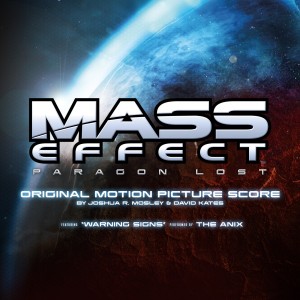
David Kates & Joshua Mosley are the composers of Production I.G.’s “Mass Effect: Paragon Lost”, which is an animated prequel to BioWare’s “Mass Effect 3”.  The film is being released on Blu-ray/DVD on  December 28, 2012 and packs a hell of an epic score.  Media Mikes had a chance to chat with David and Joshua about working together on this project and with the “Mass Effect” franchise.

Mike Gencarelli: Tell us about how you two ended up collaborating on “Mass Effect: Paragon Lost”?
Joshua Mosley: Really great to talk with you. Shortly after I was hired on to the film I discovered the music of David Kates – particularly his work on the Mass Effect games. I really dug the way he put together his cues. I reached out and connected through social media. I felt he would be a great collaborator on this film. Soon after we met in person, I invited him to join me on this creative adventure. It was a totally awesome and fun experience working with David.
David Kates: Thanks for including us. We love what you guys are doing, and thrilled to be a part of it. Joshua, I recall, reached out to me through social networking, and mentioned that he had listened to some of my music so I reciprocated and checked out was he was doing, and was really moved by what he was creating. And I say moved, because it’s one thing to be impressed, and another altogether, to be moved. I felt that Joshua’s writing was coming from a very honest place, and I knew I wanted to get to know him. When the opportunity to collaborate on Mass Effect: Paragon Lost came about, I was initially very surprised because at the time, no one knew an animated version of the franchise was in the works. I was thrilled to be included, and fascinated by the potential creativity in bringing what I had composed on the games to the screen with Joshua.

MG: David, How does composing a “Mass Effect” animated movie differ from the video game series?
DK: The mission in composing for the game, particularly Mass Effect 2, was to give each level of the game its own musical identity while keeping the overall quality consistent, but the process is tedious and limiting. One of my favorite levels that I worked on was Garrus because I found him to be a character tormented by his own internal challenges. He wasn’t human, yet he identified with human qualities like compassion, justice, and loyalty. I wanted to bring out his discomfort in this while also accentuating this underlying, almost chemical level need to participate in battle. To achieve this, I had to create short loops that had different layers of content, and those layers would be trigger-based on what the player achieves while playing. It’s very challenging and difficult to really dig into a character’s development this way. In the movie, though, the story is laid out and develops chronologically, and there are so many opportunities to compose themes that you can use to comment on what you see on the screen. In fact, the dramatization of Mass Effect: Paragon Lost is one of the aspects of my collaboration with Joshua that I’m most proud of. I feel we gave the story real dimension, and brought out the real emotion that was written in the script.

MG: Since this is a prequel to the third game, does that pose any issue when approaching the sound?
JM: Sure it does. We definitely wanted to capture the essence of the musical landscape of the Mass Effect games, including elements from all three titles. That sound also had to translate to a big cinematic experience. I think it fits well alongside the games.
DK: We both studied and analyzed the scores from the games to make sure not to leave any identifiable elements out, and we knew we wanted this score to have a cinematic and expansive feel that brings the games to the big screen.

MG: What you were most concerned about when handling the “Mass Effect” universe for the fans?
JM: We definitely wanted the score to fit into the sonic experience of the Mass Effect games and give the fans that same emotional feeling that they got when they played them.
DK: We certainly wanted the score to feel as though it naturally lives alongside the other productions, and were initially concerned how our musical approach would live well with the anime style of animation. Fortunately, the two elements blended successfully and we didn’t have to go back and alter our sound palette.

MG: The film has a very epic sci-fi score behind it, tell us about the inspiration?
JM: Yes, this is a very epic score but at the center of it all is the humanity and the spiritual and emotional journey that Vega embarks on through the film. There are definitely big sci-fi action cues throughout but there is also a very intimate emotional underscore that gives it the depth it needed to support and propel that story.
DK: I would say our inspiration was the spiritual nature we discovered in the story. Joshua and I talked for many hours about what we wanted to achieve, and that included accentuating the underlying humanity of what was going on. James Vega goes through an experience that no one would ever expect to go through in their lives, yet, every one of us can imagine being confronted with making the kind of decisions that could mean the lives of so many, particularly the ones we know and love. We really dedicated ourselves to making sure that this would be the inspiration that motivated every note we wrote in this score.

MG: Tell us what each of you have planned next?
JM: I begin work on a new video game and film in January. I am also in talks on a few other projects of which I cannot disclose any information. Thanks again for having us!
DK: I’ve been fortunate to be participating in The Helfman Institute Composer in Residence program this past year, and I’ve been composing my first Operetta based on the biblical character Miriam. We’re rehearsing it now, and will be performing it in Los Angeles in late January.
Cheers to you and your readers!! Thanks so much and wishing everyone a merry holiday season.

Otep Shamaya talks about new album “Sounds Like Armageddon”

Otep Shamaya is the lead vocalist for the heavy metal band Otep. The group has just released a live CD titled “Sounds Like Armageddon” and has an album of new material set for release in the coming year. Media Mikes had a chance recently to ask Otep a few questions about the groups new live CD.

Adam Lawton: What made you decide to release a live album?
Otep Shamaya: I started this band to summon my soul into existence through the power of live performance. This album brings the raw, organic intensity of our live shows to a private performance inside the intimate universe of your mind.

AL: Was there any nervousness knowing that you would not only be performing but also recording?
OS: No, we prepare diligently for our live shows. People are always recording them in some fashion, smart phones, etc so we are accustomed to it in some way. But the truth is we give everything we have to every show, no matter where it is, how many people show up, or how we feel on that night. Every show counts. Play it like it’s your last.

AL: What made you start covering the Nirvana song “Breed” during your sets?
OS: Nirvana is one of my biggest influences. We were asked to cover a song on The Ascension, I chose BREED because I thought it was the one Nirvana song (at the time) that we could honor and do tribute to without veering too far from our sound or theirs.  It is now one of the staples of our live shows and fans go insane when they hear it.

AL: Can you tell us about your upcoming studio album?
OS: It’s a concept album based on a graphic novel I’ve been writing for two years. The book is about a girl corrupted by the world, corrugated by evil, ripped away from the golden, molten elixir of creativity, and abandoned on the placid, jagged rocks of a cruel and barbaric island where the rats poison themselves. This is a story of her personal revenge and righteousness. Her rise from the smoldering ash as a bruise that never heals transmuting, to the infinite, still-born messiah, a vigilante serial assassin, codename: HYDRA.

AL: Will there be plans to tour in support of the new album?
OS: Of course.

Christopher Tyng talks about scoring the TV series “Futurama”

Christopher Tyng is a composer that has worked on various television series including “Futurama”, “Suits” and “Rescue Me”. With Volume 7 of “Futurama” hits Blu-ray and DVD this month, he is releasing a brand new remix version of the “Futurama” theme on iTunes. Media Mikes had a chance to chat with Christopher about working on the show and his influences over the years.

Mike Gencarelli: How did you originally get involved composing for “Futurama”?
Christopher Tyng: It all started with Matt Groening when he was searching for the style of music for the show. He has heard some of the stuff that I had done prior. He called and asked for a meeting. He was getting a lot of demos from other musicians but I guess they liked what they heard on mine. The rest is history, as I have been with this show for the last 10 years. Matt is a great person to work with.

MG: What is some of your inspiration that you pull from for this show?
CT: The visual aesthetics of the show goes back to the 50’s/60’s idea of what the future will be like. So we really wanted the music to reflect the same thing. We were looking at the hey-day of bachelor pad space age music. That was the music version of what they thought the future would be. The synthesizers were just started to get popular. There was this whole new pallid of sounds. People were also trying to stretch the boundaries of what music was then. We looked at what was happening with music at that time, so some of the influences were Les Baxter and Martin Denny. Of course then the show also takes place in the year 3000, so even though it has that visual aesthetic of that 50’s/60’s era, it takes place way in the future. We wanted to take those influences and modernize them a bit. Matt has always been a bit component of having a orchestra and doing it live. I was able to go back and do some remixing with electronica music, so we brought in that element as well. It is really a nice hodge-podge of elements in our influence.

MG: How do you do to differentiate the score season to season?
CT: That is a really good question! What is really great about “Futurama” – and different from any other show that I have worked on – is that in each episode, the story is set in the future where anything in possible. The show gets its story lines from pop culture reference over the years. Every episode is like a different journey. That has actually made the music different from episode to episode. We have this big orchestral sound with this bachelor pad space-age sound. They go back to ancient Egypt and the music takes on that tone. What is really fun for me is that when I go in to record, I really don’t know what I am writing for the next week. Due to that aspect, my job has never gotten stale since it is always changing.

MG: Tell us about the new extended remix for the “Futurama” theme available on iTunes?
CT: We wanted something that was going to play at a longer length for the iTunes release. We are excited that all the fans of “Futurama” are finally going to be able to own this piece of music in their collection. The TV scenes always tend to be a little shorter and don’t play the full single track. Some parts of the remix actually go back to the original premiere of the show at Griffith Observatory, which is this circular dome at the top of Hollywood. They had a DJ there and I decided to come up with some music for the DJ to spin. So there is actually some stuff on this single that I did way back then that was never able to been released. We were able to take all those elements and made it into a really great single length release.

MG: How composing for a cartoon compare to your other TV work?
CT: For shows like “The Simpsons” and “Futurama”, it isn’t the traditional cartoon music like the old-school Warner Bros. In the show there might be an epic space battle with deep comedic irony involved. But the music will always stay like it is an epic space battle. I thought originally that getting involved with a cartoon would be a totally different mindset. In truth though, the shows aims to play the aspects of the music like they are completely legitimate. If they are doing an emotionally intense moment, then the orchestra swells in a “Braveheart” sort of way. We are treating the show like we are scoring an epic movie even though the characters are doing something so ridiculous. That is what makes “Futurama” such an interesting project to work on due to the fact that it has such a wide set of influences.

Don Felder talks about working with The Eagles and his new solo album

Don Felder is probably best known for his lead guitar work with The Eagles. Felder was inducted with the group into the Rock and Roll Hall of Fame in 1998 however left the group shortly their after. He has recently released a new solo album titled “Road to Forever” which is his first solo release in 30 years. Media Mikes had the pleasure of talking with Don recently about the album, his autobiography and his plans for 2013.

Adam Lawton: With your last solo album being released 30 years ago what prompted you to now release an album of new material?
Don Felder: When you are in The Eagles you eat, breath and sleep Eagles business. You are either on the road, writing songs, doing interviews or performing. It is something that is all consuming and a monster of a machine. When I left the band in 2001 I really went through a period of self reflection. I started meditating between 30 and 40 minutes a day where I would look back at my life. I was trying to get a handle on what had happened to me and how I had changed. I would come out of these sessions and write down my recollections. My fiancé had read them and told me she thought it would make a great book. I told her that I was the world’s worst English student in high school and I actually had to go to summer school because I failed English. The next thing I know I am on a plane to New York with a literary agent. We ended up coming back with 5 offers from publishing companies to publish this book. I then had to look at the daunting task of having to take all these recollections  of my life story and write it in to a book. That took some time. During that first year of separation from the Eagles I also was separating/divorcing from my wife. Everything that I knew was stripped away from me. I had to find a place where I could resolve all of that. As I was going through the book writing process there would be painful parts that I needed to work through. To help myself through those tuff times I would go in to my home studio and write a song about it. I wrote 26 song ideas at about the same time I was writing my book. This was an effort to emotionally and intellectually flush myself of these feelings. I didn’t want to carry this excess baggage with me through the remaining years of my life. After the book was published I went out on the road to promote it as well as doing shows with my solo band which I have had for about the last 8 and a half years. In between all of that I worked on this album. I took the best 16 songs from the original 26 and recorded them for this CD. At that point I really shifted myself away from book writing and promotion. There were a lot of reasons that caused this album to take so long. I definitely wasn’t at home just twiddling my thumbs. (Laughs) I had a really full plate on all levels.

AL: Did you find any similarities between writing a book and writing music?
DF: Absolutely! It was a dual cathartic experience. On one hand I was writing the text of my life while on the other I was writing the music to my life. I turned those stories and experiences in to songs. To me real art weather its film, literature, painting or music contains stuff that have a human common denominator. People can experience those things and relate to them. I felt it was important for me to take my experiences and put them in these songs.  For me that is one of the most personal things an artist can do is to expose themselves in these ways. I felt the process to be very personal on both levels.

AL: The album features an impressive lineup of guest appearances. How did you go about picking people to appear on the album?
DF: One of my top criteria was having people that I know and who are good people and friends that wanted to have fun. When I finished the song “Fall From the Grace of Love” I wanted it to have these really great harmonies in the chorus. I called my friend Steven Stills who I was in a band with when I was 15. He actually lives down the road from me and we hang out and play golf together. When I got to California the first band I was in was Crosby, Nash. I called those guys up and asked them if they would sing on the record. They came over immediately and we had a really great time. There was no drama like I was so used to with my old band. Steve Lukather is probably one of the funniest guys to be in a room with. Not only is he a great guitar player but he is a ton of laughs. He played on the song “Road to Forever”. Tommy Shaw of Styx came in and helped with a couple tracks. Randy Jackson also came in and did some bass work on a song. Everyone knows him as the “Dawg dude” on “American Idol” but, he is a monster bass player! Randy is probably one of the top players in the Los Angeles area. He just destroyed this thing. They are all just friends of mine who happened to be in or around town. We had a lot of fun and made some great music. Those sessions really wiped away the old stigma of being in the studio and having arguments and contentious feelings. There was none of that and everything was just all good. In fact I had such a good time that I will promise the next album will not take another 30 years. (Laughs)

AL: How did your song “Fall From the Grace of Love” end up being chosen to appear in an episode of Showtime’s “Homeland”?
DF: I love the show and was just as shocked as everyone else when I heard they wanted to use one of my songs. I watch that show religiously as I think it is one of the most exciting shows on television right now. I got a call a few weeks back by the people who handle my publishing company that they had received a request from the people at “Homeland” to use the song. I said absolutely and felt quite honored.

AL: Can you tell us about your tour plans for the rest of this year and in to 2013?
DF: I think my last date for 2012 is December 15th. We have had such a great response to not only the new record but also the live shows that I plan on working from early February through fall of 2013. I will probably stay out on the road until it gets too cold to be slopping around out there. I could certainly use a vacation right now. It seems the closest I get to a vacation these days is doing interviews with people like yourself.

AL: What do you think has been the biggest change in your audiences over the years?
DF: Personally I am not a fan of going to really large venues like football stadiums or hockey arenas to hear music. I think that is the wrong place to go. The sound is usually bad and most instances you are so far away from the stage that you get a better show watching the video monitor than you do from your seat. It is just not comfortable. I prefer to play the 3-5,000 seat arenas. In the summer I do like playing larger venues like State Fairs and such with bands like Reo Speedwagon and the Doobie Brothers. Those big festivals that happen during the day are really great and people love that. I think the smaller venues are much more comfortable and intimate. It also is better sounding for the artist and listener at a smaller venue. We are also able to make the ticket prices much more affordable than that of say the Eagles. About 60 percent of my shows consist of Eagles songs while the rest is covers and solo material. It’s a great evening where by the end everyone is up on their feet dancing and having a great time. There is no drama as it’s just a great group of guys playing great music and having fun.

AL: Is there anything else we can be watching for from you in the coming year?
DF: There are a lot of things in the planning stages for 2013. Those things will start to show up on the website once they become public. Right now there are a couple tours being planned. One includes going to Japan, Europe and Australia. That is going to be contingent on the routing of where we will be and when during next year. I can’t really say exactly what will happen until those are contracted. I love to be out playing music and have a very child like enthusiasm for it. When you are doing something you love to do it is a playful experience. I have been fortunate enough and been given the gift to be able to do what I love. I enjoy it for that.

Flyleaf’s Pat Seals talks about new album “New Horizons”

Pat Seals is the bassist for the rock band Flyleaf. The group has a new album out titled “New Horizons” and Media Mikes had the chance to talk with Pat recently about the album and the group’s tour plans.

Adam Lawton: Can you tell us about the recent change in singers? and what it will be like performing the new album with a different singer than it was recorded with?
Pat Seals: Kristen May has taken over the singing duties for Lacey Sturm who recently stepped down. Kristen played in the band Vedera prior to joining us and she has a really powerful voice. As far as performing the new material with Kristen it hasn’t been too different. There have been a few little things that are different but nothing major.

AL: What can you tell us about the band’s new album “New Horizons”?
PS: We had the great pleasure to work with producer Howard Benson again. This is I think our 3rd album with him and it is probably are best one yet. It has a really polished sound which I think fans will be in to.

AL: Can you tell us about the first single “New Horizon” and will there be a video to accompany it?
PS: That song is pretty heavy and has a great vibe to it. I think fans right off the bat are going to really like it and connect to it. The video for the song was just released and is a performance video that showcases the band. I think it turned out pretty cool.

AL: What type of approach does the band take to writing?
PS: Generally we set aside time when we are not on the road to work on songs. I know there are some bands that huddle in to the back of the bus to work but that’s not usually how we do things. We did quite a bit of pre-production on this latest album.

AL: What are the bands tour plans for this album?
PS: We are rehearsing as we speak. The band is really looking forward to getting out there and playing shows for our fans. We are currently looking at several different tour packages but nothing has been confirmed so I can’t really say anything more than that just yet.

SpiralArms’ Tim Narducci talks about new album “Freedom”

Tim Narducci is the vocalist/guitarist for the Bay Area band SpiralArms. The five piece melodic rock band is set to release its second album titled “Freedom” in the coming months and Media Mikes had a chance to talk with Tim about the new album as well as the formation of the band and its future plans.

Adam Lawton: Can you give us some background in on the band?
Tim Narducci: The band was formed in 2004. It was sort of a conglomeration of two Bay Area bands. I was in a band called Systematic which did a few albums under the Elektra umbrella. Craig our lead guitarist was in a band called Man Made God which was on American Records. We had known each other for a long time and basically both of our bands dissolved around 2003 and we decided to put together SpiralArms.

AL: How would you describe the band’s sound?
TN: We have kind of evolved in to more of a heavy rock sound similar to Black Sabbath and Led Zeppelin. Our sound is a little bit more bluesy and straight ahead. We put our own stamp on that style but that’s definitely where our sound stems from.

AL: Can you give us an update on the band’s new album?
TN: We have a new record ready to go. We are thinking February for the release. We are shopping the album around to a few labels and trying to find the best one for the record. The name of the record is “Freedom” and we are itching to get it out. We self released our last album in 2010 and did some touring off of that but we are really excited for this new record.

AL: How does “Freedom” compare to your previous release?
TN: I think it is more focused. I think we really found our sound on this record. It’s much more dirty and darker. I think the guitar sounds are cooler and it’s definitely a better record.

AL: Can you tell us about the video for “Dropping Like Flies”?
TN: It’s pretty much a performance video. This is basically our first official video. We have had some things put out in the past that were ok but this time we hired someone to film/shoot it. It’s pretty raw. The video gives you a good idea about who we are.

AL: Can you tell us about the bands current tour?
TN: We are doing the “Revivalution Tour”. The bill features Zed, SpiralArms and Swerver.  We all did a show together at the beginning of the year and we felt that the energy between everyone was great. The Bay Area has been kind of over flooded with thrash metal and these 3 bands I think are doing something kind of different. We felt we wanted to take what we were doing out on the road and share it with different cities. We feel like we are an underground thing that is ready to happen. Hopefully we will shift the music scene a little bit in to what we are doing. Right now for this run of the tour we are doing mostly West coast dates. We are talking about doing some touring during the New Year that will take us a little bit further and hopefully to the East coast.

AL: What other things are you looking to do with the band in the coming months?
TN: We want to get over to Europe. We played there in 2007 and we want to go back and do some shows with bands like Spiritual Beggars and other bands in that genre. That is kind of our goal but things will start to unfold as soon as the record drops. We want to go worldwide with our sound.

Paul Kanter talks music within his bands Jefferson Airplane and Jefferson Starship

Paul Kanter is one of the founding members of bands Jefferson Airplane and Jefferson Starship. Currently he is touring with Jefferson Starship and shows no signs of slowing down.  The band recently released a new live album titled “Tales from the Mothership” through Gonzo Multimedia. Paul took out some time to chat with Media Mikes about his love for music and touring.

Mike Gencarelli: How do you feel music has changed since you first started?
Paul Kantner: It will always be in the province of the young. For some unexplained reason we have refused to go away. Could be that I don’t have anything better to do. (Laughs) When you go to work and play that’s sort of the idea of my upbringing.

MG: How do you think that psychedelic rock is still relevant in today’s music scene?
PK: The concept of what is called psychedelic music came from a whole bunch of bands that were differentfrom each other particularly here in San Francisco. I think that has been fostered in the current music scene in that you don’t have to play one kind of music in order to besuccessful. It allows room and broadness for any number of people to make music. Psychedelic is very general concept to me because all of the bands were so radically different from one another. I just think that is really the main part of the adventure that holds over to today.

MG: Is there one concert or event that stands out as a favorite?
PK: With all those events that went on each one is like your child. People don’t ask who your favorite child is so I think that’s the similarity with that question/answer. We are still continuing to have a great time every time we go on stage. The architecture of music is so radically joined with the human mind that I am still in awe of it. I am swept away every time I play.

MG: What do you enjoy most about still playing?
PK:
Having the adventure go on is always unique. We are playing quite good these days and the band is really great.

MG: Can you reflect Jefferson Airplane’s break-through album “Surrealistic Pillow”?
PK: That album did quite well and sort of took off from the first album. We would just get crazier and crazier each album.  Every album was radically different and we are not locked in to sounding a certain way. The record companies still don’t know what to do with us to this day. (Laughs)

MG: Is there a song in the live set that really gets you going each night?
PK: Just about all of them do that! We have been experimenting live lately with “Blows Against the Empire”. We also have been working on combining the music from the “Blade Runner” film with my science fiction album. The show will be kind of a combination of both of those. I am looking forward to experimenting more with that when we get back from touring Europe. The first time we tried something like this was at a Sci-Fi convention in Roswell, NM.

MG: What was the idea behind the your recent release “Tales from the Mothership”?
PK: My love for science fiction was a big part. I can remember falling in love with the genre as early as second grade when I was in military boarding school.

MG: Do you have any future plans to do more with “The Windowpane Collective”?
PK: I am working on one that may turn out to be an album. It has to do with civil war songs. I am really fond of the writing of Stephen Foster. I am looking at those as we speak. We are also putting together another focus album in the mode of “Tree of Liberty”.

3 Doors Down’s Brad Arnold talks about new “Greatest Hits” album

Brad Arnold is the lead singer of the multi-platinum selling rock group 3 Doors Down. The group is set to release a greatest hits album in November and will also be hitting the road in support of that album. Media Mikes had the chance to talk with Brad about the album and the bands new line up.

Adam Lawton: Can you tell us about the greatest hits album and the 3 new songs which will be featured on it?
Brad Arnold: This album is really a look back through our first 10 or 12 years of being a band. We took the biggest songs from each album and combined them on to one. The songs feature a little bit different take as we used some of the new technology that is available and did some modernizing. The songs still all sound the same only more modern. As far as the 3 new songs being on a greatest hits record we felt we needed to put some songs on there we thought could be greatest hits of their own. I am proud of these new songs and they stand up. All 3 of them have a really good mix.

AL: How was it working with on new material with the bands new line up?
BA: We still kind of wrote everything the same way. We actually co-wrote two of the new songs with Marty Frederickson and the other song was one that didn’t make it on to our last record. It was great having Chet Roberts in the studio as he is a great musician and very creative. Chet is a real good dude.

AL: What are the bands current thoughts towards a new full length album?
BA: We really want to get on that pretty quick. I think we have left a little too much space between our records. That is something that is easy to do because you spend so much time writing and recording the songs then you spend more time on the road promoting and touring. Before you know it 2 years have gone by. We don’t want to do that this time. While we are out on tour with Daughtry we are going to be focusing on writing new material.

AL: Is writing on the road something the band does often?
BA: In the past we have set specific time aside to write when we are not on the road. We also are the guys who will often procrastinate. (Laughs) We really don’t want to do that anymore as we want to have some new material to play.

AL: How did the band get involved with playing the Republican National Convention?
BA: It was really cool to be invited down to play that. Our management had been approached to see if we had any interest in doing it and we said sure. We are not a political band but we felt it was a good place to debut the song “One Light”. The song is not a political but it’s about taking the world and making it a better place. I think if everyone did that we would live in a pretty good world.

AL: Can you tell us about the upcoming tour?
BA: This is going to be a great tour. We are heading out for 19 shows initially. There have been recent talks to take it to Mexico. It’s crazy as the tour hasn’t even started yet and we are already talking about extending it. We are also looking at taking the show over to Europe as well. I think people will really enjoy the show. Chris Daughtry is a good friend of mine and we know the P.O.D. guys pretty well also so I think this tour is going to be greater than its parts. We are bringing a show that families can come to and not worry about hearing the F bomb all the time. I like looking out and seeing parents and kids jamming along to the music together. That makes you feel really good.

AL: What other projects to you have going on in the coming months?
BA: We have The Better Life Foundation event kicking off the tour on November 17th in Mississippi. Along with that we do a big motorcycle ride which will have around 500 or more riders participating. That’s going to be a good positive note to start the tour off on. Again we will be out on the road doing shows and writing new material.


Related Content

Orgy’s Jay Gordon talks about new single “Grime of the Century”

Jay Gordon is the lead singer of the band Orgy. The group recently released a new single titled “Grime of the Century” and is set to embark on a western U.S. tour.  Media Mikes had the chance to talk with Jay recently about the band and its new release.

Adam Lawton: Can you give us some background on the bands new single “Grime of the Century”?
Jay Gordon: I chose this song because it was the one the band pulled together the quickest. Everything for the song just came right together. There is so much going on in our other songs that we felt this one was the simplest of the group. Releasing this song seemed like less of a gamble. I wanted to mainly get people familiar with the bands new line up through this song.

AL: Are there any plans to shoot a video for the song?
JG: Yes! We actually just finished it. I don’t know when it will exactly be released but it will be coming out soon. The video is going to be very interesting and cool. I think it is different for an Orgy video.

AL: Are there plans for a full-length release? and how does working on an album now compare to when the band first hit it big?
JG: Yes, a full length album is in the works. There is a lot less money now to make records with than when we started. Bands aren’t getting record deals like they did back in the 90’s however the process in which we work is the still the same.

AL: Are you doing any production on the new Orgy material? And has being involved with producing changed your approach to songwriting in any way?
JG: We are all capable of doing that type of work. Everyone in the band has their hands in the production aspect of things. As far as writing goes these days I think I am much faster at it now. I am however very picky. I don’t like to just jump on the first thing that comes to mind. I may be at first but when I take a second to slow down and look at everything sometimes my opinion changes.

AL: How do you go about balancing your work as a producer and as a singer?
JG: You just have to find/make time to do both. I wish there was a more glamorous answer but that’s the most direct. I wear a lot of hats.

AL: Can you tell us about the bands current lineup?
JG: I have known this group of guys for a long time. Carlton Bost and Ashburn Miller come from the band Deadsy. Jamie Miller came from the band Snot. Those guys are all really talented and were people I had wanted to play with for a long time. Nic Speck was a guy I met along the way and just ended up asking him to come down one day and he did.


AL: Can you tell us about the bands upcoming tour?
JG: We will be doing a quick tour of the west side of the United States during the fall and possibly after the New Year we will be heading over to Europe for some shows there as well. We are thinking about a lot of different things and are open to suggestion. I just want to get out there and do it again.

AL: Besides your work with Orgy what other projects are you working on right now?
JG: I am currently working on some songs for the band Escape the Fate. I did some really cool dub step tracks and programming for a few of there songs. I also am producing a song with the band and another guy named Future.

Copyright: MediaMikes.com © 2012 · Powered by: nGeneYes, Inc. · Login

All logos and images used on this website are registered trademarks of their respective companies. All Rights Reserved. Some of the content presented on our sites has been provided by contributors, other unofficial websites or online news sources, and is the sole responsibility of the source from which it was obtained. MediaMikes.com is not liable for inaccuracies, errors, or omissions found herein. For removal of copyrighted images, trademarks, or other issues, Contact Us.