Alexander Newton talks about film “Justice/Vengeance”

Alexander Newton stars in the upcoming independent film “Justice/Vengeance”. Media Mikes had a chance to speak with Alexander recently about the film and what it’s like working with his father, Joshua Newton.

Adam Lawton: What can you tell us about the film “Justice/Vengeance”?
Alexander Newton: The film is a revenge/thriller set in two different time periods. One of those periods is today and the other is in the 1940’s. My scenes are during the flashback portions of the film as I play the younger version of the lead character. I think the film is quite important as it speaks out against racism. It is sort of a morally questioning movie. It’s one of those what if? stories. When my dad wrote the story he asked himself what if his dad found the man that killed his family during the holocaust and what would he do. There is a lighter side of the story as it has some romance set in the 1940’s. The movie definitely will appeal to a wide variety of people.

AL: Can you tell us a little more about your character?
AN: My character escapes the execution of his village and becomes sort of a freedom fighter. He spends the rest of his time in Europe fighting the Nazi’s. He eventually moves to New York where he becomes a police officer. This is where you see the older version of my character Joseph played by Roy Scheider.

AL: What was it that drew you to this role?
AN: It’s such a powerful story. It is heartbreaking as well. I felt like this was a role that was really important to do. It was great working with my dad on the film as well. I really trust him and I think he did a great job directing the movie.

AL: Do you ever find it difficult working with a family member?
AN: I don’t really think so. I find it very rewarding. We are both very comfortable with each other. I don’t think we are ever afraid to say anything to each other. (Laughs) It’s fun and we work very easily together. We haven’t ever had any problems on set. We get along really well. He is a cool Dad.

AL: Can you tell us about your song that is featured in the film?
AN: The song is called “Lost in Forever”. It is played over the end credits of the film. We also did a music video for the song. The song has not been released yet as we are still waiting for the right time to release it. Everything is all ready to go we just have to find the right time to put it out there.

AL: Did you write this song specifically for the film or was it written beforehand?
AN: We set out to make a song for the film. This song is separate from the others that I am doing as it is about the story in the film.

AL: Can you tell us about some of your other music?
AN: I dabble. (Laughs) I am working hard at the moment on a couple interesting projects. Separate from when I am acting and auditioning several times a week I am making music. I am writing with other artists and producing other artists. I also am writing for my own material as well. I am pretty busy and it’s all been cool. You will definitely be hearing my stuff this year.

AL: Do you find one of the arts to be more difficult than the other?
AN: Not really. Like anything that you put enough work into it’s worth it. I love both of them so I don’t really see either as difficult. I just see them as things I do.

AL: Do you have any other projects going on?
AN: I have a small load of projects that I am working on. I have a movie that we are going to make this year that is a comedy. That will actually be the second film I am doing with my Dad. I also will be doing a film in Texas that will be a lot of fun.

Nick Nicholson talks about debut album “Stronger Than Whiskey”

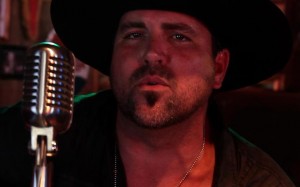
Nick Nicholson is a country singer, who recently released his debut album “Stronger Than Whiskey”. He also appeared in the documentary “Off the Boulevard” directed by Jeff Santo. Media Mikes had a chance to chat with Nick about his album and what his love for music.

Mike Gencarelli: Tell us about the release of your debut album “Stronger Than Whiskey”
Nick Nicholson: We put that song out a year before the release of the entitled Cd and it did well on the Music Row Charts hitting 103 Nationwide for around 16 weeks total. I believe it could of done a lot better if it were promoted properly but again…..Indie pockets aren’t deep and you wanna believe in your promotions team but in the end it fell into yet another statistic of this business……MONEY…. Aint that a bitch.

MG: Now that “Stronger Than Whiskey” is released, what is the next step for you?
NN: Right now I am just kicking back collecting my thoughts [laughs]! I really can’t answer that one.

MG: What do you enjoy most about getting up on stage and performing?
NN: Having people believe what I’m saying.

MG: If you can perform like with any musician on stage, who would it be and why?
NN: It used to be Elvis Presley but he has faded out of this generation’s eye. Since I have performed with a lot of people already including singing Whiskey Girl with Toby Keith himself. (Wow) I would enjoy doing a song or two with Keith Urban. Mainly because I re-recorded Freedom’s Finally Mine on my 1st CD in Nashville around 2005. I really dig his alternative bluesy take on Country Music. He isn’t standard and neither am I [laughs]!

MG: What do you have to say to other struggling independent artists?
NN: Try not to fall into the standard money traps in this business. Go straight for the “gate keeper” not for the middle man. Ass kissing is part of it. Believe none of what you hear and only ½ of what you actually see. Stay true to who you are, don’t fall short and sell your soul, because one day when or if you succeed you will have done it your way. If you don’t get what your after well…you still did it your way. Most importantly, just Have fun because a recording contract isn’t everything.

MG: Tell us how you got involved with documentary “Off the Boulevard”?
NN: I met Jeff Santo about 5 or 6 years ago while he was in post production of “Jakes Corner” and promoted the movie at my shows because we hit it off from the start. He contacted me a year or so later and said he was filming a documentary on Indie artist ofall genres and wanted to include my struggles as an indie musician in the movie. So he started shooting my footage two years prior to the release. We really got to be great friends throughout the filming process. He hit the road with me and the band gathering footage and interacting with the process of dragging your ass from town to town selling units outta the back of your car.

MG: What do you have planned for the rest of 2012?
NN: Acoustic shows promoting Stronger than Whiskey “Grass Roots” style. Keeping the overhead low as well as the stress. Being happy and falling in love with music all over again with the bullshit buffer on 11! I have been cast as 8 ball in an awesome film called “Dead In 5 Heartbeats” (due out later this year) from the book written by Sonny Barger. Not a real big role in this movie but hey maybe I’m on to something with this acting stuff. It will also feature my song “Can’t Get Here From There” (Co-written with CJ Watson and David Norris) on the soundtrack to the film. So keep an eye out for this release from Santo Films!

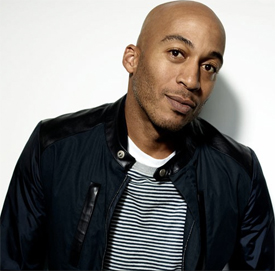
LMFAO’s DJ DainjaZone talks about touring and DJing in Las Vegas

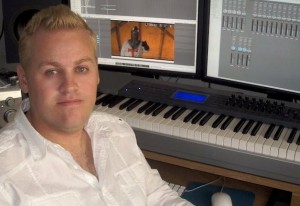
DJ DainjaZone is a member of LMFAO’s Party Rock crew. He has recently taken up residency at Las Vegas’ LAVO and will also be filling in for DJ Air on LMFAO’s current tour. Media Mike had the chance to talk with DainjaZone about his newest gig and what got him started DJing.

Adam Lawton: What got you into djing?
DJ DainjaZone: It was something that I had just a small interest in. The plan was to be a major league pitcher and have a DJ set up in my mansion of a living room. That fell short. Before that fell short I started DJing in New Mexico while I was there playing baseball for New Mexico State University. We had a big Halloween party coming up so I said I would DJ. I went out and bought a CD mixer so I could control the music. I was into the old school hip-hop and not what was poppy or hot at the time. I just wanted to play the older stuff at first. I eventually evolved in playing what is hot today.

AL: Would you say the basis of your style is mostly old school?
DJ DainjaZone: I am all about adapting to what is going on. I like to grow and be ahead of the curve. I would say my style is definitely new but it has a lot of old elements to it. Sometimes it just comes down to song selection. For the most part it is new. I edit all of the tracks that I use. I have personal edits of just about everything I use. That way what I am presenting to the crowd is unique and it won’t be heard anywhere else. We all have access to the same tracks so I create my own edits. I have my own a capella ins and outs. I just like to make it sound different than what is going on. This creates for a unique beat.

AL: What generally sparks you interest when creating a track?
DJ DainjaZone: Inspiration comes at any place and time. I can be in a club listening to a DJ and they will play one song and something will pop in my head about that song. There style will have nothing to do with that but when inspiration hits me and I think I can take a song and do certain things with it and that’s what I will do. I can take a song people are familiar with and intro it three different ways. These will be something you have never heard before. A lot of time inspiration comes from the club. I go to clubs and study DJ’s and the crowd. When I am there it’s always business.

AL: How did you initial get involved with the Party Rock Crew?
DJ DainjaZone: I have a couple friends who were close with LMFAO’s manager. Through those people I eventually met him at a music conference. He hadn’t heard me yet but had heard about me. I guess he was feeling me because he asked that when we got back to Los Angeles that we have a meeting. We met and he still hadn’t heard me. We started talking about politics in the game and seeing where my head was at and what my ambitions were. After seeing and hearing those he wanted to take me on and be my manager. This was the summer before “Party Rock Anthem” so there was a lot evolving with Party Rock. There name was starting to grow and they were touring around America. At the time they wanted to create a Party Rock brand of DJ’s. A lot more has been added to the show and to the crew.

AL: Can you tell us about your current gig in Las Vegas?
DJ DainjaZone: It’s called “La Freak Friday’s”. La freak is actually the alter-ego of the Party Rock clothing line. If you have seen “Champagne Showers” that is what La Freak is. It is mysterious, sexy and vampire like. There is a lot of dark involved. People will associate this with Party Rock. I did the show for the first time a couple weeks ago and it went exceptionally well. They want me to rotate there two times a month but LMFAO’s DJ Air recently broke his ankle in Moscow so I am going to be filling in for him over the next 3 months. I am going to be doing the main stage and after parties with them.

AL: Do you have any other projects we can be watching for?
DJ DainjaZone: I have had to cancel a lot of dates in America because of filling in on the LMFAO tour. A lot of this stuff is taking it month my month. It depends on how Air feels. I have nothing big planned after August. My number one priority right now is LMFAO. Where ever we go that’s my priority. I am going to be trying to take more control of my own bookings. When we have open dates I will be trying to get myself some shows and fill in those days. I still have my own brand to push and I want to keep my name relevant in the DJ and club scene. I don’t want to be just be known as that Party Rock DJ. I want to have other options. I will also be starting work on a new mix tape sometime in June. That will hopefully take me back to Australia in September.

“Shit My Dad Says” author Justin Halpern talks new book “I Suck at Girls”

Justin Halpern is the man behind the Twitter feed @ShitMyDadSays.  This Twitter feed was not only turned into a very successful book but also a television series starring William Shatner.  “I Suck at Girls” is the second book from Justin Halpern.  Media Mikes had a chance to chat with Justin about this new book and of course what are his father’s thoughts about it.

Mike Gencarelli: What was the biggest pressure with the follow up to “Shit My Dad Says”?
Justin Halpern: I just wanted to write a book that was as entertaining as the first and that people liked just as much. There is a lot of pressure in that since you want the people who liked the first book to like the latest one as well. I wanted to write something that was self organic and that people would like.

MG: What did you enjoy most about the writing process of “I Suck at Girls”?
JH: I think being able to stretch out a little bit more. The first book I wanted to be very brief similar to the Twitter feed. I didn’t want people to have to read 500 pages. I felt I could spend a little more time developing the stories with the second book.

MG: Tell us about your inspiration behind this book?
JH: Before I proposed to my wife I had told my dad about what I was going to do and he told me to take a day and think about what I was doing and, to also think about my past relationships. When I was doing that I realized I had some funny stories that I think everyone probably goes through. I thought it would make a good book.

MG: What are your father’s thoughts on the new book?
JH: He really likes it. He originally told me he hated it. (Laughs) He said that this second book needed to be better than the first or else people were going to shit all over it. I told him people will have a tough time shitting on this book.

MG: What are your thoughts on the television rights to “I Suck at Girls” being sold already?
JH: I just need to be more careful this time. Things with this are still quite a long ways off. I am excited even though the first one didn’t work out so well. Hopefully with this one we can do things right.

MG: What do you think caused the “$#*! My Dad Says” to not last on television?
JH: CBS has some of the highest rated shows and I don’t think the show was doing all that well. You have to be a big hit to stay on the air there.

MG: Have you thought about writing a direct follow up to “Shit My Dad Says”?
JH: The current book has a lot of my dad in it so I consider it the follow up to the first book. This new book just has a lot more in it.

MG:So on a side note, I’ve always wondered why do you only follow LeVare Burton on Twitter?
JH: When I first signed up for Twitter they gave you 20 default people to follow. I was un-following all of them until I got to LeVare. I thought it would be funny if I only followed him.

MG: Are you a big “Star Trek” fan?
JH: No not necessarily. I did use to like “Reading Rainbow” though. (Laughs)

MG: What other things do you have coming up?
JH: I am out promoting the book right now and that is about it. Things are going really well.


Related Content

Film Composer Evan Evans talks about new film “The Gauntlet”

Evan Evans is the composer of the upcoming films “The Gauntlet” and “Night at the Templar”.  Evan is the son of the late legendary jazz pianist Bill Evans.  Media Mikes had a chance to chat music with Evan and his process when scoring a film.

Mike Gencarelli: Tell us about your work composing the film “The Gauntlet”?
Evan Evans: First let me say how excited I was to become involved in this film. When I read about this movie on my hotsheet, it just jumped out at me, and I immediately developed a strong bond for the concept. Based on what I had read in the listing, I imagined a film filled with spaces for the thematic, the atmospheric, the intellectual, and the visceral, all rolled into one.

After a conference call with Director Matt Eskandari, Producer Jonathan Shih and Film Editor Ryan Cooper where I expressed my enthusiasm for the project, I put together a two minute demo track overnight, to submit under the pretext that I had of course not yet seen the film. However, I felt I understood the tenets of the story deeply enough that I could show them, in music, that I was thinking in the right vein. My biggest heros in this art are Bernard Herrmann (“Psycho”, “Taxi Driver”, “Citizen Kane”, “Vertigo”) and Jerry Goldsmith (“The Omen”, “Poltergeist”, “Basic Instinct”, ”Papillon”), both of whom were pioneers in understanding the psychology of film and communicating drama through music, and I’m doing my best to follow in their example, and try to be one of the more considerate film composers out there… so, I was anxious to hear back if they agreed I hit the bullseye, blind. Eskandari called later to mention that “no other composer came as close to your passion and sound”, and I was hired…and felt thrilled.

Once I recieved the film, it turned out to be better than I had imagined. There was a surprising new element threaded throughout the story that I did not originally anticipate, that of a Political Thriller, in the same vein as a film like “The Da Vinci Code”. Also there are several sequences lending themselves brilliantly to powerful score, and those moments are going to be very rewarding, as they offer the opportunity to really move people and get them excited about, and relating to, what they’re watching.

The Director and I spoke a lot about musical approaches. Something that came up was the possibility of using “screaming voices” recordings, recorded from a site in Russia where supposedly you can hear “hell” down a massive hole in the earth that goes straight down to an undisclosed depth. Indeed, there will be some choir in the score, but it remains to be seen if I’ll be able to use the “voices of hell” sounds, specifically. In the end, music score is meant to be felt and rarely heard, so the exact sound is less important than the practical use.

Academy Award winning sound designer, Bruce Stambler (“The Fugitive”, “The Fast and the Furious”, “The Mummy 3”, “xXx”), is working on the film and I don’t want to step on his toes, so I’m going to try and stay pretty traditional with the score and let organic sounds and sound design lay on top of music as it’s own supplemental layer. Because we’re working at the same time, I can only take my best guess based on my fifteen years and sixty films of experience, as to what frequency ranges he’ll be putting sounds in during each moment, and if I have music during those moments, I will try and write a “hole” in that area for his brilliant sound work.

There’s nothing I enjoy more than going to see one of my films, as an audience member, and letting go of everything, and sitting back and enjoying it like one of the guys. If I hear any ego coming from my score, I have failed myself. So I’m very careful to always make the decisions the movie-goer would want, not the music-lover. That said, I’m going to give my fans some very enjoyable music to listen to as an aside. I do my best to try and make each and every cue a work of art in and of itself, and as well, together as an entire score. Those are some of the major goals I must balance when creating score, in addition to highlighting plot points, character development, philosophical reflection, and audience enjoyment.

After going over the film more extensively, one thing Eskandari and I settled on, is that this is a film more about humanity, society, and compassion above all else, and that it should always be told through that point of view. We experimented with other approaches like you’d see in a film like “300”, or “Kick Ass”, but those films were eventually thought of as taking enjoyment and fun in violence, and that is not where we wanted the audience to be at all. We want the audience to be plunged into a world of dark corners and steamy corridors, where they’ll feel pushed beyond their will to do things they would find repulsive, horrific, traumatic, and will test their moral fibers. So coming across as fun, cool, or taking any delight in any of what we’re showing the audience, is not going to be part of the plan that makes this film speak the Director’s vision. In that sense, it’s not a genre horror film. It’s more of a thriller. However, that said, there is some serious blood shed in this film. But we are going to try to make it come from a philosophical perspective rather than have it play out like a blood filled romp.

As far as approach for the score, after exhausting many creative channels, we’ve decided on a more traditional approach. The reasoning being that the audience will already be most familiar with a traditional straight emotional sound, and we’ll instantly win over their trust for our guidance throughout the film. And that will be crucial in communicating ideas in a way that every member of the audience will understand equally in unity. Music score done masterfully can be the strongest force unifying the audience’s experience and all the thought-provoking and manipulating that must occur. I’ll get everyone thinking when they need to be thinking, paying attention to things together that they should be noticing, glossing over things that are not important, and getting excited and terrified at the same levels at the same moments. In my observations, the more those around you share in the exact same experience, the more it amplifies everyone’s experiences and it grows beyond the personal into a mass experience as it should…something I dub in the psychology of this art, “resonance”. There is a new frontier here, that I am attempting to carve out, describing the psychology of dramatic music. No one, I know of, is currently developing any new theories in this area of film scoring, and yet I feel it is the most important aspect of this art and craft. That is, to use music and sound to manipulate thought and feeling, as opposed to just stimulating thoughts or feelings, or for some degree of artistic statement. In The Gauntlet, I am going to be pushing my craft to it’s extremes and I hope it’s going to create a strong experience for everyone. This is one film that can really be at it’s best if it’s extreme.

There is a religious and supernatural element in the film. And for that I’m using Trumpets and Choir, and twisted metallic sounds. Those colors will help convey a sense of the ethereal, the dark, and something Biblical. For the political backdrop, I’ll be using a stirring section of orchestral strings trembling and percolating mysteriously. Each character has their own musical theme, what’s called Leitmotif in musical terms, but what I prefer to call a “primer“ to borrow a term from psychology and give it practical purpose. Occasionally character themes intertwine, and new derivative themes are born…connections between characters such as the bonds of friendship, trust, affection, attraction, and the dark clouds of dislike, fear, suspicion, jealousy, and hate.

Bai Ling (“The Crow”, “Sky Captain and the World of Tomorrow”) plays Kim, a sexy enigma discovered hiding, and in shock, covered in blood, inside one of The Gauntlet’s many rooms. Her interactions with the others run the gamut of those bonds and dark clouds I’ve mentioned. She is the biggest wildcard amidst the group.

There is a lot of deception and confusion inside The Gauntlet. Each person has a past that is going to catch up with them. No one knows where they are, or how they got there, or who to trust. And getting out alive is going to be a test of their life. Stay tuned to my Twitter for updates throughout the scoring process: @OriginalScoreBy

MG: How did you get involved with the film “Night of the Templar”?
EE: I also found that film on one of my hotsheets. I remember the first call to Director, Producer, Paul Sampson. We talked for a good while. He was very energetic and engaging. I felt he was very dedicated to his art and craft and those are the kinds of people I really like working with. He also mentioned the film was not ready yet. So, over the course of a few months I tried back a few times, until the film was finally ready, at which time I arranged for a meeting at my studio in Calabasas. When he walked in the door, I was surprised at how young he was, and I said “Wow, you look so young for your age” (read later why I made this mistake). His reaction was something akin to “Well, thank you?” It had to be one of the most awkward Composer-Director openers in history. But the man has a way of attracting the unusual. It wasn’t until we got talking that I realized I had confused him with another medieval film I was also tracking, directed by an older gentleman. There aren’t too many medieval films out there.

The thing that cemented the deal was, he had to go to New York City, and while he was gone, he left me with a copy of the film, and after watching it I was left with some opinions I wanted to share with him. I called him, but I got his voicemail. I left a message, saying I thought the film was great, but wouldn’t it be great if such and such happened in the film, and I proceeded to describe a scene that is actually now in the film but at that time was not in the film. Well, he called back later sounding like he called his long lost brother after seeing a ghost, and with every ounce of excitement in his body, he left me the following voicemail: “Evan, I can’t believe you said that. I shot it. I shot that scene. And we’re putting it back in. Call me.” So I think it impressed him that I understood the movie enough to know not only what it was, but also what it was missing, and that if I understood what was missing, which turned out to be a part of his original vision, than he felt I was more aligned with his vision than the film could even provide. And with that, I was hired, and I additionally became Associate Producer of Post Production, and we brought the film back to one of my powerful workstations at my studio, and we hooked up Final Cut Pro, and we proceeded to make a new roughcut of the film into approximately the way you see it now. Somewhere towards the end of the post production process, we finally plunked down and created the score.

So that’s how my involvement with Paul and that film played out. It became personal for me, very important, that we made the film the best it could be, because it’s destined to become an instant classic, a favorite, a potential cult film. I could settle for nothing less than the absolute highest standards. And we owed that much to David Carradine (b.1936 – d.2009), who sadly won’t ever be able to see his last film.

MG: What do you enjoy most from working in the Horror genre?
EE: When I was younger, or perhaps it was simply before I had children, I experienced Horror films very differently than I do now. They always put a smile on my face and gave me something cool to talk about. But I had nothing to relate to. It was like going to see a freak show at the circus, to see something weird and imaginative. As I grew more mature, I realized that the horrors you see in those films, stem from capabilities we all have inside of us, held back only by whatever morals we have instilled inside us from how we were raised and what we believe is right and wrong. But each person committing an atrocity in the world is the same as you and I…a human being, whether you are at the maturity level to be able to admit that, or not. We are one and the same. And in that respect, a horrific act, to me, is a philosophical statement about society and what we allow, what we don’t allow, what we enforce, what we punish, and the evils we create inside people around us by what we do or what we don’t do.

My approach to a horror film is in trying to communicate a moral reflection. I like to get people shaken up morally so they question themselves, so that they will begin to question others, and share their ideas for change. Because most people are only compassionate about things that align with what they believe in. And if they don’t believe they can be pushed to the limits of human horror, than they can never understand how to prevent it and our world will continue to diminish in morality. But if I can show them that inside them is something inside everyone, and that they too could be driven to the point of any horrific situation, than that should get them to understand how important it is to play an active role in society and be both an advocate for good and an enforcer of bad behavior.

As far as I know, all modern societies work on punishing bad behaviour and allowing you to be free with good behaviour. But personally, I don’t think that’s enough. I think as populations grow so large, that, the more “free” unpunished people there are, the greater the “laziness divide”. The social dynamics are that large groups of communities form, where complacency works for them. And nothing really atrocious happens to them on a whole. If something does happen, they cast that person out, pointing fingers, and completely reject any responsibility for what happened. But that attitude is not good enough anymore, as these large communities hit critical mass. Their children are growing up with little moral guidance other than not to do the worst things, the things that they’ve learned on TV are bad, and they’re turning into spoiled apathetic narcissistic materialists, nurtured that way into adulthood by people just like themselves. They are clueless as to what the punishment might be like for terrible behaviour. How many of them have visited a prison, seen an execution, or know someone close to them in that situation, or on the other side, a victim? The answer is fewer and fewer of them as these communities expand. And the ones who are aware, get broken off, cast out, a shellshocked rejection of the community. But this apathetic zombie society loves to veg out and watch movies. They’re the same people that are the hardest ones to get off their asses to vote. Because why should they, The Kardashians come on at 7pm.

Well, a lot of filmmakers care about the condition of humanity. It’s a massive endeavor to make a film, and you have to be a person with incredibly deep beliefs to do it. It isn’t for someone who doesn’t understand how life works and who hasn’t seen the world. And it turns out, Horror movies are a great way to get through to these popcorn communities in mass … to show them what happens to those around them when they don’t play an active supporting role in society. That’s why, in my opinion, the best formula for this kind of movie, is your everyday middle of america community being attacked by some kind of socially rejected force. Anytime you can set the backdrop to an ordinarily complacent unwitting set of people in a community of like minded people, and you push some of them to come to startling realizations about what they need to do to course correct the evils around them, you’ve got a top notch relatable story which challenges everyone watching to loftier goals, more valiant thinking. That’s what “The Gauntlet” offers, and films I’ve scored like “Hoboken Hollow”, a true story about some Texan ranchers who were abducting migrants around the border, enslaving them, and turning them into human beef jerky. True story. Life is stranger fiction.

I think one of the reasons filmmakers love working with me is I’m so much more interested in telling a moving story than taking their paycheck, punching a time card, and spewing out my latest ego lovechild. I hear a lot of soundtrack fans say “the movie was god awful, but I bought the CD, and I love the score.” Well that composer failed. Though in their defense, I have been there, and there are some movies that are nearly unsavable. And you butter them up with a great score so it feels like other great movies, but in the end you still have failed to properly help. I believe there is a good score that makes every movie great if you just dig deep enough. Unfortunately, the truth is we don’t always get enough time to dig that deep. And if it’s not Stanley Kubrick or Sam Raimi it’s going to need some time for strategizing. But just because the music is good, does not make it a good soundtrack. The music must make the movie good, and that’s the only good soundtrack in my opinion.

MG: Do you direct any influence from your father, the legendary jazz pianist Bill Evans?
EE: I can remember very well from when I was a young child. In particular, I remember sitting at my father’s upright piano at his highrise apartment in New York City when I was around 3 years old, banging on the low keys, making booming rumbling sounds with the keyboard, and commenting “King Kong is coming…King Kong is coming.” Even at that young age, I was interested in using musical instruments to communicate drama. My father passed away when I was only 5 years old, and it wasn’t until I was 11 that I even understood he was anything more than just my father, that he was a musician. Anything more just never occurred to me, despite all that was going on around me. Maybe I was tuned out, but it just never clicked. However, on my own accord, I was passionately drawn to the piano in the house that early on. Just after he passed and we moved to Southern California from the East
Coast, I started the infamous piano lessons every parent tries give their children. My reaction was total excitement, and by six I had decided I was going to become a concert pianist. It wasn’t long before my curiosities took over however. I was constantly questioning my teachers about why the composers chose the notes they did. And so I started private lessons for music theory at 7. Around that age I also picked up the trumpet. By 8 I was enjoying three lessons a week, one on piano, one on theory, and one on trumpet, and I wanted them to continue during vacations. I couldn’t get enough.

One day, when I was 9, I was watching a black and white Alfred Hitchcock film, and in one particular scene, a car was driving around a cliff at night and it slipped off the road and fell off the cliff. The camera did not move with the tumbling car, instead it remained pointed at the cliff as the car fell off the bottom of the screen, disappearing from sight. After a moment, loud music banged a low calamitous note of great tension, to show that the car had fallen to it’s peril. It was at that point that I realized there was music in movies to describe things that you see and feel (and sometimes don’t see). I really loved movies, but I had never before realized there was music in them. And music was previously what I wanted to do with my life. And so it was from that moment, combined with my natural instinct in communicating the dramatic with music (recall King Kong piano story in New York city apartment above), that I knew I was destined to become a film composer.

Although I was going to events regarding my father’s music, and meeting great musicians and friends of my father’s, I never really gained any benefit in my field. Despite meeting Michel Legrand, Vladimar Cosma, and studying with Lalo Shifrin and Clare Fischer, and being around Herbie Hancock, Quincy Jones, David Benoit, and other greats who crossed over into film, I had to make my own way entirely. And I’ve never had a single door open to me and come to any fruition because of who my father is. Everyone making films are truly interested in quality, and hiring the son of someone to create the music for your film is not something they do lightly. In that sense, they have a built in acknowledgement that music score is very important to them. A filmmaker has spent months, if not years, cultivating their project. It’s their baby. Would you let the daughter of a nanny take care of your newborn baby sight unseen? No, you would want to know if she could take care of babies too, or if she rebelled against her parents and hates doing it, or if she does a half-assed job just to fulfill her duty. I’m fortunate in that respect, in that Film Music is quite a different animal and field, than concert jazz music, and I have had to earn every ounce of what I’ve achieved.

Before my father died in 1980, in a late interview in his life, he was asked, almost prophetically: “If you could do anything else besides Jazz what would you like to do?”. His answer, was “I would like to write music for cinema.” I did not learn of this interview until I was 24, having already chosen this path when I was 9, and having already scored numerous projects since age 12, and several films since age 21. But as you can imagine, it was shocking to my core to hear that I had naturally chosen the path that would have been in my father’s next footsteps. I am very proud of him and his accomplishments and his dedication to his art, and I am similarly proud of my career. I am enjoying doing what I’ve always wanted to, what I was designed to do, and apparently what he would have wanted me to do. So I feel very complete and at peace with him, despite that he passed when I was only 5.

MG: What has been your most difficult film to compose to date?
EE: Well, on the film “Tripfall”, Directed by Serge Rodnunsky, and starring Eric Roberts and the late John Ritter (“Three’s Company”, “Slingblade”), I had to write 70 minutes of music in less than 10 days. Composing more than 2 minutes of music per day is very difficult, very demanding, and composing 3 minutes at high quality is pushing the physical capabilities of man. So to compose 7 minutes per day, I had to really streamline my process. At the time, I was composing in Opcode’s StudioVision Pro, the most advanced computer based sequencer for composing music ever created. Gibson unfortunately killed this company by buying them out and then killing the product, an anti-trust move that still to this day haunts the big league composers of my industry. So, with the help of that superior software and some other shortcut techniques, I was ableto pull it off. Nowadays, using leading softwares like Logic, Cubase or Digital Performer, you could never approach that kind of speed and quality, so that was a one time historical event.

Also, the film “Killers”, directed and produced by the guys at the infamous The Asylum, now known for doing quite well in a niche they’ve carved out, creating mock-offs like “Transmorphers”, “Battle of Los Angeles” and “Paranormal Entity”, as well as cult originals like “Megashark vs. Giant Octopus” and “Supercroc”. Long before their success in direct-to-video mock-offs, David Rimawi and David Michael Latt attempted to be auteur filmmakers. “Killers” was their first picture. As was on “Tripfall”, the situation here was music had to be written in a very short amount of time, 8 days. So I was working round the clock, with a 4 hour sleep schedule. And on the final days, 1 hour of sleep at best. It was gnarly. I used the latest virtual acoustic physical modeling synthesis technology by Yamaha on that film, coupled with 24 tracks of live percussion, as well as screaming voices, chanting, and other live vocalizations to create the unusual tapestry requested for the film which takes place in an abandoned industrial complex.

And if I may, some of the most satisfying films I’ve worked on, quickly, have been “The Poker Club” (Johnathon Schaech, Judy Reyes), “The Kid: Chamaco” (Martin Sheen, Michael Madsen), “Skeletons in the Desert” (dir: Gregory J. Martin), “Hunting Humans”, “Hoboken Hollow” (Dennis Hopper), “Future Murder”, and two films that sadly never got released, “Miss Wonton” and “Joe Joe Angel and The Dead Guy”.

MG: What do you have planned next?
EE: I continue to try and select excellent films that could suffer without a great score and offer my helping hand, because I’ll be completely honest with you, I don’t have a lot of faith in the other film composers out there. Other than Howard Shore and Elliot Goldenthal and a maturing Marco Beltrami, I am a little scared of the quality in my field as the real masters have died off around me, such as Jerry Goldsmith, Elmer Bernstein, John Barry and others. We’re left with decent enough get-it-done composers, and shallow composers composing on instinct, plunking notes out and watching the screen to see if it seems to work and who are unfortunately being rewarded for their fare since they are the best of the worst, which only reinforces it and does not challenge them to do better. It scares me.

To heal this deepening abyss, I have started to develop some web courses for this art, the psychology of dramatic scoring, to teach the new up and coming talents how to properly wield this power. I was taught privately by Lalo Schifrin (“Mission Impossible”, “Rush Hour”, “Cool Hand Luke”), Jerry Goldsmith, and Scott Smalley (Orchestrator for “Batman”,”Conan The Barbarian”,”Robocop”), and I studied deeply the works of Bernard Herrmann, Sergei Prokofiev, Alan Silvestri (“Back to the Future”,”Predator”,”What Lies Beneath”), Howard Shore (“The Fly”,”Lord of the Rings”,”Silence of the Lambs”), and others. I enjoy teaching and it gives me great pleasure to give back. So, for those interested composers reading, they can currently go to: http://secretsoffilmscoring.blogspot.com The feedback has been incredible, “I learned more about film scoring here, than I had in the last 10 years”, “No one out there today will teach you what Evan does”, “god bless him for his commitment to improving the condition of the film music industry”, “a genius at what he does”, “incredibly well informed with a lot of experience”. Together we can continue to break down new barriers in this art. In 1000 years I expect great things.
Jonathan Sadowski talks about “Chernobyl Diaries”

© Winston Burris / PR Photos

Jonathan Sadowski is the star of the recent Oren Peli produced “Chernobyl Diaries”. Jonathan also star last year in TV’s short-lived “Bleep My Dad Says”. Media Mikes had a chance to chat with Jonathan about his new film and what we can expect.

Mike Gencarelli: What drew you to the “Chernobyl Diaries”?
Jonathan Sadowski: Starting from the audition process the project had a mystique about it. I didn’t really know anything about it as everyone was being very secretive. I did however figure Oren Peli was behind everything. The script was very improv based and we just let our characters run during the audition process.  Bit by bit we told more about the project and by the time screen testing started I knew what the film was about. Brad Parker is an actor’s director. He is very open to working with you. I had no idea the movie was going to be what it turned into.

MG: What did you like most about your character in the film?
JS: My character is the black sheep of the family. Everything that happens in this film is because my character decides to take these people on a tour of this abandoned city.

MG: Were the shooting locations challenging at all?
JS: We shot in a few different locations.  We were in Serbia as well as a few different cities outside of Budapest. There was a big language barrier there so communicating was extremely difficult. Trying to eat in restaurants there was really tuff.

MG: What was it like working with Oren Peli and first time director Brad Parker?
JS: For Brad being a first time director he is a pro. I can’t say enough about what he did with the film. He gave us tremendous liberties. Oren was on set every day and was also there during the audition process. The script really came out during rehearsals as it was very improv based. They actually taped the rehearsals and turned it into a script format. Oren was the first person to speak up if something wasn’t perfect. He was really amazing.

MG: Do you enjoy working in a more open environment?
JS: I love it! There are really no rules so you can push the envelope. They can always pull it back but at least you have the liberties to go further with your character.

MG: How does your experiences on this film compare to yours from previous works?
JS: The thing that was interesting about shooting this film was the whole secrecy aspect of things. Even when we were shooting we didn’t know what was going to happen or what things were going to look like until we were ready to do them. They were constantly pulling pranks on us to get real reactions.

MG: Can you tell us about any of your other projects?
JS: There is one film that I am in talks to do but the script is still being finished. They are also trying to get me to direct the project as well.


Related Content

C.J. Ramone talks about playing with Ramones and his upcoming album

C.J. Ramone was the man chosen to fill the vacant bass player position in the Ramones after Dee Dee Ramone left the band in 1989. C.J. remained in that role until 1996 when the band decided to retire. Since then C.J. has been involved in a number of different bands and projects and is set to release his first album under the name C.J. Ramone later this year. Media Mikes was very fortunate to be able to talk to C.J. about his time in the Ramones and about his upcoming album titled “Reconquista”

Adam Lawton: What were your thoughts on the Ramones documentary “End of the Century”?
CJ Ramone: I like it for the most part. It is a good film but I thought there was too much time dedicated to the “I Hate Johnny” fan club. That film actually started out much differently. By the time everyone gets their hands on it and asks for things to be taken out or added it never is really the movie maker’s vision anymore. Michael Gramaglia who was one of the directors of the film is a friend of mine and I know that what was finally released had been so influenced by everyone that I am sure he would have rather done without that.  I liked a lot of the stuff in the film but I think there are some things in it that the fans don’t really need to know especially with a band like the Ramones who fought to keep their integrity intact. The band wanted fans to enjoy them for what they were which was a great rock and roll band. Some of that stuff just didn’t need to put out there or said. That stuff had nothing to do with the band. I know people who have made the argument about dynamics between band members is always what feeds the music but I just  thought there were some un-needed things in the film. I think I am in it for a total of 30 seconds. This was really funny because I remember doing about 3 or 4 hrs. of interviews. The important thing for me about the movie as far as I am concerned is what Johnny and Joey said about me and what I brought to the band. That was a big compliment. It was a great feeling to be left with and knowing that they really appreciated me. That was cool.

AL: You made significant contributions to all areas of the band however the media has really played down your involvement. What are your feelings toward this?
CJ: I get asked this quite a bit but more so in relation to not being included into the Rock Hall induction. I got out of the Marine Corp. and 5 weeks later I was playing my first show with the Ramones. I come from a very punk rock, anti-establishment background. I could care less about the media or the Rock and Roll Hall of Fame. That goes against anything I ever believed about punk or rock and roll. I am a grunt and I have always been a grunt. I have always been the guy who takes care of the shittiest things without complaint. To me those opinions did not count. The two opinions that did count the most came from Johnny and Joey. They said both publicly and privately about what my contribution was and that’s what I left the Ramones with. I didn’t need a pat on the back from the media or from the Rock Hall. My pat came from Johnny, Joey and the fans. That’s what I hang my hat on at the end of the day. I know that even some people from the Ramones organization and even Mark have tried to minimize what I did with the Ramones. That doesn’t really mean anything to me. I wish I could say I argued my point and could tell everybody but I don’t feel compelled to do that.

AL: Johnny was always known as the tough guy. However his recent biography we see him in much different light. What was the Johnny like that you and the rest of the band dealt with on a daily basis?
CJ: Johnny was a complex dude. He wasn’t a dum-dum. He understood the dynamics of the band and of the industry. Realistically Johnny was a really smart business man. I think that is an uncomfortable role for some people to see him in being he was in a punk rock band. People want to see him as the anti-hero type. He knew how to make money and ran a tight ship. He ran things his way and there was never any doubt with who was in charge or who made the rules. If that may have caught some people off guard well that sucks. I know it caught me off guard at first but I recognized that early on and I made sure I proceeded cautiously. I wasn’t afraid of him or afraid of being kicked out of the band but I loved the Ramones. When I got into the band I wanted to make sure that I made them better. I wanted to bring something to the band and make sure that I wasn’t just a filler guy. Johnny kind of demanded that from me anyways. He didn’t want me to sit in the background. He wanted me up front entertaining the crowd and I knew that. Being I was just out of the Marine Corp. which was very mission oriented he made it clear what my mission was from the start and I tried to do that the best I could. That’s how he was. He expected from you what he expected from you and anything less was not acceptable. At the same time he wasn’t the type you could bullshit. If you said something to him and he thought you weren’t being honest or he didn’t agree he would let you know. That’s not an easy type of person to be around but he was a good business man and really a punk. He didn’t give a shit who you were or what your status was. If you were an asshole you were an asshole and he would let you know. The other thing to was if Johnny had not been in that band and it would have just been another art thing with Joey and Dee Dee they would have never went anywhere. Something would have happened where they weren’t able to keep it together long enough to make anything happen. That’s a fact. Johnny was the ass kicker and every band needs one of those. Did he take advantage of that? Sure. He felt entitled to because he made it easy enough for everyone else to just show up and do their job. He was doing all the behind the scenes stuff. Naturally you are going to feel entitled to an extra slice of the pie. No matter what it is in the world somebody has to be kicking everyone else’s ass to keep them in line and doing their job. That’s just the way of the world.

AL: You joined the band at a turbulent time in their history. What for you was the hardest part about coming into the band at that time?
CJ: I was so excited to be there and unbelievably overwhelmed to be in the Ramones that all the negativity and the other stuff you always hear about I didn’t really see it in the beginning. I was in the Ramones and everything else was secondary. Johnny was clear with his expectations and I was more than happy to make it happen. I was very motivated, focused and happy to be there. Johnny told me the stories about Dee Dee and Mark from back in the early days and I thought they were cool. I thought the stories were great because they did such crazy stuff. Mark really saved the day a lot of times because of his sense of humor. He had an unbelievably great sense of humor and could make you laugh in the worst situations. He a lot of the time made an unbearable situation bearable. It takes some smarts to know when to do that and how far you can take it. The only time it was really uncomfortable was when I would look over and see Johnny and Joey on stage being afraid that I wouldn’t live up to it. As I started to see things more I just learned I had to be smart and maintain my relationships with both Johnny and Joey. I had to be smart. It was almost like a tight rope walk.

AL: Do you think the recent Ramones marketing push will hurt the bands legacy at all?
CJ: Not really. The legacy is what it is and the Ramones history is what it is. There is no arguing it. Does it cheapen the brand name? Probably, somewhat. This is what happens though. Realistically these days’ people demand it. Ramones fans especially are manic collectors of stuff. It’s something that is just going to happen. Once you make it to that legend status which that band has then all bets are off. It’s part of the natural aging process. (Laughs)

AL: Can you tell us about your current solo project?
CJ: I have done a couple bands such as Los Gusanos and Bad Chopper. In 2009 it was my 20 yr anniversary playing with the Ramones. I decided I was going to get out on the road and celebrate with the fans by playing Ramones music. I contacted Mark but he was busy at the time and I also contacted Daniel Ray. Danny was interested and we got out there and the offers started rolling in more and more. Celebrating my 20 year anniversary resulted in two or three years of touring. It got to the point where the promoters were saying that if we wanted to come back again we were going to need new material. I had some songs that I had worked out and I decided I was going to do a tribute record to the Ramones. It is going to be a very Ramones like record. It has been together for awhile and I worked with a number of different producers and musicians. When I started to think it wasn’t going to happen I got in touch with my friend Steve Soto from the Adolescents and told him what I was doing. He said to give him some time to work on it and within two weeks he had a studio set up in Orange County and we had gotten Jose Mendeles who we had both worked with before to play drums. I flew out to Orange County and we recorded with Jim Monroe who was the owner/engineer of the studio we were using. We had a slew of Orange County musicians come in and play on this record. Jay from Bad Religion, Johnny Two Bags from Social Distortion and Billy Zoom from X all played on the album. Within 3 weeks we had the record recorded and we are now just waiting on final mixes and mastering. We are hoping to have everything done by July. It’s going to be released under C.J. Ramone and this is going to be really the first album that I did everything. It’s totally my vision. Steve Soto and Jim Monroe did a great job with the production but this is the first one I am doing as C.J. Ramone. The album is going to be called “Reconquista”. If I had to describe the sound it is like “Rocket to Russia” meets “End of the Century”. I am unbelievable proud of this album. It is the best songwriting and singing I have ever done.

AL: Will you be touring after the album comes out?
 CJ: I am not sure what heck we are going to do for this year. I have been trying to make this record for 2 years. It was just one problem after another. We are kind of hoping that once the record comes out and the word gets out that we will be able to hook up with some shows. I will actually be down in Nashville in early July to play the NAMM festival. Mosrite Guitars puts out a C.J. Ramone bass and they are throwing a big party down there that I am playing. From there I will be flying over to the Azores for a big festival and then in September I possibly have a big tour planned in Argentina.

Linda Gray & Josh Henderson gives a sneak into TNT’s “Dallas”

This summer TNT is reinventing the classic TV series “Dallas” and bringing back to TV. It is bringing a mix of original and new characters. Linda Gray is returning to her role, along with new co-star Josh Henderson. “Dallas” premiers Wednesday, June 13th at 9:00 p.m. Eastern on TNT. Media Mikes had a chance to ask them a few questions about what we can expect from the new 2012 “Dallas”.

Mike Smith: How do you feel that the new series is different from the old one? And in what ways is it the same?
Linda Gray: It took a diamond and polished it. What can I say? It’s magic. It was magic in 1978 and it’s got a little 2012 fairy dust sprinkled on it. It’s just wonderful.

MS: Josh, were you familiar with the original show?
Josh Henderson: I was, yes. I’m originally from Dallas, Texas. I was born there, so with my family it was a very kind of popular thing. My me maw – my grandmother, “Dallas” was her favorite show and she kind of always said, being from Dallas, Texas you go to church and you watch “Dallas”. That’s kind of what you do out there. So it was definitely something that I knew of. I was a little too young to remember actual details of the show, but I definitely knew of how big of a deal it was as a child.

MS: Linda, what are some of the story lines that you can tease this season?
LG: Well, the original show took place when our children, Christopher and John Ross were very young. Now it is the perfect timing. I’m always about timing. I think “Dallas” originally started at perfect timing in history, and how its now perfect timing again when both Christopher and John Ross are grown-ups. They each have their own values and the focus is on where they want to go with their lives, and with whom. So it’s focuses on a rivalry, and this competition. And there’s all these wonderful things that one would expect from the show. There’s a love triangle, so it takes all of the things that were with the original show and it just kind of amps it up. There’s a little cayenne pepper thrown in here. So we’re just taking what it was and amping it up a little bit. A lot.

MS: Linda, what was it like coming back with this character for you personally?
LG: It gets better and better and better every year. You know, we started out, we all had families and on the show there were deaths and divorces, and births, and all kinds of wonderful things that happen in normal families, but this was our Dallas family. And now we’re grandparents, all of us, and we were about five years old, the three of us. So we hang out, we laugh and we love. I don’t know exactly what happens here to make this show absolutely magical, and I think it is. I use the word seamless, because it seemed as if we had shot this about a month ago. And nothing was different. Dallas, the city had changed, and grown and become more art conscious. They have a beautiful art section. And everything about it is enhanced. So, we’re just quite pleased about the way it all came about.

MS: Josh, your character seems to have a lot of his daddy in him, as it were. On kind of a cross, back-stabbing, and plans on top of plans, and comes with a lot of layers, can you reflect?
JH: Well, John Ross is really trying. I think he’s at a pivotal moment in his life where he’s trying to really make his presence known as a businessman. He only knows one way to do business, and that’s kind of how he’s seen his father do business. And it might not be in everyone’s mind the best way, but in his mind it’s the only way, and he knows that it gets stuff done. So he kind of learned from, in his mind, the best and at the end of the day he doesn’t have a great relationship at this point with either of his parents. So he kind of feels like he’s on his own, and I know that he at some point would love to be able to confide with his mother, but he just doesn’t really – he’s not comfortable with that as of right now where he’s at. He’s really kind of trying to do things on his own and put his foot down and kind of put his footprint in, I guess, in this whole Ewing legacy. And so it’s – he definitely is somewhat like his father and, you know, I know his mother is now at the point where she’s kind of trying to give him some advice and hoping that he’ll listen, I guess.

MS: Can you tell us how has Southfork changed over the years?
LG: Well, I think it’s become a big business in how – I mean, every tourist who’s ever come to Texas wants to go to Southfork. I think it’s their number two tourist attraction. So it’s very interesting to drive down that driveway at Southfork, because it brought back so many memories — so many years spent there. And it’s still small. People are always surprised at how small it is. But then on film, they made it look so big and expansive. And it’s just, you play the theme song and that’s a character. You look at Southfork — that’s another character. So those were all the characters that embraced the whole series. So they give you what you had before and it’s just a bit enhanced.

MS: Josh, did you get any tips from Larry on how to play more of the dastardly side of John Ross?
JH: You know, the first thing he ever said to me when we were on set was, “Enjoy the ride.” He literally just said, “Have fun. Enjoy the ride.” I mean, I think with this show, “Dallas” does bring a whole new ride to your life and I think what made the original so special was that they, you know, Larry, Linda, Patrick — the original cast — they truly had fun and they really like each other. I think that when that happens, you can trust your coworker or the actor that you’re with in the scene more, meaning that you can go deeper with the characters to make a better TV show. So he really just said, “Enjoy the ride,” and they have embraced the new generation unbelievably. Like, they just made us feel so comfortable from day one. I guess they had a lot of trust and faith in us as kind of the new generation. And us being so comfortable really, I think, helped the entire dynamic of the show and the character relationships and everything else.

MS: This show really has the potential of hitting both audiences of the original and brand new people who have never seen it before. What would you say that this show has to offer for both sets of people?
LG: I think that it will bring our global audience to the new show. There’ll be kind of a lock that one. And then what will bring them to the new part is that they’ll see the extended family. They’ll see our children grown up, they’ll see their focus in life, they’ll see which business they have decided to go into, they’ll see a love triangle. So it’s the expansion of the original show. It still has the same family, but the family’s grown and it’s expanded. And there’s still the same rivalry and greed and all this craziness that went on in the first series. It will continue, so I think that you’re in for a great ride.
JH: Yes. I think like Linda said, it’s everything about the original that made the original so great and so kind of, you know, magnetizing that people had to run back to the TV every week. They really kind of did well of transcending that into the new generation of Dallas. And I think for me and the cast, our main goal is to satisfy the original fans of the show, give them what they want, give them what they’ve been missing for 21 years. The show, I believe, speaks for itself. So the new audience, hopefully some of the younger generation can bring in some the new kind of younger people. I think as long as they give us a shot, they’ll truly, really enjoy the show. What’s great about this one is that you don’t even have to have ever seen the original to really be able to hop on board with these storylines. That’s how good the show is.

MS: What do you think it is about Dallas that really resonates with fans?
LG: That’s a question that’s really hard to answer. I don’t really know. I think that when it first began, there were a lot of people that didn’t know quite what it was — was it a nighttime soap opera? — what was it? And I think that it was all about timing. I’ve always go back to that. In television historically, there’s always been shows that were perfectly timed. “I Love Lucy” was at a perfect time, there were a lot of doctor shows, now there’s a lot of reality shows. And I think that in 1978 it was a perfect time for something bigger than life. People wanted to see something big, like oil like the movie “Giant”. They wanted to see something big. They wanted to see people with money, they wanted oil and big shoulder pads and cars and all that stuff. And they wanted to see family dynamics. So I think that the original fans were connected to what happens when you have all that money and you have all these problems. It’s dysfunction at its’ finest, so I think people were initially drawn to all of that. And they saw it in maybe themselves or a boss or somebody in business. They saw the business dealings of J.R. Ewing, which attracted a lot of the men to the show, so they thought, “Wow, look at this guy. He’s a bad guy and we like him,” right? So that was sort of confusing at first to people. It’s like, “Wow, we really like that guy. He’s really doing all these ridiculous things.” And then they loved the way that he treated his wife, because then they could feel sorry for Sue Ellen and then be beating up on him. It was quite, then the intrigue started and then it’s the whole water cooler thing was, you know, it was all – it was all about the water cooler and people were talking about it the next day. There was a ground swell that happened and it just built and built and built so that it was then it just a magnet so it attracted everybody. This is just a continuation of all the people that had all of those things fulfilled. Again, to me it’s all about timing. It’s another perfect time.

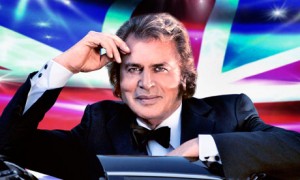
Engelbert Humperdinck talks about new song and the 2012 Eurovision Song Contest

Engelbert Humperdinck is an internationally loved and respected singer, who has been in the business for over 45 years.  He was recently chosen to represent the UK in the final of the Eurovision Song Contest 2012 with his new song “Love Will Set You Free”.  Media Mikes had a chance to chat with Engelbert again about Eurovision, love songs and his constant touring.

Mike Gencarelli: Let’s talk about how you came to represent the UK in the final of the Eurovision Song Contest 2012?
Engelbert Humperdinck: Actually, it all came down to the BBC in the UK. The big bosses came together and picked me out of a hat. They figured I’ve been in the business a while and I am a great embassador for the country. I was very honoured to be chosen to represent my country.

MG: Tell us about the origin of “Love Will Set You Free”?
EH: The two guys that wrote the song are very well known. Sacha Skarbek is an Ivor Novello Awards winner and Martin Terefe is the number one producer in England at the moment. Martin plays guitar…and bass on the song. I also just made an album with him about four months ago. He is so laid back and unbelieveable to work with. What happened with the song is that BBC setup everything. They found the writers and the song. They heard it, loved it and passed it on to me and I loved it. I have had a trendous success with waltzes. This is a Viennese Waltz. “The Last Waltz” was a big hit for me and I am thrilled about it.

MG: What do you think makes a great love song?
EH: A great experience I suppose. The writers must have had a great experience. It resonates to the listeners who also can relate to an experience. Good lyrics. Good melody. Good message. That is what it is that makes up a great song. Waltzes last a life time. Maybe one day they will be dancing to this song on “Dancing with the Stars”.

MG: I watched your concert at Northern Quest Resort & Casino last month presented by Front and Center, how do you feel that you are now streaming your shows to the internet?
EH: It is a whole new market. It is a great way to get the masses. Once it catches on, it will be great. Of course there is nothing like a live concert. If they watch it online they will get a chance to see what it would be like live. We have had a wonderful reaction to this concert, especially with the ability to chat with other fans via Facebook comments.

MG: Do you plan to do more concerts like this in the future?
EH: I am sure in the future we will be doing this again soon!

MG: You are always touring all over the world, how can you feel that touring internationally differs from the U.S.?
EH: I am touring more world concerts now. I just finished in Dubai, Sinapore…I am everywhere. It was great to go countries like Russia that do not even speak the language but they are still singing along. How do they do this I do not know? But it is just amazing.

MG: You are very involved with your fans, any words of wisdom to share with them?
EH: Not wisdom but gratitude. Thank you for supporting me for the last 45 years. They have been nothing but terrific.

MG: With Eurovision and constant touring, has this delayed the progress on your new album?
EH: It should be released right after Eurovision and it is a collabaration album. I can’t say who I will be collaberating with yet since you know how record labels like to keep things in the bag waiting for a suprise [laugh].

James Lesure talks about new TBS comedy series “Men at Work”

James Lesure appears in TBS’s new comedy series “Men at Work”.  The series was created by Breckin Meyer and James co-stars along with Danny Masterson, Michael Cassidy and Adam Busch.  Media Mikes had a chance to chat with James about what we can expect from this new show.

Mike Gencarelli: What drew you to the TBS’ new series “Men at Work”?
James Lesure: The script, written by Breckin Meyer. Once I got the pilot, I responded and said I wanted to be apart of it. I have known Breckin for years but really only athletically. We played basketball together for years. I had know idea he could write so well. I am a big fan of his work as an actor and now also as a writer.

JL: What do you like most about it, Mike?
MG: Honestly, I like the dynamic between the guys. You guys all play off each other. This show really works well with that.

MG: You’ve worked on many TV series like “Las Vegas” and “Mr. Sunshine”, how does a show like this compare?
JL: Right now, I would have to say the speed we do it. Currently we are filming in front of a live audience, so its like we are putting on a play each week. We get the script and then get about three days to put it down. So that is a bit of an adjustment for me.

MG: You seem to have natural comedic timing, how do you prepare for the role?
JL: Mike, listen keep the compliments coming because I appreciate them [laughs]. I have to give a lot of credit to the writers. When I get the scripts, they just make me laugh and that is a good sign. It is up to us then to just take the words make it deeper and better. So, that is my goal.

MG: Any room for improv throughout shooting?
JL: They let us fly off, here and there, with an ad lib and I appreciate that. The producers are open for us to be collaberative. It is a special kind of work environment we have. I just hope we can do some great things with it and do it for a while.

MG: What has been your highlight on the show so far this season?
JL:  It’s been working with this cast, Adam Busch, Danny Masterson and Michael Cassidy. They make me laugh on and off the set. It’s kind of nice to have that geniue chemistry and respect. I respect them and really enjoy what they are doing. I also have to give a shout out to TBS and Sony because they have been treating us very well. Thus far the whole experience has been very great.

MG: What else can we expect from season one?
JL: I know we got an episode about a special toliet [laughs]. They are blending together right now. But let me just tell you that everytime I read a new script, I’ve been laughing so hopefully that will carry over to the viewers.

Dr. Paul Frommer talks about developing the languages for “John Carter” and “Avatar”

When writer/director James Cameron needed someone to create the native language of his Na’vi characters for the film “Avatar,” he turned to renowned linguist Paul Frommer. Impressed by his work the filmmakers behind the recent film “John Carter” asked Dr. Frommer to develop the Barsoomian language for that film as well. Dr. Frommer is Professor Emeritus of Clinical Management Communication at the University of Southern California’s Marshall School of Business. Prior to joining Marshall, he lived and taught in Malaysia and Iran and completed a doctorate in linguistics at USC. He followed that with a ten-year sojourn in the business world as vice president and strategic planner for a Los Angeles corporation. Returning to USC, he joined the faculty of Marshall’s Center for Management Communication, serving as Director of the Center from 2005 to 2008. His teaching at USC included courses in Advanced Writing for Business and Cross-cultural Business Communication for Non-native Speakers. Dr. Frommer is co-author, with Edward Finegan, of Looking at Languages: A Workbook in Elementary Linguistics, currently in its fifth edition. To celebrate the release of “John Carter” on DVD, Dr. Frommer took the time to speak with Media Mikes:

Mike Smith: For “John Carter” was it important to incorporate a lot of the Barsoomian words that Edgar Rice Burroughs had created for his series of novels?
Paul Frommer: Yes, it was extremely important. And that’s what made this assignment unique. In the series of eleven books he came up with around 420 words. There is a large fan base out there that regards those texts as sacred and I wanted to respect that. I wanted to incorporate everything that Edgar Rice Burroughs had done so that therewould be no inconsistencies. That being said there was still a lot of guess work that had to be done. Just because you see the written form of a word doesn’t mean you know the exact pronunciation. For example, he had used “ch” in a lot of the words. But what does it mean? It could be “cha” like “chair.” It could also be “ka” like in “chorus.” It could be “sha” like in “machine. Those were some of the decisions I had to make. When you have “th” is it “thh” as in “thin” or “thuh” as in “then?” They both have different sounds. And even though the words were there, there were still a lot of decisions to be made. In terms of grammar we used virtually nothing from the book…it’s just isolating words.

MS: When you’re creating a language for a film do the screenwriters and director contribute their ideas as to how the language should sound or how it should flow?
PF: Yes. In fact, Andrew Stanton (director of “John Carter”) had come up with a few words of his own and when I could I would incorporate those. I had come up with some possibilities as to how the language would sound when spoken and I past those on to Andrew for his approval. In the initial go ‘round there were certain things he liked and certain things he didn’t. So we played around with things until he was happy with how the language sounded.

MS: Using Klingon as an example, since Klingon’s are outwardly very rough…their language is very guttural. When you create a language do you base how it will soundon the character’s perceived on-screen appearance?
PF: For the Na’vi language in “Avatar” Jim Cameron wanted the language to sound appealing and beautiful but also to sound somewhat complicated. In terms of the Barsoomians, they’re kind of a rougher people and so maybe the language reflects that.

MS: Since you brought up “Avatar” are there any new species you’ll be creating languages for in “Avatar 2?”
PF: Well, I wish I could tell you but I’m as curious as anyone. All I can tell you is that the film has been announced and that it’s slated to come out in 2016.

MS: To close on a humorous note, have you ever had a bad experience at a restaurant where you’ve just lambasted the waiter in Barsoomian?
PF: I haven’t done that yet (laughs) but there are times when I’ve said some things to myself in Barsoomian or Na’vi but I haven’t pulled that on any people yet. I’m sure there are fans in the audience for both languages that have done it and I think that’s great!

Kimberly Cole talks about her music with Media Mikes

Kimberly Cole’s first single “Smack You” made it to number 3 on the Billboard music charts and Kimberly’s current single “You Make Me Wanna” is on its way to doing just the same. Media Mikes had a chance to talk with Kimberly about her such and her recent audition tape which has since gone viral.

Adam Lawton: What has it been like for you after the success of your first single “Smack You”?
Kimberly Cole: It has been crazy! Things have been amazing. After the video release on Oxygen and then the song going to number 3 on the billboard charts it was game on. I think that song legitimized me as an artist. So many doors have been opened which has allowed to me to really grow. I will still watch that video from time to time.

AL: Did you think the song was going to do what it did when you were writing it?
KC: That song was written in an hour. It was inspired by real events and when we were done writing we knew we had something. I played it for my manager and some other people and they all thought it had something. My choreographer did some work with the song and people started asking how to get it. Then people started blogging about it. The song is two years old now and still to this day people are still finding out about it. It’s sort of this cult underground hit. It’s been exciting.

AL: What experience have you gained from opening for acts like Katy Perry and LMFAO?

KC: It is amazing to be at a place where I am with their crowd and the energy. It makes me feel like I am not only on the right track but we are colleagues. I am working my way to being a headliner but I still love opening for other bands. I love the surprise factor. In the studio I am a writer but on stage I am something completely different. I am someone who likes to think a little outside of the box when it comes to my shows so it’s great. It’s really fun to get the energy from someone else’s crowd and win them over.

AL: Can you tell us about some of the other things you were able to be involved in through the release of your “Bad Girls Club” album?
KC: The album did really well and because of the success of the single the Oxygen Network put a clip of the song on one of there shows. From that minute and a half song placement the network was very excited to do something else. We ended up premiering the video for “Smack You” on the network and it did well. Through the album I was able to create a unique relationship with the network which has resulted in talks of doing more work with Oxygen.

AL: What are you currently working on?
KC: I have a new clip out that is sort of a pre-video to my new song “You Make Me Wanna”. It is called “The Kimberly Cole Audition Tape”. The video has a character in it who is sort of a “Napoleon Dynamite” type guy. This character played by Nathan Barnatt crashes the supposed video shoot for “You Make Me Wanna”. The clip has created quite a buzz around the official video because in the audition tape people are rooting for this guy who crashed my shoot to be in the actual video. Because of this we are in talks for the new video and we have a really great treatment planned. Nathan blew us away so we are going to be changing the game a little bit with what the official video is going to be. I also will be doing a show called “A Day in the Life of Kimberly Cole”. The show will have me hanging out with friends and people who I work with. Some of the people I work with also work with major celebrities and are what I call the “Glam Squad” behind some very famous looks. We go behind the scenes to see how these iconic looks are put together. There’s really a lot that goes on to make these looks work. I also have some television things coming up as well. There is a lot of good stuff going on and we are in a really great place.

Jason Michael Paul talks about “Legend of Zelda: Symphony of the Goddesses” Tour

Jason Michael Paul is the producer of the new show “Legend of Zelda: Symphony of the Goddesses”, which is currently on tour and heading to a town near you.  If you are a fan of Zelda, this is an event you will not want to miss.  Jason Michael is also known for his work with the show “Play: A Video Game Symphony”.  Media Mikes had a chance to chat with Jason Michael about the Zelda show and what we can expect.

Mike Gencarelli: Can you tell us about bringing “Legend of Zelda” to a symphony tour?
Jason Michael Paul: I have been doing things like this since 2004. I first did it with the music from “Final Fantasy”. Since then I have created a show called “Play: A Video Game Symphony” which premiered in Chicago in 2006. I have developed a track record and worked with Nintendo along the way. With the 25th anniversary of “Zelda” coming up I had the idea to do a “Legends of Zelda” Symphony tour. It just so happened that everyone was interested. We had just planned to do a symphonic recording which was going to be part of a bundle that included the newest installment of Zelda “Legend of Zelda: Skyward Sword”. From there we initially planned 3 concerts which were going to be held in Los Angeles, Tokyo and London. Those ended up selling out in record time and we decided to put together the “Legend of Zelda: Symphony of the Goddesses” tour. This tour is exclusive to the Zelda property.

MG: What would you say was the most difficult aspect of creating the tour?
JMP: This project has been a joy. There haven’t been a lot of obstacles. It has been a phenomenal collaboration between my company and Nintendo. They have been really great to work with and have given us all the access to the likenesses of their characters. It’s been really great and smooth sailing.

MG: What do you enjoy most about the music from Zelda?
JMP: I have done a lot of concerts as I have been in this business for 15 years. I have always had a problem watching my own shows because I see everything. This show I have been able to sit back and watch from beginning to end. To me that is really the most truthful testament to this project. I feel so confidant and am so proud that I can watch it from beginning to end. That is the best thing for me.

MG: How does your work on this project differ from your previous work?
JMP: I have been very fortunate enough to work and develop a relationship with Chad Seiter. He has single handedly put an amazing touch on this project. Hands down he is one of the most talented people I have ever had the pleasure of working with. He has been the real difference in this project. I feel honored to work with him.

MG: What is your favorite game series?
JMP: I would have to say that “Grain of Time” is right up there but “Legend of Zelda: Skyward Sword” is very close to my heart. I actually worked on that game. We did the orchestration that accompanied the game. This was the first time that Nintendo had done anything like this. Being asked to create something like this for them really resonated with me. That title is closest to me because I participated in creating it.

MG: What do you have planned next?
JMP: I am busy with “Play”. When I am not doing Zelda I am doing that. I am sort of a serial entrepreneur as I always have several irons in the fire. I love to create brands and identities. I am just going to continue with what I am doing.

Sasha Alexander talks about Season 3 of “Rizzoli & Isles”

Sasha Alexander is known best for starring as Chief Medical Examiner Maura Isles on the Turner Network Television series “Rizzoli & Isles”. The show enters its third season on June 5th. Media Mikes had a chance to chat with Sasha about this upcoming season and what we can expect.

Mike Smith: What fears did you encounter when you thought of filming season three, as opposed to the other seasons? Was there something different you felt going in?
Sasha Alexander: I was really excited because I feel like season two ended with such a strong emotional and intense kind of moment between Maura and Jane. So I was curious to see where we would begin season three, and we started just kind of moments after. So Maura is reeling from the shock and, obviously, the anger she’s feeling that Jane shot her father. It’s really great. It’s really fun to play that side of Maura and to have it be that kind of that intensity was exciting to see where it was going to go.

MS: What characteristics of Maura is closest to what you have for yourself?
SA: Kindness. I think Maura’s kind. I think she’s generous and polite. I would definitely say those are some of my better qualities. I’m not as much of a brainiac as she is. I certainly don’t have as big of a vocabulary. Those are the similar qualities, and I like the fashion.

MS: The dynamics between you and Angie is unbelievably phenomenal. What do you attribute that to personally as opposed to on screen?
SA: Personally, a sense of humor. We both share a similar sense of humor. We have a lot in common in real-life interms of our families and being mothers and all that. So I think that we bring those things. And having heart. Having a respectfulrelationship as women bring that to the screen. Wanting that to be to the screen. Wanting it to be a positive relationship between these women. I think that attributes to sort of the way we play the characters.

Are the ramifications from your best friend shooting your father going to be explored throughout the entire season, or do you think that they’ll be able to put it behind them?
Sasha Alexander: No, they wrap up pretty quickly. At the end of the first episode, they get to the bottom of what the crime was, and what actually happened. So I think that that clarifies a lot for both Jane and Maura. But they’re not completely ready to say they’re sorry because there’s a lot of miscommunication between them. So that leads into the second episode and, you know, Korsak, and Forth, and Angela all sort of get involved in kind of getting them back together. And they end up in a kind of life or death situation. And so their friendship will kind of come back by the end of the second episode. And they really earn their way back. I like the way that it all comes together. It’s not wrapped up immediately, they’re back together very quickly. Quickly enough.

MS: What was it like to work with Jackie Bithide?
SA: Oh she’s a wonderful woman. She’s has a really enormous sense of humor. She’s so beautiful. And she’s not like at all, fake and done up for a woman. She’s just lived, and she’s gorgeous and a really funny, funny lady. I like her a lot and I had a good time working with her.

MS: I was reading in an earlier interview that you’d done before the first season, that you hadn’t read Tess Gerritsen’s books before getting the job. Have you caught up with the seriessince you’ve starting playing Isles?
SA: I have. I have a few more books left to read, but yes, I’ve read a lot of them and I love her writing. I’m a big fan of the books and what she’s created and of her personally. She’s really an amazing lady. So, yes.

MS: Judging by the way last season ended, the dynamics between you and Jane are going to be completely different. How did you approach playing the character going into the new season?
SA: Well, Maura’s going to get much tougher this season. I think all this stuff with her family has really – it’s changing her in a different way and its toughing her up. She’s in a moment of self-discovery; of figuring out who she is; where she came from; and finding her biological mother is a big part of the first part of this season. And I think all that brings on a lot of emotional stuff for Maura that is very new. But she’s going to toughen up. I think that Maura’s been, sort of compartmentalizing certain parts of her life. And now ever since Patty Doyle sort of entered the picture it’s opened up this whole new part of who she is. And so we’re going to see a tougher Maura. I still think a really funny Maura, and none of the comedy is going to go away. But I think a tougher Maura.

Angie Harmon talks about Season 3 of “Rizzoli & Isles”

Angie Harmon is known best for starring as Detective Jane Rizzoli on the TNT television series “Rizzoli & Isles”. The show enters its third season on June 5th. Media Mikes had a chance to chat with Angie about this upcoming season and what we can expect.

Mike Smith: How have the events this season two finale change Rizzoli & Isles’ friendship this season?
Angie Harmon: I think, if anything, we all know how it ended last season. If all of us have had friends with people that we love or people that we care about. I just think that it’s a really, really great thing to watch as these two character sort of work around their difference and work around the horrible situation that has happened, and come back together. What I also love is the way that the other characters in the show recognize the love that these two girls have for each other and, you know, help in their own different ways getting them back together. You know what I mean?

MS: “Law and Order” was marked as one of the great shows because of the great writing. And, the first two seasons of Rizzoli & Isles also has that kind of great writing. Do you see the show continuing, probably not as long as Law and Order, but having a long run? And is that something you would – you would see out and continue in the series?
AH: Gosh, I mean, I think as an actor, we all want to work and we all enjoy, you know, the projects that we set on to do. I think my strongest feeling in that – in answering that question is that and I don’t mean this arrogantly, I mean this, you know, as a parent of three girls, I think our show is on sort of the “right side of the line,” if you will. And I feel that way because, you know, I have young girls come up and tell me how much, they want to be a criminologist; they want to be a homicide detective; they want to get out there and help people and things like that. And I take that to heart. I think that’s an accomplishment for our show. So yes, I absolutely would love that, outside of the fact that, yes, I’d be working for a long amount of time. But I think that we’d be putting something that’s very positive out there. You know what I mean? For girls, yes I would love that. Absolutely. But not just for the selfish reason. We’ve got a great show. There’s more to it than that. We have something here that is a very positive role model and something that, personally I think we need. When they did that survey and all the girls were like, there were kindergartners, and like, “I just want to be famous.” But none of them said how. That, to me, is alarming. Young girls come out of college and high school to walk up and say the things that they say, like I just said. That means a lot to me. Yes, of course I would love to keep doing that.

MS: Did you always know from the moment you started reading with Sasha Alexander that this was the person that you were going to work with that and that would work best with? Or did you have to develop it?
AH: You know what I think? I think, both. We brought in a few people for Isles. I think Sasha just kind of hit it out of the part because she got the fact that, Maura was just kind of quirky scientist, sort of socially awkward. But she also got the fact that, Maura had friends and had girlfriends and things like that. You know what I mean? That’s why she got the job. Sasha and I have worked together over the past three seasons now, obviously our friendship is going to grow and mature and all of those things. I mean, it’s certainly wonderful to go to work and like everybody that you work with as opposed to walking on the set and dreading it because everybody’s a nightmare. Which I think we’ve all been in those situations, whether you’re an actor, or whether you work in front of a computer. So, yes, I think it’s both. I think there was sort of an instantaneous recognition. And then I think there’s a friendship and a relationship that has grown and matured over the years.

MS: I was wondering what you thought of the (Hoyt Art). Do you feel that it was explored within a good amount of timeframe? Or do you feel like he was – he still had a little bit more he could have gone?
AH: No, I was completely comfortable with where Janet took that and how much time we spent with it. If anything that was a really, really fun day that I actually also learned a lot from as an actor. I mean, in that moment after she kills Hoyt, you know, Bruce was there and him coming up and hugging me and crying and all that. That was all ad lib. It just sort of happened, because that’s what would happen. And when you’re living a character and living that life, you just keep going until somebody says “cut.” Bruce coming in and doing that and nurturing Jane in that kind of way. I had to break from him and walking to my trailer like I literally, my left knee gave out as I was about to go down. And I got into my trailer and just threw up. I mean, it was a very emotional moment. And as an actor, I’ve never had that happen before. I’ve always been able to draw the line and known the difference between reality and what we’re doing. It was just a very, very emotional closing for me. But no, I feel that we gave him his time. We gave him his due. You know the last thing you want is for people to be like, “okay, seriously, you can’t catch this guy? You can’t get in front of him?” You know, so, no, I was very fine with it. And if anything, I was very, very thankful for that experience because it just sort up upped the ante on acting challenge.