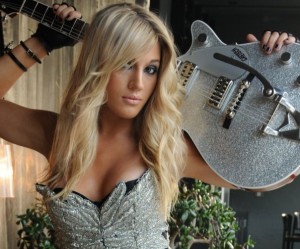
Laura Wilde talks about music and touring with Ted Nugent

Laura Wilde is an Australian singer/songwriter who is currently out on tour with her band supporting classic rock icon Ted Nugent. Laura just released a new single titled “Sold my Soul” and Media Mikes had the chance to talk with Laura recently about the single and the current tour.

Adam Lawton: What was it that made you want to get in to playing/performing music?
Laura Wilde: I have been obsessed with guitars ever since I was a kid. It was something that was always on my mind. My parents wouldn’t buy one for me so it just started to become a deeper and deeper obsession. Around the time I turned 12 I finally received a guitar for Christmas. I was so happy to have one that I played it all the time. When I was about 16 I decided that I wanted music to be my career. I started recording songs as soon as I finished high school and all while I was attending university. After a year of university I asked my parents if I could try music and see how things go. I have been working at it ever since.

AL: How do you personally describe your sound?
LW: I think it is pretty much just straight up rock and roll. There are screeching guitars, heavy drum beats and some melodic tracks thrown in the mix.

AL: Can you give us some background on your first single “Sold my Soul”?
LW: The song was written and demoed pretty much over night. It was a very fast process and the song sort of wrote it’s self. It’s a celebration song about coming to America and all of the places I want to visit while touring. We had the toe tapping drum beat and then we threw the guitar riffs over the top of that and everything just fell in to place.

AL: What has been the biggest difference for you performing in the States as compared to performing in your home of Australia?
LW: In Australia there wasn’t a real rock scene. There it is more of an indie rock type thing going on. I am more in to the leather and big hair. (Laughs) I decided to come to America after an A&R guy told me that I would be more suited in the States. There are more opportunities here in the States because there is a larger group of people. America is the heart land of rock and roll.

AL: Can you tell us about your current tour supporting Ted Nugent?
LW: It has been such an honor to be invited to tour with Ted. He is a legend and does over 300 shows per year. Ted runs a very tight ship and everything is very professional. It’s been a huge learning experience.

AL: How did you initially become involved with the tour?
LW: My publicist at the time used to be Ted’s publicist as well. She was the one who put it together thinking it would be a good fit. Unfortunately she passed away before she could see everything happen. She has been with us in spirit every step of the way.

AL: What are your plans for the rest of the year?
LW: We are out with Ted until late August. Once we get back home we will be going in to the studio to start on the record. We will definitely be doing a full-length release next and you will probably see some of my older influences shine through. I have about 30 tracks written that we can choose from but I know there will be more stuff being written while we are out on tour. We are looking forward to being busy in the coming months.

Darren Lynn Bousman talks about remaking “Mother’s Day”

Darren Lynn Bousman is known best for his work on the “Saw” franchise and to cult fans of “Repo! The Genetic Opera” and “The Devil’s Carnival”. Darren recently took out some time to chat about his remake of the classic 1980 Troma film “Mother’s Day”.

Mike Gencarelli: What can you tell us about your version of “Mothers Day”?
Darren Lynn Bousman: We wanted a film that paid homage to the original without copying it. We wanted this film to be its own thing. We didn’t want to make a carbon copy because the film already exists. We tried to make something that had similarities to the first film while keep it independent.

MG: When did you join the project?
DLB: I was there from the beginning. Brett Ratner approached me about it and then him and another friend and I developed and wrote it.

MG: How did you know you had your mother with Rebecca De Mornay?
DLB: After our first phone call she was so particular about everything. She was particular about everything single aspect. To me that showed she cared. There was no bullshit and she got it. I knew we had her at that point.

MG: What are you most excited about now that the film is released?
DLB: I am glad people are finally going to get to see the film. Once a director turns in their movie you never know what’s going to happen. We tested high and thought this movie was going to be a big hit. The film then ended up sitting on the shelf for a few years. Now that it’s finally out I hope it finds an audience. I hope people will see it and support it.

MG: How does this film compare to your other films?
DLB: Every movie I have done has been completely different. This movie is more along the lines of a “Saw” film but more adult. You can’t compare it to something like “Devil’s Carnival” which is completely out of the box. “Mother” is more of an adult thriller/drama.

MG: What do you have planned next?
DLB: “Devil’s Carnival: Episode 2”!

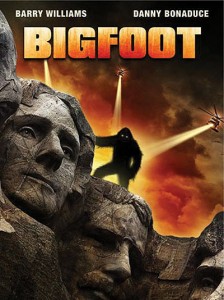
Barry Williams and Danny Bonaduce talks about Syfy’s “Bigfoot”

If you are a fan of SyFy, they you must be a fan of their original movies. This summer, the month of June is packed with new great films. “Bigfoot”, Syfy’s Saturday original movie, premieres on Saturday, June 30 and easily is the best of the month. It stars two 70’s TV legends Barry Williams (“The Brady Bunch”) and Danny Bonaduce (“The Partridge Family”). Media Mikes had a chance to chat with Barry Williams and Danny Bonaduce about working together on the film and what we could expect with this fun film.

Mike Gencarelli: So can you guys talk about how you became involved with this show and what made you want to do it?
Barry Williams: It was really easy for me. They said that they were talking to Danny Bonaduce and they wanted me in the movie. And I said as long as I can beat him up I’ll do the movie.
Danny Bonaduce: Fair enough. I, interestingly enough and I hope this doesn’t make anybody look ill prepared because the movie went off like a hitch. It was perfect. Everybody worked really fast. But I was doing my radio show two years ago and heard that I was doing a movie about Bigfoot with Barry Williams. I called my agent who also has my name on Google Search and he said I just read that too. I said is there any truth to it? And he said I haven’t heard a word about it. And two years later we started production. It was really bizarre but it’s neat.
BW: I have to tell you too, I love doing a monster movie. It’s great fun to do because it’s only scary when you watch it and not so much when you do it. I’m always interested in something where I have a chance to save the world.
DB: God I’ve got to disagree with Barry vehemently. This is going to be a long phone call. Scary movies are not that scary when you watch them but it was terrifying to make. I even asked Barry, I said hey man, when that guy says look up here and scream because Bigfoot’s going to eat you and there’s no Bigfoot. You’re just staring off at a big stick with a piece of tape on it because we’re going to put in by magic – I’m sure there are some initials, that Bigfoot will be there later. Everybody screams. I said Barry, do you like feel really stupid when we do that? And Barry said no, I’m an actor. When he says Bigfoot’s right there I assume Bigfoot’s right there. And I went wow, I’m bad at acting because I feel really stupid.
BW: Well see, I paid a lot of money for acting lessons so I’ve spent my whole life trying to justify them.
DB: Hey don’t – I swear, I said – I was talking to a reporter. I said Barry Williams, I don’t know if you know this or not, but is a real live actor. To be honest with you and not just flattering to Barry. Honest to goodness, I have another occupation and this came along as a gift.
I didn’t have to audition, I didn’t have to jump through hoops and that’s what a lot of actors have to do and one of the reasons I don’t really do it anymore. So I was more than pleased to do it. But Barry, God bless him, not only takes it very seriously but made it kind of easier on me to do because he’s really, really good at it.
BW: Well Danny’s being very modest about his talents and what he brings to the table. But we did work together well. I’d do it again for sure.
DB: Yeah. Me too. I don’t know what happens to Bigfoot at the end of this but if he dies bring him back. If he has a cousin yeah, it was fun.
BW: We brought in the Air Force with like nuclear missiles. I think Bigfoot is going to bite the dust in this. DB: Well don’t give away the end man.
BW: Okay. Forget I said that.

MG: So Barry, you had done “Mega Piranha” a few years ago. Talk about how this was different, working on this creature feature than the other one. And did you kind of give Danny some tips on how to go about working on one of these?
BW: You know, the format for working on a movie is working on a movie. Danny has plenty of experience working on television and movies. So no on that. The difference with this and “Mega Piranha” was I was much more involved in the process. My role in Mega Piranha largely took place in offices and in cars. So I was kind of away from the cast through most of it. In this we were out working on location, we’re working with a green screen, we’re working in some pretty challenging circumstances because Seattle enjoyed the worst storm in 100 years through the time we were filming. And so it was very hands on and I had a lot more to do in it. So overall I it was a more satisfying experience if you could say.

MG: What’s your take on the legends of Bigfoot in general? Do you actually have any kind of belief in the Missing Link?
DB: I just moved about eight months ago and I do my new radio show – I guess I should publicize this as long as I have a chance on KZOK 102.5 in Seattle. Seattle, which I didn’t know because it was weird doing a Bigfoot movie that wasn’t about Seattle. I didn’t know this about Seattle either. Bigfoot is one of the main things about Seattle along with the rain and gray skies. In the airport is the Sasquatch Café. You can get your Bigfoot burgers and Bigfoot’s a thing up here that people talk about all the time. Now our Bigfoot in our movie is enormous. If there was something hiding that big I believe – and when I say this immediately all of the techno nerds are going to go hey, he’s one of us. It wouldgive up a heat signature and we would find it. Do I believe that there is something – I don’t know if it’s necessarily out in the woods or under the sea or in the sky but I believe for sure that there is something unlike us that has equal or superior intelligence. So whether it’s a Bigfoot or you’re using Bigfoot as an umbrella for aliens or not the Loch Ness Monster because that’s really an inlet and the Loch Ness Monster would starve. But do I believe in stuff like that? Yeah. Absolutely.
BW: Well I certainly believe the Bigfoot in this movie. If there is a real Bigfoot just whatever his size, I hope he’s not as angry as our guy because our guy is not having it. He pretty much is cutting a swath, right…
DB: And he’s really scary.
BW: …down the town. Yeah. He is scary. And I’m not sure – he’s as big as King Kong. I mean this thing is fast too. But I’m fascinated with theories and concepts. And like Danny was just saying, in Seattle it’s quite a big deal. The sitings, the trackings I enjoy kind of observing it. And you have to know that somewhere in there there’s got to be some type of missing link or something that’s bridging the gap through our own evolution. But it’s hard to imagine with GPS taking it down to inches of where you are that if we really wanted to find it, it would be pretty hard to hide.

MG: You are two of our pop culture icons and there is yet another pop culture icon of ours in this film, Alice Cooper. Can you tell us about working with him?
DB: I’ll start with this one. I know Alice a little bit. I’ve had the pleasure of talking to Alice a few times in the past but never working with him. And he really intimidated me. Not the crazy makeup and I’m so envious of that leather jacket. That leather jacket rules. But the director, Bruce at one point we had a real problem with continuity because as Barry said in the opening, we had a snowstorm that Seattle has not seen in at least 50 years if not 100. I mean everybody wasflipped out. Snow doesn’t stick to the ground here. That doesn’t happen. We are essentially snowed in and then it melted really fast. So we had to shoot things in a very – not quick as in haphazard but quick in as people had to think very quickly. And I’m sorry, what was your basic question again? I started to answer questions about the weather.
BW: Working with Alice.
DB: Oh, thank you. So we had to change things to match that the snow had melted and we had just shot the original master shot with no snow. So at this point he just looks at me and he says why don’t you and Alice just riff for a minute which means improv which on the radio is one thing. With people filming you and Alice Cooper standing there and Alice is really clever. I said to him – my line was – my one written line and then that’s where we were supposed to riff for almost two full minutes, I had said come on, you have to help me out Alice. We go way back. And he goes go way back? I’ve known you for two hours and I already hate you. And he hit me with a riding crop. And I thought this is a really – this is an interesting way to delve into the world of improvisation with Alice Cooper who insists on hitting me. But I mean it’s super neat.
BW: Absolutely. I was – I knew we needed a pop icon in the role and Alice was not yet cast when we started the movie. And when I found out he was coming out and going to join us I was absolutely beside myself. I’m a big fan both of him, Kiss and he came in full regalia with all the leathers, the riding crop and a very cool guy. And I was also, you know, hoping because I sing a song in this movie and I was kind of hoping maybe I get some props from the Man and that didn’t happen. I think he referred to it as – was he – he was asking Danny about whether…
DB: I just saw the clip.
BW: …this thing was a hootenanny.
DB:
He looks at you. He looks at you singing and he says, what is this a hootenanny?
BW: Yeah, a hootenanny. Right. I didn’t quite get that little wish fulfilled. But he’s a very cool guy. He’s nice to have in the movie and a lot of people don’t know this about Alice but he is a scratch golfer. He’s a really good golfer. So there you go.

MG: So was this movie fun, grueling or both to shoot?
BW: I go crazy when I watch actors and actresses get on television and they go oh, it was so much fun to make. Making a movie is not what you’d call fun. You get good things that come out of it but it’s work. We had some extra challenges on this one because most of it was filmed outdoors and the weather was not cooperating. So we had that element to deal with – wind, snow, matching. We worked at night. We didn’t have heaters in a lot of places. So you just do what you need to do and keep your eye on the ball which is how it’s going to turn out. I wouldn’t say fun but I’m glad that I did it and I’m pleased with what I’ve seen that’s come out. But grueling, you know, it was a tough shoot. It was a tough shoot.
DB: I don’t mean to just say ditto because that would make me a poor interview. Barry has been overly kind but also rather insistent. And I thought that was nice too. On the set of the movie I would ask Barry’s advice a lot. I’m not shy. I have other talents. Barry’s really good at this so I would ask Barry how should I play this, how should I do that? But I got very nervous because I gave an interview about this movie and the first thing they said was so, how was it making this movie and I didn’t think about the all encompassing question. All I thought was knee deep in snow for four days straight and the outfit I had already worn so it was established which was not warm, when you go on the scale of hard I mean we weren’t, you know, soldiers in the deserts carrying an 80 pound rucksack. I’m a talk show host. I stand in front of a microphone and try to be amusing. That’s my real job. Out there acting beside a skilled actor like Barry Williams in the snow – it really did have its more difficult moments. But like I said, this was a big deal in my life. I don’t do this kind of stuff anymore. This was just handed to me. Do you want to be in a monster movie. Do you want to be in a monster movie with Barry Williams? And I thought who says no to such things? I was going to ask the same question about our celebrity boxing match. Somebody asked me why would you do that? And because I like to box I said somebody asked me if Iwanted to box Barry Williams. Who says no to things like – these opportunities do not come along every day. But hey, it was an arduous shoot at the very least.
BW: Yeah. And in addition to which Danny – we were actually filming around Danny’s radio schedule so he’s getting up at 4:00 in the morning, on the air at 6:00 all the way until 10:00 and then driving up an hour away to the film location and working into the night. So it was challenging as we say. And regarding the boxing thing I’m glad that I did it but save the tape because that is the last time you will see Barry Williams in a boxing ring.
DB: Smart call Mr. Williams. I’ve done it about 12 other times and every time you think it’s a good idea that I thought it was a good idea and then eight weeks out I start getting scared and is this going to hurt and by the way, it always does. So you’ve seen the last of me doing the same thing. I’m with you.
BW: Stuff happens in the boxing ring.
DB: Yes it does.

MG: Bruce Davison is the director and your characters kind of have an adversarial thing
going. Did he give you room to kind of play off each other and kind of come up with your own thing?
BW: Yes.
DB: Well he did, I believe, it will depend on the movie which I have not seen yet. I’ve seen some of the trailers. But Bruce said – he kept looking at me with this really intense face and I think not mocking in a bad sense or maybe I mean parroting, the expression that I had. And yes Barry Williams and I do have an adversarial relationship but we’re mad at each other. And like I said, Barry’s the trained actor between the two of us. The script says I think – Harley Henderson is my name. Harley’s really made and to the point of violence. Well all I can do is replicate what I’ve seen in my real life whether it was the way I was raised or whether it was the way I really used to get really angry and fight. But I’d grit my teeth and get ready to do my line and Bruce would say just bring it down Danny. Just bring it down. He said there is so much more power when you do – and it really – I must tell you I felt like he was mistaken. But he’s the boss. You do what the director says. I remember that much from the Partridge Family and the few shows I’ve done after. And on the good side see I remember doing the rage thing and then the clip that made it where it’s just – where I just throw it off cuff – I’m going to kill Bigfoot. His take on it was much smarter and he’s absolutely right. Sometimes replicating real life just the way it actually happens, at least in my head, is not as good as a delivery. And Bruce Davison gave me a lot of direction that was very helpful.
BW: I want to say and I think everyone at Syfy should know, that the hero of this movie is Bruce Davison.
DB: For sure. Good call.
BW: He had to change gears in the middle of the race. We had to edit and cut. We had to make things work because certain locations were not available. There were time constraints. There were all kinds of things that a less flexible director never would have been able to overcome. And so yes, he was leaning heavily on the actors and – both in being prepared and also making some of the carving out some of the characterizations as adjustments had to be made throughthe movie. And he never wavered. He was always organized. He always had good ideas and he would come to us when he wasn’t clear about those ideas. But by the time we got to the set we were ready to go. And he finished that film I think a week early. I don’t know another director that could have done it. And he’s an actor. So for Danny and for me, you know, the kinds of things that Danny was just talking about in terms of how to produce something to the greatest effect, he knows how to relate that to us and it made it a lot easier for us.

MG: So you guys battle it out, quite a bit on the film as we’ve discussed before. I’ve got to ask, the chemistry between you two was just great. Did you guys have any good outtakes during shooting and/or have a hard time keeping it serious?
DB: I had a hard time because I’m really out of my element, I had a hard time with some things. But you know what? Barry and I – see each other off and on maybe ten times, 15 times throughout the years. I’m realizing I’m throwing around these accolades and I don’t want you to think we’re best friends. It’s just that I had no problem keeping it serious because Mr. Williams, I just want to – I’m really prefacing this to make sure everybody knows, really keeps it serious. It’s off – when they say cut then he says Barry Williams, the guy that got there in the morning and the guy that’s going home in the van with me at night, so to speak, or back to the city anyway. But I mean Barry Williams is the consummate actor. I interview people that are like Barry Williams and like me in the sense that they got really famous for something and not that I’m not super grateful for Danny Partridge, I wouldn’t have half the stuff I have had I never been Danny Partridge. But you’re kind of stuck with it. And Barry’s done a more successful job than most at being able to branch out from that. And I think the reason that is, is because he takes his craft so seriously that when we’re shooting it’s work. And I remember distinctly he would take a pencil and paper along with the director – he wasn’t impolite or anything. But he would say things like this doesn’t make sense. I’d agree but I’ve got to tell you if we would take an extra five minutes I wouldn’t have mentioned it. Barry was looking out for the quality of this movie all the time.
BW: What I did want to say about what was cool was, you know, Danny does – four hours of talking every day. And it’s basically him and he’s really entertaining. The amazing thing is that doesn’t stop. He shows up on the set and he takes right off again. And it’s just as funny. It’s like being entertained between all the takes and the drives and the rides back and forth. So it was really fun because he’s funny. So there we go.
DB: Well thank you. To some people that sounds funny. Others, that’s my wife, would just say please stop. There are no microphones in our house. To which I just want to get microphones in my house.

MG: The creature features can range anywhere from really serious to really campy. How did you determine the right tone to play your characters?
BW: Good question.
DB: I do comedy if you will. There are no jokes. I’ve never written a joke in my entire life. But the flavor of my morning show which has been on the air for 25 years and done pretty well by the way.
BW: Yes.
DB: Most of the feeling for comedy is where to put your emphasis. And if the movie itself is supposed to be like tongue in cheek then the only way to make it more funny would be to play it as straight as possible. I know for myself and I think I can answer for Barry but since he’s right here I won’t. For me my answer was to play it as straight as possible. And I played mine like I wanted those trees out of there. Barry and I were at each other’s throats. I played my character like I wanted him dead. I played it as straight as I could play it. If it’s campy, that will add to the campiness. Plus like I saidBarry does much more of this than I do. But the fact of the matter is it’s written. The dialog is pretty serious at some point. So I thought – I think the premise probably puts the tongue in cheek. But at least on my place I play it as seriously as I can. Barry Williams: Yeah. That’s – and you’re exactly right. When you cast Danny Bonaduce and Barry Williams in the same movie – in a monster movie you know it’s going to have some degree of camp to it. That’s why we’re picked. And so it’s going to have that certain tone. But the only way to play the movie is to play it for real, for keeps and let the situations and the appearances – of Bigfoot and the circumstances, let them kind of play out. It’s all a little bit larger than life in that sense. I think this movie will be best enjoyed with a box of popcorn in your lap.

MG: What was your favorite monster movie growing up, both of you?
DB: I don’t know if you want to consider it a monster movie but this is with your, you know, as a disc jockey or a talk show host I’ve moved into half a dozen cities or more and there are some things that you can just count on. And one of them is so what’s the scariest movie that’s ever been made and your phone lines light up. Now I usually have a fight between the Exorcist and Jaws. And in my world Jaws wins out because it’s now been 35 years, something like that but I dive.And I will tell you there is not a time that I dive that at some point I don’t hear that (da da, da da) from Jaws. Jaws continues to scare me especially on night dives. So if you consider – and I don’t think there’s ever been a Great White shark that big ever caught so I’ll still make it a monster. My favorite monster movie therefore is Jaws.
BW: Growing up Frankenstein – the green one with the things coming out of his neck.
DB: The bolts. Yeah.
BW: That was the one it would just stay with me after the movie was over and I’d be looking under the bed kind of thing.

MG: After Debbie Gibson and Tiffany did “Mega Python vs. Gatoroid”, they went on tour together. Any chance you guys might do something?
DB: Wow. It’s a great question and probably a wonderful tour. It’s very funny. I know both of those young ladies rather well. The year I got into radio was the years they were the hottest. Now Deborah as she prefers to be called now, did you know she’s in the Guinness Book of World Records?
BW: For what?
DB: For the youngest person to ever write, produce and perform a million selling album. She wrote all the words, wrote all the music. Yeah, she’s in the Guinness Book of World Records. I saw her on Broadway. She’s just a really, really talented girl. Tiffany is a wonderful girl too. I’m not sure what I would do on a tour with Barry Williams because I’ve done stand up comedy for David Cassidy a couple of times when he’s been in the towns where I’m working. And Barry is a consummate performer. He’s got a song and dance show that he takes on the road. But comedy is so frightening. It’s hundreds of people daring you to laugh plus if Barry and I were to go and do something together they would want funny reflections from the Partridge Family. Well, it was a very long day and I was ten years old. I have a couple of funny stories but I don’t have a half an hour’s worth so I don’t know what I would do. But Barry’s got a show he takes on the road.
BW: Well I will travel but I’m stationed and living in Branson, Missouri where I’m doing – it’s called Lunch with the Brady Bunch. And so it’s a standing show here. I do it four days a week and it opened this year. And it will be here for the foreseeable future. And it’s a nostalgic ride in a very kind of on the nose way for people that watch – I watch 50 year old women become teenagers in the show because they’re back to 12, 11 years old when they were watching the Brady Bunch and it’s a lot of fun. So I do take that out as well. We don’t have plans to go out on the road everybody’s got a busy schedule. I’m in Branson. He’s in Seattle. He’s doing a radio show. I’m performing a show here. And you never know. The right thing could come along. We’ll get to spend some time together with all of you and maybe someone will come up with something that makes sense for us and we’ll show up and do it.

DB: Can I ask a question, what is – because I’ve seen your stage act. What is Lunch with the Brady Bunch?
BW: That’s the show that I’m doing.
DB: Are there other Bradys there?
BW: I have the new Brady Bunch kids with me. So they are all…
DB: Oh, very smart. BW: So I’ve got them in costume, original choreography. We’re doing all the music. It’s multimedia. It’s, you know, I’m using support clips and graphics and photos and stories.
DB: Oh, that sounds fun. I would totally come see that.
BW: It’s the whole ride. In fact at one point, there are a couple of things but one of the songs, I talk about how the Bradys became a concert – or recording act because I had gone to the producer and I said look, there are all of these families that are making records. And some of them are selling millions of records, why not the Brady Bunch kids? I mean look at the Jackson 5, look at the Osmond Brothers, the Archies and of course the Partridge Family. And then the Greg character that I – is in my show he comes out and sings with everybody, I Think I Love You.
DB: Oh, that’s hysterical.
BW: And a little bit of One Bad Apple and ABC and Sugar Sugar and like that.
Danny Bonaduce: Oh, that sounds like a great show.
BW: It’s a fun show. It is a fun show.

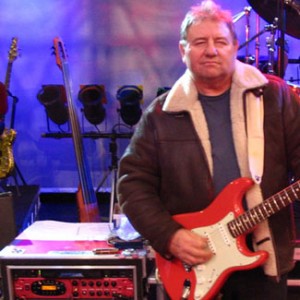
Greg Lake talks about working with King Crimson and Emerson, Lake & Palmer

Greg Lake is best known for his work with King Crimson and Emerson, Lake &, Palmer. Greg has recently released an autobiography titled “Lucky Man” and is currently on tour speaking about and performing songs from his vast musical catalog. Media Mikes caught up with Greg recently to discuss his book and the current tour.

Adam Lawton: What can you tell us about the re-release of the Emerson, Lake &, Palmer catalog?
Greg Lake: To be honest I didn’t have a lot to do with the re-release. I did approve them and I know they have gone through a lot of trouble to make this a really top class thing. They have re-mastered everything in 5.1 sound as well as including a number of out-takes from the original sessions. They have also done a tremendous job on the packaging. It’s a first class reissue but I think the main reason I don’t take a lot of interest in re-issues is that I get very tired of seeing the same album released over and over again with very minimal changes. These are a genuine upgrade and they dug into the vaults to find new bits and pieces of material.

AL: Can you tell us about your current tour which is being billed as “The Songs of a LifetimeTour”?
GL: During the time I was writing my autobiography “Lucky Man” certain songs popped up as being important or influential to my career. At the end of it all I realized what the songs were and what they represented. It was journey the audience I have shared over many years.

AL: What has been the biggest challenge of putting on a show like this?Music is a backdrop to every one’s life. I thought it would be nice to relive that journey with the audience. From my point of view each of the songs has a story. This tour gives me a chance to tell those stories as well as hear the audiences own stories about the songs. The audience and I get to interact with one another and relive our journeys. I didn’t want this to be me sitting on a stool with a guitar boring everybody. I designed a very dynamic show that combines a number of different elements. There is humor, warmth and emotion. It really is quite an entertaining night which is what I wanted. The audience leaves having had a wonderful time. That’s the most important thing.
GL: Every night that I go out on the stage it doesn’t feel like a concert. It feels like walking into a family living room. We are all connected in some sort of way and everyone knows it. When one person tells a story other people get it. There is a feeling of bonding. It’s a very strange concept as I don’t think there is anything else quite like it. I took elements from the original recordings of these classic songs and produced new sections specifically for this show. I have something from the original records, something new and of course the live portion of things. All the stories provide an ensemble of experiences. I think this is why it’s been received so well.

AL: What are the upcoming plans for the tour?
GL: We are just finishing up our first U.S. and Canadian run. From there I will be going to Europe and Japan. Hopefully next year I will be back in the United States for another run as the shows have been very successful. This has been beyond my wildest imagination. I just can’t believe how well it’s been received. I worked on production for this tour for over a year and things have just really paid off. The greatest gratification you can have as an artist is to know that your music has gone from soul to soul. Knowing that my music has helped or changed someone for the better is really great.

AL: What made you decide to write an autobiography?
GL: I never really wanted to write an autobiography. It was something that I never had any sort of craving to do. I suppose all musicians have a lot of stories to tell and sometimes when I sit and have dinner with someone I will tell some of these stories. I have been told for years that I should write a book. My manager called me one day and told me that if I didn’t write these stories down that someday they will just disappear. I ended up writing this book which is told from behind the scenes. Everyone has already seen or knows what happened at all of the shows so I tried to write from the perspective that people didn’t see. This is not a kiss and tell book by any means nor is it about all the drugs I used to take. The book is I hope an interesting story from behind the scenes during some incredible years in music. I thought that I had a good perspective on how and why things happened the way they did during certain periods of music history. I had and still do have a privileged view on the subject. I consider myself very lucky hence the book’s title “Lucky Man”.  I grew up very poor so from every since of it the title is very fitting.

AL: Will we be seeing a new solo or live album from you anytime soon?
GL: I will certainly issue a CD from this tour as we have a wealth of good stuff. This summer I plan to record a new solo album. This tour has really given me an added inspiration to do a new album. It is just a phenomenal thing to see how deep my music has penetrated people lives. This is really gratifying and worth way more than the notoriety and money. To realize the music you made has touched someone and been a real value is just so gratifying.

Jason Gann talks about season two of FX’s “Wilfred”

Jason Gann is the co-creator and star of FX’s hit comedy series “Wilfred”. The show begins its second season on Thursday June 28th, 2012. “Wilfred” was adapted from an Australian series, also created by Gann. Media Mikes had a chance to chat with Jason about his role in the show, how he feels this differs from the Australian series and also what we can expect this season.

Mike Gencarelli: If you had to explain “Wilfred” to a person that hasn’t watched season one, what would you say?
Jason Gann: I would say it is like Mr. Ed on crack-cocaine. It is a messed up story about a suicidal dude that sees his next door neighbor’s dog, as a talking man in a dog suit who smokes bong and terrorizes him, though at the same time aims to save his life.

MG: Do you need to see the first season in order to enjoy the second?
JG: No, I don’t think so. That is why we did the special preview episode with Robin Williams prior to our season two opener. We needed to tie up the loose ends from the season one finale. We also wanted to reintroduce the show to a new audience. With the season two premiere episode, it is a nice introduction to the show. It is always a challenge to match each episode for people to be able to join on mid-way through. I am very aware of that though while working in the writers room.  If I feel that something going to alienate our new audience then I will try and steer it back. It is challenging as well because there is an arc that is happening with Ryan and Wilfred’s journey. So hopefully it is funny enough and then people will go back and watch the first season and catch up. It’s almost like every episode needs to be self-contained in its own right yet.  Though we still wanted to entertain and give a little more to the fans of the show. We tried to always leave little Easter eggs throughout the episodes for big fans of the show.

MG: Creatively for you, what is your process with developing season two? Are you looking to recreate from the original Australian series or start fresh?
JG: I didn’t want to do the same show again with American accents. I was very trepidatious about even playing Wilfred. Originally, I wanted someone else to play him. It is really the brain child of my manager Jeff Kwatinetz, who solved the dilemma. I play the role again but it be a different type of show. We met with show-runners and David Zuckerman came back with this fresh take which focused on Ryan’s psychiatric issues. That is something that we never really addressed, mentioning it maybe only one of twice in the Australian version. In the American series, it is really more about Ryan but the stories are still driven by Wilfred. Now that the show is in its second season, the Australian series seems like a high school version of the show to me. David told me, when he pitched us, that he was a big fan of the original and didn’t want to remake it. He wanted to make a different gig with the characters he loved and so that they can stand each side-by-side proudly. I think we used like 4 or 5 jokes in the pilot that came from the Australian series to help us set it up. We also only did 16 episodes of the Australian show and already we have done 26 of the American show. So I am really proud of this series.

MG: How has it been working with Elijah Wood this season?
JG: Elijah and I have always had this great chemistry from the beginning. It is funny because we are very different individuals and do not have a lot in common as men. But when we come together and work with these characters something really special happens. It is a bond that feels like family, really. In season one, I was a lot more polite. In season two, [laughs] well we all have a lot more fun. I don’t know if its because we can relax since we have an audience that loves our show already but we have purpose now and this great confidence. Originally, we really didn’t know who the character of Ryan was. But Elijah brought some much depth to his role. During our final screen tests with Elijah, I got into costume as Wilfred to give him an idea of what it would be like. While I was standing behind him, due to our stature, David said to me that it looks like Wilfred was his bodyguard. That really inspired me to bring out more of this protector in Wilfred that didn’t exist in the Australian version. Where as now Wilfred is trying to help Ryan become a man and survive in the world and it gives it more purpose. We just have fun and I hope it shows.

MG: Tell us about wearing your dog suit? Any behind-the-scene stories?
JG: People ask me if it is hard. I always say that it is as hard as it looks. Sometimes when I realize it is hard, I go through this euphoria…like this crazy state. People are telling me to take the suit off that I must be hot and I am just like “No, let’s do another! Let’s do another!”. Probably some semi-masochistic part of me, as I am losing my mind. It is like the pain when you are at the gym, it hurts but feels good.

MG: You guys must have massive amounts of outtakes, you ever find it hard to keep it as serious as you do?
JG: Actually last year Elijah only broke once and I think it was on the last day of shooting.  This year on season two, I think he broke on like day two and a couple of dozen times after, as did I though [laughs]. There is one thing in particular that happens between Wilfred and Ryan in episode seven, which I can’t say unfortunately. I couldn’t do a take without laughing. I had to shoot it separately without him. I told them we could do that scene 100 times and I will laugh 100 times. That was pretty funny!

MG: What do you enjoy most about working on this show?
JG: When Wilfred was with Raffi (the toy Giraffe) in season one, he was massaging her neck, then bending the neck backwards in order to give a blow job [laughs]. When we came up with that in the writers room, I said “I think we can safely say that nothing like this has ever been on TV before.” When we have moments like that I get really excited…and luckily we have several this year.

MG: Robin Williams, Rob Riggle, Steven Weber and Allison Mack all guest starred in season two’s preview episode, who else can we expect from season two?
JG: Unlike last year, when we just had one guest star per episode, Robin Williams and Allison Mack will also come back for a few episodes. We also go into Ryan’s work environment for a while, so that is different. We also have returning guests from season one like Chris Klein and Mary Steenburgen back. It is really humbling to get people that one our show. Also it wasn’t our intention to make this season more dark, even though I think it is funnier.  But it does get a little dark and I look forward to seeing that as well. I hope everyone enjoys it.


Related Content

Terence Bernie Hines talks about “The Secret Life of Walter Mitty”

Terence Bernie Hines plays Gary in the upcoming Ben Stiller film “The Secret Life of Walter Mitty”. Media Mikes had a chance to talk with Terence recently about the film and some of his other upcoming work.

Adam Lawton: What was it that interested you in auditioning for your role in “The Secret Life of Walter Mitty”?
Terence Bernie Hines: “The Secret Life of Walter Mitty” was a movie that originally starred Danny Kaye and is considered a classic movie that is at or near the top of all time great movies from that period. I had wanted to work with Ben Stiller for some time and when the opportunity presented itself with this great project, I jumped at the chance. When I read the script, I knew this could really be something special. It has pretty much everything: a great storyline with action, adventure, humor and more. Auditioning for Ben, who is also directing, was interesting because he is very particular about whom he casts in his movies. He goes out of his way to really make sure you are the one for the part.

 AL: How was it working with people like Ben Stiller and Shirley MacLaine?
TBH: Ben is a really cool guy who knows what he wants and knows how to go about getting it in a shot. You may have heard this before, but great actors who are also great directors have a better understanding of what it’s like to be on camera more than most. It’s well known that Ben is one of the most successful actors in Hollywood. He is also one of the most underrated directors in Hollywood. His last 3 movies have grossed over $350 million dollars worldwide. It’s an honor to work with someone at the top of their game as an actor and director. He told me that making a great movie starts with casting. And he, along with the CD Rachel Tenner, found the best talent they could for this movie:  Kristen Wiig, Shirley MacLaine, Adam Scott, Patton Oswalt, Sean Penn, and myself, among others. He really knows how to get great performances from the cast too. I try to learn from every movie I do and this has been a chance to learn and work with some of the best!

AL: Can you tell us about your work on the film “Rushlights”?
TBH: “Rushlights” is a murder mystery drama starring Beau Bridges and Aidan Quinn that begins in Los Angeles and ends up in Texas. I play “Joe,” a cook in a small town diner named coincidentally: “Joe’s Diner.” I’m basically the go-to guy for the Sheriff (played by Beau Bridges) to find out about some not-too-savory characters that have suddenly come to town. It was fun to play, and I got a chance to spend quite a few hours with Beau and his son Jordan, who is also in the movie, talking about the business, their showbiz family and life in general. Murder, mystery, intrigue, more murder – and somewhere in there you find out who done it and why. It’s a cool movie.

AL: When you are looking at roles what is the main thing that you look for or interests you?
TBH: A good actor should be able to make any story interesting or great, but call me lazy. I want to like the story! I like to believe in what I am doing and the story I am telling. I look for parts that inspire me and give me a chance to inspire others with what I do in those roles. I’ve been honored to have worked with some of the best in the business and I would like to say that I have held my own. So I would say that I love working with great actors. I found that greatness is contagious.

AL: Can you tell us about any other projects you are currently working on?
TBH: “The Secret Life of Walter Mitty” is still in production. I wrap that up soon and then it’s back to the grind. I do have some future projects in the works but none that are ready to be announced just yet. The future looks quite bright though.

Garrett Brawith talks about directing “FDR: American Badass”

Garrett Brawith is the producer/director of the upcoming film “FDR: American Badass!”. It is a hysterical comedy starring Barry Bostwick as FDR, as his battles Nazi werewolves. Sounds crazy right? Well it is! Media Mikes had a chance to chat with Garrett about this film and what we can expect from the Blu-ray/DVD release this Fall.

Mike Gencarelli: What was the craziest experience you had working on “FDR: American Badass!”?
Garrett Brawith: The whole shoot was crazy! But there was a day where Bruce McGill and William Mapother had to play an entire dramatic scene standing over a naked man with a squirrel sticking out of his rectum. We’d all agreed not to look because frankly, dead rodents and back balls in your face can be distracting. They pulled it off like pros, but I hear they’re both in therapy now. Talk about dedicated.

MG: How did you get such an amazing cast lined up for this film like Barry Bostwick, Lin Shaye, Bruce McGill, Ray Wise and Kevin Sorbo?
GB: Our amazing casting directors, Dean Fronk and Don Pemrick helped talk them in to it, but with our movies “Poolboy, Drowning Out The Fury” and “Darnell Dawkins, Mouth Guitar Legend” coming out, they knew what they were getting in to; no-holds-barred insanity. And to their credit, they were all for it. Even actors of their caliber enjoy coming to set and just letting loose.

MG: So we got werewolves, Nazis and over-the-top racism is anything safe in this movie?
GB: No. On purpose. But I did wear a condom the entire time. Does that count?

MG: The film crosses over onto Jim Abraham/David Zucker ground via “Airplane!”, tell us about your decision to take the film that way?
GB: It often feels like everything has been done. “The Airplane” and “Naked Gun” series changed all of that by taking normal comedy and going way too far with it. I wanted to go even further. No apologies, no pulled punches, I’d like to kick the planet in the nuts and make them salute the flag at the same time. God bless America.

MG: How did this experience differ for you than your film “Poolboy”?
GB: “Poolboy, Drowning Out the Fury” was an experiment in mass comedy. We wanted to fill every second with something to make you laugh and honestly, I think we did it. FDR is a classier, stylized version, but without the class. The film looks great but it’s anything goes. We took the same philosophy as “Poolboy” and just went bigger.

MG: Tell us what we can expect from the upcoming DVD/Blu-ray release?
GB: We wanted to do something nice for the audience so there’s a special feature, 26 minute music video of me peanut butter wrestling the cast in lifesaver thongs. Because we care. Comes out September 25th, so look for it!


Related Content

Rich Eisen talks about TNT’s new reality series “The Great Escape”

A graduate of the University of Michigan with a degree in communications, Rich Eisen is probably best known to sport fans as the face of the NFL Network, which he joined after seven years at ESPN. He has also added his commentary to several of VH1’s various “I Love the….” decade shows and last year appeared in the very funny short “Field of Dreams 2” on Funny or Die. He can also currently be seen (actually heard) as the marathon announcer in the new film “That’s My Boy.” Eisen’s latest project is as host of the new action/reality show “The Great Escape,” which debuts this Sunday evening on TNT. Rich took some time recently to speak with Media Mikes about his love for football, his reality show skills and how he hopes to follow Dan Patrick to “Sandler Stardom!”

Mike Smith: How did you get involved with “The Great Escape?”
Rich Eisen: Charlie Ebersol, who is one of the producers, and his partner, Justin Hochberg…they created the show. They sat me down about a year ago and showed me on his iPhone a demo reel for “The Great Escape” that was constructed by Ron Howard, whose production company he runs with Brian Grazer, Imagine Entertainment, is one of the show’s producers, as well as the creators and producers of “The Amazing Race.” And I decided that if they wanted to bring to life what they just showed me on their iPhone…what was leaping off of that small screen and snapping my lapels back…well, I told them “tell me more!” (laughs) And now here we are, about to show it to the fickle beast that is the American viewing public. I don’t want to jinx it but it’s got everything that appears to appeal to the folks that like to watch this kind of programming. I mean it’s got EVERYTHING in it that will push their buttons. I’m really excited for it.

MS: With NFL training camps starting up next month with your duties on the show interfere in your NFL Network gig?
RE: No. We’ll be done shooting this season’s shows by the end of this month (June). I’m ready for the NFL season. I’ll tell you that. It’s a great thing, too. I’m really involved in two of the greatest reality projects around. “The Great Escape,” obviously. And the NFL. THAT’S 22-26 weeks of drama. Each and every week.

MS: Besides “The Great Escape,” is there a reality show you wouldn’t mind appearing on?
RE: You know I’d really like to try “The Great Escape.” I’d love to see how I’d handle it. I’d choose Warren Sapp (former Tampa Bay Buccaneer great) to do it with me because he’d be able to handle both the physical and the mental challenges. I’d love to do that. That would be a lot of fun. And when folks see this show that’s going to be their general sense…they’re going to want to do this. It’s going to call to them from the television.

MS: I caught your work in the new Adam Sandler film “That’s My Boy” earlier this week. Any plans of following your buddy Dan Patrick into bigger roles on the silver screen?
RS: (laughs) Dan always makes it seem like he’s the gatekeeper but it’s still really Adam Sandler and his producing partner, Jack Garraputo, who call the shots. I’m working my way into the rotation. “That’s My Boy” is a double edged sword because, though I’m involved in the funniest scene in the film, most people don’t hear me because they’re rolling in the aisles! But, that said, I can only aspire to be what Dan is in the Sandler oeuvre’!

Elizabeth Yoffe talks about producing “My Big Break”

Elizabeth Yoffe is the producer on the recent documentary “My Big Break”, directed by Tony Zierra and follows the early careers of Wes Bentley, Chad Lindberg, Brad Rowe and Gregory Fawcett.  Elizabeth took out some time to chat with Media Mikes about producing a documentary like “My Big Break”.

Mike Gencarelli: Tell us about your involvement with documentary “My Big Break”?
Elizabeth Yoffe: Years ago, I was involved in a much smaller capacity with Tony’s documentary, “Carving Out Our Name”. When I saw that completed film in Toronto, I was completely taken with his abilities as a director and felt grateful to be part of it. Although there was a painful outcome for “Carving”, I believed that if Tony decided to start over and create a new project from his original footage it would result in something powerful and unique. I’ve been part of the process of making “My Big Break” from the beginning. My goal has been to be a partner in all aspects of it and to support the filmmaker’s creative vision in every way that’s needed. That covers a broad range of tasks and activities, from paperwork to marketing, creative input – when called upon, hiring additional crew, finding composers around the world, dealing with releases, research, financing, distribution decisions, marketing. It’s extremely hands- on and exhilerating because we’re completely independent.

MG: What is the most difficult task of producing a documentary?
EY: Raising its profile. It’s an interesting time for documentaries. There’s more and more interest in them and far more platforms and outlets to have the work seen than ever before – which is great. But, because there is so much content out there you’re also competing for audience interest, so marketing and raising awareness of an independent project can be challenging – as is monetization. But, all in all, I’d say this is one of the best times for indie docs-if you’re willing to put in the hands-on, intensive work.

MG: Where can everyone view or purchase this film today?
EY: Thanks for asking! The best way to view and purchase “My Big Break” is through our site www.mybigbreakmovie.com.There, you’ll have the option of streaming or downloading the movie or you can purchase the DVD through us or through Amazon.com.

MG: The special features are located on the website, tell us about this decision?
EY: We have so much footage that we want to include in the special features and making them part of a DVD limits the ability to change and add different features from time to time. This way, we have complete control over keeping the special features fresh.

MG: Have you ever considered this type of film with another group of actors, perhaps a series?
EY: No, because what makes “My Big Break” really one-of-a -kind is that fate had such a big part in bringing together that specific group of people and what they experienced – the struggles, the success, the spiral into frustration can’t possibly be duplicated. There’s plenty of fake reality out there now – too much – but the reality in “My Big Break” makes it unique and that much more interesting. If Tony wanted to do it, I know that he’d bring his unique creative eye to it, so that’s the only thing that would make me interested but without that – no. Although, I should add, it might intrigue me is to see how a group of young women handled a similar situation because the pressures on females in Hollywood is that much more intense and unsettling.

MG: What are currently working on next?
EY: I’m working in partnership with Tony on a fascinating documentary about Stanley Kubrick- I’m very excited about that, and also offering a certain level of technical support on his book, which tells a truly epic life story – talk about a film project! That’s the one story I’d consider going back to Hollywood to get done – if it could be done the way it should be. Who knows.

Tony Zierra talks about directing “My Big Break”

Tony Zierra is the director of the recent documentary “My Big Break”, which follows the early careers of Wes Bentley, Chad Lindberg, Brad Rowe and Gregory Fawcett.  Tony took out some time to chat with Media Mikes about its 10 year journey to the public.

Mike Gencarelli: How do you feel that “My Big Break” has finally be released to the public?
Tony Zierra: Relieved. One of the great gratifications a filmmaker has is to see their work done and to know that it has a chance to find its audience I’m always deeply touched when I hear someone has seen “My Big Break ” and was affected by it and understood what it’s about.

MG: Was it worth it for the 10 years it took to make and release?
TZ: Was it worth it? Yes. Did I want it to take 10 years? No. Absolutely not. The one thing that I can say is that the length of time it took to take the movie gave me a deeper understanding of the business, the life of the celebrity, the reality of filmmaking and allowed me to convey that in the film. It would be impossible to grasp that in two or three years. As annoying as it is to take that long to do something, when it’s done you really do appreciate all the hard work. That kind of lengthy process creates layers that you can only accomplish with time. Also, time allowed me to follow what would happen to each individual, including myself, before during and after “their break” and created a natural arc for the characters and the film.

MG: What do you think was the most difficult aspect in this road?
TZ: Resources and people’s commitment or lack thereof to the project, and the industry’s fear of exposure.

MG: Do you still keep in contact with Wes Bentley, Chad Lindberg, Brad Rowe and Gregory Fawcett?
TZ: Yes, but in varying degrees.

MG: Ever consider doing another documentary in another 10 years to follow-up on their careers?
TZ: I might, but if I wouldn’t do it if I were them. it’s very difficult for actors or any celebrity to put themselves in that position.This type of “real” reality, not the constructed reality we see on television, is too intense and revealing for them to willingly take part in. Probably the only reason they agreed to do it originally was because they were unknown.

MG: How does “My Big Break” compare to the tossed documentary “Carving Out Our Name”?
TZ: “My Big Break” is more revealing, layered and truthful. “My Big Break” is storytelling and “Carving” was filmmaking. “Carving” was honest to a certain degree, very visual, with a sense of “show-off” because I was hoping that it would be my ticket to working as a filmmaker in Hollywood. I was playing the game to get into the system. When you’re making a film in the business you’re already thinking about your next film so there’s a self-conscious aspect to it. True storytelling, though, is not affected by any of that. You’re only focused on the truth of the subjects as characters in the story. Also, “Carving” had a lot in it aboutrelationships each guy had with their then girlfriends and their friendship with each other but ‘My Big Break” is purely about the each one of us in relationship to the business. There was no narration in “Carving”, I never appeared in it at all. I put my story into “My Big Break” because I felt it was only fair to the actors to expose my own pain, vulnerability and disappointments if I was going to do that to them

MG: What are you currently working on? Ever plan on directing again?
TZ: I’ll always be interested in storytelling and there are different ways to do that outside of the system. For example, I’m working on a documentary about Stanley Kubrick but I don’t really see it as “making movies” in a standard way – I’m telling a story. I’m currently writing a book about my experiences that include, but are definitely not confined to, my time in Hollywood. And there are always other projects in the works.

Britt Ekland talks about “The Wicker Man” and playing Bond Girl in “The Man with the Golden Gun”

Britt Ekland is known best for her roles in 1973’s “The Wicker Man” and playing Bond girl in “The Man with the Golden Gun”.  Media Mikes had a chance to chat with Britt about her film work and her experiences working with Christopher Lee and Roger Moore.

Mike Gencarelli: How was the experience working on the film “The Wicker Man”?
Britt Ekland: It was very difficult as I discovered during shooting that I was pregnant. I couldn’t understand why my dress suddenly felt so tight. So, took the night train to London on my day off and went to the doctor for a test. He confirmed that I was pregnant. We had a lot of exterior shooting and, of course, it always had to look sunny and warm, but we worked in October and November so it was quite cold and windy in Scotland. There were a lot of exterior shooting and a lot of walking!

MG: Can you reflect on the cult status the film has developed over the years?
BE: I don’t think any of us, at the time, thought about it, for me it was just another movie and one I hadn’t been very happy doing. But I guess it was the first time, on screen, someonewasn’t saved in the end and I think that had a big impact on the audience.

MG: What did you like most about playing a Bond girl in “The Man with the Golden Gun”?


BE: I so wanted to be a Bond Girl after seeing Ursula Andress in Dr. No and those beautiful locations, that I read the book “The Man with The Golden Gun” and called Cubby Broccoli’s office to see him. I was already an established actressthen. I had dressed as a secretary (this was early 70’s) in a plain skirt, a white blouse and my hair in twist. Cubby said that the script wasn’t finished yet and they based the story more on the title. As I was leaving, Roger More came in and said hello. Very handsome. I had to go to the States to do a movie for 6 weeks and on the plane back to Britain, I read that another Swedish girl had been cast in the new Bond film. I was devastated! As soon as I got home my agent called and said Cubby Broccoli wanted to see me, I naively thought he was going to apologize for me not getting the part. As I waited in his office he suddenly walked in and said you are “Mary Goodnight!” I asked about that other Swedish girl and he said that is Christopher Lee’s girlfriend. I couldn’t have beenhappier meeting and working with Maud Adams, we have been the closest of friends ever since.

MG: How was it working with Roger Moore and Christopher Lee (again)?
BE: When I did the “Wicker Man”, I always found Christopher Lee very quiet and distant, but when we did the Bond Film, I met his Danish wife and we all got on very well together. But he is a very serious man. Roger on the other hand was very friendly and open and great fun to be with, always looking for ways to make us laugh. Roger had his wife and children with him on location. I also had my 2 children, Victoria and Nicholai, with me.

MG: How did you feel being dubbed in the role?
BE: Yes I was dubbed in the “Wicker Man”n even though I did my own dubbing in a Scottish accent, obviously they didn’t like it. As an actress I think that is probably the worst thing that can happen to you and I was very unhappy about it.

MG: Can you reflect on your experience in the show “I’m a Celebrity…Get Me Out of Here!”?
BE: I was asked 2 years earlier to do the show but I wasn’t mentally ready to do it. It takes a lot of strength to “just be yourself” and not act. I also have a one-woman show and I wanted the exposure that a show like Get Me Out… gives. Even young boys on their bikes knew who I was, when I came out, amazing! To actually be in the show was quite boring as there is nothing to do all day, unless you have a task, and the rainforest set is quite small and you weren’t allowed to go outside it!

MG: You’ve done quite a bit of theatre, how can you feel it differs? Do you prefer?
BE: I went to drama school as a young woman and my first engagement was touring Sweden with a Variety show for many month, but then i was discovered by 20th Century Fox and my stage career ended. I went back to stage work in the early 90’s and had to learn all over again what it’s like being on stage. I had horrid stage fright in the beginning but slowly over the years, it doesn’t seem so frightening anymore. I very much enjoy being on stage and I love the interaction with the audience. I think you come to a certain age where your choices are limited and I now feel comfortable on stage.


Related Content

Cameron Argon talks about his one man band Disfiguring the Goddes

Cameron “Big Chocolate” Argon is the creator of the one man band Disfiguring the Goddess. Together with his Macintosh computer Cameron has put together a new album titled “Sleeper” Media Mikes had time to ask Cameron some brief questions about the project and the new album.

Adam Lawton: Can you give us some background on the band?
Cameron Argon: Disfiguring the Goddess is a one man band that was started when I was 15/16. It’s now a one-man-band that consists of me and my lovely Macintosh computer.

AL: How would you describe your new album “Sleeper”?
CA: This is the most advanced album so far. I think it is also the best all-around album as far as production, structuring and tone goes. This is the first real album with an official push. This is also and first album letting the world know that this is a one man band.

<AL: Any plans to shoot a video for any of the songs?
CA: Funny you should ask. I just posted one the other day. People can check it out here:

AL: Can you tell us the idea behind not playing live shows?
 CA: I’m super busy with my EDM stuff. Disfiguring the Goddess is just a side project for me. I still love it, but my main focus is on my electronic music right now.

AL: Does the band have any other plans for this year?
CA: Possibly another album.

Kevin Cooper talks about directing “I Heart Shakey”

Kevin Cooper has worked various jobs in Hollywood and has lent his talents to such films as “Armageddon” and “Secondhand Lions.” A Midwest boy at heart, after graduating from NYU Cooper made his way west, working his way through the ranks of both independent film making and the studio system. Cooper recently got behind the camera, writing and directing the new family film, “I Heart Shakey.” The film is currently available via Video on Demand and will open in theatres nationwide later this month. Kevin took a few moments out of his schedule to talk about his new film with Media Mikes:

Michael Smith: You’ve worked on many films in many various roles yet this is the first time you’ve added writer and director to your resume’. What made you decide to take on this film at this time?
Kevin Cooper: I’ve been in this business for a long time and I’m always looking for something “new” to attempt. My wife, who ended up producing the film, and I were talking one night and we said to ourselves, “we know how to make movies…we have relationships with distributors and talent…what’s stopping US?” And we decided that if we were going to go into the battle we should focus on a subject that means something to us. And this film is ultimately about loyalty…about family. So we chose to pursue this project. It had been sitting around for a long time. In a way it’s loosely based on my life. I graduated from NYU film school, which is where I met Steve Lemme. I moved to L.A. When I got there I rented an apartment. And only after I had been there for a week did I learn that I would be able to keep my dog. So the film brought up a real challenge. What do you do when you have to get rid of your dog…to in a way tear your family apart? Of course I had just got to Hollywood so I thought, “Shit, I’ll just give away the dog!” But every time I gave the dog away to a prospective owner….basically the next day they were calling me and saying “come get your dog…he’s way too rambunctious for me!” He was such a fun and crazy dog. And ultimately, after about three or four months, I realized that the dog wants to stay with ME. And it was really one of those life lessons about loyalty. So that inspired a really early first draft. But the project just sat there. I wasn’t really a development guy, I was a studio guy. I was constantly working on other peoples projects. So when I got back to the Midwest I decided to find a project that’s personal…one we could dive into. My directing work had been in comedy. When I lived in New York I directed and produced all of Broken Lizards early sketches. They had a live show in New York City and between sketches, when they had to set up different props or change wardrobe, my video sketches would play while they did their changes. And the film is also a great way to come back together with friends. With dear friends, actually. I mean they came up with “Super Troopers” on the way to my wedding! We go way back, those guys and I.

MS: Why did you decide to add the extra burden of shooting in 3D to your first feature?
KC: (laughs) That’s a great question. One of the things we knew early on was that, for the film to succeed, we had to give ourselves every advantage. It was less about how the audience would receive it and more about our perception of where 3D was headed. I ran James Cameron’s company for six years and some of my best friends are technologists and industry leaders. Now for 100 years the industry has really kept people like you and me out. You really had to be a wealthy guy or come from money…you had to have some kind of connection generally speaking. Nepotism ran rampant in this industry for many, many years. But our production budget was $235,000. And we asked how much it would cost to use 3D. We found a camera house here in Chicago that was willing to foot the bill for it so it didn’t really cost us a ton more…at least not in production. In post it did end up costing us a little bit more money. I explored what it meant, artistically, to make a film in 3D. And it really opens up new worlds and frontiers. Hollywood is such a competitive place. We thought why just do a regular film…why not give yourself every advantage you can? It was important for us to know that we were out front like that. Some of our best friends are indie filmmakers. And I would say that seven or eight out of ten of them don’t get their feature films distributed. So our idea was to do everything we could to make this film appealing. That was our thinking. And once you’ve committed to that you really have no choice. When you grasp onto technology there is really no backing out. Our distributor is very committed to the film. They’d put it out in 2D. But they’re very committed to putting it out in 3D. And you ask about the difficulty of working with 3D…you can say the same thing about working with dogs…working with kids. I teach film at Columbia and I was sort of breaking all of the rules (laughs).

MS: Ironically my next question was: was it difficult to work with the animals?
KC: It was hard! (laughs) There’s a great supplemental bit on the DVD for “Beverly Hills Chihuahua” where they talk about how they rescued all the dogs. It seemed very logical and possible that we could do the same thing here in Chicago with one dog. So we found a rescue dog and trained with him for months. And it just didn’t work. We ended up having to call all over the United States. And eventually we ended up with a dog that was pretty good. Most films use a purebreed dog because it’s easier to find a double. But I wanted to use a mutt. We found a double but he was hard to work with. I would say that animals in general take a lot more time. In some cases we didn’t get all the things we wanted the dog to do. One thing I’m proud of is we came up with ways to further some of the sequences in the film with animation…almost like a representation of the girl’s imagination. Originally it was just a crutch but when we tested the film we found that our target audience loved the animation! It’s interesting how what appeared to be one of our problems turned into one of our strengths.

MS: You have a very solid cast, including Steve Lemme, Steve Guttenberg and Beverly D’Angelo. How did you get them interested in the project?
KC: Hollywood is a funny business. My first job out of college was working at CAA (the Creative Artist Agency). One of my best friends is now running the Motion Picture Talent Department at CAA. Not that he helped me get the cast…it’s just that Hollywood is a very small place. You know everybody one person removed if you’ve been there a few years. And it’s important to understand the mentality behind the talent agent. So a guy like Guttenberg…he wants to get paid. He wasn’t paid a lot but he got paid. Three days of work for several thousand bucks. You make him an offer. “Hey, do you want to come out here for three days?” And he’s also a big fan of Steve Lemme and Broken Lizard, so that helped. And having Steve involved…he doesn’t have a huge fan base but the fan base he does have is very loyal to him. In certain circles he’s a major rock star! If you’re a 45 year old lady you’ve probably never heard of him. But if you’re a 22 year old guy, you’ve probably memorized all of his lines from his films. So having Steve on board was definitely an asset to the project. And then we got Alfonso Arau. Now maybe he doesn’t have a lot of fans but he lent a certain level of legitimacy to the project. He directed films like “Like Water for Chocolate.” And his comic role in “The Three Amigos”…El Guapo…you won’t find a comedian who doesn’t consider that performance one of the top five or top ten…everybody loves that role. We didn’t get a “Prometheus” size push with the talent involved but, like a said, for under a half-million bucks…it was enough to get the investors to support the film. So it certainly helps to know the psychology behind a Hollywood talent agent.

MS: So, in a sense, making this film was your own El Guapo?”
KC: (laughing) Exactly! You know it, man. It was a plethora of fun and problems all at the same time.

MS: Finally, once the film is released and behind you, what are you working on next?
KC: I’m working on a project with Steve Lemme called “My Sky.” It’s a script written by Alex Torres and it’s about a guy with Tourette Syndrome. It’s a very different tone…in the vein of “Awakenings.” It’s something that we can really control the tone of…we can dig in deep and roll up our sleeves. I don’t know if you were suggesting this earlier or not but, if you were, you were right on the money. Making a film with all these attributes…3D and kids and dogs…are definitely harder for sure. Unless I have a lot more money I’m not going to be doing that kind of film for a long time. Not so much that I needed money…it’s just that you need more shooting days…you can acquire more takes. “My Sky” is such a gem of a script that we want to do it justice. A lot of people have said to Steve, “you’re sort of this generation’s ‘Cheech and Chong, what with his films with “Broken Lizard.” But it will give us a chance to make a film that’s really cool.

MS: Thank you for your time.
KC: It was a pleasure to talk with you. I should also add you have a very neat site. I think it’s awesome. You guys do a really great job of working in and outside of the systems. Keep up the good work!


Related Content

Steve Lemme talks Broken Lizard, new film “I Heart Shakey” and comedy tour with Kevin Heffernan

Steve Lemme is known best for being a member of the comedy troupe Broken Lizard.  He has co-star in “Super Troopers”, “Beerfest” and “Club Dread”.  He is taking the lead role in the upcoming 3D family film “I Heart Shakey”.  Steve is also currently touring comedy clubs with Broken Lizard co-member Kevin Heffernan.  Media Mikes had a chance to chat with Steve about his new film and also his current comedy tour.

Mike Gencarelli: “I Heart Shakey” looks like sweet family film and a sharp right turn from your work with Broken Lizard, what did you enjoy most about it?
Steve Lemme: Actually, I can honestly say it was the best acting experience I have had. When we made the Broken Lizard films, it’s been an ensemble. Right off the bat, we got to the set and I got to rehearsals and realized I had 90 pages of disalogue to learn. Suddenly I had a much greater responsible because I was “the guy”. It then became aware to me that I would be acting with only a 9-year old girl and a dog. The conversation I had with the director was that I was going to have to be pillar of strength and experience here. In someway, I think I grew up a little bit. With the Broken Lizard movies, you always have to be improving and acting on your toes. I think you have to be more so with this film. You find yourself right in the middle of your lines and all of the sudden the dog pulls you off in a different direction. You have to put a greater amount of focus into this. It is also harder not to do comedy certain times. Overall it was just a great experience.

MG: As a new parent yourself, did that contribute to your playing J.T. O’Neil?
SL: The truth is we did the movie before my baby was born or my wife was pregnant. So some people have said that this experience gave me the desire to be a dad…and I wouldn’t deny it. The girl that play my daughter in the film, Riley, after a week or two I became very naturally protective of her. We were spending 14 hours a day together and we bonded. So the running joke is she made me want to be a dad.

MG: You’ve known director Kevin Cooper since college and collaborated with Broken Lizard, how was it reuniting?
SL: We met when he was in NYU film school and Broken Lizard has just started. I acted in his first two student films. He went to Hollywood then and worked for Michael Bay and Jim Cameron. He then moved back to Chicago and became a professor of film production at Columbia College. When we were kids we always talked about making our careers about working together and makings tons of movies together. We just bonded in that way. He called me up a few years ago and sent me the script for “Shakey” and asked me to play the lead. It is a kids movie and so far from the stuff I have done. Overall it was a great experience for me and also a challenge. It was a low-budget feature being shot in 3D and with a dog.

MG: How was it shooting your first film in 3D?
SL: I had mixed feeling about it honestly. In terms of the distribution of the film, since 3Dmovies are so popular right now. But what we are finding it is actually hindering our distribution. Then people are thinking to themselves it was going to cost much more to market and cost the audience more as well. You are then going to be competing with the Pixar movies for 3D screens and be bumped in a heartbeat. On a shoestring budget, shooting 3D is such a time constraint. You are really at the mercy of the 3D cameras.

MG: Was it exciting to work 80’s legends Steven Guttenberg and Beverly D’Angelo?
SL: Well I only got to work with Beverly for one day. In the film her character and my character don’t get along, she doesn’t like me. So I think she was a method actor…so in between takes she would just sort of glare at me [laughs]. So I didn’t enjoy my day with Beverly very much. But Guttenberg and I, we had a great time shooting together. We are both very immature guys. He was in “Police Academy” movies and I was in “Super Troopers”. We really had a blast working together.

MG: You also reunite in this film with Philippe Brenninkmeyer from “Super Troopers”; planned or not?
SL: They were looking for local German actor, who has a good sense of humor. I told them I knew a guy but they were going to have to bring him down from Los Angeles. He showed up on set and just nailed it. He is one of the best characters in the movie. Of course awesome to work with again.

MG: Tell us about your currently comedy tour with Kevin Heffernan?
SL: Broken Lizard started off as a stand-up comedy group. We wanted to do more of that with sketches and that culminated a few years ago with a Comedy Central special. Kevin and I decided afterwards that we liked it so much that we wanted to do more. The problem with the Broken Lizard tour is that we each only got like ten minutes of time. I felt I had a lot more to say and Kevin felt the same. Jay wanted to get back to directing TV. Paul was going off to direct a script he did. Eric was focusing on doing motivation speaking. Kevin and I decided to put together this show and have been touring for the last year and a half. We are going to shooting this show as well for a special during our stop in San Francisco. We are having a blast.

MG: What do you have planned next either solo or with Broken Lizard?
SL: Kevin and I have been writing a lot together. We just sold a show to NBC for us to act/write in. On the side, when the group is not together, Kevin and I have taken it up to write a new Broken Lizard script. Our agent is telling us we are going to hit every comedy club in the country. So after a year and a half, we still haven’t been to the same place twice. So we are just building our stand up reputation and really enjoying it.

Alan Rinzler talks about working with Hunter S. Thompson

Alan Rinzler is known for working as consulting editor for the late Hunter S. Thompson on “Fear and Loathing on the Campaign Trail”, “The Great Shark Hunt” and “The Curse of Lono”. Alan has also worked with such respected authors such as Clive Cussler and Robert Ludlum, as well with memoirs for Frank Capra and John Lennon. Media Mikes had a chance to pick Alan’s brain to tell his experience with working with the late Hunter S. Thompson.

Mike Gencarelli:  “Fear and Loathing on the Campaign Trail” and “The Great Shark Hunt” are two of my favorite Hunter S. Thompson books.  How did you get involved with him?
Alan Rinzler: Back in 1965 or so, I published a book at the Macmillan Company by Danny Lyons called The Bike Riders which was a photo book about a group known as the Chicago Outlaws and I was very interested in reading another book about motorcycle gangs.  At that point I had never heard of Hunter Thompson but I got a copy of his first book Hell’s Angels and loved it. It wasn’t a big success at first, but eventually sold more copies over the years as Hunter became famous.  Then around 1969, I was the Vice President and Associate Editor of Rolling Stone and met Hunter. Hunter had decided to run for Sheriff in Aspen, Colorado, where he lived. He wrote a couple of pieces about his campaign and nearly won.  Then we published his classic Fear and Loathing in Las Vegas in two parts. In 1970 we started a Rolling Stone book company called Straight Arrow Books, of which I was President and Editor-in-Chief. We decided to cover the run-up in the primary campaign and 1972 presidential election. We were  competing with Theodore White’s “Making of the President” series that had started with JFK in 1960. White had written books covering the presidential campaigns of 1960, 64 and 68 and we knew he would be working on one for 1972.  So we assigned Hunter to the job.  Of course, 1972 was a very interesting campaign.

MG: Tell us about your experience working with him?
AR:  Hunter hated editors and ignored deadlines.  During the ten years he’d struggled to get a foothold as a writer, the editors at various magazines he submitted ideas and articles to either rejected his copy or tried to homogenize the style to fit what they thought was their audience. We loved the way he wrote but when you’re covering a presidential election you’re covering breaking news and have to be timely. After spending what was for us a lot of money to send him out with the other major league reporters covering the primary and election, we didn’t hear from him for weeks at a time. We weren’t getting any pages for the book and deadline for completing all the articles and weaving them into a book was getting closer.  We had gotten printers waiting and our distribution network was geared up so we could get out there before Theodore White. By November, Hunter was avoiding me and when I tried to find him sent me threatening letters, like “If you come anywhere near me, Rinzler, I’ll break every bone in your body”.  So I had to take drastic measures.

He was hiding out at the Seal Rock motel at the end of Geary Street out by the Pacific Ocean in San Francisco. I loaded up my car with a big Nagra tape recorder, dozens of grapefruits, which I knew he loved, and a few cases of Wild Turkey. Hunter resisted at first when I pounded on his door but eventually relented. He wanted to do a good job and knew he needed help.  We worked out a system where I interviewed him, we’d have a team of people driving out with the pages they’d transcribed so we could take me out of the narrative, edit, re-record, retranscribe and then start all over on the next chapter. I had my dog Pushkin with me, a big brown shaggy poodle who went crazy every time he heard the seals barking and jumped all over our papers and photographs we had spread on the bed and all over the room, spilling glasses, chewing up the towels. Made a terrible mess. After sixteen days of no sleep we polished up the final manuscript, ready for the presses. But that’s basically how we wrote that book and it turned out to be pretty darn good.  Fear and Loathing on the Campaign Trail is still in print, still being read as a model of gonzo campaign coverage and revered by smart journalism students. Not just because it’s funny, smart and original.  It is.  But Hunter also produced comprehensive meticulous analysis and evaluation of the primary process and the presidential election itself.

MG:  Do you still have the recording from your sessions?
AR:  I do.  I have all of the recordings.  I taped everything because that’s how we worked.  And I taped all of our phone calls too.  Then when I came back to Berkley I got in the movie business for a while.  I knew Jack Nicholson and Jack was a huge admirer of Hunter’s.  So we all met together in Hollywood at Jack’s house, out by the pool…Nicholson wanted to film an idea Hunter had for story called “Guts Ball or The Great Shark Hunt”. The studio wanted to do it.  Jack wanted to do it.  But it never happened. At this point, Hunter was deteriorating in both in his life and in his writing. He got worse instead of better on the addiction front.  His wife left him. Friends and a series of very willing girlfriends, none of them could keep him even reasonably straight.

MG:  How does he compare with the many other famous authors you have worked with?
AR:  It was ultimately a sad story.  At first I was pissed off at him.  And disappointed that, in my opinion, he was wasting  his talents.  Then we did one more really good book together “The Curse of Lono”. I left Rolling Stone and was working as Director of Trade Publishing at Bantam Books, so I could get him a big advance, the best motivation for Hunter, who was usually broke. To make sure we got the book done, I moved into his home, the Owl Farm near Woody Creek Colorado. He was snorting buckets of cocaine and drinking an awful lot, but I managed to tape, transcribe, gather up dozens of random scraps and ideas that I eventually, after a few months, gathered up in a big suitcase and took back on the plane while he was passed out in bed. The Curse of Lono was a little incoherent in spots but really the last brilliant thing he wrote, in my opinion.

He could have written another dozen books if he’d cut back and controlled his bad habits.  It was amazing he lived to 67 but by then he hadn’t written a good book in more than 25 years. A few months before he died he phoned me in the middle of the night. “Rinzler…Simon and Schuster has given me a lot of money and all I have is a bunch of junk. I need you to come out here tomorrow morning and get to work. Like the old days.” I asked him to send me the manuscript and he was right, it was awful. But before I could make it out there he had killed himself. Ironically, that very same draft came out without any editing and was on the NY Times Best-Seller list for eight weeks with the title “Kingdom of Fear”. Hunter’s fans want to read anything he’s written and don’t seem to notice that the book was awful. He’d be ashamed to know this, I bet.

Most of the author I’ve worked with keep getting better: Toni Morrison, Tom Robbins, Clive Cussler. The only other writer I think of in conjunction with Hunter, though an entirely different personality, was Jerzy Kosinski, who also killed himself.   He wrote “The Painted Bird.” One of Jerzy’s books was made into film Being There, in 1979 starring Peter Sellers and Shirley MacLaine, who was a very good writer. I did two very far out books with Shirley, Out on a Limb and Dancing the Light.

It’s very hard to be a writer.  It takes discipline, craft, courage and intelligence. Good writers struggle to balance their work with their personal lives – relationships, kids, money. I admire their bravery and devotion and have worked how for 50 years helping and supporting many authors who’ve produced long-lasting work that’s made a difference in their readers’ lives.


Related Content