

David Mazouz talks about working with Kiefer Sutherland on the TV series "Touch"

David Mazouz stars opposite of Kiefer Sutherland on Fox television show “Touch” where he plays the character of Jake Bohm an emotional disturbed 11 year old with the ability to predict the future. The show is set to start airing its second season at the end of February and Media Mikes was fortunate enough to be able to talk with David about how he first got cast in the role and what it has been like working alongside Kiefer Sutherland.

Adam Lawton: What was it that interested you in wanting to become an actor?
David Mazouz: I was actually only about 6 years old when I started taking classes. I don’t think I knew what I wanted but I loved the class and I went for 3 hours a week for a year before my commercial agent saw me and asked my Mom if we could meet. When I started going on auditions for commercials, I loved that too and the more I auditioned and began booking things, the more I loved it.

AL: Can you tell us about the process you went through to get the role of Jake Bohm?
DM: It was a 6 audition process over the course of about 6 months. It was put on hold after my first call back because Kiefer was in New York doing a play on Broadway. I knew the Casting Directors because they hired me for a television movie before. For the fourth audition, they flew me out to New York to read with Kiefer. The last 2 were in Los Angeles. There were times where I really didn’t know if it would go any further so every time I got to go to the next step I was really excited because I loved this character and the script. When I eventually found out I got the role, I was on vacation in Palm Springs for a holiday. I was in the recreation room with my best friend and we were playing a game and his Brother came in to get us and take us back to the room where there were other friends of mine and my Sisters and they all watched while I took the call from my Agents. I was in shock and so happy that I screamed.

AL: Has it been difficult for you playing a character that for the most part doesn’t speak?
DM: Actually I do speak in the voice over’s but, I think it was easier to not speak in the first season because everything was so new and I was really getting into the physical character of Jake; how he walks and behaves. I do love speaking in general and people tell me I talk a lot. I don’t want to spoil Season 2 for the audience but I’ll just say that Season 2 is different in many ways than Season 1. It’s easier in some ways to not speak because I don’t have to learn lines. But more difficult because I have to show what I’m thinking and feeling through my facial expressions and actions and behind my eyes. I have to make the audience understand what I’m thinking and feeling just visually. So when I’m acting I usually just try to feel the things Jake feels so that I can show that to the audience and they can understand me.

AL: What’s has it been like working with Kiefer Sutherland?
DM: In one word, it’s Awesome! I really love working with Kiefer. I feel so fortunate to be working with someone who’s had so much experience in film and in television and who also started acting when he was young. I knew from the first time I met him, that he was someone who I could learn so much from. Kiefer is a very hard worker and he’s very smart too. He can tell what works and doesn’t and he is very natural. I am lucky because he’s always been willing to teach me things and he’s been patient and kind. In that way he’s a lot like a father to me because he really leads me to learn the lessons I have needed to learn on the set, not just about acting but about how conscientious he is and prepared before he gets there. He’s also encouraged me musically because he’s a musician and knows so much about that. He actually bought me my first guitar for my 11th birthday. Even though our show and our characters are serious and intense, he’s always cracking a joke right before we start so he’s always made me feel very comfortable. The other thing that is special about working with Kiefer on “Touch” is that he’s not just the lead but also an Executive Producer. I’ve learned a lot about what it looks like to have the responsibility of those two jobs together. I have a lot of respect for Kiefer and working with him has been a fantastic experience for me.

AL: What has been your favorite part thus far about working on the show?
DM: That’s an easy question! I love the crew, the other cast members and my Studio Teacher. Everyone I have been working with from the Directors and assistant directors, writers, producers to wardrobe and make up to sound and lighting, props and of course my teacher who I spend all day with have been so much fun. Everyone is really good at what they do. I am lucky because I have been able to learn about each person’s job and how each job is important to what the show ends up looking like. Because I do the voice over’s, I’ve also learned about that with the people responsible for post production. It’s all so interesting and we have all become like a family. I really do love coming to work every day so I can say hi to everyone. You get to know people pretty well when you spend that much time with them. I feel like if they aren’t really good and happy about being there it could be very different and not something you look forward to. We’ve celebrated birthdays and holidays and have private jokes and handshakes. For me all those new relationships and learning from them have been the best part of my job.

AL: Do you have any other projects coming out that we can be watching for?
DM: I did a horror film that is in some film festivals right now but that was over the summer between Season 1 and 2. There is also another film in the works that doesn’t have a start date yet. I haven’t had a lot of time to do anything else because of the commitment I have to “Touch”. I have been auditioning for some things that I can’t talk about right now and some things are possibilities that I’m hoping will work out if the timing is right. I love working and hope that I just keep getting to do interesting roles like this one.
Lily Rabe reflects on her devilish role in "American Horror Story: Asylum"

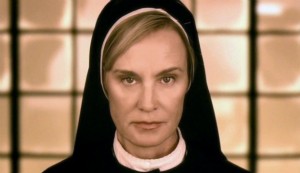
Lily Rabe is known best for her role in FX’s series “American Horror Story”. In the first season she played the character Nora Montgomery and in the second she played the devil-possessed nun, Sister Mary Eunice. As the show approaches the end of its second season, Lily took out some time to chat with Media Mikes about her character and her fate at the end of the season.

Mike Gencarelli: What did you find the most difficult part of your role this season?
Lily Rabe: Well, you know, I think some of the murders having sort of in those moments where she was just absolutely sort of in her completely taken over by the devil and throwing these actors around and slitting their throats and stabbing them ruthlessly and all of that sort of, you know I’ve been the victim a lot, so I’ve often played the person who’s getting raped or murdered or abused. And so to actually be raping and murdering and abusing people is a whole different kind of challenge and one that it was very difficult at times and sometimes I would sort of go home from work and just kind of stare at the wall for a couple of hours. But I can’t complain, because easily if whatever kind of knocks you out working is the kind of work that I want to be doing because it’s always those challenges that are the most exciting and the things I hope to get to keep doing in my work.

MG: How did you approach your role because I feel that the combination of comedy and horror and I’m wondering if the director somehow guided you on how to play the devil in your character?
LR: Yes, you know the truth is the way that I approached it really was to figure out before we started shooting the most important thing to me was to really figure out who Sister Mary Eunice was and not really worry about the possession or the devil because to me so much of what a possession is is specific to the person. So that to play the sort of dark side or underbelly of someone or their sort of shadow taking over it’s really about knowing who that person is before that event has taken place of this dark thing sort of taking over. So it was more about figuring out who she really was through and through.

MG: There are many different storylines this season, was there any one that was your favorite?
LR: You know my storyline with Jessica (Lange) was perhaps the most powerful to me because I think it’s sort of the most tragic in a way because it’s actually the one that involved the most love, even though there was a sort of, even though Jessica’s Jude is very cruel to Eunice in the beginning. I always believed that that cruelty was coming out of a place of love and a place of sort of seeing Mary Eunice as seeing her potential and knowing that she wasn’t living it. And so in a way that that whole where we started and where we ended up, that to me is probably the one that was the most sort of powerful; but I have to say all of, you know, my relationship with James and with everyone, everyone I got to sort of work with. I even had a great side plot with Spivey. Mark Conseulos is so amazing and it was such an abundance of amazing actors that you get a chance to work with while you’re doing the show.

MG: Was there anything this season that really has surprised you or threw you for a loop when you saw the episode completed for the first time?
LR: Well, there are certain points of things that are going to happen to you; but there was a lot of mystery and a lot of sort of you have to be constantly taking a tremendous leap of faith and just sort of staying present in the moment of whatever the scene is, because you don’t know exactly you know where that turn is going to end up or what the next episode is going to bring. You know you have these sort of landmark things that you know about, but within the sort of nuance of the storylines. There was a certain amount of mystery. I didn’t watch the show while it was airing because it was too hard to be shooting episode three or I mean the episode seven and watching episode three or however it worked out. My brain was getting really scrambled, but I had to wait till the season had wrapped because there is in the same way that the audience is being surprised, you know we were definitely getting our handful of surprises, too, that’s for sure.

MG: What was it like at the Asylum itself can almost be looked at as a character on the show. What was the atmosphere like on set to work in an environment like that?
LR: Right, I know it is a dark world to live in, but I think the thing that made it so, still so kind of wonderful and a place that I was excited to drive to work every morning and that was because of the people and the crew. It was a very close group of actors and the writers are very, it’s an amazing group of writers. I think Ryan has a way of when he’s at the helm he’s one of those people who just creates a great work environment. I think it’s so much about that person. The leader really has to set the tone for something and make everyone feel safe and he does that in such an incredible way and so everyone, although we were maybe working crazy hours and shooting crazy things, it was always a really nice place to go to work. And for me you know it was the first time I’d ever been, I’ve never done a show as a regular before and it reminded me a bit of doing a play in the sense that you go to the theatre every day and you have your dressing room. And you have the crew and the actors and so I loved that feeling of actually kind of having this family every day that was sort of new for me and very special.

MG: Was there anything that you guys did to break up the tension in between a scene that would be particularly intense?
LR: Oh well, I mean you know Sara Paulson is one of my best friends and has been for years. We already have a bit of laughing problem together, so I would say that that happened a lot. There was often a lot of that and Zach was learning the banjo and I was learning the guitar, so there were also little musical breaks, although he’s much better at the banjo than I am at the guitar at this point.

MG: Did you ever have times that it was hard to deal with the character because of the psychological heaviness of the role?
LR: Yes, but it sort of came with the territory in the sense that I think if you’re going to be; I feel that with all the great jobs or all the really, really great parts, you’re usually going to sort of dark and scary or painful places and that’s just part of it. Although it could be difficult in some way, it sort of comes with, it’s part of the job description I feel, so it’s nothing I would ever sort of want to say was a negative, even though sometimes it doesn’t feel great. It’s sort of to me it’s still part of the job description of getting to play a wonderful role and having to go through things like that. So I’m always very grateful for that even if it means I’m going to go have to kind of collapse in my bed for a little while or whatever or whatever it means.

MG: How far in advance did you know what your character’s fate was going to be? Did you kind of have an idea about that from the beginning?
LR: I had some sense, yes, I knew that she probably wouldn’t have a very happy ending, so I did have a sense and then sort of as we went along the specifics of how that was all going to happen became clearer as we went along.

MG: That scene almost seemed like kind of a relief for your character. Can you reflect?
LR: Yes, I think the death scene, the way Ryan and I really talked about it it’s really sort of an assisted suicide. Her situation really wasn’t survivable in the sense that even if they had done some sort of exorcism or something at that point, we sort of felt that whatever might be left of that girl was so damaged and destroyed and that death sort of became her only way out. Yes, playing that through once the possession happened that was such a wonderful challenge and a sort of dance really to live between with both the lightness and the darkness existing at the same time in that battle and then that losing battle really.

MG: Do you think you will be back for the third season?
LR: I have no idea. I can’t say a word. I’m so sorry. I know it’s such a boring interview sometimes with us at American Horror Story, so that I just can’t say a word. I would certainly love to be back that’s for sure. It’s such a great job.


Related Content

Milo Ventimiglia talks about Executive Producing and Starring in Crackle's Newest Original Series "Chosen"

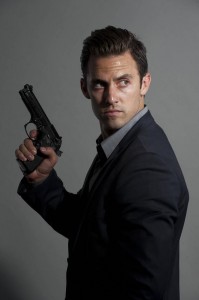
Milo Ventimiglia is the executive producer and star of Crackle’s newest original series “Chosen”. Milo is know for his work in TV with his playing Peter Petrelli on the NBC television series “Heroes”. In “Chosen”, Milo plays Ian Mitchell, a husband, father and lawyer who awakens one morning to discover a mysterious box on his doorstep containing a loaded gun and a photo of a stranger he must kill within the next three days. Ian quickly learns that if he doesn’t kill this man he will be killed himself along with his daughter who is being held hostage. A heart pounding thriller, Chosen features six 30 minute episodes which premiered on Crackle.com and all Crackle platforms Thursday, January 17. Media Mikes had a chace to chat with Milo about this new series and what we can expect with his character.

Mike Gencarelli: How you got involved in this project?
Milo Ventimiglia: I got a script from Ben Ketai and it was great. It was awesome. And I was a huge fan of his and I worked with Crackle before developing stuff and I was just like, these guys are great. And I kind of – into the digital space and what it affords creative types and what we get to do and play around with space and then enjoy its reach. So cool story, cool release, great character, yes, I’m in.

MG: What do you love about the viability in potential shows on the internet like Chosen and how that differs from TV or film?
MV: Man, I love the reach, you know, I’m just so excited about digital because of the reach. The actual releases sometimes some countries don’t get movies. Sometimes, they’re in and out of theaters, TV — maybe you don’t have the channel, maybe you don’t have pay cable. Maybe, you live in a remote part of the world that just doesn’t have what the network is showing or studio is putting out. Digital I kind of feel like anybody can access it, anybody can get to it. And for me being a part of projects like Chose, you know, working with Crackle and just being a guy who’s been in the digital space for kind of a long time now. I know it’s something that I’m going to continue to do and hopefully as it builds and the profile builds and people understand that, look, you’re going to get the same quality on digital as you can in a movie theater if you actually have a bandwidth for it then great, you know. So I love digital, I’m in to digital.

MG: What were some of the initial acting challenges steeping into the Ian role?”
MV: Wow. The initial challenges? I mean, first being a father. Like I’m not a dad myself yet, you know, I’ve got a lot of good friends with kids and a nephew and, you know, that’s all cool and exciting but I think that kind of real life – that weight of real life of having a daughter, having somebody you care about so much like they’re you’re blood. You and a woman created them and that fear of if they are gone, if they are taken, if they are missing. I think that was kind of the – the very first and foremost in my mind was Ian’s connection to his daughter and how strong that is and how much that propels him through the situation that – of the game of what he has to go through. As well as, you know, here’s a guy who works in a an office and he’s told to kill someone for sport, for a game. And it’s like how do you – you know, it’s a question that kind of comes up throughout the course of the show, I know Deidrch’s character asks it, Ian asks it. It’s like how can someone expect you to do that. So I think that – really connecting to that idea of the reality of it, just how much human beings really don’t have that instinct or want to do. That was something that I was trying to tap into like the reality of the situation and believe it and live it as much as I can.

MG: How Ian changes or evolves as the story progresses?
MV: Ian starts out a bit mild mannered. He’s a guy that works in a law office. He holds a pen. He wears a suit and tie and he kind of devolves and evolves into this man who has to act a little bit more on physical instinct given situations that come his way. If a guys coming at him with the silenced gun he’s got to run. If he gets shot he has to kind of fight back. As well as he still has to play that chess game with the people that are involved with the watchers — these watchers that are in control the game. I think it’s kind of a testament to who Ian is a human being where he is a rational, functioning in society man but at the same time he’s able to switch to an instinct that is maybe a little unnatural for people that are, you know, living in a world of suits and ties and writing with pens all the time and legal society. So I think for me it was an awesome arch that Ben gave me as an actor to turn into – to become this man who is really wholly trying to just protect his family by any means possible, you know. It’s like his discomfort at the contents of the box when you first meet him and then kind of throw a little comedy slant at how comfortable he is with the contents of the box, you know, a little later on in the show, so. Yes, I think for me it’s the evolution of who he becomes.

MG: How you go into the mindset of the paranoia?
MV: Wow. You know, a few years ago my mother asked me – I did this movie where I played a really, really deplorable person. The movie’s called The Divide. And afterwards my mother asked me if something happened to me as a kid that she didn’t know about. I said, “What do you mean Mom?” She said, “Well you were such an evil, horrible person, how – did something happen to you that we don’t know about?” I’m like, no, not at all Mom, I’m an actor, like that’s what we do. We just act. So I think the paranoia is it’s just kind of a like a matching your worst fears and playing to them. You know, I like to say let the wheels come off, see what happens, just go for it. I think at times actors are standing a bit naked with our emotions and we have to. We have to be able to stand there and deliver anything, you know, happiness, sadness, paranoia, fear, victory, you have to be able to allow those things to just kind of flow out of you. For me it was no different. The paranoia, I think is just like, all right, I don’t want to act paranoid. I’m just going to be paranoid, how’s that?

PHOTO CREDIT: Sony Pictures Television

Lizzie Brocheré reflects on her role in "American Horror Story: Asylum"

Lizzie Brocheré is currently playing the role of Grace in FX’s hit show “American Horror Story: Asylum”. She is known for her work in France with about 40 foreign films and TV roles under her belt. As the show approaches the end of the second season, Lizzie took out some time to chat with Media Mikes to chat about her character and what we can expect.

Mike Gencarelli: How did you first get involved in the show?
Lizzie Brocheré: Weirdly, I self-typed from France. I had no idea that I could get the part because it was supposed to be an American part. I did the audition anyway because I never felt safe and my managers here sometimes get mad because I never send anything in, and because also the process of the audition was so much fun. I watched the first season of American Horror Story and have been a big fan, and the audition for the part of “Grace;” it was two scenes. One was a scene taken out of Girl Interrupted, “Lisa’s” character. It was very, very out there. It was very provocative, a very strong character and very …. So that was fun, it was like, wow, what is that character that they’re auditioning for? The other scene was a scene from …, which was a masturbation scene, very provocative as well. I was like; I don’t know where they’re going with that character, but she’s wild. So I did the audition with my friend, and didn’t really believe in it, and then two weeks later I was in L.A. meeting Ryan Murphy … for five minutes and they were talking to me about the part … and that was it. It was amazing. and I didn’t even have a driver’s license.

MG: How do I get into my character to play Grace?
LB: There’s so many different ways, but I think what I worked on the most was that back story you heard, because when we started shooting, we already had the first four scripts, so I had the back story of Grace in the fourth episode. I think that since she was based on this American character, Lizzie Borden, I read a lot about Lizzie Borden. I discovered a source book with her inquest testimony; I loved reading it out loud. I thought she was so smart and strangely fascinating, that character. I don’t know if it helped my acting, but it was necessary for me to know a bit more of that character who was a very important American figure. I had no clue who she was, in fact, …for example. I did a lot of—this is going to sound weird, but I did a lot of stretching, yoga and dancing, almost ballet. I felt, you know, how she’s always–you want her to be moving in a very smooth maybe, and she’s very sexy, so you want her to be moving in a smoother way than I do. So that was a little job, and Grace, I don’t know she’s somewhere in me–apart from that big back story and all that; her sarcasm, her way of seeing life and that little liveliness she has. You know, how she always says amazing lines when you feel like she’s young little Tibetan monk. It wasn’t that hard to tap into her, apart from the killing of my dad and all of that.

MG: Can you tell us a little bit about shooting the murder scenes?
LB: That was so fun. We wanted to–I mean the whole crew was so happy to change my look, and they were really excited about doing some kind of flashbacks and knowing a little bit more about Grace. So everything, costumes and hair, for example, I don’t have the same haircut at all. They really wanted to show Grace as she was before the asylum, and everyone was really excited about that. The actual murder scenes, there was a lot of blood, a lot of different axes. I think we had six different axes that are still in the props office, and they’re all on the walls. You have one that’s a rubber axe, and then you have another one that’s a real axe, and you should never mix up with the other one. Then you have another one that’s a half cut axe, so that you can pretend that it’s in the body. You only have a part of it sticking out of the body. I mean we have so many different axes; it was funny. Then you have, for example, when I kill my step-mom, we have these effects guys that were behind the body of my step-mom … blood on the face each time that I hit her. There were so many people in that closet but it was fun.

MG: How you ever been spooked on the set?
LB: I did get the creeps. Yes, because the story was so dark and all these flashbacks that we shot. For example, when I hide in the closet, and it’s a fake flashback, but still, we did it for real, and I hide in the closet, and I dove back and I go back and I think that I’m saved and then there’s this foot with blood dripping on my shoulder right next to me. So realistic, so realistic. It was crazy. I couldn’t open the closets after that for a week at my place.

MG: How do you shake a show like this at the end of each day?
LB: I have very different ways–the crew, for example, is so much fun–I mean they’re totally disconnected from the cast. Joke with the crew when you get out of set, for an example, that helped me so much. Otherwise, in my day-to-day basis, it would be I guess, a bit of yoga. I go biking, read, watch shows, I go to music concerts. I’ve taken a lot of road trips since I’ve been here. I’ve been to The Joshua Tree. I’ve been camping on the Channel Islands. Each time that I have two or three days off, I’m off somewhere in California.

MG: The asylum itself feels like a character on the show, so how much does that environment help you get into a scene?
LB: It makes the scene. There’s no question about where you are. I remember one of the first days on the set when …–the first scene was something in the solitary, and I’d be visiting in the solitary cells. When you’re in that hallway with all the solitary cell doors; Ooh. You have no question of where you are. It’s such a particular asylum. It’s such a designed asylum. It’s such an interesting–I don’t know you can feel the whole weight of the metaphor that it represents, you know.

MG: What’s coming up for Grace in the upcoming episodes?
LB: What can I tease? So much is happening to “Grace,” poor “Grace.” I don’t really know. My character joins a storyline that I cherish a lot, which is the alien storyline, and that is something that I’ve been really looking forward to. I’m so happy about that because, first of all, when you move to the United States for work, which is what I just did, you have a visa where they call you an alien with extraordinary ability, but still that’s what I am right now. It’s strange, to be like right, in the administration system, you have a label which is a visa 01, which is for aliens with extraordinary ability; good Lord. So ever since I got a foot in the U.S. administration and moving to the U.S., I’ve been like, oh aliens; interesting. Aliens are immigrants. That’s interesting, what is an alien? So when I got the script everything kind of made sense in a way. This idea of foreigners–so I love being close to that storyline because I felt so much myself like an alien.


Related Content

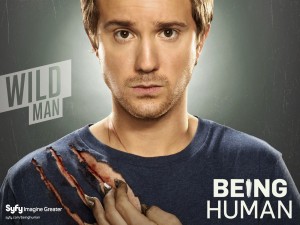
Sam Huntington reflects on season two of Syfy's "Being Human"

Sam Huntington co-stars in Syfy’s hit show “Being Human”, which returns this month for it’s third season.  He plays the character of Josh and is a werewolf that lives with a vampire (Sam Witwer) and a ghost (Meghan Rath). We spoke with Sam back in the very beginning of the show for season one, check it out here.  We got a chance to catch up with Sam again and got the scoop on the second season and what we can expect for the third.

Mike Gencarelli: Tell us about what you enjoyed most about playing Josh in season two?
Sam Huntington: I think for all the characters, it was great to see them go down their darker paths. As hard as Josh tries to do the right thing, sometimes that need to do the right thing forces him to do the wrong thing. So that was really interesting for me to see and play that aspect of him. As hard as he tries he just has these horrible flaws right down to the end of the season. So that was pretty cool. I also really enjoy the humor of the show.

MG: Each character seemed to go off on their own story in the second season, can you reflect on that for us?
SH: Josh is at his best when he is with Nora and with his roommates. Those are always my favorite moments. I think looking back I would have liked to be with those people more. I think in season three we are going to be put together a lot more so it will be pretty great.

MG: Do you feel that you have an creative freedom with the character now?
SH: I feel that I know Josh so intimately at this point. You are given these beautiful words to say, which sculpts the role. But then of course he takes on a life of his own now that I have been doing it for two years and going into a third. Put it this way, I think I know how Josh will react in every situation, which is super cool for me. I would say 99% of the time, the writers will nail it for his but there is that 1% when I have to chat it over and get on the same page. A lot of times they have reasons why I have to act in a certain way or do a certain thing. It is definitely a collaboration in that regard. We rarely have to intervene though, which is great.

MG: You parted ways with Nora and the surprise with Julia, no luck for you in woman department huh?
No he doesn’t. Word to wise for all those ladies out there who is curious about Josh the Werewolf…Don’t Do it! It’s a death wish. [laughs]. It’s just a bad situation. He is a wet blanket on relationships, trust me.

MG: How would you compare the two seasons production wise?
SH: I would say that season two was 100% more easier than season one. We ironed out a lot of kinks with everything…the make-up and the hours. The writers have figured out what works and what doesn’t. It is always process. You have to figure out what you are capable of doing. You want to always go right up to the limit but you obviously don’t want to kill everyone [laughs]. Season one nearly killed me. Season two was way smoother. I am hoping that season three is more of the same.

MG: During the first season when we spoke, I mentioned that I felt Josh bared most of the burden but in the second season it is more equally distributed.
SH: I think so. They were able to streamline a lot of the werewolf stuff  Beyond that also as far as the character goes but poor Josh just keeps getting hit and beaten down to the ground with the things he is dealing with. I feel so bad for the guy. He can’t win [laughs].

MG: Season two ended on cliffhanger, tell us what we can expect for this next season?
SH: When we finished the season we had no idea what was going to happen. We know now obviously since we’ve gotten the scripts. It is a great cliffhanger  What is the funny thing is that I don’t know if the writers knew [laughs]. I am sure they had a couple of ideas. At the end of the season everything kind of had their hands in the cookie jar, as far as what they wanted to see happen. They really want the show to be the best that it can be. The good news is though, now knowing where we go it is going to be SO awesome! It is such a great direction. I couldn’t be happier!

Betty White reflects on career and new season of "Betty White’s Off Their Rockers"

Betty White is a legendary TV icon, a seven time Emmy award winner and currently starring in NBC’s show “Betty White’s Off Their Rockers”. Betty and her posse of senior pranksters returned for season two of this series on NBC on Tuesday January 8th with special guests PSY and Kim Kardashian appearing in bits with Betty in two back-to-back episodes. Media Mikes had a chance to chat with Betty about her career and the new season

Mike Smith: You are a cultural icon. What keeps you going in the business?
Betty White: Because why quit something you’re enjoying so much? It’s such fun, and who would ever expect at 91 to still get invited to do shows. I mean, that’s unheard of, so if they don’t want me to do it, don’t ask me, because if they ask me I’ll take it.

MS: When you were first approached about doing this show, it’s “Off Their Rockers” with seniors doing pranks, did you immediately know you wanted to do it?
BW: No, I was not enthused about doing this. First of all, well not so much for the show but because my schedule just didn’t tolerate it, so I thanked them very much and said, no thank you. But they kept coming back, and it was a show that started in Belgium, and it was the most popular comedy show in Europe for a while. So when they invited me to do it, I said that’s very nice, but I just can’t work it in. And they kept coming back, and of course I had the backbone of a jellyfish, so here I am doing it, but I’m having a good time.

MS: What’s the best prank you’ve ever pulled, the funniest one?
BW: I’m not a real prankster. I love doing “Off Their Rockers”, because the other people are pranking, but I willmaybe kid my friends and say one thing or tell them something happened that didn’t really happen, but I straighten it out pretty fast. The trouble is you can paint yourself into a corner if you try too many pranks, you know?

MS: Can you reflect about the direction of TV today?
BW: Well, I think TV has changed, but I think the audience has changed more than anything else. The audience has seen every plot. They’ve heard every joke. They keep being a challenge, so the producers and the show people try to top themselves or get unusual and I think every once in a while, just a good old-fashioned straightforward television show, or a situation comedy suddenly hits the spot. It’s almost like something they haven’t seen for a while.

MS: How did you develop the sense of humor that you have and the love of laughter, and your amazing sense of comic timing?
BW: Oh, that was my mother and father. I was an only child, and the – we had the best time together. My dad was a salesman, so he would bring jokes home, but also he’d ask me how things went at school, and I would start telling him, and pretty soon we’d begin to make jokes about it, and it was a love of laughter at home that just was a precious commodity to have with your folks, and Sunday morning breakfast would last two hours sometimes when we all giggled and scratched and talked.

MS: Could you elaborate a little bit on how you think you have achieved the notoriety that you have, and what advice you can give for other women that are starting in the business?
BW: Well, bless your heart, I hope it’s fame, not notoriety, but I’ve been so lucky. I just can’t tell you how lucky to get to this age. Who would ever dream that you’d get to be 91 years old and you’re still working as much as I am? But I think it’s because I thoroughly enjoy what I do. I love this business, and I’ll quit when they ask me to, but as long as they keep asking me to work, I’ll keep saying yes, and it is such a privilege. I think women have come a long way over the years in being you know, coming into their own and roles that they get and in – well, in the whole business, and women executives and all that, but it’s a very lovely position to be in to be taken seriously as well as laughed at.

MS: Can you talk about what it was like to have Ed Asner on the show, and what you did together?
BW: Oh, it was such fun, and Ed and I stay very close. We’ve always adored each other. I don’t think we’ve ever said a nice word to each other, but we adore each other. You know that kind of a friendship. He always yells at me and I yell at him and lovingly. He did the show and when you work that closely together, somehow you fall into a pattern, and it’s as though you saw each other yesterday, even if a little time has gone by.

MS: What are some of the biggest challenges in making the show?
BW: Yes, well, let me answer the question. The challenges are to try to keep it fresh, to try to keep any semblance of freshness going. Well, after this number of years of all the shows and all the jokes and all the scripts, that’s the – a major challenge, so what you do is keep reworking the same old material and try to put a little new slant on it, and then with fresh people in the role, it’s amazing how long you can milk stuff.

MS: What type of attitude do you recommend for longevity?
BW: Oh, honesty. You can fool everybody else maybe that you know, but you can’t fool that camera. That camera will know when you’re faking it every time.


Related Content

Hollis Wilder talks about cupcakes and her new book "Savory Bites: Meals You Can Make in Your Cupcake Pan"

Hollis Wilder is the owner of Sweet! by Holly, which is a cupcake shop located in Orlando, FL. She is also a two-time Winner on Food Network’s “Cupcake Wars”. Besides running a successful business she also does a lot of motivational speaking and is releasing a cookbook in May 2013 called “Savory Bites: Meals You Can Make in Your Cupcake Pan”. Media Mikes had a chance to ask Hollis a few questions about cupcakes as well as her new book.

Mike Gencarelli: When you opened your store, Sweet! by Holly, did you ever think you would be where you are today?
Hollis Wilder: Absolutely not! But in truth I did not plan most of the incredible things that have happened in my life, personally or professionally. What I have gotten far exceeds what I was hoping for!

MG: How does it feel to rank in the The Daily Meal’s Top 50 Cupcakes in America this year?
HW: Always great to get recognition from media sources, but the most important confirmation comes daily from regular customers who like what we are making and keep returning to buy more.

MG: Besides cooking you also deliver motivational talks and presentations to colleges and companiesabout empowerment, success and personal growth; tell us about that side of you?
HW: I speak about how we all need to find our own, “cupcake,” whatever that might be. Trust your inner voice and not the white noise around you. Food is a vehicle for me to communicate what is of value to me and how I try to give back to my community. I try to share the information that I have collected during my own personal journey. I love nothing more than helping others find their own excellence and develop the courage to pursue it.

MG: How did you decide to become an author with “Savory Bites: Meals You Can Make in Your Cupcake Pan”? Can you give us a sneak preview as to what we can expect from the book?
HW: I was pursued by one of the top publishers in the country, Abrams. Savory meals all prepared in a cupcake pan. It’s all about creating homemade culinary experiences without sacrificing convenience. also, I promote what I call, living life in portions. Instead of dishes that have no beginning or end, like a casserole, I put meals in the perfect portion of a traditional cupcake pan. I am promoting use of the savory bites in our new concept potluxe dinners, a reconstruction of old-fashioned potlucks but with a cutting edge perspective on ingredients and portions. Lots more to come on this as we approach release of the book in May.

MG: What else do you have planning in the cards for 2013?
HW: If i think about all the wonderful projects on my plate for 2013, I get totally overwhelmed. I’ve learned to stay in the moment and do what’s in front of me and things work out. I wrote the cookbook while running a growing business and managing a family with two small children, so basically I was creating meals and testing recipes while everyone was sleeping. This year will no doubt bring more challenges, successes and failures, but in the end I am grateful for all the incredible opportunities I have been given to challenge myself to be the very best Hollis I can be!

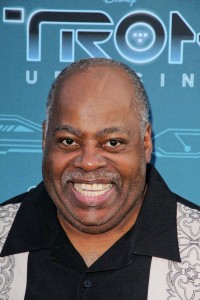
Reginald VelJohnson talks about his role in “TRON: Uprising”

Andrew Evans / PR Photos

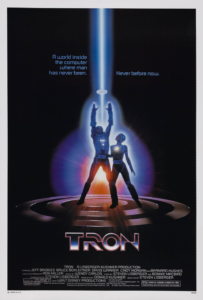
Reginald VelJohnson is best known for his role of Carl Winslow in “Family Matters”. Reginald is currently voicing the role of Able in Disney XD’s “TRON: Uprising”. In recent episodes, his character Able had a big reveal and has become a key factor of the show. Reginald took out sometime to chat with Media Mikes about his role and reflect on TV values since “Family Matters”.

Mike Gencarelli: What drew you to the role of Able in “TRON: Uprising”?
Reginald VelJohnson: I’ve always appreciated the animation and when I got the opportunity to audition for the role, I made sure that it was something that I was going to be attracted to. It’s the kind of role I usually play, the father figure and mentor to the programs in the grid. It’s essentially the character that drew me to the project.

MG: Can you reflect on the intrigue that is behind the “TRON” series?
RVJ: I think Tron is one of the first video games so it’s like the grandfather of the video era. Tron represents this everyman and comes across as something so powerful, like the computer. He lives through this world, and I guess people are fascinated by that concept, living inside this computer generated world.

MG: What do you enjoy most about Beck and Able’s relationship on the show?
RVJ: He’s the father figure and Able really thinks of all the individuals in the garage as his children and he cares for them and that’s what I think is lovely about the relationship between Beck and Able. It’s like a father and son type of relationship.

MG: In upcoming episodes, we find that Able has this unknown relationship with a powerful figure on the Grid; can you tell us about that reveal for you?
RVJ: Well, it was interesting to me to find out that he has an outsider relationship with this powerful character, and I think this relationship makes him more interesting.

MG: What is the most rewarding aspect of doing voice work?
RVJ: The hours; you go into the studio whenever you want to. You sit in a booth and do your job and you go home – it’s wonderful. I like that it gives you a chance to really explore your craft with your voice.
Have you completed the recording for the first season yet?
I believe we have, I think I did one last episode. I think the new season begins pretty soon but I think we’ve finished off all the episodes of the season.

MG: Also sticking with TV, you are recurring on “Hart of Dixie”, what do you enjoy most about playing Dash DeWitt?
RVJ: Well, he’s sort of a flamboyant character; he’s kind of elegant in a way. He has this cane and bowtie and he walks around the town getting into everybody’s business and telling everyone about the business. He’s a fun character so I enjoy playing that.

MG: After working on a show like “Family Matters” for so many years, how do you feel that TV values have changed?
RVJ: Wow. That’s an interesting question because I think that things have definitely changed since I did “Family Matters.” I think TV with all the reality shows and the hip-hop generation doesn’t focus on the meaning and feeling of a family – the real relationship between people. I don’t think people are too ready to sit down and watch that. I just hope that it comes back because personally, I think that the reality genre needs to die a slow death. I hope that the family type shows come back because I enjoy watching people share family values and loving relationships between each other. I miss that.

RJ Mitte talks the final season of AMC’s “Breaking Bad”

RJ Mitte plays the role of Walter Jr. on the hit AMC television series “Breaking Bad”. The show is currently in production on its final season and RJ took some time out of his busy shooting schedule to talk about his involvement with the show and how it has progressed over the last 5 seasons.

Adam Lawton: How did you originally get involved with playing the role of Walter Jr.?
RJ Mitte: I went through the audition process which consisted of 5 separate auditions. I did 4 in Los Angeles and then went out to Albuquerque where I had a screen test and an audition. All of this happened within a couple of weeks. I was at the auditions in Los Angeles while they were telling me to get ready to go to New Mexico. The next day I was on a plane and I had my audition in the morning. From there things just took off and I have been working on the show ever since.

AL: What was your first day on set like?
RJ: It was amazing! Before “Breaking Bad” I wasn’t really doing anything substantial. I was doing background work actually as I was learning at the time how to work on a set. I was still learning how everything worked, what a set does and what it takes to be on a set. I was just sort of thrown in and started seeing how everything worked first hand as a lead actor.

AL: What has it been like working with such a diverse and great cast?
RJ: It’s really awesome. We have a great cast and crew. I can only imagine how differently things would be if we shot the show in Los Angeles. A lot of what I know about acting comes from working on “Breaking Bad”. Brian, Anna and everybody have taught me so much. Just by watching them is so interesting as everyone has their own style of acting. It’s been an honor to practically grow up watching the show and getting to see how it all comes together.

AL: What has been your experience with the notoriety you have received since the show took off?

RJ: I never thought a show about methamphetamine would get so big. Being recognized is something that has definitely changed. It’s interesting because I never thought people would be coming up to me telling me they love my work. It’s really cool!

AL: What do you think has been the biggest change in your character over the course of the show?
RJ: The views Walter Jr. has of his parents have changed several times. That is something he has been back and forth on. Just the transition of his parents is a big thing. Walter Jr. is in a completely different world. He is your typical kid that is trying to go through life as normally as possible. It’s interesting to see how the writers write his transition from his parents because there have been so many ups and downs.

AL: Have you been able to provide input on the character?
RJ: Yes. For every script we always have input. The writers are pretty open about asking us as to how we feel about certain things. We have been really lucky to be able to do that and to be able to take our characters in to the direction we want them to go.

AL: Can you give us any updates on the upcoming season?
RJ: We are currently shooting as we speak. I just got done shooting the first episode and I have the script for the second. Things are going and it’s insane! There is just so much going on in the first episode that I am anxious to see the fans reactions.

AL: How soon do you get the scripts prior to shooting an episode?
RJ: Usually it’s anywhere from a couple of days to a week. It depends a lot on the shooting schedule. The scripts have become very tight because people have tried stealing them. The scripts are water marked now and at times I have to sign them in and out. So many people are trying to get scripts from the show. Ultimately that just ruins it for everybody when something like that happens. I can tell everyone that this season will be worth the wait.

AL: Do you have a favorite episode from the series?
RJ: I love everything that we have done. Weather I am in the scene or not I love what we have done. I am hoping to have a new personal favorite very soon. We shall see. I have certainly enjoyed my scenes with Brian. It’s been fun.

AL: What other projects have you recently completed or are currently working on?
RJ: I have a movie that was filmed awhile back coming out titled “House of Last Things”. I also just shot a small spot on “Vegas” with Dennis Quaid and Michael Chiklis. That was an amazing set to shoot on and it is really well done. I wasn’t killed off so I could possibly be coming back. I also am scheduled to shoot a film in France as well as Abu Dhabi. I am keeping busy and also looking for more work.

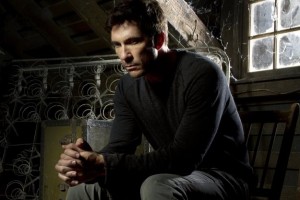
Dylan McDermott talks about his dark return in “American Horror Story: Asylum”

Connecticut born, Dylan McDermott was encouraged by his playwright step-mother to pursue acting as a career. He began his career on stage, doing both Regional Theater and Broadway, and made his film debut in the Vietnam War film “Hamburger Hill.” His first major role was that of Jackson Latcherie, husband to the doomed Shelby in “Steel Magnolias.” In 1993 he got his first major role, that of Clint Eastwood’s partner in the Secret Service themed film “In the Line of Fire.” Starring roles in films such as “Miracle on 34th Street,” “Home for the Holidays” and “Wonderland” followed. In 1997 he began a long run on the Emmy Award winning series “The Practice,” winning a Golden Globe for his work on the show as well as an Emmy nomination. He also headlined series like “Big Shots” and “Dark Blue” and now, after appearing last year, he re-appears on the critically acclaimed “American Horror Story: Asylum.” While preparing for a new story arc on the show McDermott took the time to speak with Media Mikes about his work on the show, what scares him and the difference between appearing in a remake or a sequel.

Mike Smith: What is the strangest thing that has happened to you on set, or personally, from doing this show.
Dylan McDermott: Well, I mean if you watched all the episodes, you know that I’ve had to do some strange things clearly, but that was part of the ride when I talked to Ryan [creator Ryan Murphy] about this show. Obviously the cry baiting and walking around naked, and now I’m playing a serial killer, is all in terms of doing American Horror Story, this is what comes with the dinner. So you just have to be up for it.

MS: As a show that not only really stretches your acting abilities but part of your personal fear factor is there any one fear that you would like to try to conquer by doing this show?
DM: Well, I think if you had any fears , you’d better not have them walking into this show because all your personal things are public. So I think that you really have to be not too shy to do a show like this, let me just put it that way.

MS: Can you tell us a little bit about your character and where you hope he ends up at the end of the season.
DM: Well, he’s obviously a troubled man, so where I hope he goes and where he goes are two different places But I think he’s got a sole purpose in life and really that is, he feels so scorned by his mother. Everything is about his mother. The reason he’s doing all these horrible things is because he was rejected so harshly by his mother, obviously aborted. His father was a serial killer. His mother aborted him and he still lives. So his whole trajectory in life is really about her.

MS: Can you give us a breakdown as to how you got involved in this show again? Were you looking to come back and what happened? Did Ryan give you a call and say, listen, I’ve got this sick, twisted character that I want you to play?
DM: Yes, we talked in the summer and he said he was looking for something for me to come back. I wanted to come back and we weren’t sure in what capacity. Then the day the show aired, he called me and said he wanted me to come back as the son of ‘Bloody Face,’ the modern day ‘Bloody Face.’ He just told me; I hadn’t read any of the script, so I knew nothing about it. It was sort of a blind call. When he told me the story of it, I was just like flabbergasted. I mean, I couldn’t get—because it was just so horrendous how this guy would survive and what he would become and who he was. I was just fascinated by him. It was so different from, obviously, ‘Ben Harmon,’ to come back to this same show with a different character. I just thought it was a great way to make television completely different from anything you see on television, because when do you get to play different characters on the same show.?

MS: Without giving too much away, can you tell us how many more episodes you’re going to be appearing in?
DM: I will be, I believe, in the next three out of four.

MS: I realize it’s early yet, but could you see yourself coming back for the third series, if Ryan came up with another big idea for you?
DM: Yes, I mean I love this show. I just think it’s just really—if I wasn’t on the show, I’d be watching it; so I’m a fan of this show as much as an actor on the show. So whatever—like I said before, I really trust Ryan and he has a great instinct with me. If he asks me to come back on, of course.

MS: Do you have a favorite type of horror story?
DM: I do like the Polanski stuff more than anything else. I mean, “Rosemary’s Baby” is still one of my favorite movies of all time. The idea of her being impregnated with the devil and all that stuff is just like so frightening and being in New York at The Dakota, it’s so scary. I’m going to work on a movie, actually, in February, called “Mercy from Jason” and there is a similar theme to “Rosemary’s Baby” in the movie. So somewhere I am attracted to that in a strange way, so that does scare me; the sort of demon baby, more than anything else. Like we had in the first season of American Horror.

MS: Since you like psychological thrillers a lot…the whole demon baby aspect, would you ever consider doing a remake of “Rosemary’s Baby?”
DM: No, because that’s a great movie. I don’t think you can—it’s like remaking “Psycho.” You can’t. Some movies you just can’t remake and that certainly is one of them. Some things should be just left alone—maybe the sequel to “Rosemary’s Baby,” but not the remake.

Rankin/Bass’ Arthur Rankin Jr. chats about his timeless Christmas specials

Arthur Rankin, Jr. is part of the duo team Rankin/Bass. He is a legend and does not need any introduction. Rankin/Bass created the timeless holiday specials “Rudolph, the Red-Nosed Reindeer”, “Frosty the Snowman”, “The Year Without Santa Claus” and “Santa Claus is Coming to Town”, just to name a few. Media Mikes had a once in a lifetime chance to chat with Arthur about his work and how it has and will continue to entertain generation after generation. This interview originally was posted March 2012 but I wanted to revisit this post for the holiday season!

Mike Gencarelli: Let’s start with “Rudolph, the Red-Nosed Reindeer.” Why do you think this special has become timeless after almost 50 years?
Arthur Rankin, Jr.: I really don’t have an answer to that. I think because it was the first special of its kind…I think that, in looking for something to watch for Christmas, parents put their children in front of the television. And the word went out that this was a nice show, etc., etc, etc. and so next year it had a bigger audience. And as the audience grew, so did the children that watched it. They grew up to become mothers. And they grew up to become grandmothers! And they also put their children and grandchildren in front of the television set. That’s been going on for all of these years. It’s a pattern. That’s why Disney keeps re-releasing it’s old pictures. Because there’s an audience. The theatre may have a child whose having his first experience with the film while his grandmother is having her fourth or fifth experience with it. And that’s what our audience consists of. It’s a memory of life. To many people, “Rudolph” means Christmas.

MG: Why did you choose to work with stop motion animation, which you refer to as “animagic,” as opposed to conventional animation?
AR: A trade delegation had come to America from Japan. There was one gentleman who represented the steel industry…another who was in textiles. And a third who represented their motion picture industry. The motion picture representative had a studio he wanted to promote. He asked a friend of his in Washington D.C. if he could be introduced to one of America’s foremost animators. And by mistake he was led to me (laughs). We got along very well. He had been born in the U.S. and after he graduated college he went back to Japan. We became close friends. He invited me to come over, look at his studios, and tell him what I thought. I did. I went over, toured the studios and saw an example of stop motion, which hadn’t been done in a long time and not in any great depth. I was very taken by it…I thought it was a new approach. Of course I got to re-design it but I used the technique. We started out making some short films and they turned out very well. I made a series that I syndicated about Pinocchio. And then Rudolph the Red-Nosed Reindeer lit up his nose. I lived in Greenwich Village at the time and my neighbor down the block (Johnny Marks) had actually written the song. I called him up and told him that there was a character there that would make a nice Christmas show. He was reluctant to do it at the time – do you know what ASCAP is? (NOTE: ASCAP is the American Society of Composers, Authors and Publishers. It is through this group that songwriters earn their royalties). “Rudolph” was a very successful song at Christmas time and he was afraid to jeopardize that income by doing anything with the song. I finally convinced him that the show would promote the song more. I took my idea to General Electric and they sponsored it. They put it on NBC for the first time in a spot they had used for “The College Bowl” – Sunday afternoon at 4:00. (NOTE: “The General Electric College Bowl” could best be described as the collegiate version of “Jeopardy.” It ran on NBC from 1959-1970). Now normally no one is watching television on Sunday afternoon at 4:00 but they were that day…”Rudolph” earned the highest rating of the week. And the rest is, “let’s have some more of those!”

MG: Your next Christmas project was “Frosty the Snowman,” which took a more traditional animation route. Why not stop motion?
AR: Because the subject lent itself better to the medium. Besides, by then I had several other films in production at my studio in Japan. I had no more room! We were into doing a feature in stop motion.

MG: You created so many great specials over the years. One of my favorites is “The Year without a Santa Claus.” Can you share any fun stories from that production?
AR: There’s a man who wrote a book about the motion picture industry. He said, “Remember one thing…nobody knows anything!” (NOTE: The book Mr. Rankin is referring to is “Adventures in the Screen Trade,” written by Academy Award winning screenwriter William Goldman. It is a must read for anyone curious about the inner workings of Hollywood). And it’s true. You never know when you’re going to have a hit. There was a time when you could put Barbra Streisand up against a curtain and have her sing and you’d have to lock the doors because she had so many fans. And then time goes on. It is true. In this business you take your best shot. That’s what I did. I rounded up all of the Christmas songs I thought could be made into a Christmas show…we acquired the rights to almost all of the ones that I wanted.

MG: In today’s world of television ratings are everything. Were these specials successful? Did any disappoint?
AR: All of them were successful in their original run. That’s why they’re still on the air today. Warner Brothers distributes them for me. All during the Christmas season they run my shows. And they pay for that (laughs). A penny here…a penny there.

MG: What has happened to the puppets, sets and props used in these productions?
AR: Well what happened is that after awhile those things wear out. They have wire armature inside…they have faces made out of plastic that has been carved. The clothes were made by little ladies but, just like people that work too hard, they fall apart. Of course we always had a couple of standbys waiting. I have here in my home Rudolph pulling Frosty on a sleigh.

MG: Besides time constraints, what was one of the most difficult aspects of creating these specials?
AR: When we did “Year Without a Santa Claus” we had to invent new characters. We had these two brothers, Heat Miser and Cold Miser. They just jumped off the screen and became cult figures. And we just came up with them one afternoon while designing the picture…”let’s do this…Mother Nature has two sons and they don’t get along…one’s in charge of heat…OK, put that in.” (laughs)

MG: How did creating your feature film, “Mad Monster Party,” compare versus working on the television specials?
AR: First off, it was the first time it had ever been done in a long time. Not since Abbot and Costello met Frankenstein. And I thought I would be able to take so many more liberties with the stop motion process.
I concocted the idea and then got a couple of boys from “Mad” magazine (Harvey Kurtzman, who created the magazine, and Len Korobkin) to write it with me.

MG: “Mad Monster Party” was showcased in Rick Goldschmidt’s recent book “The Enchanted World of Rankin/Bass.” How did you come to work with him?
AR: He called me one day. He had gotten an introduction from some one. And he was very knowledgeable. I usually don’t encourage people to do these things. First off, I can’t figure out why the hell they’re so interested. (laughs) But Rick had an awful lot of details. He sent me an outline of what the book would be like. He lives outside Chicago and I flew up to meet him. One of the rooms in his house is like a shrine. He had everything…things I had thrown out years ago. Old storyboards….he still gives me things he’s found that I had forgotten ever existed. He was very enthusiastic and wanted to do the book. So I told him “o.k.” but told him not to do the story of Arthur and Jules (Bass). You do stories on the pictures (the various specials/films). You have photos to go along with them and you’ve got a portfolio. He did that and it worked. It’s a great record of our work over the years.

MG: Have you ever considered writing your own memoirs?
AR: I’ve considered it because it’s been suggested before. But if I did it I’d want it to be straight…a lot of my old friends are still alive and what I might say about them wouldn’t be…(laughs)

MG: I read that you attempted to re-create “Mad Monster Party” using computer generated effects. What ever happened to that?
AR: We did. We made a test and it looked good. I went around Hollywood to the studios to see if they wanted to do it. Two of the studios said yes. But I was given to secondary people to deal with and I had to leave. It was no good. A studio will take your work away from you and do it themselves. They’ll rewrite. When I acquired the rights to “The King and I,” that was a very difficult property to acquire. I had to convince the families of (Richard) Rogers and (Oscar) Hammerstein that I knew what I was talking about. And I did. I wrote a script and they liked it. I was going to make that picture with my own investment with a co-partner in Japan. We were all set to do it. Then Warner Brothers calls up. They say “you don’t have to pay for it…we’ll pay you to do it for us.” “For us” meant here comes fourteen people that think they can do it better then I do. I’m not very proud of that picture. They changed a lot of the script and I was embarrassed for the Rogers and Hammerstein estate. (NOTE: The 1999 film, which was co-produced by Mr. Rankin’s production company, was both a financial and critical failure. The estates of Rogers and Hammerstein have since refused to allow any of their shows to become animated features).

MG: This coming year there are no less than three stop motion films being released, including Tim Burton’s “Frankenweenie.” Do you think this process will continue to inspire?
AR: You’d think there were a lot of people that could do stop motion but they just don’t exist. This is the tech age. Computer animation…those with a technical background find it much faster. Stop motion animation is a devilish job. I’ll tell you how we worked. We would have a figure…or a group of figures…on a stage in miniature. Each figure had a human person assigned to it. And the way you get it to work…the camera clicks off one frame…the human person goes up and changes the figure ever so slightly…microscopically. The camera clicks off another frame. The human person goes over and changes it again. If a character is lifting a glass to his lips, you may have as many as 250 “motions.” The human person didn’t have anything on a computer. He knew in his mind what he had to do. Just like as if he was an actor. And we’d have to finish the scene in one day. There was no taking a break or going home for dinner and coming back the next day. We would try to start a scene as early in the morning as possible because we knew we could be working late into the evening…all night if necessary if the scene wasn’t finished.

MG: Have you ever considered returning to the business to produce or direct again?
AR: Not this Christmas, but next, I’m going to do a play in Bermuda. Everyone asks me why I’m doing it in Bermuda. We have a wonderful theater here…the Town Hall Theater. It seats around 700 people. Much bigger then many of the off-Broadway theaters with great acoustics. And if I say I want to do a Christmas play they’ll throw open the doors for me. It’s wonderful to have such cooperation. And anybody who works on the play, both on and back stage, works for nothing. All box office proceeds go to whatever charity I choose. Everybody jumps in. It’s what keeps me kicking my heels!

MG: This interview wouldn’t be complete without asking if you have a favorite project and, if so, why?
AR: I don’t have a favorite. They’re all my children. I don’t want to sound self-serving but they have remained in the public’s hearts for decades. It’s like a great painting by van Gogh or Reubens. There work is still in the public eye…the public has recognized their work for centuries. Maybe the measure of success is longevity. Things that last must be better then things that don’t!

Mark Consuelos talks about role in “American Horror Story: Asylum”

Mark Consuelos guest starred this season on the hit FX series “American Horror Story: Asylum”, where he plays the role of ‘Spivey,’ an inmate at Briarcliff who we first seen during a rough encounter with another character. Mark’s character recently reappeared during the episode titled “The Origins of Monstrosity”. Media Mikes had the chance to talk recently with Mark about his appearance on the show.

Adam Lawton:  Can you tell us how you got involved in this part?
Mark Consuelos: Yes. I am friends with Ryan Murphy and he wanted to talk about this particular project. We had dinner one night and he explained the role and how ‘Spivey’ was going to look. We really got into the physical characteristics of ‘Spivey’ and he did warn me that he’s going to be a super dark kind of character, extremely demented, and for me I said, you understand that’s exactly why I would want to play ‘Spivey.’

AL: Were you allowed to give your own input in developing the character yourself, or did they have a certain agenda for you to work the character?
MC: I think that with most good scripts and good shows they expect the actor to bring some of their ideas and some of the things, the back story of the character, or just certain aspects, they expect the actor to do some of that stuff, and I think it’s always a good collaboration between the actor, the writer and the director to try stuff out during the process. I think what was really great is that people were open to certain things and they would let you know if that was something they wanted you to do more, cut that in half, do more of that, we need you to do this, but I feel like on any really good show everybody comes with their own stuff and you want to try as much as you can. I would say that the character was really clear in some of the things that he’d been doing and some of these actions, so it makes it easier for the actor. With this character there wasn’t really a lot of gray area here. They wrote him very specifically, which I really appreciated.  But just because they are very specific about those things, it doesn’t mean that it limits you. Actually, it makes those possibilities and some of your choices even greater.

AL: Would you say that you’re more of a fan of that type of direction, or do you like to sometimes havea little bit more defining in a role?
MC: No, I love the collaboration. I think every actor would probably say that it’s always a collaboration and if you ask directors they expect the actors to bring something. They don’t want to be thinking for everybody.  I think I enjoy this kind of – again, I think it was a hybrid of both.  There was a lot of collaboration but it was also very, very specific with an extremely specific views, especially from Ryan, on certain things that I thought were really good.  You have to have a specific view and you have to be pretty precise about that.  I think as an actor it’s always great to have a little bit of both

AL: What was the make-up process like for this role?
MC: It took anywhere from two and a half to three and a half hours, depending on what’s going on.  Whenever they say it’s going to take that long I’m like, yes, right, there’s no way, what’s so
hard about that.  But these guys are definitely artists.  They’re amazing at what they do. Just
getting it on and then once they get the stuff on the prosthetics, the way they go about touching
them up and painting them and adjusting them, like I said they’re really artists.

AL: With the show being so dark how do you protect yourself from taking that character and the tension of the storytelling home with you every night?
MC:
As dark as you think the stuff that you’re doing as an actor on that show is, once you watch it you’re like, oh, man, it could have been a lot darker, having seen some of the other things that people were doing.  And so I don’t know, I saw it as such a great opportunity that I literally had so much fun doing it and there was excitement about doing it, and I didn’t have that much trouble separating myself from what was going on, on set.

AL: It was just announced that the show is being picked up for a third season. Would you be interested in being on the show again for next season?
MC: Absolutely! It’s been so fun just to be part of it, the whole buzz around the show is exciting, and then when it actually starts airing people absolutely love it. I got extreme street credibility from my high school aged son, he’s like, “Dad, the fact that you’re in “American Horror Story” is absolutely cool.” I was like, “I’m not sure if it’s appropriate for you.” And he was like, “Dad, come on, I’m a New York City kid in high school”.

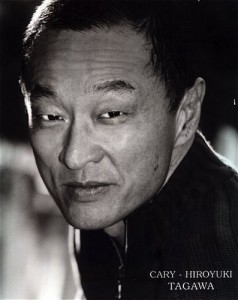
Cary-Hiroyuki Tagawa talks about ABC’s “Revenge” & “Mortal Kombat Legacy 2”

Cary-Hiroyuki Tagawa is an actor and martial artist that is known best for his role of Shang Tsung in 1995’s “Mortal Kombat”. This Fall, he joined the cast of ABC’s Revenge in the role of Satoshi Takeda replacing Hiroyuki Sanda, from the previous season. He is also reprising his role next year of Shang Tsung in the return of the wildy successful web series “Mortal Kombat Legacy 2”. Media Mikes had a chance to chat with Cary-Hiroyuki about those two projects and also his role as a healer.

Mike Gencarelli: Tell us about how you ended up replacing Hiroyuki Sanada this season as Satoshi Takeda in ABC’s “Revenge”?
Cary-Hiroyuki Tagawa: I got a call one day from my agent talking about the show. He was pretty excited. I personally had no idea about the show. I honestly do not watch television much. I have not actually been in one place in order to settle in for almost three years. When I got that call I was in Hawaii. So I sat down and watched the show. I thought it was a little bit complicated though if you haven’t watched from the beginning but I thought it was cool and plus it has Madeline Stowe. I was told that they were looking for a replacement for Hiroyuki Sanada. He and I actually recently worked on a film called “47 Ronin” and had a great experience. He is a fantastic Japanese action star. So I went back and watched a few of his episodes. I knew very clearly what the role entailed. It wasn’t anything deeply new and exciting but it was a standard role for an actor. Takeda is basically a good guy [laughs] and I have done many of those. But I am a good guy, so I figured I could do it.

MG: What was your biggest challenge for you stepping into the role this season?
CHT: The challenge for me was to make him interesting. The dialogue doesn’t usually change much. But personally, I like to throw in ideas and change it up a bit. I have always had some input into every character that I have played. Nobody would stop me from playing out an idea that was interesting. But you have to come up with something pretty interesting. Dialogue is the easiest thing to change and doesn’t cost them any money. I always think about the audiences. They always keep on watching the same kind of junk. The bad guy is mean and nasty and by the end, we know he is going to lose. It is a pretty given sort of structure. But for me, I tried and find a way that I can make it more interesting for the audience and bring something different. You can scare the hell of our people, which I think I have done with different characters. That would get people’s attention. For this role, Sanada played it very straight and to the point. Since he was a lot smaller than I am and doesn’t look so mean, I had to try and gauge how mean I could look playing a good guy. One of the things that I was excited about is that people only saw him playing that character for one season and how I can make a difference. One thing that I wanted to do was bring a different persona, so that when Emily was being her arrogant self that she wouldn’t get away with it with me [laughs]. I wanted you to see that at least in my eyes that I was a lot more intimidating. They encouraged me to bring something new to it.

MG: What approach did you take to improve this character? What can we expect?
CHT: I do not think that it would have been too difficult for them to at least explain that we weren’t the same person. I thought that it was sort of a rough transition for most of the fans. I could have been his mentor or uncle, something like that. I think there is still a lot more to discover for Takeda. It is just the matter of how long that I can hold my breath. I think there is an element the way that Sanada played him that did not account for a lot of mystery, in the very particularly nit-picky way that actors are taught to do. To be very specific, he played it very straight forward and with not a whole lot more intrigued for the character. I think that having played the bad guy so long helped me with this. I feel that bad guys are fighting something all the time. I think I am bringing a little more of that to the character and it leaves you wanting to know more about him. That is why in the way that I play him, I mix it up. At points, I speak with them more like an Uncle or Father and other times it will be different. I have tried to layer that in, given I have only been given three times this season so far to do it. I was intentionally from the beginning making that choice. The show is one break now but after the beginning of the year, I am not sure where the role is going to go. But I know it has only just begun.

MG: How did it come again with you reprising the role of Shang Tsung in the web series “Mortal Kombat Legacy 2”?
CHT:After the first movie, all of the character had made deals for the sequel. Only two characters, Liu Kang and Kitana ended up in the movie. So it was a great disappointment, considering the success of the first one. This was just a confirmation to me for to reveal the truth of some particular people that were part of that team. It played itself out in much bigger problems. When I saw that person for one of the last times, I said “May you get what you deserve”. When that was all over with all I could do was resign to the fact that playing Shang Tsung in the first movie would have been enough. Then when I heard about the first series of “Mortal Kombat Legacy” but I was’t involved with the first season. Kevin (Tancharoen) and I connected over Twitter and offered me the role of Shang Tsung in the second sesaon. Twitter is changing politics. This guy is an amazing director and just such a humble guy. He is about to direct his direct movie for $50 million for the third “Mortal Kombat”.

MG: Any chance you will get to you play Shang Tsung again in that upcoming feature film?
CHT: The difference between the time that I did that the first movie and where my career is in now is that I have some certain standards now. But it will all be up to the studio and the producers. I let them know from the beginning, I said I wanted to do it but I had a history of not being respected. I said told them I would leave it to them to be real and see how it goes. Let’s just say I am not doing the web series for the money. But just to be a part of the web series is great. I am excited about working with Kevin and I would like to work with him even away from “Mortal Kombat”. He seems to really understand actors, which is highly rare. He has a place in Hollywood. I actually met his father back on the film “Rising Sun”. In fact, I had actually met Kevin as well, when he was 5 or 6 and he told me that he has a picture of me from back then. But for right now, I am very excited about the web series and the possibility of being in the feature.

MG: Tell us about your role of a healer, in addition to acting?
CHT: One thing that I have been enjoying talking about is that I am healer. You have probably never heard of an actor saying that…but I am a healer. I was a healer before I came to Hollywood. Hollywood is my day job and my greater purpose is to bring this particular system of healing to the world. It is something that I have been working on for over 30 years. I credit it to my father, who I didn’t know very well growing up. But I feel like when he passed, he passed on in spirit this healer gift. I consider it a gift and I am further developing it. So I want to dedicate this system to him. It comes from an understanding of breath. When you say breath, it is interesting to see people’s reaction since they start breathing deeper. It is funny and when I say posture, they sit up straight [laughs]. I have always been very observant of people’s behavior. Those are two things that should be second nature to us but our society has neglected it for so long. To bring this forward now, I know it is going to resonate with everyone that hears it. Then how far and deep they get into it after that obviously has yet to been seen. This is not based on any system that I have studied. The theories come from the principles martial arts, in terms of posture like the horse stance. There are others systems like Qigong that focuses on breathing. This particular form has nothing to do with fighting. I am calling it Martial Healing.

MG: Tell us about what can we expect from this system?
CHT: There is a lot that we can do to keep us out of harm’s way and prevent the breakdown of the body. This system begins with teaching about breathing and how it can greatly aid in that process. This would focus on breathing and the principle of moments and how those two can affect the body. I have worked with athletes and martial artists also and have gotten great results. I am coming from a place of developing something rather than just taking knowledge of an ancient system and repeating it. It is a new understanding with a new system. I bet you didn’t expect that from the actor that played Shang Tsung [laughs]. You can find out more at ShangsArmy.com

Corri English talks about her role in FEARnet’s “Holliston” and Season 2 plans

Corri English is the star of FEARnet’s “Holliston”, created by Adam Green and Joe Lynch. The show completed it first season this summer and will be returning for it’s second in 2013. Media Mikes had a chance to chat with Corri about her role on the show and the plans for season 2.

Mike Gencarelli: How did you end up on the show “Holliston”?
Corri English: I had worked with Adam a couple of times. I did a series of holiday claymation webisodes he did for American Eagle. The series was called “Winter Tails” and he had me do some voice work on those. Shortly thereafter Adam was doing one of his infamous Halloween shorts and needed someone to fill in for Daniel Harris because there was a scheduling conflict. We had a great time doing that and became friends. “Holliston” has had a couple of incarnations so when he first started putting that together he brought me on board to do the show. It was really exciting to work with Adam again and see the show come to life as I had been attached to it for about 2 years prior to shooting.

MG: What do you enjoy most about your character and how does she relate to yourself?
CE: I know Adam pulled certain parts of our personalities in to the story. He made my character an aspiring country singer. I am actually a country singer. For the audience I know things are a little bit blurry because we all have our own names. At times they may not know where the characters end and where we as real people begin. I feel like anything on the show can happen and that is something that I really love. Initially Adam told me about the role and how I would be the girl that was always breaking his heart and that the audience would probably end up hating me. However, until that happens though they are going to torture me. (Laughs) I think in season 1 Adam found out I was up for anything and has really ran with that in season 2.

MG: What do you think it is that makes the show work?
CE: I think for fans of horror there are tons of those references going on within the show. Also though for people who may not necessarily be horror fans there is a whole lot of other stuff going on. Adam did such a good job of creating characters that I am sure everyone can relate to at least one of the characters on the show. I think there is so much heart and real life emotion going on that it makes the show interesting. There is a lot of reality in the show.

MG: What was a highlight for you of season 1?
CE: Laura and I had so much fun with the market basket episode. That was something that came out of rehearsal and Laura not being able to say those lines as English is not her first language. Sometimes little quirky things would come up and she couldn’t tell the difference. They would just let stuff like that go on forever. There were a bunch of really great guests on the first season as well. Tony Todd was great and also getting to meet John Landis was awesome.

MG: Can you give us any updates on season 2 of the show?
CE: We just finished filming. We shot most of the show on sets here in Los Angeles however for the last episode we actually shot in Holliston, Mass. We finished up with a found footage episode so we are running around the woods “Blair Witch” style. It was a fun way to wrap up the season. I am really excited for fans to see the new episodes because it dives much deeper in to the characters and their relationships. When we got done with the table read we were all laughing and crying. There will also be an animated episode this season as well as a holiday special which bridges the gap between the 2 seasons.

MG: Can you tell us a little about your band Broke Down Cadillac?
CE: We are a country/rock band that works out of Nashville. We have a ton fun doing it and we also have had quite a few opportunities to write songs for television and films. It’s really great when I get to put the singing together with the acting. I get to sing one of our songs on the show this year which I am very excited about.

Jessica Lange chats about her role in “American Horror Story: Asylum”

Jessica Lange played the role of Constance in “American Horror Story” last year and ended up winning both a Emmy and a Golden Globe for her role in the show. In “American Horror Story: Asylum”, Lange is back and is playing the role of Sister Jude, with an even darker past. Media Mikes had a chance to chat with Jessica Lange about the role in the show and her feelings on this season.

Mike Gencarelli: I think in the first season the scares were certainly slightly more supernatural and this one it’s more real, serial killers, and far more bloody.  What effect do you think that has on the audience for “American Horror Story: Asylum”?
Jessica Lange: I think it’s darker.  I think the whole story is darker this time.  It deals, I think, on a much darker psychological level.  You’ve got human experiments.   I think in some way last season was a ghost story, and this season it really is the darker parts of the human psyche that Ryan is exploring.  I think the affect is that it’s hard to watch, I hear that from people a lot.  “I can’t watch it, it’s too horrifying,” or whatever.  I don’t know, I think you have to strike a balance.  I think this season became darker than anybody anticipated, just because of the subject areas that they laid out in the beginning, I mean, the thing with the ex-Nazi SS doctor and human experiments, and the serial killer based on this character Ed Gein.  Yes, the warehousing of human beings in these institutions, madness, I mean, yes, there’s a lot of subjects that they’re covering, the Catholic Church, that lend themselves to great horror stories.

MG: Can you reflect on the difference between your characters from the first season, Constance very much seemed to be the puppet master, but in the second season Jude is fast becoming our very complex hero as the season develops.  How different are Jude’s intentions to Constance’s, and what did you really want to bring to Jude that you may not have been able to do with Constance?
JL: I think “puppet master” is a very good description of Constance.  The thing that I found, kind of the spine of the character of Constance, was that this was a woman who had basically lost everything and had nothing left to lose and also was extremely, what can I say, unafraid, so she just manipulated her way and put herself in situations that probably other people would not have.  With Jude she has a lot to lose because she’s holding on to something that she feels has saved her life and redeemed her, and then when it all becomes clear that everything was false, from the idea that she did not run over and kill this child, which is what sent her on this whole path, trying to find some kind of life, some redemption, some spiritual life, that when she discovers everything is false from the beginning, there’s a descent into madness that is completely different and for me much more interesting to play. I thought Constance was a wonderful character, she was kind of a throwback to the ’40s, kind of tough dame, sweet talking but with a real edge, she did not suffer fools, nothing went past her, she had a way of moving through everything and getting what she wanted.  This woman is much more vulnerable and I think in some way tragic.  She’s destroyed her life.  She’s an addict.  She’s an alcoholic.  She’s had bad luck with men, a lot of bad men in her life.  And she’s come to the end of the road with the hopes that this church, that this man, the Monsignor, is going to save her, that she’ll become something else, that she’ll make her life worth living.  And of course that all comes down, crashing, and she’s left absolutely alone, completely and totally alone, and those are two things I love playing because you also find them in Williams’ characters, the thing of aloneness, the idea of being completely alone in the world and couple that with madness, and it’s a really potent combination to play.

MG: Do you want more challenges in your “American Horror Story” tenure? Is there ever times you feel it goes to far?
JL: Well, there are times when I’ve said, “I think this is too much,” but that’s not been too often because they tend to write for me less action and I don’t know, maybe more kind of psychological.  But that’s been better.  I wouldn’t really know how to do a lot of the really intense action scenes, so I have a few of those but not many.  I think there was a leap of faith on my part just thinking, well, if I’m going to do this I’m going to do this.  And I think as an actor you have to have trust, you have to believe that somebody is taking care of you or watching your back, because with a part like this especially and where we’re going with it, I can’t pull any punches, I can’t do it halfway, especially when you’re dealing with madness and this descent into madness, and I really felt like, okay, I’m going to embrace this 100% and hopefully somebody will look out for me and not let me completely humiliate myself. Yes, it’s combined. I’ve never worked this way before where it’s so fluid between the creators, the writers, and me.  Usually you get a script and it’s there and it’s start to finish, and this kind of evolves and morphs as we go along.  I do have more input, but then there are of course limitations within the structure of the whole story and the trajectory of where it’s going.  But it’s been interesting.  It’s been an interesting challenge.

MG: Since you have a background in photography, have you ever collaborated with the DP or ask questions or have an opinion about the visual layout of the show?
JL: Well, I’m very curious about the way it looks, yes.  I always watch cinematographers on the set because in some way I think having spent 30 years making movies, maybe it’s 35 now, I think I’ve been informed in my photography by filmmakers, by the cinematographer, so that I’m drawn always, when I take a photograph what prompts me to lift my camera and click the shutter usually has a great deal to do with setting, with lighting, with the choreography, the grouping. So I think that, in fact I’m just looking now at the wall, I’ve got all these little 8x10s of Day of the Dead, I was there in Oaxaca just a month ago, and yes, it has a very cinematic feel to it.  And I think because I’ve been doing movies as long as I have, that one lends itself to the other.  I understand, and I’m very curious, about how you light specifically for dramatic emphasis.  And I think Michael Goy in this series that we’re doing is a master at that.  He really does an amazing job lighting this show.  Yes, it’s amazing to watch him do it and to create the emotions.  And through the ambience, through the lighting, right away you have an instantaneous emotional reaction before the scene even plays out.

MG: Which actor have you enjoyed working with most this season?
JL: One of my favorite actors that I worked with in these episodes last year and this year is Frances Conroy.  There’s just something in her, I don’t know there’s something, when we’re on screen together something happens.  I think one of my favorite scenes that I’ve played this year is the scene from, I guess it was Episode 7 in the diner when she’s come for me as the Angel of Death, and I don’t know, there’s almost a connection that you can’t really describe.  But certain actors I think just find something when they’re working together, and that’s how I felt in these scenes with Frannie.  But every actor that I’ve worked with on this, I mean, James, Sarah, and Lily and Ian, it’s just a pleasure to work with them.  And even actors who come in for just a day’s work have been amazing and have really brought something and make your work better.

MG: Tell us about your plans to return for a third season?
JL: Well, we haven’t really talked about it too much, and all that stuff is still under discussion.  I think I will try it again, depending on what the story is and who the character is and all of that, so we’ll see what happens. I’m just exhausted from this whole experience.  And this season, it seems like it’s gone on forever and I really don’t have a thought about next season yet.  There’s a lot of stuff that will come up, but as of now I hate to say I haven’t given it any thought whatsoever.

Copyright: MediaMikes.com © 2012 · Powered by: nGeneYes, Inc. · Login

All logos and images used on this website are registered trademarks of their respective companies. All Rights Reserved. Some of the content presented on our sites has been provided by contributors, other unofficial websites or online news sources, and is the sole responsibility of the source from which it was obtained. MediaMikes.com is not liable for inaccuracies, errors, or omissions found herein. For removal of copyrighted images, trademarks, or other issues, Contact Us.