
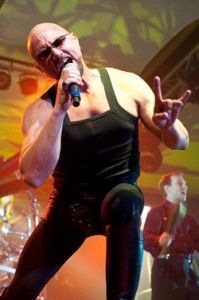
King of the ‘Rÿche: An Interview with Queensrÿche’s Geoff Tate

While standing outside of the Orlando House of Blues’ green room waiting to interview Geoff Tate of Queensrÿche, three musical things can be discerned: the sound check of the opening band, Geoff doing some pre-concert vocal warm-ups and – very faintly – the calming strains of classical music.   It’s an interesting mix of stimuli to be sure.  When Geoff completes his exercises, he’s ready to talk – which is amazing given that Queensrÿche’s sound check went for an hour more than scheduled and that the band has less than two hours before they have to take the stage and deliver the goods to a packed house.

Tate’s look has changed many times over the course of the 30 years he’s been with the band.  Gone is the coiffed long black hair that appeared in the videos for “Silent Lucidity” and “Jet City Woman” from the band’s hugely successful 1990 release, “Empire”.  These days, Geoff is sporting a bald head and a pencil-thin goatee that cause me to immediately conjure up mental images of Ming the Merciless and Anton LaVey.  But Tate’s demeanor is far from threatening and certainly not in any way demonic.  For a singer known for his ability to carry high-pitched metal wailings, his deep voice is one that is surprisingly soft-spoken.

The green room’s two plush couches upon which he and I sit are rather relaxing – as is the Debussy that continues to softly play from his iPod’s dock’s speakers, something that will remain a constant throughout our conversation.

Well…at least for half of it.

Dave Picton:  So you’re on your 30th anniversary tour.
Geoff Tate:  Yeah.  The end of it.  There’s the show tonight and then we have two shows on the boat and a show in Clearwater. Today is kind of a hectic day because we’re getting ready to go on a ShipRocked Cruise.  Certain equipment goes and certain things stay, you know?  We’re playing “Mindcrime” on the boat, so we’re rehearsing it now because we haven’t played the whole thing in quite a few years.

DP: The band has largely been the same group of guys that you’ve been working with since 1981.
GT:  Yeah.  Four out of five.

DP:  As you look back are there good memories?  Not so good memories?
GT:  Oh yeah, there’s both. Lots of both.

DP:  After a bunch of concept albums that you released within the past decade or so, such as “Operation: Mindcrime II” and “American Soldier”,  the latest new album, “Dedicated to Chaos”, finds the band going for straight-forward singles-oriented songs that often have new technology as a central theme.  What’s your take on technology?
GT:  Oh, it’s fascinating.  Very fun.  It can definitely be something that sidetracks you from a lot of things and definitely takes your attention away from a lot of other things while you’re figuring out the latest gadget.  A lot of really good things like studio stuff and recording equipment and all that has gotten really modular and now you can take it anywhere you want and record in rooms like this and airplanes.  We do a lot of work all on computers now   It’s great.  You can really sketch out an idea.  It helps in the studio in terms of composing and coming up with new stuff and making demos.

DP:  When you record demos now, how far are you going with the song?  I know that it used to be that it would be fairly crude like when Buck Dharma of Blue Öyster Cult recorded the “Don’t Fear the Reaper” demo, he was playing drums on cardboard boxes. Now you can have a demo be pretty close to what the final cut is going to sound like.
GT:  Well, sound-wise, you can get really close.  But working with the other guys in the studio is a whole different thing.  Personally, in my opinion, songs turn out better when everybody’s playing together.  There’s a kind of synergy that happens with the musicians and you take an idea a lot further along when you get other people involved.  You can take it on your own and get good sounds but you don’t get the really cool performances and the particular thing that they do.

DP:  “Operation: Mindcrime” has very much become heavy metal’s “Dark Side of the Moon” in terms of how timeless it truly is.  As of late, it’s also become very timely with events that are going on right now.  For example, there are a bunch of videos on YouTube of “Mindcrime” songs that feature photo montages of Occupy Wall Street.  What’s your take on the relevance of those lyrics to this cause?
GT:  Well, the movement is really interesting. Over the last couple of months, every city we’ve gone to, there have been protestors everywhere.  Thousands of them, not just a handful, you know?  The news likes to say that there are a lot of angry people out there – and rightly so.  It’s getting pretty tough to make a living these days in this country.  It’s a massive complex issue and there’s no simple answer to it. But it’s kind of what’s happened because our country is built on business and commerce.  That’s our culture, really.  And those things mean competition which wastes the other guy to get ahead.  If somebody can make more money selling jobs to overseas workers, they’re gonna do it if there’s no law that says they can’t. So that’s what’s happened.  We’ve sold all of our jobs and our manufacturing to other places and what have we got now?  We have a nation full of people that are trained for the service industry which is great but now that people aren’t spending money to go out and eat dinner what are you gonna do then?  Every action has a reaction to it. People think it’s fine to download music.  Well, downloading music has gutted an industry.  Where 10 years ago there were 50,000 or 100,000 people employed by the record industry, now there’s 3,000.  The industry is failing and the money is gone because somebody thought it was OK to steal the product.  You can’t fight that now that we’ve raised a generation of people who don’t see anything wrong with it.  In fact, I think they just passed a law that says file sharing is legal now.  Great.  Thanks.  Now you can steal my work.  Where does that end? It all affects everyone else, you know? So all of those people that are out of work in the industry now don’t have a job where they can go and pay to get their car fixed, so the mechanic is short on work now.  And because he’s short on work, he can’t buy the groceries he normally would buy at the grocery store so now the grocery store is hurting.  It all affects everything.

DP:  A domino effect happens.
GT:  Exactly.  It’s a massive massive problem that nobody has an answer for.  It’s something we really have to look at and study and maybe change the way we think and the way we do things.

DP:  I think fundamentally that’s one of the core things on which the movement is based.
GT:  Yeah. I think that’s probably at the core of what a lot of the protestors are talking about – at least the ones I’ve talked to.  There’s a lot of people who don’t know what they’re protesting against so they don’t know how to define it or verbalize it but there’s a LOT of people that do.  It’s an interesting movement.  There’s a lot of anger and frustration that it’s based around and when people get angry and frustrated, violence happens.  So we could be on the brink of something pretty major here over the next few months I would guess.

DP:  It seems to be growing.
GT:  It is. We’ll see where it goes.

DP:  Anyways, back to some music questions.  If I snagged your iPod and I hit random, what would I hear?
GT:  Well let’s look. [reaches over to turn off  his iPod and remove it from its stereo speaker dock]  We were just listening to Debussy.  Artists or albums?

DP:  Let’s go with artists.
GT:  I’ll start at the top. [calls up his artist playlist]

DP:  Wow. All over the map.  America. Aerosmith. Beck. Benny Goodman. Black Sabbath. Brian Setzer. Frank Sinatra. Candy Dulfer.  Awesome saxophone player!  There’s actually quite a lot of saxophone on the new Queensrÿche album.
GT: Actually, there’s been saxophone on every album since..uh… “Promised Land” I believe.  Anyway, as you can see, there’s a lot of variance here on my iPod. [laughs]  Do you know of Erykah Badu?

DP:  I do.  I love her song “Next Lifetime”.
GT: She’s one of my favorites.  And we’re just halfway through the list! I’ve got a lot of stuff.

DP:  You’re not kidding! John Lennon & Yoko Ono Plastic Ono Band. Miles Davis.  Diana Krall. I’ve noticed there’s quite a lot of jazz.
GT:  There’s a lot of jazz on it.  A majority of the stuff on here is old jazz.

DP:  But certainly not exclusively.  Neil Young.  Moody Blues.  Loreena McKennit.  I’ve seen her live.  Absolutely amazing show.  Pink Floyd.  Sade.  Yes.  I just interviewed Jon Anderson and Rick Wakeman a month or so ago. Man…the list goes on and on.  And – but of course – Queensrÿche.  In the near future, what might I see on your Pod in terms of those guys?
GT:  [laughs]  I don’t  know.  We don’t really have a plan right now.  Honestly, this has been a really long tour and everybody’s just kind of burnt out right now.  It’s probably just time to get home and chill and recharge the batteries.  And then we’ll start talking in a couple of months about “Oh, do you wanna do something?” and we’ll see what happens.

Interview with Jeremy DePoyster

Jeremy DePoyster is the rhythm guitarist for the metal-core group The Devil Wears Prada. The band recently released a new full length album titled “Dead Throne” via Ferret Records and is currently on tour supporting the album. Media Mikes caught up with Jeremy to talk about the new album as well as about the bands new iPhone app.

Adam Lawton: What can you tell us about the band’s new album “Dead Throne”?
Jeremy DePoyster: The album is not so much a reinvention of the band but more so a rediscovery. The album still fits in the mold of our previous releases while at the same time being a progression. There are some slower songs on this album which is a different sound for the band. I think the album is fun and heavy.

AL: Did you guys try any different approaches during the recording process of the album?
JDP: Yes. We pretty much did everything differently than we have in the past. A majority of the songs are written by our other guitarist on his lap top and we take them from there and re-work them. However we on occasion do write material together and jam on it as a group. That was what we did more so on the new record. All of the song structure was done ahead of time and by the time we were ready to go into the studio we had demo tracks for every song to use as reference.

AL: How many tracks did you guys go into the studio with?
JDP: The 13 songs that are on the record are what we took in with us. We had one song that wasn’t quite done yet but that was scrapped prior to pre-production. We knew going in that all the songs we brought were going to make it onto the album.

AL: How do you think the band has evolved since your first recordings?
JDP: I think it’s natural for everybody to progress as musicians. When we first started the band I was 18 and I am 24 now. I think we all have become more proficient at our instruments but also at how we approach songs and textures. For me I play a lot differently than I used to.

AL: How do you think this album stands out above those that have been released recently who are in the same genre?
JDP: I think you can see passion and reality over imitation. It is flattering to see a group of bands that have almost carbon copied what we have done as a band but, at the same time it’s not offering anything new to the musical world. I think that’s really the difference. We aren’t writing to sell records or make a career. When we started this band there was none of those things. We started the band to have fun and the other stuff just came along. I think that makes us stand out as well as the maturity of our material.

AL: Do you have a favorite track off the new album?
JDP: It depends on the day. Playing the songs live has also altered things a bit as well. I really like “Born to Lose”. I think that song is a good representation of who we are as a band. I also like “Chicago” because I wrote a majority of the guitar heard on that track. It’s a really personal song and is something we don’t normally have on our albums.

AL: Can you tell us about the “Zombie Slay” app?
JDP: We just released that a few months ago prior to us leaving for Australia. We have talked about doing something like this for a long time. Dan our drummer was really into the idea of having an app and having that communication with other I device users. All the other stuff out there we felt was just dull and boring. We wanted to make a game that would be super rad and could stand alone outside of the band. Over the past few years we have really taken control of what comes out of the band. We really try and have quality control over our products. We didn’t want this to be something a manager got on and tried to sell our fans tickets. We wanted this to be awesome! The guys did a really great job with it and the band was really involved with the testing process. (Laughs)

AL: What are the plans for the band the rest of this year and into 2012?
JDP: This tour that we are on now is really what is left for this year. This is our first big U.S. North American headliner in quite some time. We will be finishing this up soon as we have a lot going on planned for next year. Nothing has really been announced yet but everyone can be looking for those announcements soon.

Interview with The Great Commission’s Justin Singh

Justin Singh is the lead vocalist for The Great Commission a faith based metal-core band hailing from Redlands, California. The band released its second album in July of this year titled “Heavy Worship”. The album was produced by Andrew P. Glover and is being released via Century Media/ANGR Records. Media Mikes had a chance to talk with Justin prior to the bands performance in Syracuse, NY about the new album and the bands upcoming plans.

Adam Lawton: Can you tell us about the band’s latest release “Heavy Worship”?
Justin Singh:  “Heavy Worship” was released in July on Century Media/ANGR records. It took us 2 years to write this album. We had received a lot of labels offers after our contract had run out with Strike First/ Face Down records but, we were really waiting on god to pick the right label for us. During that time we were just writing music and lyrics that we felt would represent the band. We took time and sat down with every song to figure out what it was saying. We wanted to make sure that the music on the album was just as heavy as the message. That’s the reason we titled it “Heavy Worship”

AL: How do you think this album compares to the bands previous release?
JS: I feel like this album is more of us. The first album was written with the idea of what would we want to mosh to in heaven. It was of just a fun album that had lyrics that glorified god and was just heavy. With “Worship Music” we took the same concept as with the first album but we upped everything. The lyrics on this album are not just lyrics. We wanted the album to be catchy but we also wanted the songs to have meaning and to show that we live the lyrics that we are writing.

AL: What led you guys to sample lines from “The Boondock Saints” and “Dawn of the Dead”?
JS: It will probably sound weird but I feel god speaks to me through movies no matter what the films beliefs. I get so into movies that I start to put myself into the situations. I loved the line in “The Boondock Saints” where Norman Reedus’s character explains why they do what they do. Instead of taking it in the literal sense I took it as there are a lot of evils in our life that need to be killed in order to better ourselves. The other clip was from George Romero’s film “Dawn of the Dead” and I feel that sometimes as people we become dead inside. The first line of that song is “wake up” and it’s about waking up this generation from its mundane life. It’s almost like going from being dead to alive.

AL: Do you have a favorite track off the album?
JS: That’s a hard one. It’s a tossup between “Don’t Go To Church, Be The Church” and “Draw The Line”. Both of those songs mean a lot to me for different reasons. “Don’t Go To Church, Be The Church” is awesome because I feel like from a Christian point of view in this culture were involved in it’s easy to say “We are waiting for revival”. We as people are revivals so the song is about breaking down the walls and the mentality that a church is a building. We can have church really anywhere from a venue parking lot to riding in a car. We can really talk about things anywhere. We don’t have to go to a particular building or place. “Draw The Line” is awesome because even if you are not a Christian you can still relate to the songs message. We all have our own person struggles and sometimes we have to realize that we are the cause of our own problems. Unless we change ourselves our current status isn’t going to change. It could be anything from addiction to being in a bad relationship. It’s on us to bring the better out.

AL: This band has a unique stand on Christianity as compared to other bands in the genre. Can you tell us about that?
JS: I personally only speak from experience. As we have started to branch out and not only do Christian tours but secular tours fans have come up to me and telling me about how they have been told they are going to hell for having tattoos and piercings or listening to heavy music. I was drawn to this music because of its aggressiveness. Growing up I was just captivated by the music. I always wondered why we couldn’t do this for god? When we partnered the two together we saw what happened. There are a lot of people out there especially in the south and across the states that say if you have or do any of these things you are going to hell. It’s not true! Even though we love Jesus we are a very anti-religion band.

AL: Can you tell the fans one thing they might not know about The Great Commission?
JS: (Laughs) I am going to go through them one by one. Angela is the biggest “Star Wars” nerd! She and her brother actually go to “Star Wars” conventions. Victor is a huge Nickelback fan as well as Backstreet Boys and Nsync. Me personally I am the biggest comic book geek. I am really into Marvel comics. Our drummer Alonzo is from Costa Rica and he is really into samba music. He incorporates a lot of that stuff into our albums. Solomon our bass player isn’t touring with us right now because he is at home preparing to get married. As soon as we get back from this tour a few of us are going to be in his wedding.

AL: What are the bands plans for the rest of 2011 and into 2012?
JS: We have been on the road so much lately that our friends back home in California have been kind of neglected. We are going to take December off from touring but we will be doing a few festivals in California and possibly Arizona. In January we are going start pre-production of the new album and start recording in February. From there we will hopefully be back out touring.

Interview with GWAR’s Cory Smoot (1977-2011)

Michael Derks and Cory Smoot are their given names however most GWAR fans know them as the guitar wielding duo made up of Balsac the Jaws of Death and Flattus Maximus. Movie Mikes had a chance to interview Michael (Balzac) and Cory (Flattus) about the bands recent Australian tour and the band’s new album “Bloody Pit of Horror”.

Click here to purchase GWAR’s music and new CD “Bloody Pit of Horror”

Adam Lawton: How is everything going today guys?
Michael Derks: Ugh I am jet lagged as hell from Australia! (Laughs)
Cory Smoot: Pretty good man.

AL: How did each of you come to join the band?
MD: I was going to VCU and I had been playing guitar with Mike Bishop,who played Beefcake on the GWAR album “Hell-O.” Just as I started jamming with him, Steve Douglas who played Balsac was kicked out of the band. From there they asked me to join the band.
CS: Back in 2002, GWAR had lost their previous guitar player Zack Blair. I had always been a local guy in Richmond. I was playing in a band called Misguided which had opened for Rawg a few times and I was friends with Dave Brockie. One day they called me up and asked me to join the group. I think I am now the longest lasting person to play the Flattus character.

AL: Michael, what did you think initially about having to where the Balsac costume?
MD: (Laughs) it was fun. I wasn’t really excited about having to wear it but it wasn’t horrible. The costume has actually gotten bigger and bigger over the years. So back when I was asked to join it really wasn’t too big of a deal. At first there was really just a mask and some boots. Now I have huge legs and shoulders pads.

AL: How was it touring Australia for the first time?
MD: It was a lot of fun. The Aussies went crazy!
CS: It was really beautiful and awesome. It was summer time there which beats the weather we are having here right now.

AL: Were you guys surprised by how great the reception was?
MD: Everyone goes crazy for us we are fucking GWAR! (Laughs). If we had gotten anything less they would not have survived!
CS: The crowds were really great and the promoters really want us to come back again soon!

AL: What’s your favorite track off the new album?
MD: The opening track “Bloody Pit of Horror” which is actually just about the entire first half of the album. That song or songs really encompasses a lot of different styles. It covers a lot.
CS: I like “KZ Necromancer” as well as “Bloody Pit of Horror” which we get to change it up a bit and play eight string guitars.

AL: What was it like using an eight string guitar on that track?
MD: It was fun! At first I hated it. When I picked it up I thought it was ridiculous. It was a really weird feeling but after using it this whole tour it’s actually still ridiculous. (Laughs) I have gotten used to it and its kind of fun to hit that low F string.
CS: It was different but it wasn’t too hard to get used to. I had some experience on the last album using one so I knew what I was in for.

AL: You both worked as producers on GWAR’s latest DVD release “Lust in Space: Live at the National” correct?
MD: I actually did more of the engineering work of the audio mixes than the visual production side of things. Cory was more of the producer. As a band, we produce the songs collectively.
CS: Besides producing the DVD I also have produced the last two GWAR records “Lust in Space” and “Bloody Pit of Horror”. I also co-produced “Beyond Hell” and “War Party.” So I kind of have a dual role as artist and producer.

AL: What are your plans for when the tour wraps up?
MD: As soon as I get home I have to go back to work as a bartender because it costs a lot to be a big rubber monster (Laughs).
CS: I have a recording studio at home called Karma Productions that I plan to start spending a lot more time on. The wife and I have started to look for land which we can build a house and studio on.

AL: Any funny stories from this year’s tour?
CS: Oh there were some fun and crazy moments. Nothing was however too crazy other than the fact that we are GWAR and a certain amount of that stuff comes with the territory. The customs officers had a good time going through are stage gear (Laughs).

Click here to purchase GWAR’s music and new CD “Bloody Pit of Horror”

Interview with Knight Area’s Mark Smit

Mark Smit is the vocalist for the Progressive Rock group Knight Area. The band has just released their 4th studio album titled “Nine Paths”. Media Mikes had a chance to chat briefly with Mark about the new album.

Adam Lawton: Can you tell us about the new album “Nine Paths”?
Mark Smit: “Nine Paths” is our fourth studio album, the title refers to an interpretation of the tarot where the cards are grouped into nine groups with one theme each. Each song on the album deals with one of the themes.

AL: How does this album differ from the bands previous releases?
MS: Previously only Gerben Klazinga composed, this time we have two compositions from the other band members. In general the song writing has become more of a group process which makes this album more than ever a product of the entire group. This has introduced some new influences, which has contributed to the richness and variety.

AL: How was it working with producer Neil Kernon?
MS: He is very professional, very friendly and open to suggestions. Neil is great to work with.

AL: What is your favorite track off the new album?
MS: I find it difficult to pick a favorite, perhaps The River because of its atmosphere.

AL: What are the bands upcoming tour plans?
MS: We will be playing some shows in Germany and hopefully more tour dates will follow.


Related Content

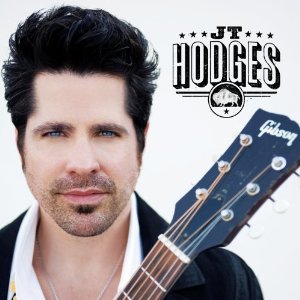
Interview with JT Hodges

JT Hodges is a new up-and-coming  country music singer. He recently signed with  Show Dog-Universal Music and released his debut single “Hunt You Down”, which has been blowing up on the country radio.  JT is currently touring with Toby Keith and Eric Church throughout the country.  Media Mikes had a chance to chat with JT about his music and about touring.

Mike Gencarelli: Tell us the story behind how the song “Hunt You Down” came to be and now hitting high on the charts?
JT Hodges: I guess the story of the song is I got a opportunity for a private tour of Graceland about 14 months ago.  I had family in Memphis and went back and forth from Ft. Worth, TX to Memphis all the time when I was a kid…but I never got to go to Graceland.  I got to go and I spent about six hours there.  I stayed up till about 3am in the morning on Beale street celebrating and just soaking all of Memphis in.  I had a writing session back in Nashville the next day with Rivers Rutherford.  I walked in a little red eyed, I’ll never forget, he asked where I was and I told him about the night and my experience.  He told me he was born and raised in Memphis, which I didn’t know.  I had a riff and 45 minutes later we grabbed it out of the air.  The music Gods blessed us that day…it was cool.

MG: I love that video too with you walking down Beale street.
JTH: Yeah man, we went back to Memphis to shoot it.  It had to be shot down on Beale street! It was a good time.

MG: You know you are going to be responsible for bringing back whistling right?
JTH: Well man, there is a funny story behind the whistling though.  It was a little early in the morning and I was a little under the weather.  It was too high for me to be singing the melody…so I was whistled the melody.  Once we wrote the song, the whistling came back and it works.  It was fun.

MG: Who has been your musical inspiration in your life?
JTH: I grew up in a studio.  It was in cow town, so country music was prominent.  I love George Strait.  I was really into the group Blackhawk.  A lot of the 90’s country stuff really, I had it in for.  There was also this audio library ranging from John Melloncamp to The Eagles to Elvis Presley to Buddy Holly.  There are so many great artists out there.  I am also inspired by great songs.

MG: Give us a few highlights touring with Toby Keith and Eric Church on the Locked & Loaded tour?
JTH: Every show has really been a highlight personally for me and the band, since we are getting better and better.  Really it is great just getting to have one-on-one time with Toby and Eric, talking music and just hanging out.   It has been a very relaxed tour.  We leave it all out on the stage.

MG: What is going to be your next single and when can we expect album?
JTH: The album is looking like it is going to be towards the beginning of the year.  The same with the second single.  We got about three or four songs that we are considering.  It is a good problem to have that we have a lot of songs that we like.  The thing I tell everyone about this record is that just because you hear “Hunt You Down”, don’t expect the whole record to center around that song.  It is going to be a very diverse record.  I do everything in a frame but it is not just one thing I do.  I am looking forward to people seeing and hearing that.

MG: You are co-writing 9 out of the 11 songs on the album, how was it been writing your own songs?
JTH: Oh man, it has just been so great.   Nashville has the best songwriters in the world.  Just in the last year and a half, I have learned so much.  I am ten times a better writer than I was.  It has been a great process and I look forward to doing it more…and more.

MG: What are you plans after this tour ends?
JTH: I tell everyone I have been taking this whole thing one day at a time.  Not trying to look too far ahead and definitely not trying to look too far behind me.  There are some stuff lined up, I am getting to play the Opry at the Ryamn for the first time on November 4th.  I am looking forward to that opportunity.  There are some more shows lined up.  There are also some tour packages with some artists that we are trying to work on now but I am not giving that away just yet [laughs].

Interview with We Came As Romans’ Josh Moore

Josh Moore is the lead guitarist for the Metal-Core band We Came As Romans. Media Mikes had a chance recently to speak with Josh about the bands current release titled “Understanding What We’ve Grown To Be” as well as their upcoming tour with Hollywood Undead and Asking Alexandria.

Adam Lawton: What can you tell us about the band’s latest release?
Josh Moore: The album is called “Understanding What We’ve Grown To Be” and it was released in Mid-September. This is our second release through Equal Vision Records. The album is a little different than our first “To Plant A Seed”. The new album features some different guitar tunings which make the songs sound a little heavier. The vocals on this album are more honest and real to how life really is. When we recorded the first album we were all still very young. During the two years in between the albums we have all grown up and the lyrics have grown with us.

AL: How do you think the approach to this album differed from the previous?
JM: We recorded this album in two different sessions. I think we took about two2 weeks longer on this album than we did on “To Plant A Seed”. We did all the drums and pre-production during the first session, which was about two weeks long. From there we went on tour with A Day To Remember and then on to Europe where we headlined the Scream It Like You Mean It Tour. Straight from that we went back into the studio. The two months between studio sessions really gave everyone a lot of time to really listen to the songs and decided if they were going in the right direction. I even ended up writing a song while on tour in Europe that made it on to the album.  I was pretty stoked about that. Everything was done differently with the new CD.

AL: Do you have a favorite track off the new album?
JM: Probably the last song on the album which is the title track “Understanding What We’ve Grown To Be”. I think that is the best song we have ever put out as a band. I really like the flow of the song.

AL: What has been you experience being out on the road so far?
JM: It’s rough! There are a lot of ups and downs. I would say it’s probably not for everyone. We have been touring since early September and we will have had only one day off when everything wraps up in three months. It takes a strain on personal relationships and we don’t get to see our families that often. It’s a sacrifice we all had to make in order to play music and be an influence in people’s lives.

AL: Any funny stories from touring with A Day To Remember?
JM: One thing they had as part of their production for the tour was during the encore all these balloons would drop. For some reason when we were playing our last song one night the balloons came untied and they all started falling on us. They weren’t mad at us but they did leave a note on our door saying we owed them for all the balloons. (Laughs) On the last day of the tour some of our guys filled up a ton of balloons and filled their dressing room.

AL: Do you have a favorite track to play live each night?
JM: I really like playing “To Plant A Seed”. That is like a fan favorite. That song was also our biggest single of that album. Everyone sings and goes crazy during that song.

AL: What are the upcoming plans for the band?
JM: After this tour we fly to Australia where we are doing a week long run with The Devil Wears Prada. After that we fly to California and head out on tour with Hollywood Undead and Asking Alexandria as the co-headliners. That tour is going to be really good. Both those bands are doing really well, so it’s going to be awesome supporting them. When that tour ends we are going to do a short two week tour with Falling in Reverse and Sleeping with Sirens. We then have a short break for the holidays and will be back out on the road in mid January of 2012.

Be sure to check out our review of We Came As Romans newest release “Understanding What We’ve Grown To Be” and also check out our review of the bands show from Rochester, NY.

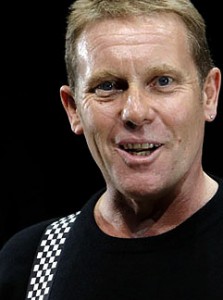
Dave and Dave A Go Talk: An Interview with Dave Wakeling of the English Beat

Ska /skä/ (noun) – A style of fast popular music having a strong offbeat and originating in Jamaica in the 1960s, a forerunner of reggae.

If you’ve ever listened to music by the likes of the Mighty Mighty Bosstones, Madness, Fishbone or The Specials – as well as bands that infuse elements of ska into their music like No Doubt and Reel Big Fish – you know that the genre’s intense energy makes it almost impossible not to get out of your seat and start to move your feet to the rockinest, rock-steady rhythm around. The Beat – known in the US as The English Beat – was one of the bands at the forefront of ska’s second revival (or “wave”) and one of its best.  With hits like “Save it for Later” and “Mirror in the Bathroom”, the English Beat had the ability to propel audience members into a skankin’ dance frenzy.

And they still do.

Dave Wakeling, the lead singer and guitarist of the English Beat, and the entourage of musicians that round out the current iteration of the band extensively tour the United States and feed audiences a steady dose of high-energy music that often manages to weave in politically-astute and cutting lyrics.  The crowd sweats, the band sweats and, by night’s end, both are all the better for it.

I recently had the opportunity to chat with Dave about the driving force that powers the English Beat’s seemingly non-stop touring, a great soundtrack album that never happened, how a cup of kindness can occasionally have a very bitter taste and why he might cause quite a ruckus when visiting the Rock and Roll Hall of Fame in Cleveland.

Dave Picton: The English Beat tours VERY extensively.  How do you maintain such a rigorous schedule given that your shows are intensely energetic?
Dave Wakeling: Well, we’ve got a decent balance.  Every other month we go on tour for about three weeks and we do about 15 or 17 shows in 21 days.  The other five weeks we’re here at home and we just work Fridays and Saturdays in California normally driving up and down the coast depending.  That way, although we’re doing an enormous amount of work, we’re all getting time off in those weeks so it all works out very well.  We never stay on the road more than three weeks because you start scraping the barrel.  It’s always nice to be able to have fresh real emotions to do the songs.  We can do our memory muscle emotion but it’s not the same. It doesn’t connect as well. It’s kind of dissatisfying.  But if I do a show right under the right circumstances, I feel fresher at the end of the show than I did at the start.  So it’s sort of nurturing to me at this point.

DP: I went to one of your shows about a year ago and it was the first time I had seen you guys.  It was certainly the most fun I’ve ever had at a concert.
DW: Thanks! Where was it?

DP: In Fairfield, Connecticut at FTC’s Stage One.
DW: Right, the train spot.

DP: Yep, that’s the one.  Everyone in the crowd danced throughout the entire show and I’d never really seen that happen before to that level of intensity, but I’m guessing that’s something you’re quite accustomed to.
DW: You know, sometimes people are surprised the first time we get to a venue and they’re not expecting it.  Now, at Fairfield, we’ve been a good few times and people come with an anxious anticipation of having a good dance, I think. It’s all the more benefit, Dave, I think because times are times are really tight. Our social lives and our work lives particularly can be quite tense and the world, at least according to the TV news, is a scary place.  So it’s nice to be able to go someplace with a peer group and throw all caution to the wind and feel at one with yourself and your memories and everybody else in the room.  It’s a rare occasion and the people tell us that they’re really grateful of it and that it can see them through until the next Wednesday.

DP: That certainly was the case for me.  In fact, the show spawned probably the most justified concert t-shirt purchase I’ve ever made because, by the end of your first set, I was absolutely drenched with sweat.  So I bought the shirt, went into the bathroom and changed out of my wet towel of a shirt in favor of my newly-bought English Beat shirt.  Sure enough, by the end of the show, that one was drenched too.
DW:  Ah yes!  Bless your heart.  That’s the ticket.  I end up soaking wet at the end of the shows too, but I don’t really notice it, even though you might start to get tired heading into the second hour of the show after about the one-hour mark. After about an hour and fifteen minutes, you’re back up there again with the energy from the audience. So it’s kind of like what the band does in the first half, the audience holds us back up with in the second half.

DP: I’m curious to know about how the band came together in 1978.
DW: What was most remarkable about it that it was the first person we met played a particular instrument ended up playing that instrument in the band. There weren’t any auditions or “what about this guy” or “what about that guy” and so it was very much like what you might see in a movie script about putting a band together.  Everything all came together so wonderfully easy that, right at the beginning, you had a sense that it wasn’t going to last for very long. [laughs] It had a certain magical charm to it that this group of people were put together for a certain purpose.  And it turned out that it was, you know.  We managed to combine dance music with a gentle social commentary or a subtle gentle prodding. So we wanted to combine both types of prodding, the sexual and the social. [laughs] And it worked perfectly.  Even now, I’m getting messages from people at Occupy Wall Street saying that the Beat album is being played, that the songs “Big Shot” and “Stand Down Margaret” are deemed particularly appropriate for the times.  One of the huge benefits is that if you’re lucky enough to get a chance to be in the moment fully, then it never really goes away.  Once you’ve made that connection – even though sometimes the waves of ska take seven years in between high tides – it always flows back and all of a sudden lyrics become pertinent again.

DP: Any chance you’d put together some new material and release a new studio album that might include songs in which the lyrics deal with current issues and socio-political topics?
DW: We’re in the process of doing that now, actually. I’ve got just over 20 songs started and some of them are my favorite songs that I’ve ever done.  I always feel that, though.  But, interestingly, I was just going though them and initially I hadn’t really thought about them in terms of an album.  But then I started trying to figure out what songs would I put on an album this week and it sort of changed a little bit.  It was a bit more romantic of a mood a few months ago but now the streets are filling up with people and some of the other songs are starting to become very timely and appropriate.  The English Beat and the General Public catalog are both being re-licensed and re-released at the beginning of next year and so I’m hoping to take a jolly good slipstream off the back of some of that and introduce my new songs. I’ve been playing them out live.  We played a few of them in Fairfield over the past couple of years.  Just as we get a song ready, we might play it at somewhere that is friendly to us.  They’re going down really great.  I’ve been battling with how to get the songs out sort of algebraically correct as everything’s done with computers nowadays and still manage to retain the live groove and excitement of the live concert and, after much exploration, we finally found a way to do it.  Once we got our technique down, we banged out a lot of the songs with full spirit and they sound tremendous.  I’m really pleased.

DP:  The English Beat is currently a tale of two bands: The English Beat fronted by you here in the States and The Beat that includes two of your original band mates from the early 80’s.  How does that work – especially if you want to perform shows or tour in the UK?
DW: Well, it was fine.  Now it’s causing enormous trouble.  I wish I had never suggested it in the first place. You know, your kindness can come back and bite you in the ass, can’t it? Now it’s difficult for me to find a gig in England because they can’t call me “The Beat” because [Ranking] Roger’s used that name so much and they can’t call me “The English Beat” because they’ll think that everybody will think that’s a cover band covering the Beat’s songs.  I find myself with the irony of trying to arrange a song in my hometown and finding it more difficult than I expected! [laughs]  It’s the troubles of ska, Dave.  I tell you it’s not as easy as it looks, mate! It looks like one knees-up party but – oh no! – the Machiavellian things that go on in the background. [laughs]

DP: So where do you see the future of ska going?
DW: I think it’s got a rosy future. It’s always been a music of happy protest and I think there’s going to be much of a taste for that in the upcoming months and year.  We found during the punk times or during the 90’s that if you protest too much, it starts to sound like whining and you actually wind up distancing yourself more from the people that you want to reach.  Ska – and reggae I suppose – has always had that ability to sound like a party from a distance and then as you dig into the lyrics, you hear that there singing about starving children but it’s acceptable because it’s been put to you in such a delicious way with the beat and it hits your spirit way before it tries to stretch your mind.  I think we’re going to start to see a lot of that especially as there aren’t really a lot of record companies that are telling artists “don’t do this” or “don’t do that” to try to modify them for the charts.  I think you’re going to see a lot more people just singing straight from their heart and straight into the computer.  I dare say there will be a renaissance.  I don’t know what wave of ska we’re on now.  I think maybe the fifth wave is about to come, I’m not sure.  But I imagine that we shall see one and I’ll be there trying to flagrantly take best advantage of it as soon as it happens you can be rest assured of that! [laughs]

DP:  In addition to being a fan of your music, I’ve always been a fan of UB40, a band that started in Birmingham and got together the same year that the Beat did, 1978. Why do you think was there such a massive ska and reggae movement in your hometown?
DW: The guys in UB40 and I grew up within a mile of one another as kids.  It’s remarkable.  There were also the Selector and the Specials in Coventry and Dexy’s Midnight Runners in Birmingham at the same time. I think more than anything else it was a post-punk reaction where punk hadn’t really been a huge deal in Birmingham.  Most of the people who had made any name of it in that genre had gone off to London to do it, as is traditional in Birmingham.  But immediately post-punk, for reasons I’ve never really fully understood, a terrific scene developed that we weren’t even aware of, frankly, because who was to know that UB40 was going to become the biggest-selling reggae band in the world or that Dexy’s Midnight Runners were going to be lauded as poets for decades?  Nobody had that idea of that at the time, really.  We were just three local pub bands trying to be sarcastic about each other behind each other’s backs! [laughs]

DP: Your song “March of the Swivelheads”, an instrumental version that you released of “Rotating Head”, was used extremely effectively in the ending chase sequence in “Ferris Bueller’s Day Off”.
DW: It was, wasn’t it?

DP: Definitely. And it’s probably the song that’s most associated with the movie – with the possible exception of Yello’s “Oh Yeah”.  Yet, despite the degree to which music was at the core of the movie and how successful the film was at the box office, no soundtrack album was ever released.  Do you know why this was the case?
DW:  I never really fully understood why.  I think what was happening at that time was that John Hughes was starting to develop his own company, John Hughes Music, and all of a sudden trying to license tracks three ways rather than two became thoroughly complicated.  I think that was what happened because we were fully anticipating a soundtrack at the time and, of course, it was going to be a fairly great one.

DP: And probably a big seller, too based on the fact that soundtrack albums to his movies usually moved lots of copies because kids dug the music and, in order to relive the movie experience, bought the soundtrack album or cassette given that, at the time, you couldn’t go out and buy a videotape of the film or download it.  I know a lot of soundtracks from John Hughes movies wound up in my record collection for that very reason.
DW:  Right. You know, they’re making a documentary about that film now. I’ve been invited to speak on the DVD of that documentary but I haven’t really decided yet.  I’m not really sure, to be honest.

DP: While we’re on the topic of soundtracks and collections of songs by various artists, if I snagged you iPod, turned it on and pressed “random”, what would I hear?
DW: Well, you’d be very lucky if you managed to snag my iPod, because I don’t have one and I never will.  I don’t think they sound any good.  My son, a few years ago, came running up all disappointed like “Oh, dad! My iPod’s broken!”  And I said “Good!” [laughs]  You know, the instruments in a classical orchestra were effectively designed around human’s emotional points –  chakras is what I call them – and analog recording was designed around those same parameters.  But when you switch the whole thing to digital, one of the things that happens is that the instruments don’t resonate at the same places they used to.  So the old people who say the “album” vinyl version of Led Zeppelin I sounds warmer than when they listen to it on their iPods are absolutely correct.

DP:  I noticed that on the English Beat’s facebook page that you had posted a picture of your hallmark teardrop-shaped guitar that had made it into the Rock and Roll Hall of Fame.  How did that come to happen?
DW: Yes, I just put the photographs of it up yesterday on my facebook as well as that, recently in my hometown local newspaper, the Birmingham Evening Mail, printed out what they thought were their all-time top 10 bands to come out of Birmingham and we came fifth after Black Sabbath, the Moody Blues, Duran Duran and ELO.  So to be able to post both of those things in the same week was stunning to me.  I first met the people associated with the Hall of Fame when we opened for Devo in Cleveland and they started coming to a few shows.  They gave us a tour of the museum and we got to go back behind the scenes. You have to have a coat on and a pair of gloves sort of like a doctor to go back in this spot. You’re not allowed to touch anything.   We saw one of Bob Marley’s dreadlocks in a box covered in paper tissue.  They opened another box and there was a longish envelope that had been slit open and on the inside in John Lennon’s handwriting was an early draft of “Lucy in the Sky With Diamonds” with all of these crossings-out and changes.  You could see where he was playing with the words and the rhymes.  Absolutely stunning.  I had a fantastic time.  I got to meet the guy that runs it and it turned out that in 1980 he’d been a college radio guy in Ann Arbor and, unbeknownst to me, I’d been his first interview ever on the air and I was really kind to him, I guess and helped him through and now he’s the head honcho at the Rock and Roll Hall of Fame! [laughs] So on my way out, they asked me if I enjoyed myself and I said that it was fantastic.  The only placed that had ever moved me more, really, was the Motown Museum I have to visit every time I go to Detroit.  So they said, “OK…well when do we get your guitar?” and I was like “WHAT?!?” [laughs] It was sad though, to be honest, because I played that particular guitar at every gig for 27 years.  So it came the morning to hand it in and I had a little play on it in the hotel room, talked to it a bit and shed a couple of tears.  They fell on the guitar so I polished the guitar with tears, put it in the box and took it in.  I still feel kind of guilty because I know it doesn’t know what’s going on.  It thinks it’s just waiting between the sound check and the gig, you know? “No, no…Dave will be here in a minute. Long break before the show tonight isn’t it?” [laughs]  So I have to talk to it whenever I go back and look at it in the case and try to explain the situation, but then I start gathering crowds of tourists looking at me. “Oh look, daddy!  That old man is talking to a guitar!” I’ll have to stop, let the crowd disburse and then go back and have another chat.

DP:  So if the Hall of Fame gets broken into and that guitar is the only thing missing as a result, I think I’ll be able to tell the authorities who their main suspect should be, right?

DW:Yeah! Either that or it probably walked and came back! [laughs] One day, I may have to use it at a show in Cleveland.  The paperwork is extensive because it’s now not a musical instrument.  It’s insured as an artifact.  In fact, nobody’s allowed to touch it without white gloves – including myself.  A lot of people said it sounded like I played it with gloves on anyway, so it’ll all work out! [laughs]

 For more information about the English Beat and tour dates visit:
Facebook: http://www.facebook.com/EnglishBeatFans
Twitter: http://twitter.com/#!/englishbeatfans
MySpace: http://www.myspace.com/officialbeatspace
Dave’s official web page: http://www.davewakeling.com/home.asp

Interview with Blake Neely

Blake Neely is currently scoring two great shows on television “The Mentalist” and newcomer “Pan-Am”. Blake has also scored various shows like “Brothers and Sisters” and “No Ordinary Family”. Media Mikes had a chance to chat with Blake to chat about comparing his scores and what we can expect from the score on this Fall’s seasons.

Mike Gencarelli: What was your inspiration for the “Pan-Am” score?
Blake Neely: My first reaction was to ask”why they wanted me?” I didn’t really do that type of work and 60’s themed stuff really wasn’t in my skill set. I told them this and they told me that the show was more of an American story with big rich orchestral sounds. Since I started doing music for television, I always tried to make the music more like what you would hear in a feature length film. When you think about it a television series is like a 22 hr. movie spaced out over an entire season. When I watched “Pan-Am”, I thought it was a perfect show to be more bold and cinematic. The show travels around the world and there are multiple story lines going on. The show was an opportunity to start with a big pilot and see what I could get away with.

MG: Were you able to see episodes prior to scoring?
BN: They send me each episode with temp music in it. The temp music might have been idea as to what they are looking for. From there we have a discussion about our ideas and I go from there. I do get to see the show way before its finished.

MG: Do you find the temp tracks helpful in anyway?
BN: They can be helpful if you have never worked with a director or producer. After you work with the same clients a few times you start to develop a language and understanding. If you have never worked with someone the temps can help you gauge what they are thinking. I find it interesting because composers are like actors but they never hire temps for us. (Laughs) The biggest hindrance for me is when a film may have been tested to an audience already with a different score. If the score tests really high it can cause people to not want to change what was done so you end up mimicking what was previously done.

MG: How do you feel working on “Pan-Am” compares to working on “The Mentalist”?
BN: When I take on multiple projects I try to look for ones that are very different from each other. In this case they couldn’t be more different. On “The Mentalist” we are dealing with more electronic sounds and grooves. “Pan-Am” is orchestral and less dark. I can kind of choose which one I want to work on by the mood I am in. It’s a nice balance. I have worked on similar shows at the same time before and it’s difficult to come up with different ideas out of the same brain.

MG: How do you feel the scores for “The Mentalist” have differed from season to season?
BN: I try to keep the sound pretty much the same. I look at the music as part of a set. You aren’t going to repaint the sets or change the characters costumes. There is a familiarity that the audience wants. I tend to get bored with myself very quickly so I try to change things up. When I do make changes I have to make sure that I’m not going out of what works for the show. I have really concentrated on that with the later seasons. With “Pan-Am” I am still honing in and developing a sound for the show that will last just as long as the other.

MG: What do you find is your biggest challenge when approaching a television show?

BN: Time is the biggest challenge. On a good week I have 6 days from start to finish. On these shows there is anywhere from 20-30 minutes per show. It’s all a matter of time in getting that much music written in 6 days. You develop tricks over time that helps speed things up. When you are working on a film you have a lot more time to think about your ideas.

MG: Do you have a specific genre that you are most comfortable with?
BN: Looking back I think I am most comfortable with Americana type music. I’m also comfortable doing comedies and romantic comedies. There are certain styles you can do quickly and well. In this profession you have to be able to do all types of genres.


Related Content

Interview with Jane Antonia Cornish

Jane Antonia Cornish is a composer who recently re-scored the upcoming film “Fireflies in the Garden”. The score was originally done by the Oscar nominated Javier Navarrete (“Pan’s Labyrinth”). Media Mikes had a chance to chat with Jane about re-scoring the film and what we can expect next.

Mike Gencarelli: What was you approach to re-scoring “Fireflies in the Garden”?
Jane Antonia Cornish: I was just contacted this summer. It has been a good four years since the film came out at the Berlin Film Festival. Since that time the film was re-edited and essentially became a brand new film. It’s very different which is why I was asked to score it. I came on to give it a new sound.

MG: What was your inspiration for re-scoring the sound?
JAC: After seeing the new cut I sat down with the film’s director Dennis Lee. He went through and told me where he wanted the music to come in and go out. He was great because he gave me free reign to write in my style. I was very inspired by what I saw. The film is beautiful and the cast is great. The musical ideas really flowed.

MG: What was your biggest challenge working on the film?
JAC: Everything went really smoothly. I got the film in July and delivered it in August. Working with Dennis was fantastic. We were on the same page from the start. It was a really great project.

MG: Was there a specific style of music that you tried to use in the film?
JAC: Yes. I would say it’s a classical score. I wrote it for piano trio, solo obo and chamber orchestra. It has some minimalist elements. It very much in the style I write in when I create orchestra music.

MG: Do you enjoy having freedom when you are scoring or do you prefer direction?
JAC: I do like to get direction from the director as it is their film. I like to make sure what I compose is in the directors vision. I do however like freedom. I enjoy being able to write in my style. On this latest film I didn’t even hear the previous score. I was presented with an entirely different cut all together.

MG: Can you give us some background on your upcoming film “Highland Park”?
JAC: The film stars Parker Posey and Danny Glover. It’s set in Detroit and centers around a group of people hit hard by the economy. The group bands together and starts buying lottery tickets and you can imagine what happens next. The film has a lot of heart.  I really enjoyed working on the score.

Interview with Richard Band

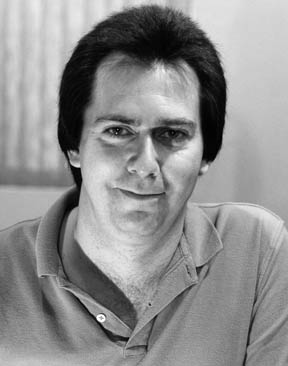
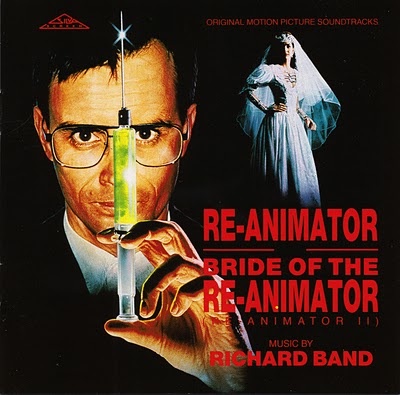
Richard Band is known best for scoring the film “Re-Animator”, which is one of my favorite horror scores. Richard has worked a lot in his career with his brother Charles Band specifically with scoring the “Puppet Master” series. Movie Mikes had a chance to chat with Richard about his scores, his favorites and what he has planning upcoming.

Mike Gencarelli: What is your process like when starting to compose for a film?
Richard Band: What I like to do is look at the film numerous times. In the old days I would sit and watch the film in a screening room around four or five times. Now with the invention of quick time and computerized digitalization I will sit and watch a film as many times as it takes to get an idea for what the movie calls for. It has to kind of speak to me in a way so that it passes from my head down to my heart. A lot of times a film has a deeper context and that’s really what I look to bring out with music. I really like to use music to bring out that underlying momentum or meaning of the film or characters.

MG: Have you ever worked on a score prior to seeing a scene or film?
RB: It happens now and then. When you’re working on a musical you have to have the music completed before they start filming. I haven’t done any musicals per say but I have done some work where a song or music was required for the scene to be shot. In that case you have to get familiar with the scene and talk with the director and producer. I try to use a similar process as when I am able to see the project that way everyone is on the same page.

MG: “Re-Animator” is one of the best scores in horror history and also one of my personal favorites. Can you tell us what your inspiration was for that score?
RB: After watching the film quite a few times the thing that came to me very early on was Herbert West’s mania. This character is clearly a genius but at the same time he is totally nuts. This was a main driving force. This combined with the fact that the film was so out there and crazy for it’s time. If the film was treated on a serious level people would probably walk out in a second as it would be too much to believe on any level. I decided the music had to have a type of humor to it that was quirky and a touch off. I began thinking about different movies that the audience could immediately relate to and at the same time exemplify just how nuts and crazy the main character is. “Psycho” came into my mind and I knew it was a film that everyone would recognize. I used some of the motifs’ and or orchestrations from “Psycho” but I added my own original theme and a quirky drum that would give it my own signature but also give it something people could relate back to.

MG: You worked on all/most the films in the “Puppet Master” series, how do you differentiate when working on each score?
RB: In the case of the “Puppet Master” series when it started out no one knew it was going to become a franchise. I think an important ingredient in any film is there has to be a very identifiable theme that could go across that film and be strong enough for people to identify with. On the sequels there was no question that the main theme had to be a driving force in the subsequent scores. The theme its self has an element of sadness combined with a circus type element that shows that no matter how bad the puppets are in their deeds the puppets are actually the good guys.

MG: You have worked throughout the sci-fi/horror genre; do you have a favorite score that you have worked on?
RB: I have done so many different kinds of scores. Of the genre stuff I don’t think I really have a favorite. I did a score that’s not really genre called “Ghost Warrior”. I recorded that with the Royal Philharmonic and it has a very beautiful score. Of the genre stuff “From Beyond” is in the top five. I did a score for Paramount called “Dragon World” which is a really beautiful score that I like a lot. It’s hard to really pin point one favorite.

MG: Do you a have film score that you have not worked on that you really liked?
RB: I have always been a very big fan of Jerry Goldsmith’s work. He has done so many good scores. The score he won an Academy award for in “The Omen” was really incredible. Even going back earlier than Jerry his teacher Nicholas Rosa did some amazing scores as well like “Spartacus”. There have been a lot of great composers through the years. I wish we had more of those types these days. There seems to be a shortage of very lush scores these days due to cost’s.

MG: How do you feel that composing has changed since your first film, if at all?
RB: Scoring has changed since I started. The first 12-15 years I did mostly large orchestral work. My upbringing and training was much more formal even though I had done some electronic work during those years. I started before computers really came into use so the work was much more meticulous back then. We had a music editor who wrote music notes while watching a piece and at the end they would hand me around 500 pages of musical notation broken down to seconds and milliseconds. Everything was done from memory and notes which was much more intimate. A lot of times in those days it was me sitting at a piano with a lot of good pencils, paper and erasers. Today you have to be both a composer and a friggin engineer to work all the gear they have now. In the older days I could put in a good 10 hr. day of writing. These days if I put 10 hrs. of work in maybe half of it is writing and the rest is screwing around with equipment.

MG: Tell us about your upcoming projects?
RB: Right now I am doing a pretty cool 3-D short that I believe will start airing at the end of the month on one of the 3-D channels. Then In a couple weeks I start on a feature titled “Shiver” which is a suspense thriller starring Danielle Harris, Casper Van Dien and a few others.

Interview with Mark Isham

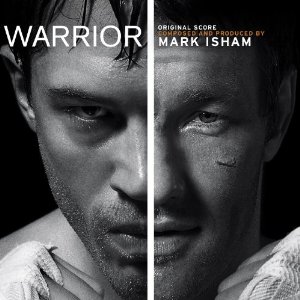
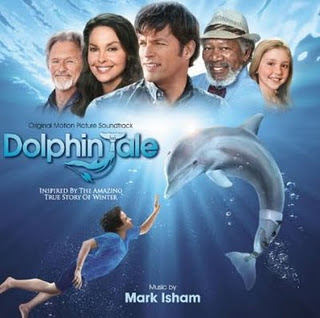
Mark Isham is the composer for two current films this year “Warrior” and “Dolphin Tale”. Media Mikes had a chance to chat with Mark about working on these films and also what he has planned next.

Mike Gencarelli: What was your biggest challenge when it came to creating a score for “Warrior”?
Mark Isham: I would say the biggest challenge right off the bat was to figure out the vocabulary of the score. The film is not just about fighting or MMA. You don’t want to limit yourself to just the sounds of MMA but you don’t want to violate that world either. It became very apparent that this project wasn’t going to work with a traditional score. I spent a few weeks fooling around with the types of music we could put in this film. I worked with a few different music editors who helped experiment to find what the sound was of this picture. It ended up centering around the guitar. The sounds ranged from highly compressed basic electric sounds to huge rock and roll guitar sounds. There is some orchestration in the film which helped with the iconic “Rocky” style ending. You need the size and weight that an orchestra brings when you are building up to the final scene.

MG: Did you get inspiration from any other films?
MI: I can’t say there were any specific inspirations. The “Rocky” film is much more one dimensional than “Warrior” however you can’t deny the film being out there as it has worked so well. We knew we would have to use our own vocabulary in order to create the size and emotion of those final scenes.

MG: What was the process like for you working transitioning from “Warrior” to “Dolphin Tale”?
MI: “Dolphin Tale” was much easier to start. Charles Martin Smith who directed the film had a very clear sense of what he wanted as to where Gavin O’Conner was searching just as much as I was for a sound that fit the film. He wasn’t sure so it was an exploratory start for both of us. Charlie wanted a large traditional orchestral score. There was no trick to it as the story was very warm and open. He wanted me to find the two or three themes that the story really needed. We made sure we stayed very melodic as we didn’t want to fall victim to the current trends. Our catch phrase was “Shamelessly Melodic” [laughs].

MG: Do you prefer input from the directors or do you like to work from your ideas?
MI: I am a big believer in as much communication as possible. It’s a team effort no matter when you start. On “Warrior” I started right as the script was green lit because I had been friends with Gavin for some time. There is still not a chance where I am going to know as much as the director is going to know about what their concepts or philosophy will be about a film. The more time I can spend working with the director the better. A big part of my job is being able to communicate well with the director.

MG: Is there a genre that you prefer working on the most?
MI: No I don’t. I think over the years I have done a big enough variety of films that I feel comfortable working in any of them. I get quite excited when it comes to films no matter what the genre especially if it’s told in a creative way.

MG: From all of your work is there one score that you are most proud of?
MI: I think my two most recent ones “Warrior” and “Dolphin Tale”. I have discovered that one of the reasons I really love my job is that every time I work on a project a new door seems to open when it comes to exploring music. Not only do I try to present the best score I can according to the directors vision but I also want to challenge myself as a composer. I have noticed in the last few years that I have really done that and topped each of my previous works. I think in both of these two scores I learned a tremendous amount and I feel  they are some of my best work.

MG: Do you have any other upcoming projects?
MI: I scored a Scott Hicks picture earlier this year. The film is being held right now for marketing reasons. The film is a Zac Efron love story which I believe the will be being released around Valentine ’s Day so all the girlfriends can take their boyfriends 3 or 4 times [laughs].

Interview with Fallon Bowman

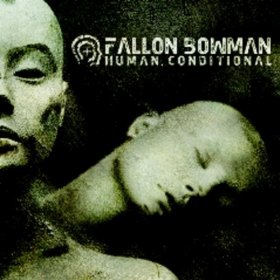
Fallon Bowman shot to stardom in the mid 1990’s with the popular all girl heavy metal group Kittie. Since leaving the group in 2001, Fallon has been a part of several other music projects and most recently she has released her first solo album titled “Human Conditional”. Media Mikes had a chance to speak with Fallon recently about her career in the music business and what it was like for her releasing her first solo album.

Adam Lawton: What was it like leaving Kittie which was a band you helped start when you were still in high school?
Fallon Bowman: It was awful! I actually just wrote an essay about how that departure affected me now and how I have grown since that point. I think I have grown tremendously since that time but it really was a pivotal moment in my life where I couldn’t go on both physically and mentally with the band. It was also difficult because I was losing friends as a result of leaving. When this was all happening we were just kids and relationships were left strained. Today everyone is cool but at the time it was really difficult. I don’t think I left my house for about a year after all of that. I just didn’t know what to do with myself. Luckily I had and still have a very strong friends and family base that were and are there for me.

AL: Was it hard for you being in music business at such a young age?
FB: I think so. Thankfully I had strong families ties and when dealing with things I had my parents behind me a 100 percent. I don’t think I was really ready or prepared to deal with the amount of responsibility that was given to me. People were looking up to me to do all the right things and I was just a kid. It was very difficult to deal with. At the same time I think I sort of went through everything sort of oblivious and I wished I had paid more attention to certain things that were going on around me. Everything happened so fast from the time we toured with Slipknot in 2000, it just went crazy!

AL: How do you think music industry has changed from when you started to now?
FB: Oh my god! Drastically! Back when we started promoting and doing things with Kittie we didn’t really focus on the internet and at the time there was no Facebook or anything like that. We had a Geocities website starting in 1996 until we got signed in 1999 that never really worked out that great. So everything that happened for us came from playing and people talking about the band. At the time we started it was all about street teams made up of fans that would put the word out for each band. That really was the big thing then and when you think about it now how many people actually do things that way anymore? It’s an incredible learning curve now. I am constantly having to learn and be told about new websites and ways to get you material out there. It has been incredible to try and just keep up. I think the music industry is so schizophrenic and all over the place that we can’t get things together as everything is all over the place and moving super fast. It’s just overwhelming at times.

AL: Can you tell us about your label Social Unrest Records?
FB: I started that in conjunction with my previous project/group Amphibious Assault. I really was using it to help build a brand around myself. It was perfectly in line with my very heavy political agenda at the time. Over the years I have done some other things with the label and the political aspect has died down a bit but I am really starting to look into making it something that is viable. I want to make it more than just me on there. The big thing is that the traditional record label that I am thinking of in my head is very hard to maintain. I think I will have to be very innovative and come up with something new. I would like the label to have a very definitive sound and aim.

AL: You mentioned Amphibious Assault. Can you tell us what’s going on with that project?
FB: That was really my break into the hard industrial music world. I love electronic music and Amphibious Assault was sort of my homage to my KMFDM days, when I was obsessed with them. There were a lot of heavy aspects to the project but it also allowed me to develop my singing voice. The group was fairly well received by certain groups. My main reason for moving on from this project was that I always wanted to have different things going on every couple years.

AL: Can you tell us about your latest release “Human Conditional”
FB: After ending Amphibious Assault in 2007, I went and finished university and sort of floated around for a bit. I was still writing music but I wasn’t sure where I wanted to go with it. A friend of mine approached me and asked if had any songs that I would want to do a video for. I had one song that was done and recorded so we ended up working with that. My friend was the one who sort of kick started the project. I really wasn’t thinking of doing anything with it but the song sort of took on a life of its own.

AL: The album is much different that your previous work. Are you more a fan of more melodic music as of late?
FB: Lately yes. I will always love metal and have a strong appreciation for it. People still know me as a metal artist, so it’s been interesting. I really enjoy doing more electronic based music and music I can sing to as opposed to screaming/yelling. I don’t think my voice was ever really meant to do that.

 AL: What other type of things do you have going on or coming up in the future?
FB: I have tons of stuff going on right now! I have teamed up with two local electronic musicians and I am super stoked for this project. The two guys have been looking for someone similar to Portishead to sing over their music. Through mutual contacts we have somehow got together and are working on music as we speak. Hopefully things we be happening within the next month with that project. I am also still developing my record label to incorporate multiple types of entertainment. I have also started to write the follow up to “Human Conditional”. I really should take a break but I just can’t right now.

Confessions of a Non-Twirler: An Interview with Pat Mastelotto

Pat Mastelotto is many things – but definitely not a slouch.  Best known as the percussive genius behind current iteration of progressive uber-band King Crimson and as the drummer for the best-selling ‘80s favorite, Mr. Mister (remember “Broken Wings” and “Kyrie”?), Pat has also been a session drummer for many artists such as XTC, Scandal, Al Jarreau, the Pointer Sisters, Kenny Loggins and Martin Briley.  In his copious spare time, he’s a core part of a vast number of Crimson spin-off projects as well as various progressive “supergroups” that have featured renowned musicians such as Terry Bozzio (Frank Zappa, Missing Persons), Allan Holdsworth, Eddie Jobson, the California Guitar Trio and a host of others.

He’s recently finished being a part of the “Three of a Perfect Pair” Camp, a week-long music camp in New York state that allowed its campers – musicians and non-musicians alike – to learn from, jam out and hang with him and two other members of the Crimson court: Adrian Belew and Tony Levin. He’s currently on the road with Belew and Levin on the “Two of a Perfect Trio” tour which pairs Belew’s Power Trio with Levin’s Stick Men trio.  The show closes with “an extended Crim-centric encore.”

I caught up with Pat just before embarking on the “Perfect Trio” tour and we covered a broad range of topics including the Camp, the tour, and being a member of King Crimson as well as his past involvement with other musicians work and ongoing work with the myriad of musical projects of which he is a part.  He also shared his thoughts about a certain percussion-related virally-famous YouTube video – and we even found out why an iPod wouldn’t be a bad item for him to find under his Chrismas tree this year.

Dave Picton: How did the idea for the “Three of a Perfect Pair Music Camp” come about and how did it go?
Pat Mastelotto: The idea for the Perfect Pair music camp came up about a year ago.  One of our tech guys was involved with Danny Heaps the guy up at the camp.  They had done Modeski Martin &Wood and Todd Rundgren and some others so they approached us about doing it as a great Crimson type of concept and it sifted itself down it became the three of us.

DP: What was the genesis of the Two of a Perfect Trio tour?
PM:  Because we got together to do the camp, we got a couple of offers to do some gigs like the Iridium in New York City. After a couple of gig opportunities had been presented to us, at first we said no but then it started to look like an agent could patch a whole tour together, so we pursued it and came up with the concept of having each of our trios play together as well as Adrian [Belew], Tony [Levin] and I as a trio and add the other people back in.

DP: How did you wind up becoming a member of King Crimson?
PM: The quick answer is Robert Fripp invited me.  The longer answer is that I had spent about a year on the road with Robert. Before he invited me, I was out with Robert and David Sylvian.  David and Robert had a band with Trey Gunn and myself and when that tour ended, he asked me to join Crimson and presented the idea of a double trio with Bill [Bruford].

DP: The King Crimson “Thrak” tour featured the “double trio” band line-up that paired you with Bill.  What was it like playing live with him?
PM: Well, the best example I can give is an arcade game like a pinball game.  You just try to keep the balls in the air and react to what’s going on.

DP: The 80’s saw you as the drummer for the highly-successful Mr. Mister. What was your experience like with that band?  And what was up with the wacky hairdo?
PM: The band is hard to describe. When we met there was no record deal.  We got one fast, though, and we made a record that didn’t do so well and then we did a record that exploded [1985’s “Welcome to the Real World”].  So it was an interesting revolution watching the audience change as it became sort of massified all over the world.  It was a good experience. As far as the hair goes, hey, what can I say?  It was the times. That was the ‘80s. It didn’t seem so wacky at the time.

DP: You played on – in my opinion – one of the most underrated albums of the 80’s, XTC’s “Oranges and Lemons”.  How did that come about and, given that XTC stopped performing live in 1982, do you wish there had been a tour to support the album?
PM: I saw the band play a few times at the Whiskey and later at the Santa Monica Civic after “Drums and Wires” and after “English Settlement”.  I was at the show at the Palladium when Andy [Partridge] had stage fright, so what would have been their last show – the show that didn’t happen.  I was in the audience for that too.  Way back in the late ‘70s and early ‘80s, I had turned my friend Paul Fox onto the band – I think it was “Mechanik Dancing” from “Go 2” or one of those songs from that album.  Paul was a session keyboard player that I hung out with who later became a producer and, when he got the gig with XTC, he rang me. So that’s sort of how the connection happened.  I wish there had been a tour.  There was very close to being one. XTC set out on a small radio tour and then booked me to come over to England to do a live performance in the studio. They were going to bring an audience in try to make a controlled situation for Andy.  It was just on the brink. They talked to me about leaving on a Friday and booked the flights the following week and then I think the single [“The Mayor of Simpleton”] didn’t do as well on the charts the following week and they postponed it and it never happened.  We still stay in touch Andy, Dave [Gregory] and I.  I’ve emailed with them all within the past year or so.  Dave coincidentally appears on a record that I did with an Italian by the name of Fabio Trentini.  He was talking about how much he loved Dave’s playing and I said “Well, let’s get him on the record”. It’s called “Moonbound” and if you look around on my site or on Facebook, you can find the record and you’ll hear Dave and I playing together on that.

DP: You’re involved with something of an instrumental supergroup, HoBoLeMa, that consists of yourself, drummer Terry Bozzio, guitarist Allan Holdsworth and your Krimson cohort, Tony Levin.  How did that come about and what does the future hold for the band?
PM: Strangely enough, that started because Terry Bozzio and I both collided a few times.  We both moved from northern California to southern California around 1973 or ‘74 when he had the Frank Zappa gig.  I happened to move at around the same time to Los Angeles and was working with an artist that was on the Discreet Records label.  I was in Frank’s old rehearsal room when Terry was in the big room with Frank.  We crossed paths again in the ‘80s.  He was in Missing Persons, of course, and I was with Mr. Mister.  We were kind of pop bands of the day.  We crossed paths again through some drum events in the late 80s.  In the early ‘90s, I moved to Austin, Texas and, coincidentally, Terry also moved here.  So after a few years of having friends say “Hey, you should call Terry”, one day my phone rang and it was Terry and he said “Hey, my friends have been saying that I should call Pat”.  So after a couple of long phone calls, we hooked up at each other’s houses.  Eventually, we did some jamming together and recorded that.  We released an album under then name of Bozzio Mastelotto and we called it “BoMo”.  A year or so later, we did one show at One World Theatre here in Austin.  It’s a beautiful theatre and the owner, Hartt Sterns, is a friend of ours and is also a percussionist, so he totally indulged us.  We filled the stage with gear – no drum kits, but a lot of percussion and wacky stuff – and did a semi-improvisational show.  Several years later, around 2009, Terry called me to do some shows with him in Japan.  He was doing a few weeks worth of gigs and had different drummers joining him for different shows.  So when he invited me, I was a little nervous about that and I asked if I could bring a rhythm buddy and that was Tony Levin. Tony and I came over to play with Terry. There were improvisational shows and the last few shows were around Tokyo and Terry invited Allan Holdsworth to join us. So we met that day in Tokyo and we didn’t even really do a sound check.  We just made a little noise enough that we could document if we could hear each another across the stage and then buggered off and came back to do our show.  It was a very satisfying night for us.  Completely improvisational and really great and had a lot of really high moments.  Allan’s manager, Leo, was there and immediately suggested booking some more dates.  It took about a year for our calendars to coincide, but a couple of years ago we did a run down the west coast, Seattle down to L.A. and San Diego for about 6 or 10 shows.  We went to Europe later that year and did 20 shows in 20 days.  It was a pretty whirlwind tour.  We intended to do some shows last year in 2010, but we didn’t.  And here we are in 2011.  We’re going to do some shows this year, but it looks like it’s gonna be pushed back to the fall or maybe next year, so I think we’ll go out again as HoBoLeMa – Holdsworth, Bozzio, Levin and myself – but there’s nothing firm about that.

DP: You continue to work with former King Crimson Warr guitarist, Trey Gunn, both one-on-one and with KTU as well as with Tony Levin and Michael Bernier in Stick Men.  What has your experience been like with both of these bands?  Similarities? Differences?
PM: I continue to work with Trey quite a bit.  We have our project called “TU”.  We recently started to do some recording, so we’ll probably have a record out next year – probably.  We did some gigs earlier this year with Chrysta Bell that went really, really well.  We’ve got some videos of that but, again, we’re holding that back.  KTU with Kimmo Pohjonen, the Finlandish daredevil accordion player – we’re not active right now, though.  It might be another year or two before we try to make another record or do some gigs, probably in 2013.  There is a video coming out and a re-packaging of the first and second records that should be out later this year or early next year.  Tony and Michael with Stick Men – two more touch guitar players that play Chapman Stick – each guy is unique.  They come from a different place and play differently.  Mike had to step out of Stick Men last year for personal reasons.  We’re still friends.  I play on his new solo record that’s just been released.  We replaced hin in Stick Men with Markus Reuter.  Markus is my buddy in a project called “Tuner”.  We have about five records out already, the first one called “Totem”, the second one called “Pole”, and there’s a new one called “Face” that’s not out yet.  “Face” is conceived of as “two-faced” record with an a“A” and a “B” side and we’re just about done with the “A” side.  We spent about three or four years on it.  It’s a pretty epic production.  Nothing really to compare that to.  It might be another year or two before we get the “B” side done.  We filled in with a couple of live records as well.  So now Markus is in Stick Men playing with Tony.  He’s a touch guitar player from Germany who lives in Innsbruck.  We did gigs earlier this year in South America and in Europe. He and Tony get along great.  We’ve composed a new Stick Men record called “Absalom” that we’ll have on this tour.  We’ll continue recording later this year after the tour and early next year and have a full release for next year.

DP: If I snagged your iPod and selected “random”, what would I hear?
PM: Well, you wouldn’t hear anything, buddy.  Umm..my iPod bit the dust a few years ago.  It was right around the time that Stephen Wilson was doing that photo essay of broken iPods, so somewhere in his fan base you’ll find my broken iPod.  Which brings me to a good point: I’m on three tracks on a new Stephen Wilson solo record that’s just coming out next month.  I did some remixes for Stephen a few years ago and worked on one of his other projects called “No Man” with Tim Bowness.  I think I’m on one or two tracks on one of their earlier records.  So I keep in touch with Stephen and, man, he’s a super talent.  The record’s great or what I know of it and I can’t wait to hear what the rest of the record is all about.

DP: Any chance we’ll ever be seeing you play like this guy? (See video below)
PM: Hmm…let’s see what you’ve got here.  “This Drummer is at the Wrong Gig”.  Oh…OK.  I’ve seen this one before.  [Laughs]  Yeah.  What can I say about that?  I’ve shared that link with a few people.  Uh…nice outfits.  The guy’s a heck of a twirler.  Will you ever see me playing like this guy?  I hope not.  I’m not much of a twirler and never have been.  I’ve got one twirl and that’s all I can offer ya’.  It’s the one that turns the beat of the stick to the butt end of the stick. So it’s a functional twirl.  It helps me get up on the bell of the cymbal.  But…you know…this guy is a little over the top for me.  I like to sit in the back unnoticed if I can get away with it.

Interview with Air Supply’s Russell Hitchcock

Russell Hitchcock is one of the two members of the band “Air Supply”, along with Graham Russell.  The band has been around since 1975 and show no signs of slowing down.  They are currently playing over 100 shows per year and still releasing new music.  Media Mikes had a chance to chat with Russell about Air Supply’s new album as well as his new solo album.

Mike Gencarelli: Can you tell us about the new album “Mumbo Jumbo” and its creative process?
Russell Hitchcock: As all of our CD’s recently have taken about 2 to 3 years to put together as we spend a lot of time on the road. Generally what we will do is we record for a few days then go on the road for 3 or 4 weeks then back to recording. The album was a long time coming but it’s the first conceptual album of ours. Graham integrated a great story in the songs. The album is about a young guy who is just trying to find himself in the world today. It was time for us to do an album like this. We are always getting asked how we have changed in the last 36 years. It’s obvious that we are a lot older now and we are a lot more mature about the music we play and how we think about life. I think the album is a very mature body of work. It’s nice to be back in the lime light for a little bit of time.

MG: Can you tell us what you felt being back on the billboard charts for the first time in 17 years?
RH: It’s just a great feeling as we had so much resistance from radio basically after 1987. “Mumbo Jumbo” is actually our 24th or 25th studio album. People were always thinking we broke up. The bottom line was in North America we couldn’t get played on the radio. It’s a really great feeling to be recognized again and to be able to say that we have had chart success spanning over four decades.

MG: Air Supply has been together for over 35 years now. What drives you guys to continue recording and touring?
RH: We have a great passion for performing live together. When we first started we made sort of an unofficial pact that as long as we enjoyed working together still and people wanted to see us we would keep going. None of those things have changed other than we know more about the business now and we are way more experienced on stage. We play around 130 shows a year all around the world, which runs us about 9 months out of the year.

MG: Do you see the band slowing down anytime soon?
RH: I hope it keeps going! Physically and mentally we are both in good shape and we are playing with some fantastic musicians. What it really comes down to is the audiences and their response. Our shows are selling out quite regularly and the response to the old songs is phenomenal and we always are playing new songs in the show as well and the responses to those have been great also. We don’t see any reason for us to slow down just yet.

MG: What do you like most about playing the new songs to the audiences?
RH: I think it’s exciting to play something new and something that you have put your heart into. Graham works very hard at writing quality material and we always want the best vocally we can get out of it. To play something new and getting to see the reactions is fantastic. People always seem really into it. We have a great core of material to build on and we also have a very distinctive way of singing together so we are in good shape from the start.

MG: What can you tell us about your new single which hasn’t been released on any album yet?
RH: We are going to do that and we have two songs in mind but we haven’t picked which one its definitely going to be so I don’t want to tell you too much just yet. We just finished the vocals last week and its going to be a nice surprise.

MG: What can you tell us about your new album “Tennessee: The Nashville Sessions”? How do you feel it differs from your work with Air Supply?
RH: It certainly has a Nashville feel to it and that’s obvious from the musicians playing on the album and the instrumentation that was used. I was offered the opportunity a few years a go by a friend to come to Nashville and record. Finding the time was the hardest part. We listened to around 100 songs before picking 24-28. Originally the producer wanted to release a double album and I told him he was out of his mind! I have had some critics ask why I’m in Nashville being I am not a country singer. I have responded by saying I am a singer and just want to sing all kinds of songs. I have had some good response to a few of the songs. We are currently in the early stages of promotion so we will see what happens. I hope to put some of the songs in our set starting next year.

Copyright: MediaMikes.com © 2011 · Powered by: nGeneYes, Inc. · Login

All logos and images used on this website are registered trademarks of their respective companies. All Rights Reserved. Some of the content presented on our sites has been provided by contributors, other unofficial websites or online news sources, and is the sole responsibility of the source from which it was obtained. MediaMikes.com is not liable for inaccuracies, errors, or omissions found herein. For removal of copyrighted images, trademarks, or other issues, Contact Us.