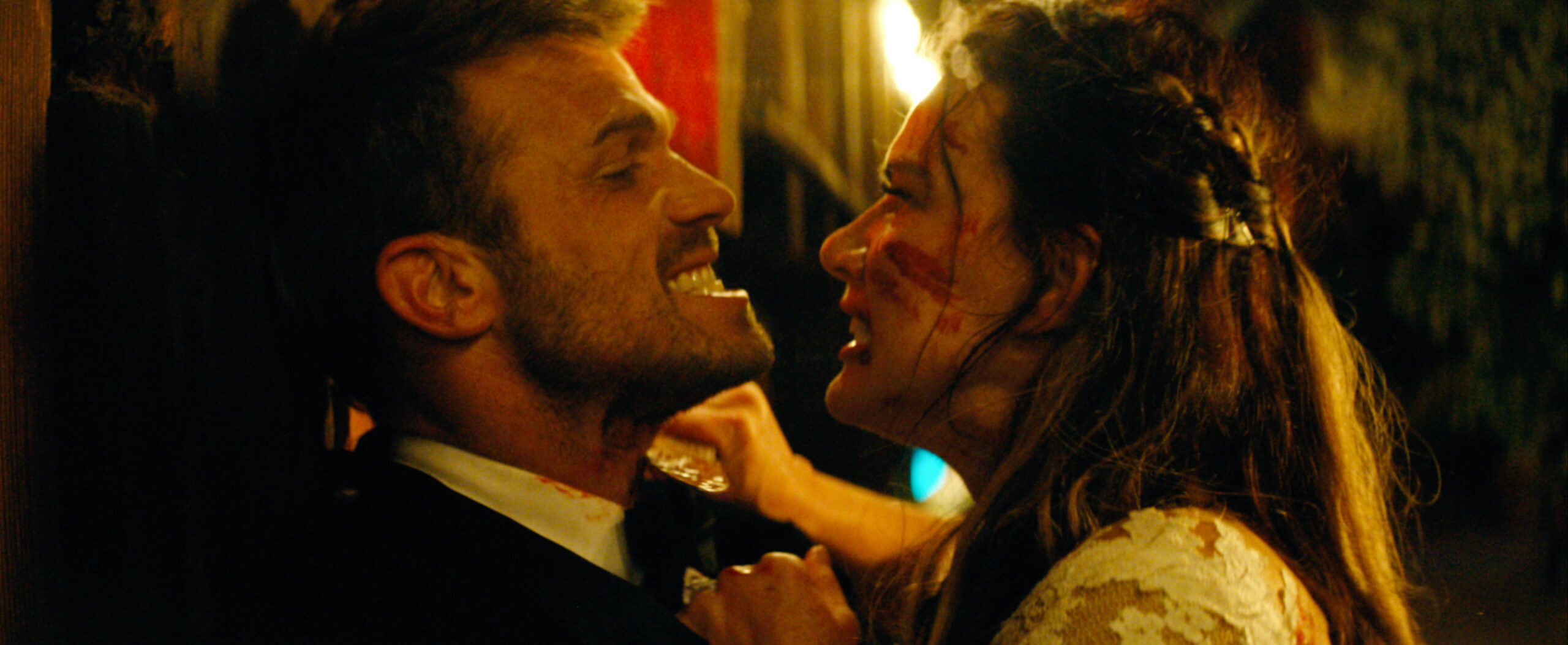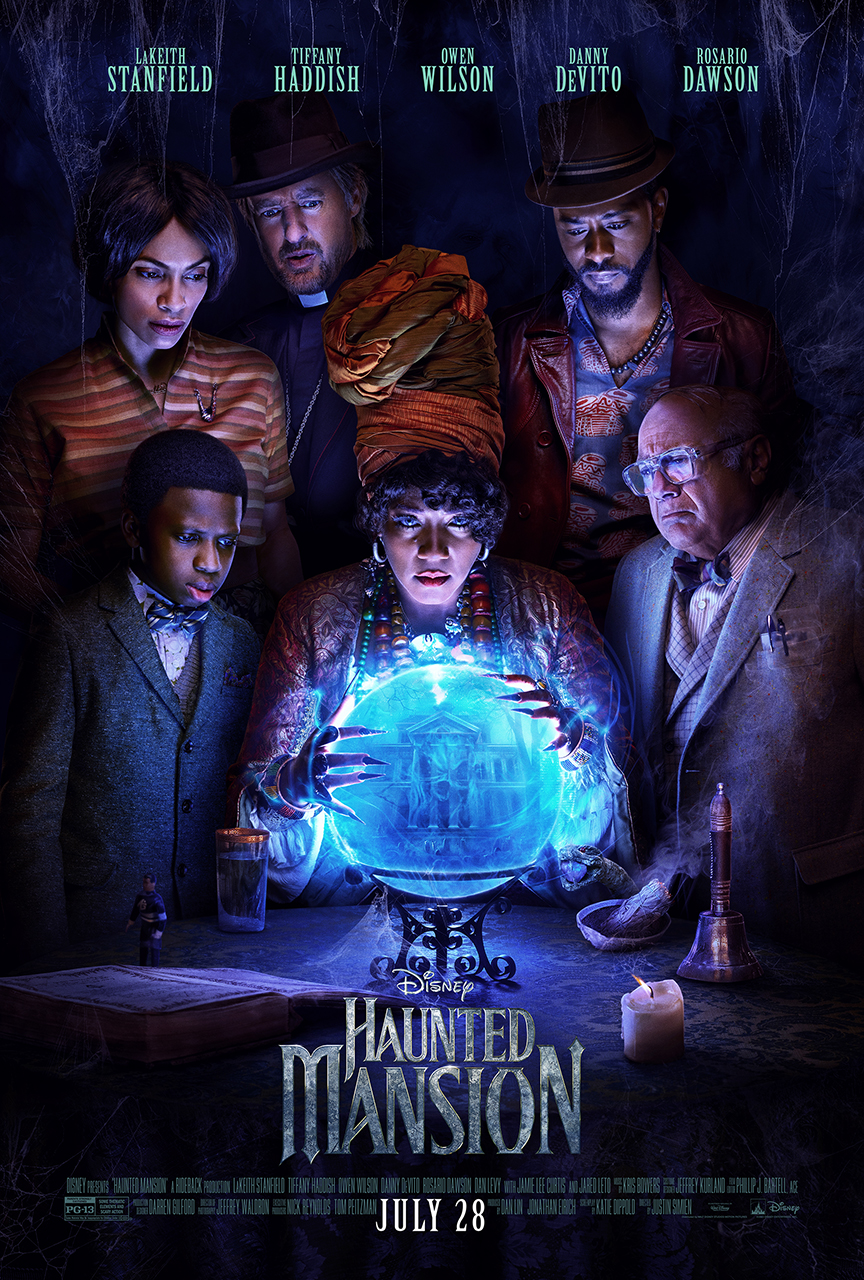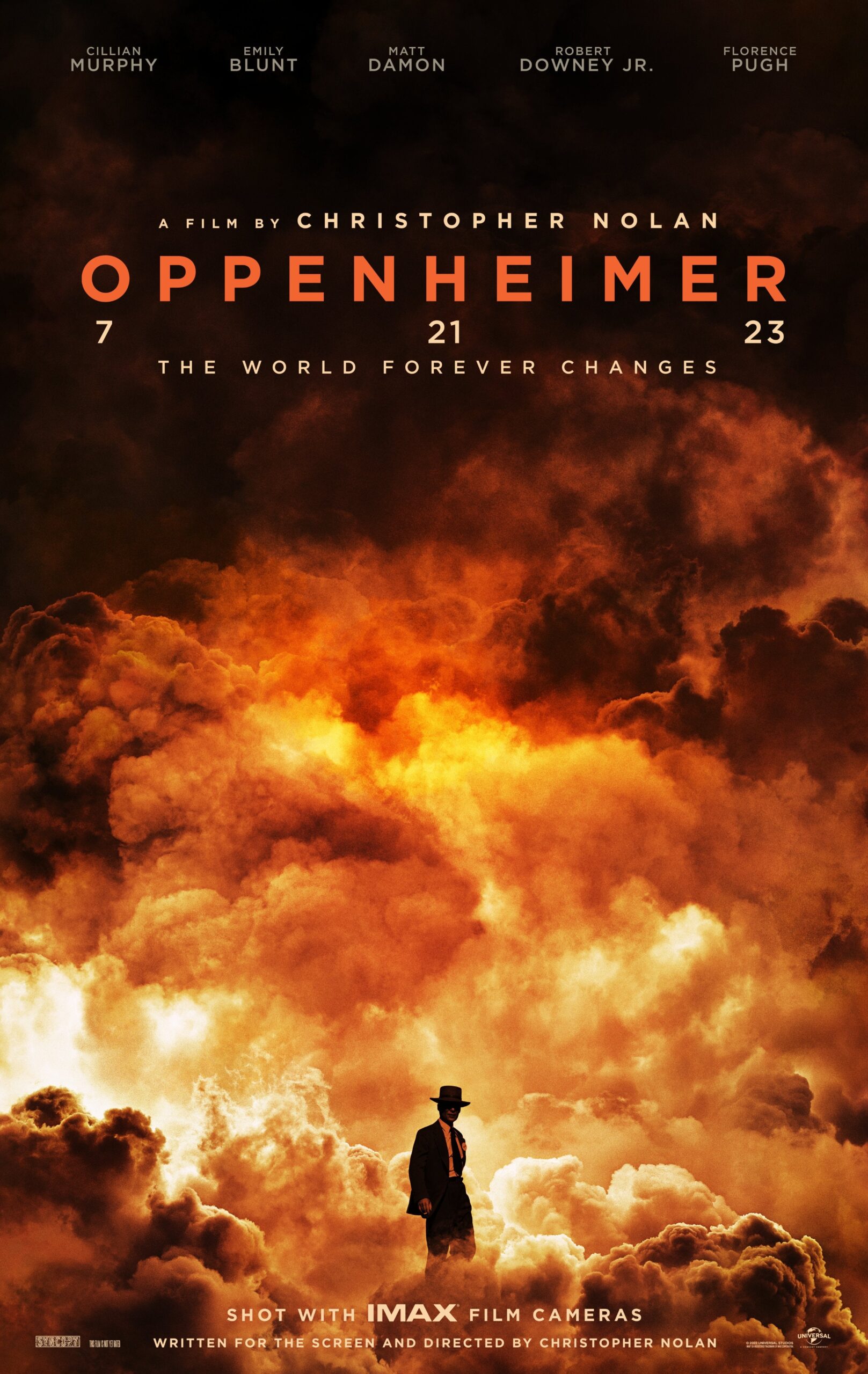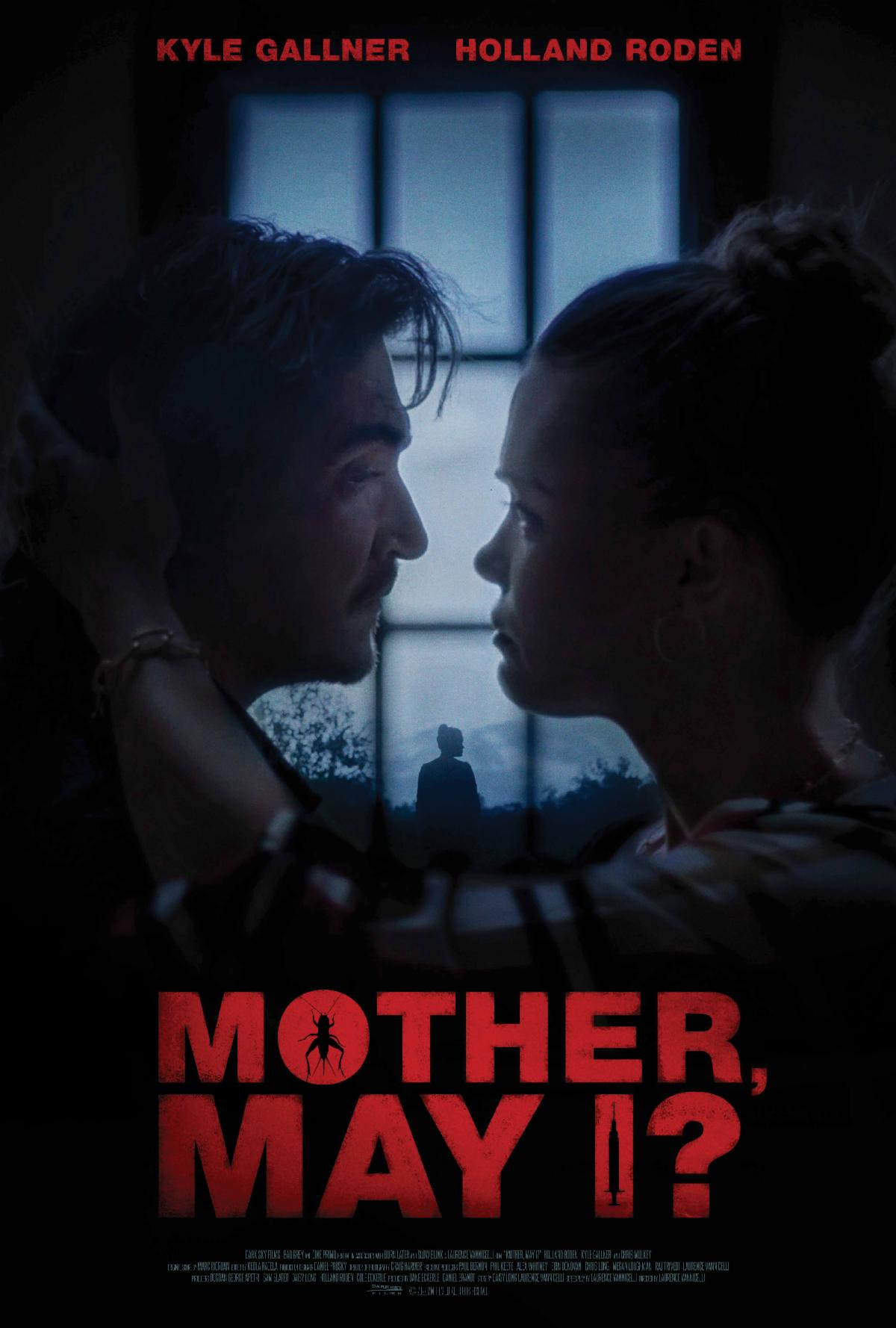

- SHE SAID
- Starring: Carey Mulligan, Zoe Kazan
- Directed by Maria Schrader
- Rating: R
- Running time: 2 hrs 9 mins
- Universal Pictures
A young man, enthralled by the rmagic of the movies, begins to make his own films with his family and friends. If this sounds like Steven Spielberg’s film, “The Fablemans,” you would be right. However, “5-25-77” has been around, in various forms, since 2007.
Film fans will recognize May 25, 1977 as the day “Star Wars” opened in the United States. Like “Jaws” before it, the effect the film had on Hollywood would change it forever. Thanks to the success of “Star Wars,” films like “Star Trek the Motion Picture” and “The Black Hole” were greenlighted by studios, bringing science fiction, once a stalple of 1950s Hollywood, back to the cinema.
Pat Johnson (Daley) takes in a showing of “2001: A Spsce Odysey” and is mesmerized by what he has seen. He begins to make home movies in the neighborhood and finally saves the money to travel to Hollywood with one mission: to meet Douglas Trumball, the man behind the special effects of “2001.” His trip doesn’t go exactly as planned, but what does happen changes Pat’s life forever.
The film follows Pat on his journey west – he lives in Illinolis – where, while waiting to meet Trumball he runs ito a young Steven Spielberg, who is currently finishing up the special effects on “Close Encounters of the Third Kind,” a film Trumball also did the special effects for. He also stumbles into a room containing models for another upcoming film called “Star Wars.” Impressed by the young man’s interest, one of the crew invite him to a screening room where he is given a peek at a very rough cut of “Star Wars.” Overwhelmed by what he’s seen, Pat returns home where he does his best to make his friends and family as “Star Wars” crazy as he is.
The first act of the film is well done. Daley captures the same enthusiasm that my 16-year old pals and I had in wating for the film to open. It’s clear to the viewer that “Star Wars” really had an effect on Pat’s life, much the same way that “Jaws” had on mine. So excited is Pat that he invites his entire class to be his guest at the theatre on opening day.
It’s the second act of the film where things begin to fumble. Even though the film runs a healthy 132 minutes (11 minutes longer then “Star Wars”), Mr. Johnson has tried to cram too much into the final 45-minutes of the film. It’s almost as if, after 15 years of working on the film, Mr. Johnson decided to use everything he had. As someone who focuses on the minute trivia of films, I was disappointed to find a Cubs game on television late at night. I lived in the Chicago area until 1974 and I don’t recall Cub games being re-broadcast. Also, if my ears are working correctly, there is a batter in the game that has 98 RBIs – in mid-May. I have other issues with the film but to list them would require a SPOILER ALERT notice.
I first became aware of this film when Mr. Johnon was interviewed for the “Jaws” documentary “The Shark is Still Working,” a film in which I also appear. I was intrigued by the 5-25-77 poster behind Mr. Johnson and have eagerly been waiting for this film since then. While I did have some quibbles with the film, it is definitely one that should be seen, not only for movie lovers who will find a kindred soul in young Pat Johnson but as a validation of Patrick Read Johnson’s perseverance.
I give “5-25-77” 3.5 stars out of 5.
Starring: Marin Ireland, Judy Reyes and Breeda Wool
Directed by: Laura Moss
Rated: NR
Running Time: 98 minutes
IFC Films
Our Score: 4 out of 5 Stars
You know you’re in for a good movie when a director is able to summarize their film without giving away too much. Before “Birth/Rebirth” began, Director Laura Moss discussed how the film was her own unique take on “Frankenstein” and how the idea has been simmering in her mind since she was a teenager. Even with that kind of spoiler in mind, one where I could expect the reanimation of a dead person, I couldn’t foresee what kind of horrors could be and would be mined in “Birth/Rebirth.”
Celie (Judy Reyes) is a natural as a prenatal nurse at the hospital she works at. She brings her motherly warmth to work to help patients and others, but that warmth will disappear in a flash. Celie’s daughter, Lila (A.J. Lister) abruptly dies, leaving Celie with so much to ponder. On the flip side, we meet a morgue tech by the name of Rose (Marin Ireland) who goes about her work with about as much warmth as the corpses she digs around in. Celie and Rose are strangers, but Lila’s death is going to bring them together in horrific ways.
The mantle of Dr. Frankenstein could be divided up between Celie and Rose, who work together after Rose reanimates Lila. Celie, despite being unable to communicate with the daughter she used to know, tries in earnest to recover what she had by focusing on nearly every aspect of Lila’s life. Rose on the other hand takes a more rudimentary, yet scientific approach to Lia as she makes notes, runs experiments and monitors the overall situation. Sometimes the roles flip as time goes on where one character assumes the role of scientist and the other as parental figure. Because the reanimated Lila remains mostly quiet throughout the duration of the film, it’s difficult to tell what’s actually going on in her head as opposed to the emotional projections by Rose and Celie.
I can’t think of a “Frankenstein” reimaging or story that heavily shifts the narrative to a female centric one. The original story could be viewed as man’s attempt to control what humanity cannot control, life and death. In some ways you could argue the original doctor was also driven by a need to create. The ability to create a human life is not possible for someone born as a man, so Dr. Frankenstein had to create human life in another form. “Birth/Rebirth” seems to explain the passion and need to control life and death as that of a woman/parent. We see how Celie and Rose work with Lila to ensure she survives, the sacrifices both of them make, but is it more about science or more about basic maternal instincts? Rose is the calculating, numbers driven and scientific to all her approaches, but the longer she spends with Celie and Lila, the more something else is taking shape beneath her expressionless face. On the flip side, Celie also realizes the lengths she’ll go to obtain what she used to have, but must also reckon with what it takes to reach that goal.
The film’s ending, which will certainly be annoying to some, leaves more questions than answers. The audience is supposed to reflect on the idea of motherhood and what parenthood in general does to us. The morals of the film are constantly being debated by the characters and by their inevitable actions. Just like the Mary Shelley classic, “Birth/Rebirth” asks us to examine creation, life and death, through our own selfishness, our own sacrifices and ultimately what we are willing to do to secure and fulfill what we see as our obligations to our creations. “Birth/Rebirth” is a monster that you’ll be thinking about long after the credits and lights go up.
Starring: Agnes Albright, Andrew Bailes and Jeremy Holm
Directed by: John Pata
Rated: NR
Running Time: 92 minutes
Our Score: 3.5 out of 5 stars
I’m asked anytime by people who find out that I do urban exploring (the art of exploring abandoned buildings, tunnels and everything in between) about whether or not I get scared. Of course. That’d be like asking a trapeze artist if they’re ever worried about plummeting. The thought will always be there. When it comes to my side hobby, I’ve almost been attacked by humans and animals, nearly broken bones, and, worst of all, almost been caught by authorities. So when I recommend “Black Mold,” a film about two urban exploring photographers taking on a deadly task, it’s not because it taps into that fear.
Brooke (Anges Albright) is going through the motions as her and her budding photographer, Tanner (Andrew Bailes) are adding more photos to their portfolio. The abandoned countryside homes they photograph aren’t enough for Brooke today though. She’s got her eyes on the duo’s white whale, a rundown government facility that is the center of several area rumors. Ignoring the fencing, warning signs, and obvious threats, the two are dropped off by their driver, whom they tell to come back in three hours. The two then set foot inside a building they may never leave.
“Black Mold” never does what you’d expect, which is a treat because it uses a lot of horror tropes. While the story is familiar, the path isn’t. Brooke, we learn, has never come to grips with a traumatic part of her childhood, the death of her father and the ensuing blame being directed at her. While the movie solely focuses on her, Tanner is also dealing with his own personal demons even though they’re never discussed or shown. We just see him react to what he thinks he’s seeing or actually seeing, just like Brooke begins to wonder if a homeless person they encounter in the building is her father.
That is one of the more befuddling parts of this film, what’s real and what isn’t. It’s intentional, but also confusing. For about half of the film, we’re left wondering what experiences are real and which ones aren’t. Eventually day turns to night and we even have to question if time is changing along with perception. I’m not sure why Tanner is in the film, but over time, I wondered if the film could have been better without Tanner because we have no emotional attachment to him. That, and I imagine the isolation would be more impactful for Brooke and the audience.
“Black Mold” is kind of a play on the idea that mold in a dilapidated building could impact your mind. I also believe it’s how the trauma that Brooke experienced not only effects her creatively and in her hobby, but also emotionally because it’s obvious she’s never dealt with her father’s death in any meaningful way or talked with anyone about it. Psychologically and visually speaking, “Black Mold” is a fascinating watch, but the horror itself isn’t as scary as it could be, and the ending feels like a little bit of a letdown. Overall, the film is an enjoyable journey into the psyche of regret, loss and broken relationships.
Directed by: Steve J. Adams and Sean Horlor
Rated: NR
Running Time: 88 minutes
Our Score: 4 out of 5 stars
Children are the greatest non-violent weapon humans have ever had. In 2020-21, my social media was being spammed with #savethechildren. Sounds noble. Besides, who hates children and wishes them ill will? Unfortunately, the #savethechildren people on social media were ignorant to the reasoning behind the hashtag. All these #savethechildren people were suckers for Q’Anon, a conspiracy theory about how the world’s elites are eating, raping, beating, sodomizing, and killing children. Not only children, but newborn infants. While it sounds too crazy to believe, “Satan Wants You,” is a reminder that we’re constantly doomed to repeat an inherent part of our history, believe stupid crap.
If you haven’t heard about the Satanic Panic of the 80s and early 90s, it’s kind of like Pizzagate for the pre-Internet age. They even had their own hashtag before hashtags, having people say “Believe the Children.” The insanity kicked off in 1980 with the book, “Michelle Remembers,” where Canadian Michelle Smith, with the help of her then-psychiatrist at the time, remembered buried memories. Those memories were of being kidnapped, caged, beaten, sexually assaulted, raped repeatedly and forced to eat babies along with other Satanists in a ritual meant to summon the Lord of Darkness himself. Makes for an interesting fiction novel, but “Michelle Remembers” was touted as a real life encapsulation of a secret cabal right under society’s nose.
“Satan Wants You” doesn’t dig around in every nook and cranny, but it’s an incredibly entertaining and serviceable documentary on the Satanic Panic, for those who know nothing about and those like me who could stand to learn a little bit more, including the interesting tidbit later in the documentary about how insurance companies may have saved the day. The documentary’s focus is on how such a perverse lie was able to spread around the U.S. like a new strain of COVID-19, while examining the possibilities of why Michelle would remember…a lie.
Michelle’s psychiatrist, Lawrence Pazder, eventually became her lover and husband. It doesn’t take an HR consultant for most people to recognize a doctor and patient hooking up is the biggest ethical red flag you could potentially spot. The documentary seems to imply more wrong with Pazder than it does Michelle, as it talks with his family members about how he abandoned them for one of his patients. It details how Pazder had a fascination with the perceived weirdness of other cultures and traditions, and how that kind of got channeled through his sessions with Michelle. In my personal belief, I think he was a sexual deviant and Michelle’s recollections were simply part of his fetish.
But what about Michelle? It’s easy to pin the blame on the person spinning these lies, but the documentary treats everyone fairly, including Michelle. If anything, she is a victim to Pazder’s delusions of grandeur, because he envisioned himself becoming famous with her recounting of the alleged demonic occurrences. She also was seeking psychiatric help because she had endured a miscarriage. So in a vulnerable position, she was most likely persuaded by Pazder. A lot of this is my own musings based on the film because “Satan Wants You” is so balanced and thoughtful in its approach. The film doesn’t look to demonize or point the finger of blame at anyone particularly. Unfortunately we can only blame ourselves, especially since history shows that anytime there’s a crisis of faith or a newfound religion, one side attempts to demonize and disparage that group with lascivious lies involving children. For a harmful conspiracy theory to flourish, it takes a village of idiots.
For those who are interested in the Satanic Panic, “Satan Wants You” is a must-watch, even for those who may not know anything about it. At times it feels like it doesn’t say enough while at the same time giving us enough information to completely understand and digest the whole damn mess. You may find yourself wondering aloud during the film, “How the hell do people believe this?” Well, just wait until 2060 when we release a film about all the morons who thought a billionaire narcissist was going to save all the babies from demonic Jews in positions of power eating babies or how Lil Nas X is the Anti-Christ or how social media campaigns never helped children.
Starring: James Marsters, Christopher McDonald and Hana Mae Lee
Directed by: Evan Marlowe
Rated: NR
Running Time: 94 minutes
Our Score: 2.5 out of 5 Stars
Anytime I see human puppets, I immediately think of “Team America: World Police” or “Being John Malkovich.” I’m not sure if that’s because I discredit the art form of puppets altogether and can only tolerate self-mocking portrayals or if that’s because the films are top tier puppet films. While it’s still too early to say, I think I might start adding “Abruptio” to that mental list anytime I see someone with a marionette.
When we meet Les Hackel (James Marsters), he’s working a dead-end job, living at home with his parents still, and getting dumped by his valley girl sounding girlfriend. Then, without any warning, he notices an incision at the base of his neck. One of his buddies has one too, and his buddy knows what it is; a bomb. Then Les begins receiving mysterious messages on his phone stating that everything will be fine as long as Les does what they say. If not, boom goes the neck bomb.
“Abruptio” is a unique take on human puppets because they’re a mix of actual puppets and life-sized puppets; I think. I’m not sure about the actual puppets, but it is very clear from the get-go that actors on screen are wearing puppet looking masks, attire, hands, etc. The mix of real world and puppets is, at most times, visually unsettling. The puppets stick out like a sore thumb, but because of that very intent, it makes us question the reality that the life-size puppets are in. The preposterous plot and visuals only amplify the unease as Les has to do more and more sinister things from the mystery entity or entities.
Adding to the bizarre plot devices are the vocals. We have the late Sid Haig, THE Freddy Kreuger (Robert England), and Christopher McDonald giving us that Shooter McGavin tone. For a film that took seven years, I’m impressed at the range of people who inevitably signed on to such a unique, puzzling, puppet film. Outside of the technical aspects and voice acting talent, “Abruptio” sometimes feels and looks hollow.
Les is more of a villain than a hero, so following him throughout the film can be a moral drag. While this film sits neatly into the horror genre, there’s still some basic ethics in horror. For instance, the puppet nudity never felt necessary or earned. I know, you probably had to do a double take at the puppet nudity. While it didn’t bug me at first, it was utilized at certain points to an unpleasant degree. Some moments felt hateful while others were more masturbatory in their presentation. It also doesn’t help that Les’ character looks like a 55-year-old loser on the verge of shooting up a gas station and he’s having several woman issues throughout the movie.
I can’t completely disregard something like “Abruptio,” because the ending reveal may make everything prior seem like a big misunderstanding. For the horror community, “Abruptio” is a fine addition to the “so weird it’s oddly good” category, but for everyone else, the film will be too dark and miserable to enjoy.
Starring: Kimberly-Sue Murray, Shaun Benson and Stephen Bogaert
Directed by: Corey Stanton
Rated: NR
Running Time: 84 minutes
Our Score: 4 out of 5 stars
Sometimes the strangest things in life end up becoming the best fodder for films. Since the first image flickered with life on-screen, movies have commented on politics, government squabbles, war, famine, Hollywood itself, etc. All of it has been caught by the watchful eye of directors looking to make a statement, whether it’s subtle or blunt. As I’ve mentioned in other reviews, the pandemic was a breeding ground for ideas, but I can honestly say I never expected a director to watch the GameStop squeeze in later 2021 and go, “That gives me an idea…”
Does the lead of “Trader” have a name? No. Kimberly-Sue Murray leads the way in “Trader,” a film shot in the apartment basement of a building with Murray as the only person we’ll see for the next 84 minutes. She lets us know what kind of person she is in the opening minutes as she scams an elderly person over the phone out of their credit card and personal information so she can dump some funds into her bank account. What does she want to do with that money? Stonking some tendies to the moon and back (Sorry, r/WallStreetBets lingo). I’m sure that sounds like a boring premise to some, but I assure you it is not. Murray, who delivers a tour de force performance, carries this film on her back as she learns about stock trading, learns about options trading, and attempts to hedge her way into a cutthroat world that may just end up eating her alive, unless she bites first.
Murray may just be the sole reason we watch “Trader.” It’s not a character study, but what we get out of her character is personal financial determination mixed with sociopathic tendencies. She’s a smart cookie, and will possibly break your arm for doubting it. She eventually makes her way through the message boards and connects with a broker named Bob who plays the stock market for social media clout and, of course, the millions of dollars. Murray’s character aches for that life and that luxury, but as one person in a basement on her lonesome, she has to make due with what she’s given. She’s been given Bob the Broker and will lie her way to a seat at the broker table.
Throughout the film, we’re told through discussions with Bob that Murray used to be a victim of sex trafficking, but can we believe that? Most of the time we see her lying, even to Bob, so when she does cry and seemingly stares off into the distance with all the seriousness of the world in her eyes, we have to believe her. But it’s that same kind of personality that she uses to fool others, whether it’s the geriatric at the beginning with his credit card in hand or Bob teasing a better life. One of the more fun aspects of the film is attempting to piece together who Murray’s character is and isn’t.
Even if you know nothing about GameStop or stock trading, “Trader” is a low-budget techno-thriller with plenty on its mind and plenty more to say. Murray gives the best performance of the year, so far, with equal amounts of pain and pleasure during the entire process. Murray’s character is physically, mentally and emotionally working through a past that’s never revealed, but watching her kick and crawl through the boy’s game at Wall Street is an absolute delight. If you’re lucky enough to see this on a streaming service or anywhere in the future, give it a watch and prepare to be blown away by its mesmerizing simplicities.
Starring: Krsy Fox, Scout Taylor-Compton and Dylan Rourke
Directed by: Spider One
Running Time: 90 minutes
Rated: Unrated
Tubi
Our Score: 3 out of 5 stars
If you had told me that within a half year time span that Rob Zombie would release his worst movie of all time, followed by his brother releasing his best film, I’d probably believe you. But that’s horror for ya. Sometimes directors and writers release something that might be incomplete or a fully unfulfilled idea. That’s what I thought about Spider One’s release at 2022’s Panic Fest, “Allegoria.” While I didn’t write a review for it, I kind of enjoyed it, but wouldn’t recommend it to anyone. That being said, I’m recommending the hell out of “Bury the Bride.”
How does a bachelorette weekend in a cabin in the desert sound? Terrible, right? Well, that’s what June (Scout Taylor-Compton) wants for her party, which automatically raises red flags amongst all her friends. Not only does she want a low-key bachelorette party, despite years of telling her friends about a really kickass one that she’s planning in her dream, but she’s marrying a redneck. To put this in perspective, June and her friends don’t look like they’ve ever spent time in the South or Midwest. And what I mean by that, is that they’ve never visited the true parts of the South and Midwest. I’m not saying they’ve never been to Nashville or Chicago, but they sure as hell haven’t been to Skidmore, Missouri or Jefferson, Texas. The really weird part? When June’s fiance does crash the party, the two seem blissfully happy. So what’s the deal?
“Bury the Bride” takes a lot of turns before arriving at its big twist, which quite honestly gave me a momentary sense of panic because I legitimately wasn’t expecting it. Even before the film, the audience was told of a fantastic twist so the whole time I sat there wondering what it could be and out of the 100 things I was thinking, I was still wrong. Props to Spider One and Krsy Fox, who wrote the story together and shot it after “Allegoria” had its world premiere at Panic Fest 2022. Even the twist has its twists in the third act, giving the film an overall unique spin on a rather worn out story we’ve seen dozens of times before.
Because the characters are written to be so genuine and real, the acting feels inherently natural even when things go completely off the rails. The performances are actually the strongest part of the film, which to me is equally impressive since most, if not all of the actors, were in “Allegoria.” It’s clear that Spider One and crew learned a lot from their debut pandemic-era film, not only how to keep a budget low, but also creating a cohesive story throughout. “Allegoria” was more of a hit-or-miss anthology without a connective tissue whereas “Bury the Bride” is a bloody killing spree in a desolate square of white trash. There are still some issues, like sound and visual goofs, as Spider stretches his eight creative legs, but with the leaps and bounds made from “Allegoria” to “Bury the Bride,” I’m hoping Spider makes another stop at Panic Fest next year for his third film.
Starring: Kansas Bowling, Darius Willis, Poppy Cunningham, K.J. Baker, Taylor Smith and Lew Temple
Directed by: Jay Burleson
Rated: Unrated
Running Time: 89 and 97 minutes
Dark Sky Films
Our Score: 4 out of 5 stars
Never seen or heard about “The Third Saturday in October: Part V” or the prior four films in the franchise? Don’t worry, no one has. The text crawl at the beginning of “Part V” tells us all we need to know about the franchise. It states that the first film in the series was created as a cash-in on the popularity of “Halloween” in 1978. It became a cult classic, spurring several slasher sequels over the next decade and a half, but the first film has been lost to time. Thankfully for you and I, “Part V” has been found.
Anyone who has read, heard or seen anything about this film knows that the first film is available. But for reasons I’ll explain later, you should watch “Part V” first. The killer of this non-existent, made-up franchise is Jakkariah “Jack” Harding, a scarred killer who appears every third Saturday in October to kill unsuspecting teens and other morons in the fictional town of Hackleberg. Both films basically have Jack murder his way through a group of high, drunk and horny high schoolers, and other random character clichés, gathering together to watch the iconic football game between Alabama-Mobile and the Tennessee A&M Commonwealth. In “Part V,” Jack wears a never before seen clown/child mishmash mask that isn’t scary or menacing. What this film is, is plenty of cheese dripping at the corners of your screen, a budget so low it’d make Lloyd Kaufman tear-up and comedy good enough for the “Scary Movie” franchise (at least the good movies in the franchise).
“Part V” is an homage and parody dropped into a blender with discount guts/gore, horror movie tropes and easily disposable caricatures. “Part V” was allegedly released in the early 90s and it definitely shows in the characters, using vernacular of the time with the style of goth kids from that era. The actors are clearly older than the “teens” they’re playing, adding to the overall goofiness of the film. There are several winks at movies outside the “Halloween” franchise, such as “Misery,” “Friday the 13th,” and “Texas Chainsaw Massacre.” The one thing the movie really nails is the odd thematic mix that was “Halloween 5: The Revenge of Michael Myers,” the main film being spoofed here. Without making this a laundry list of references, “Part V” is not only pure entertaining fan service, but also a retro throwback to early 90s horror which was ultimately a cash grab that failed to recognize or continue the story of the iconic slashers from the late 70s.
So what about the first film? “The Third Saturday in October” serves as the true beginning of the franchise, but watching “Part V” first gives you a sense of who the killer is while the first tells you the what and why of the killer. I won’t go too much into the first film, but it’s still a comedy-horror. Instead of relying solely on laughs, the film takes a bit of a more serious edge just like most slasher films did in their first franchise creating film. Everyone who’s watched “Nightmare on Elm Street” knows that Freddy Krueger is all menace and no jokes in the first of the franchise. The chuckles and one-liners don’t make an appearance until the third film, “Dream Warriors.” This happened a lot in franchises and 80s horror.
With his tongue firmly planted in his cheek, director Jay Burleson makes the most spot-on representation of two different time periods in horror cinema. He manages to take the best parts of those screenshots into history while ridiculing the parts that have aged about as well as 3D technology in late 80s horror films. He makes his supposedly menacing killer, who giggles behind the mask while maiming and killing, even trashier and goofier than Pinhead in 1992’s “Hellraiser III: Hell on Earth.” Burleson has done his research stylistically and writing wise, making “Part V” walk and talk like every other early 90’s horror that failed to do its horror icon justice. But since we’ve never been acquainted with Jack, we don’t necessarily feel the same way when Pinhead and Freddy focused more on one-liners than kills. With Jack and the cast of dopey teen characters, we relish the intentionally awful concept.
“Part V” is an insane amount of fun if you’ve ever grown up watching slashers or were like some 90s kid and watched one of those God awful 90s slasher films looking to capitalize on the success of its predecessors. I believe that’s the intent of Burleson, who most likely grew up as I did or knew someone who did. Growing up in the 90s, I didn’t have a lot of access to late 70s/early 80s horror content, so a lot of times with horror franchises, I would work backwards. Burleson does this with his franchise as an homage and meta commentary on the whole notion that regardless of when you start a horror franchise, if you vibe with the killer, you will ultimately like it all. It also may be a commentary on horror purists, who believe the sequels are inferior to the original, whereas someone like me watched “New Nightmare” before the original “Nightmare.” So sue me, I like “New Nightmare” better. Would that theory hold true if you watch the first “Third Saturday in October” before “Part V?” That’s another potential piece to this metaphorical puzzle. If you went to the video store back in the day and wanted a horror movie night, you were at the mercy of what’s available. So, maybe all you had upon your return home was the first “Friday the 13th” and “Jason Goes to Hell.”
I’m sure there’s some people rolling their eyes at the prospect of an intentional double feature that has to be watched out of order. That’s a fair point and one that I can’t really fault people on, especially when horror movies often tease a gimmick only to fail at making the gimmick work. Burleson not only makes the gimmick work, but I think it’s safe to say that without the internet or smartphones, he could have easily fooled people into believing this was some kind of diamond plucked from a Blockbuster dumpster. Even then, Burleson understands everything about these eras of horror, from how they were lit, how they were portrayed and the overall tone they were going for. He’s like a horror historian that decided to show his knowledge with his funny bone.
I wouldn’t be taking these two films as seriously if it wasn’t for how spot-on this film is at the decades and genres it’s lampooning. What makes this low budget, poorly acted film such a delight, is that everyone and everything is committed. The little girl who plays the trope of being too smart for her age along with the stereotypical babysitter are delightful along with their gaggle of friends that represent every high school teen stereotype. It’s also fun watching the douchebag jocks in each film get their cruel karma after they dish out some insults to the geeky kids. Because of that, we’re glad to see them meet their end at Jack’s hands. I tried as best I could to stay away from some of my favorite gags in this film (there are a lot) because each passing minute is a chance for Burleson to pay homage to one film, while ridiculing another, and then doing the complete opposite in another scene later on. If Burleson plans on doing the next logical thing, an early 2000s reboot, I’m all-in. Then of course we’ll need the 2020s approach, just make a sequel to the first and ignore all the other sequels. I wanna see what Jack does next and you should definitely see what he does in “Part V” and his origin story.
Got to be honest, when it comes to sharks, I am a sucker. I watch all types of films shark films and trust me I have seen some crappy films over the years. “The Black Demon” suffers from a weak plot but features a solid CGI megalodon shark, it’s definitely no “The Meg” but you can tell they spent all their money on two things…Josh Lucas and the shark. After watching this trailer, which I felt gives too much away, I was hoping this was going to be one badass film but I was left wanting more.
THE BLACK DEMON stars Josh Lucas (“Yellowstone”), Fernanda Urrejola (Cry Macho) and Julio Cesar Cedillo (Sicario). The film was directed by Adrian Grünberg (Rambo: Last Blood) and written by Boise Esquerra (“Blackwater”) from a story by Carlos Cisco (“Star Trek: Discovery”). The director definitely knows how to bring the action to this film but I just wish that it packed a better story.
Official Premise: Oilman Paul Sturges’ (Lucas) idyllic family vacation turns into a nightmare when they encounter a ferocious megalodon shark that will stop at nothing to protect its territory. Stranded and under constant attack, Paul and his family must somehow find a way to get his family back to shore alive before it strikes again in this epic battle between humans and nature.
Based on the Mexican legend, THE BLACK DEMON never gets a chance to really give the shark any meaning. It spends far too much time on land and when the shark does appear its brief and at underwhelming moments. I was hoping for more mythology of where the shark came from and why he was only stalking this oil rig but the pay off was simply disappointing. I have had more fun with cheesy SyFy shark movies over this one.
2.5 out of 5 stars