

My first knife purchase started with weeks of browsing and second thoughts. I kept returning to DMarket’s cs2 knives for sale page, comparing shapes and finishes, then closing it because the amounts felt harder to justify than any rifle skin I had bought. I eventually committed, but I made my choice in almost the exact reverse of the order I would use now.
Regular skins had trained me to think in smaller decisions. If I regretted a modest AK-47 finish, I could resell it and move on without feeling that I had derailed my whole inventory budget. A knife felt different. I would see it whenever I switched to melee, and its price meant that the wrong choice would bother me for longer.
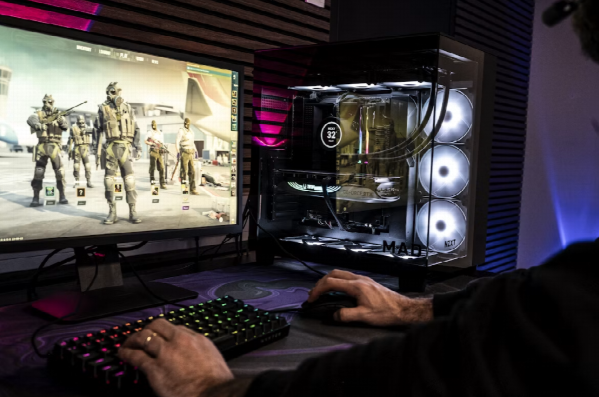
Why I Waited So Long
Part of the hesitation came from treating every price difference as a clue about quality. A more expensive model seemed as if it had to feel better, while a rare finish seemed safer than a plain one. Neither assumption helped. Price reflects supply and demand, but it cannot tell me whether I will enjoy an animation after the novelty wears off.
I also compared numbers that did not mean quite the same thing. A Steam listing is denominated in Steam Wallet funds, which Valve says have no value outside Steam. A third-party marketplace can use cash-based prices and its own fees. Once I separated those reference points and set a firm total budget, the decision became less abstract.
The useful question was simple: which knife would I still like if I stopped checking its market price for a month? I did not ask this soon enough.
The Mistake Hidden by a Good Finish
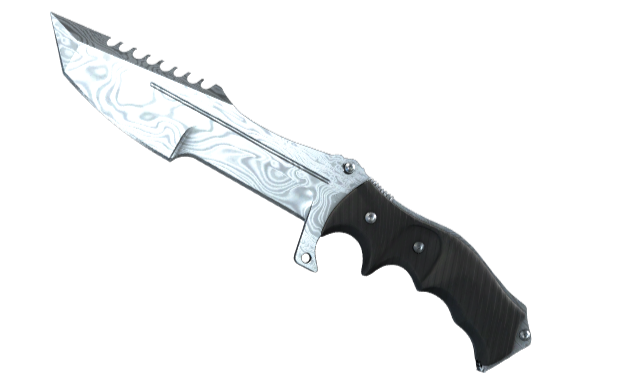
I chose the finish first. Damascus Steel looked clean in screenshots, and I spent most of my research comparing exteriors and tiny price gaps. Only after that did I settle on the model—a Huntsman Knife—because one listing fit my budget.
In a static image, the combination worked. In a match, the model mattered much more than I expected. The broad blade occupied more of my view than I liked, and the draw and inspect motions did not have the feel I had pictured. Nothing was wrong with the knife. I had simply evaluated the part that moves last, and the surface painted on it first.
That distinction sounds obvious now. The model determines the silhouette, size, grip, and animation set. The finish changes the surface. Float Value may alter the visible wear, depending on the finish, but it cannot make an animation feel better.
Another mistake was relying on marketplace thumbnails. Now, I inspect the exact model in CS2 or watch several uncut clips that show the draw, idle, attack, and inspect sequences. I also use it for more than a few seconds. An animation that looks exciting once can feel distracting after 20 rounds.
The Order I Use Now
I have reduced the process to three decisions, and I do not move forward until each one is settled.
- Model: I compare blade shape, screen presence, handle position, and every animation I will repeatedly see. I keep a shortlist of two models at most.
- Finish: Once the model feels right, I decide whether I want a patterned finish, a muted design, or a vanilla knife. I check how the finish sits on that particular blade rather than assuming it looks the same across models.
- Float Value: I compare the available exteriors and exact Float Values only after choosing the first two. I pay more for a lower value only when I can see a meaningful difference on the blade.
There is one extra check before payment: the actual item. Pattern placement can matter on finishes such as Fade or Case Hardened, so two knives with the same market name and exterior may still look different. Screenshots, inspection details, and the total checkout cost all deserve one final pass.
Where I Would Start Today
I would begin in DMarket’s knife section and filter by model before looking seriously at prices. That keeps a striking finish from pulling me toward a knife shape I have not tested. After narrowing the model, I would compare designs, then inspect Float Value, exterior, pattern, and price within that smaller set.
This approach also makes hesitation useful. If I keep changing models, I am not ready to buy. If the model stays fixed but the finish changes, I can keep comparing without restarting the entire decision.
My first knife was partly wrong, yet the purchase taught me exactly where screenshots stop helping. A CS2 knife is something I see in motion, so I now choose the movement and shape before the artwork or wear. That is the purchase process I wish I had followed first.