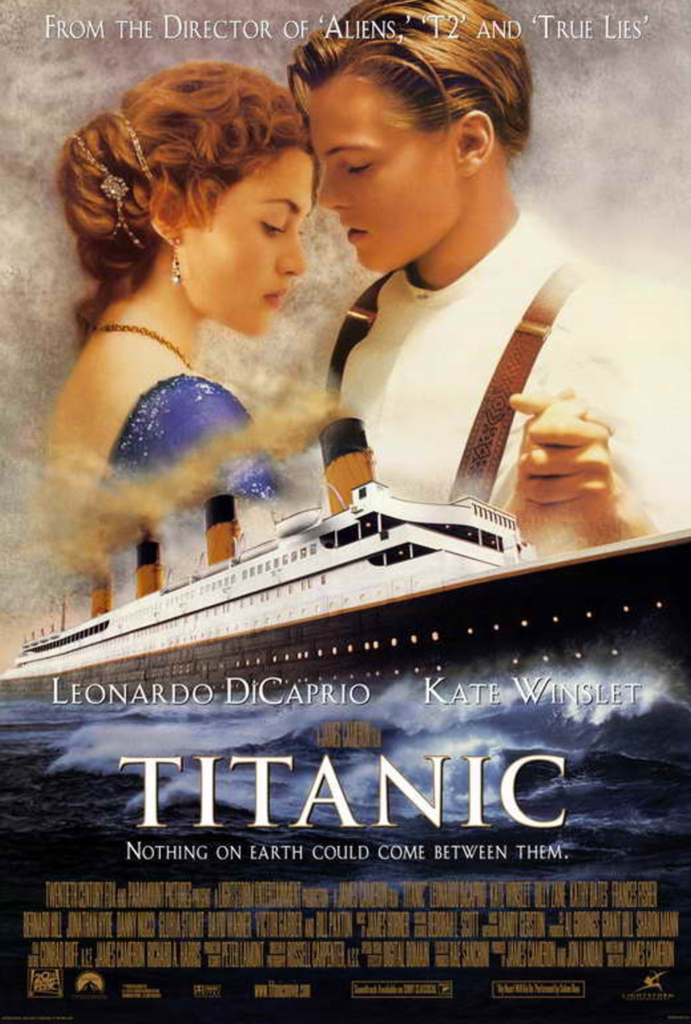

Movie-inspired apparel has long been a staple of fan culture, appearing everywhere from cinema premieres to everyday streetwear. What has changed in recent years is how that apparel gets made. Instead of relying solely on large-scale manufacturers, creators, filmmakers, and fan communities now have access to flexible production methods that support small-batch and on-demand merchandise.
Among these methods, Direct-to-Film (DTF) printing has emerged as one of the most practical solutions for producing detailed, vibrant apparel inspired by cinematic themes. With modern DTF printer systems such as HueDrift, creators can transform movie-inspired concepts into wearable pieces with relatively simple workflows and professional-quality results.
This guide explores how DTF technology works and provides a step-by-step process for printing movie-inspired apparel from concept to finished garment.
Understanding DTF Printing Technology
Direct-to-Film printing is a textile decoration process that involves printing a design onto a specialized film, applying adhesive powder, curing the transfer, and then heat pressing it onto fabric. Unlike some other apparel printing methods, DTF does not require pretreatment of garments and works across a wide range of textiles.
Several characteristics make DTF particularly suitable for cinematic apparel designs:
● High color vibrancy that supports poster-style graphics
● Ability to reproduce gradients, lighting effects, and shadows
● Compatibility with cotton, polyester, blends, and dark fabrics
● Efficient production for short runs and limited drops
These advantages align well with the creative needs of movie-inspired apparel, where visual storytelling and artistic detail are essential.
Planning Your Movie-Inspired Apparel Design
Successful movie-inspired apparel rarely relies on direct replication. Instead, strong designs draw from cinematic elements such as:
● Genre color palettes
● Symbolic props or environments
● Mood-driven compositions
● Typography inspired by film aesthetics
This approach allows designers to capture the spirit of a film while maintaining originality.
Before printing, artwork should be optimized for DTF production:
● Use high-resolution files (typically 300 DPI)
● Export with transparent backgrounds
● Maintain accurate color profiles
● Choose formats compatible with RIP software
Thoughtful preparation at this stage helps prevent quality loss during printing and ensures visual clarity on fabric.
Creating movie-inspired apparel with DTF requires several core components:
● A DTF printer
● PET transfer film
● DTF inks
● Adhesive powder
● A curing method or oven
● Heat press equipment
● Blank garments
Modern printer ecosystems simplify this setup by integrating workflow software, ink systems, and compatibility guidance, making the process more approachable for creators entering apparel production.
Step-by-Step: Printing Movie-Inspired Apparel Using DTF
Step 1 — Finalize your artwork
Confirm placement, sizing, and composition. Designs intended for cinematic impact often benefit from centered layouts or poster-style framing.
The design is printed in mirror orientation onto PET film. Adjust print density to preserve shadow detail and gradient transitions, which are common in movie-inspired graphics.
Step 3 — Apply adhesive powder
While the ink remains wet, evenly coat the design with adhesive powder. Proper coverage ensures strong bonding during heat pressing.
Heat is applied to melt and activate the adhesive layer. This stage stabilizes the transfer and prepares it for garment application.
Step 5 — Heat press onto apparel
Align the transfer on the garment and apply heat and pressure using recommended settings. Consistent pressure supports even adhesion across detailed artwork.
After pressing, remove the film according to its peel specification. A secondary press can enhance durability and surface finish.
Recommended DTF Printers From HueDrift
Choosing the right DTF printer involves balancing print quality, ease of use, and production requirements. HueDrift offers several models designed to support creators at different stages, from hobbyists producing fan apparel to businesses handling larger merchandise drops.
The HueDrift One DTF Printer is designed for small business owners, hobbyists, and creators working in compact studio environments. Supporting print sizes up to A3, it is suitable for producing t-shirts, tote bags, hats, and other fan merchandise.
This model emphasizes user-friendly operation, allowing beginners to navigate setup and printing with minimal learning curve. Consistent color output and reliable adhesion across multiple fabrics make it a practical entry point for apparel production.
Its compact footprint allows it to fit easily into home studios or small workshops, while included video tutorials and lifetime remote support provide guidance for troubleshooting and skill development. For creators exploring movie-inspired apparel production for the first time, this model offers an approachable and dependable solution.
The HueDrift Pro DTF Printer is positioned for users seeking higher throughput while maintaining strong visual quality. With wider print capability and improved color layering, it supports more detailed cinematic designs and faster order turnaround.
An advanced ink system contributes to durable, vibrant transfers across different fabric types, which is particularly useful when producing collections or recurring merchandise. Enhanced software compatibility also helps streamline workflow management, making batch production more efficient.
Maintenance guidance and ongoing support minimize downtime, making this model suitable for growing apparel brands and creator-led merchandise projects.
For larger-scale production, the HueDrift Pro Max DTF Printer delivers expanded print area and increased speed. Designed for sustained output, it accommodates bulk merchandise runs while preserving design sharpness and color depth.
Professional-grade components and a robust structure support continuous use, while integrated curing and drying capabilities help simplify transfer preparation. Extended warranty coverage further supports high-volume environments.
This model is well suited for businesses scaling apparel production or managing extensive merchandise campaigns tied to film releases, events, or community initiatives.
Key Features Across the HueDrift Range
Across the product lineup, several shared characteristics support efficient movie-inspired apparel production:
● Vibrant color output with strong opacity and rapid drying
● User-friendly controls complemented by tutorials and remote support
● Compatibility with a wide variety of apparel and accessory fabrics
● Standard warranty coverage for components
● Flexible purchasing options that help creators adopt equipment gradually
Together, these features allow creators to select a printer aligned with their current production scale while retaining room for future growth.
Tips for Achieving Cinematic-Quality Results
Producing apparel that reflects the visual impact of film requires attention to detail:
● Use contrast to replicate cinematic lighting
● Pair garment color with design mood
● Simplify complex poster compositions for readability
● Conduct sample prints before full production
These strategies help translate screen-based visuals into effective apparel graphics.
Use Cases for Movie-Inspired DTF Apparel
DTF printing supports a variety of creative and promotional scenarios within film culture:
● Fan community apparel for watch parties
● Merchandise for independent film releases
● Festival-related apparel collections
● Limited-edition creator merchandise
● Community-driven film club apparel
Because DTF excels in short-run production, it allows creators to experiment with niche concepts without committing to large inventory volumes.
Why Modern DTF Systems Improve the Workflow
Advancements in printing technology have made apparel production more accessible to creative communities. Contemporary DTF systems contribute to this shift by offering:
● Streamlined design-to-print workflows
● Consistent output across multiple transfers
● Faster turnaround for new concepts
● Reduced technical barriers for beginners
These improvements enable filmmakers, designers, and fan creators to respond quickly to cultural moments and audience interest.
While DTF printing is approachable, several pitfalls can affect results:
● Low-resolution artwork leading to blurred prints
● Incorrect curing temperatures causing weak adhesion
● Overly complex designs that lose clarity on fabric
● Ignoring fabric characteristics when selecting blanks
Avoiding these issues helps maintain both visual quality and product durability.
Movie-inspired apparel represents more than merchandise—it is an extension of storytelling that allows fans and creators to carry cinematic experiences into everyday life. As production methods continue to evolve, DTF printing stands out as a flexible and creative-friendly solution for bringing film-inspired concepts to apparel.
By combining thoughtful design planning with a structured printing workflow, creators can produce vibrant, durable garments that capture the mood and identity of cinematic worlds. With accessible technologies and adaptable printer ecosystems supporting the process, the journey from cinematic concept to finished apparel continues to become more achievable for creators of all levels.