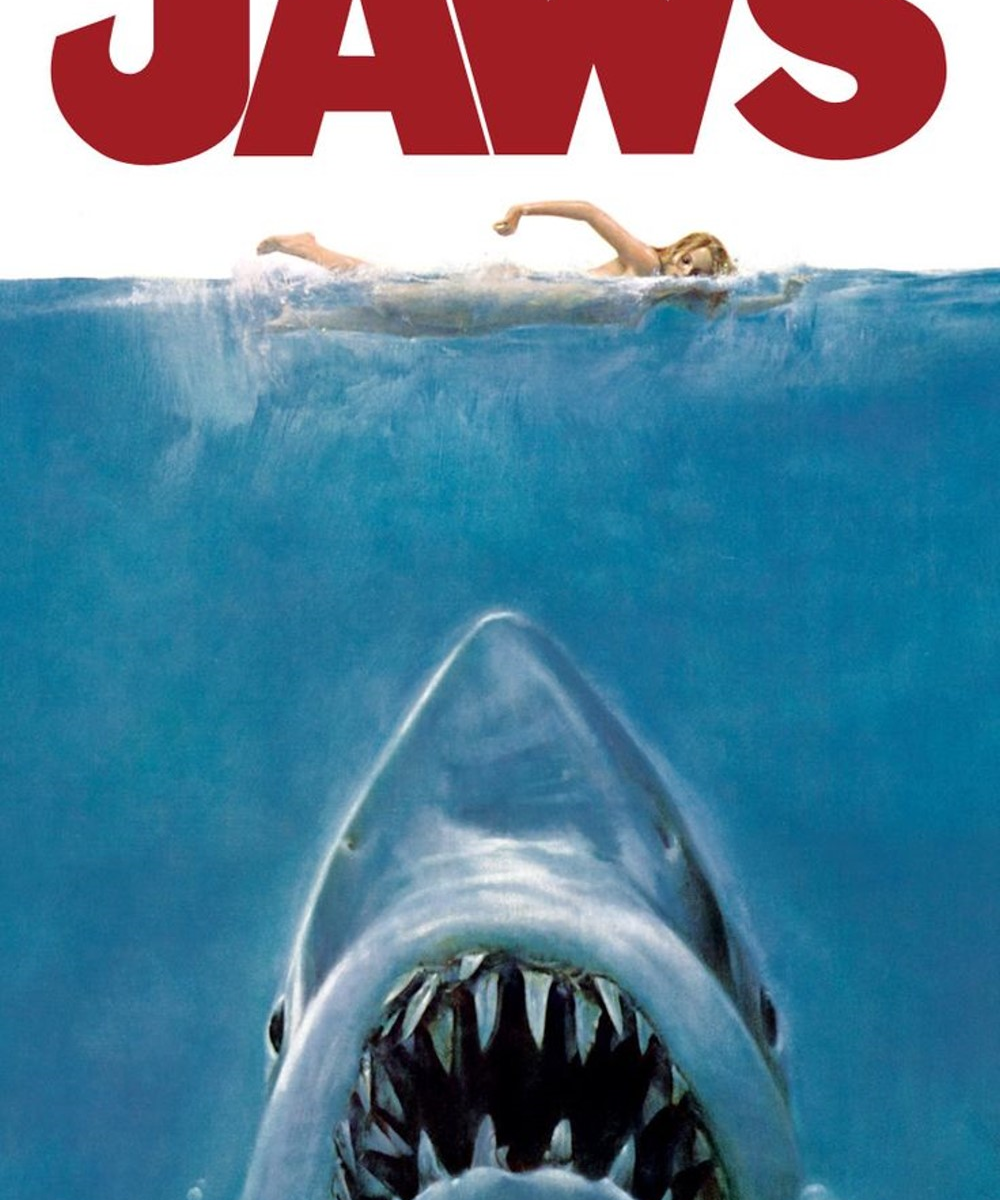


There are some entertainment brands you recognize immediately even when you’ve never bought something from them, and others that end up meaning something to you. Maybe it’s a film franchise you grew up watching or a game series you’ve followed through several generations of consoles, or perhaps it’s something you still check in on whenever a new release comes along (even if you’re not quite as obsessed with it as you once were).
That kind of attachment is usually something that’s been built gradually as entertainment becomes connected to your routines… and, eventually, your memories. And by that point, you’re likely no longer interested only in the next film or game, but there’s a degree of loyalty to the name behind it.
It Usually Takes More Than One Good Experience
Some films are memorable enough that they’ll hook you for the whole franchise. Star Wars is a good example of something like this because generations of fans have returned to its films and characters long after their first encounter with it. Lord of the Rings is another, where novel readers transition enthusiastically over to watching the films (and extended cuts).
When you repeatedly have a good experience with the same brand or franchise, you start knowing the gist of what to expect. Even if subsequent titles aren’t identical to the first (and they shouldn’t be, if they mean to stand out), there’s usually a familiar thread running through them (whether that’s a particular style or simply the sense that the people behind the brand understand their audience). This is partly why sequels work really well: when a familiar and favored name appears, giving it a chance feels easier. You might watch the next film or season without knowing much about it, or buy tickets because you enjoyed the previous show.
And once a franchise becomes familiar in that way, it doesn’t necessarily have to remain in the same corner of entertainment where you first encountered it; it might transfer over to video games and other forms of media.
Familiarity Can Carry Into Something New
Entertainment now is rarely tied to a single format, since there’s so much scope for a title to exist in multimedia formats. A brand people first encountered in one setting can turn up somewhere else entirely, and audiences may not necessarily see the two experiences as disconnected (even if the audience demographics may vary across mediums).
You can see that happening all the time in digital gaming. BetMGM, for example, has developed into a recognizable entertainment brand while extending that identity into online casino gaming. For people who play casino games online, an established name can provide an immediate point of recognition, even though the experience itself is different.
With that said, recognition alone won’t create the sort of attachment we’re talking about, though. Familiarity can certainly give someone a reason to look, but the actual content still needs to be engaging to get audience buy-in.
Nostalgia Makes the Connection More Personal
Think about the films you watched repeatedly as a child or the games you spent entire weekends trying to finish. Seeing the same characters again years later can add on a sense of joy at revisiting their stories. Nintendo is a great example of this, as someone who first encountered its games when they were young can still recognize the same characters as an adult (even though the consoles and the way they play have changed considerably).

It’s one reason anniversary screenings and franchise revivals can still attract so much attention. You’re not necessarily returning because you expect the new version to be better, but simply because you’re excited to reconnect with something that was so important to you at a formative time in your life. When that initial connection forms, your relationship with the entertainment changes because there’s history involved, and the name itself can start carrying some of those associations.
Fandom Is Something You Take Part In
Comic-Con is probably the most famous example of fans interacting with brands and franchises they love; it’s not just a place people turn up to hear about the next film or series. Being surrounded by thousands of other people who care about the same fictional worlds can be hugely appealing, especially to fans of niche media that may not be appreciated by the people they already know.
It also shows how far attachment can go beyond the original release, from spectating to participating. A Star Wars fan might have first encountered the franchise through one of the films, but years later, that interest can extend to conventions and collecting, as well as simply talking about it with other fans.
And online communities will keep that going when there isn’t a convention happening or a new release to talk about. Fans can disagree strongly about where a franchise went wrong, but when something genuinely good comes along again, there’s still a community there ready to care about it.

Attachment isn’t the same as thinking everything a brand produces is brilliant, though (nor should it be). Long-term fans will eventually encounter a sequel that doesn’t work or a reboot they wish had never happened; and although they may complain about it more than anyone else, they’ll often come back anyway because their connection was built over much more than one release.
That’s really the difference between being familiar with an entertainment brand and becoming attached to one: recognition can happen almost immediately, whereas attachment can take longer because it builds gradually around the entertainment you enjoyed and the memories that became attached to it.