
There’s a specific kind of joy in holding a piece of art instead of scrolling past it on a feed.
That’s probably why trading cards have quietly become one of the go-to formats for illustrators, character designers, and fan artists who want their work to exist somewhere besides a screen.
These aren’t the packs you’d grab at a gas station checkout. They’re self-published, artist-made sets, and the format is spreading fast through the indie art merch scene.
If you’ve been drawing original characters or fan art for a while and wondering what to actually do with it besides post it, a trading card set might be your answer.
Why Trading Cards, Specifically?
Prints and stickers have been the standard starter merch for artists for years, and they still work. A custom trading card does something different, though: it taps into collector psychology.
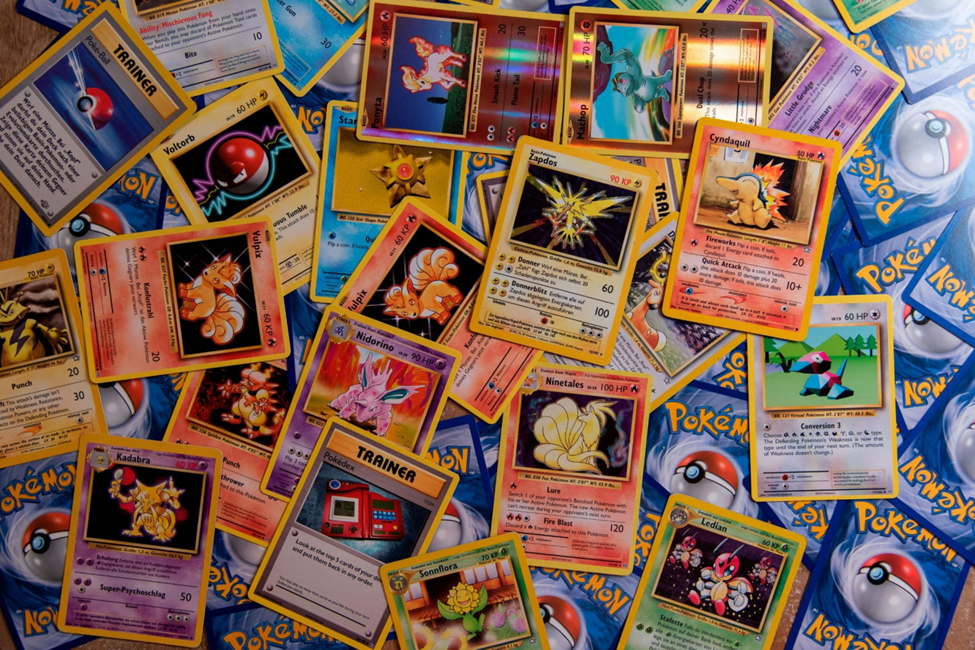
People rarely want just one card. They want the full set, the rare foil pull, and a reason to trade with friends at a con table. Decades of Pokémon, sports cards, and TCGs trained that instinct long before any of us picked up a tablet.
Artists are borrowing that same behavior and pointing it at original illustrations, OCs, and fan art series, and it’s working. A set gives fans a reason to buy more than once, which is exactly where your art comes in.
From Sketchbook to Set: How Artists Actually Build a Card Line
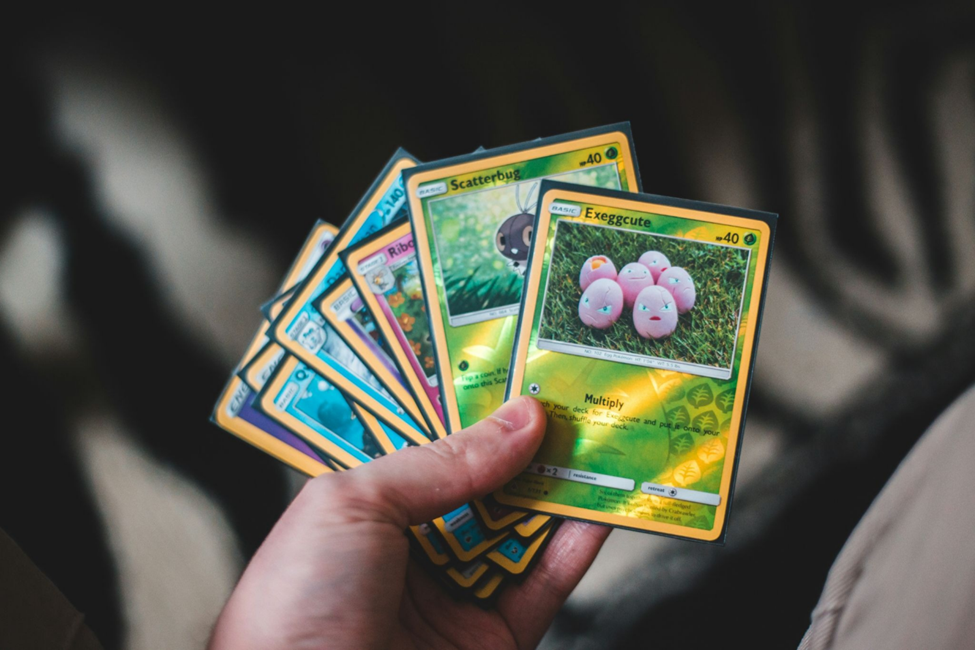
Most artists don’t print one drawing on cardstock and call it a day. There’s usually a strategy behind it, and it tends to come down to four decisions.
Start with a theme
One card floating on its own doesn’t interest collectors the way a set does. Aim for six to twelve cards built around a single story, one squad of characters, or a seasonal palette — something with an obvious throughline.
Design for the format
A trading card is small, usually 2.5 x 3.5 inches, so color choices and linework that read fine on a phone screen can turn to mush at that size. Artists who make the jump usually simplify busy backgrounds, push the contrast up, and leave breathing room near the edges so nothing important gets trimmed off.
Add rarity tiers
This is what turns a print into a collector’s item. A holographic or glitter finish on one or two designs out of a set of ten instantly creates a chase card — the one everyone’s trying to pull. Small production choice, outsized effect on how the set sells.
Consider finish and stock
Matte or glossy, standard cardstock or something heavier — the finish matters more than most first-timers expect. Getting die-cut edges, foil, and consistent color right on a home printer is genuinely difficult, which is why a lot of artists lean on print partners who specialize in small-batch runs. Partners like Vograce have made this more accessible by folding custom trading card printing into their broader merch catalog, so illustrators can add cards alongside the keychains and stickers they’re already selling.
Where Artists Are Actually Selling These
Once a set exists, artists tend to reach for a few channels.
Convention booths are still the default — cards are light, cheap to ship in bulk, and easy to fan out in a spinner rack or a binder for people to flip through.
Blind boxes and pack formats work too. Even a simple three-card randomized pack has enough of a gamble built into it to make people want to buy two.
A lot of artists skip building a standalone card shop altogether, and list cards alongside their prints and keychains in a store they already run. It’s less setup, and it puts the cards in front of an audience that already trusts them.
Common Mistakes Worth Avoiding
Some first-timers order too small a print run and sell out mid-convention with nothing left for walk-up buyers. Others skip a proof print, only to find the colors shifted between screen and cardstock, or realize too late that their “set” is really five unrelated pieces with no visual thread holding it together.
The fix is unglamorous: plan the theme before you draw a single card, order a proof before committing to a full run, and start smaller than you think you need to.
The Bigger Picture
Custom trading cards let artists build a world instead of shipping a single image. A character sketch becomes a set, and a set becomes something people actually hunt down.
If you’ve got a story or a character you keep returning to, that’s usually the sign it’s ready to become a set and not a one-off print, but something a collector wants to complete.